CVE-2026-20200 lets a low-privilege, already-logged-in attacker take full root control of Cisco UCS C-Series servers through the web management interface — and the discoverer's own proof-of-concept tool is sitting on GitHub right now.
Cisco patched a critical flaw on August 5 that let an already-logged-in, low-privilege attacker become root on UCS C-Series M7 and M8 rack servers — full control of the box, through nothing more than the web browser most admins use to manage it. Four days later, the researcher who found it published working exploit code on GitHub. If you're running one of these servers and haven't patched, the bug is no longer theoretical.
The flaw is CVE-2026-20200, and it scores 9.8 out of 10 on CVSS. It sits in Cisco's Integrated Management Controller — the IMC, the tool that handles BIOS settings, SecureBoot, remote power, and virtual KVM on UCS hardware, operating below the operating system rather than inside it. Improper input validation in the web interface lets a low-privilege authenticated attacker run arbitrary commands as root. Cisco's own advisory language is blunt about who's exposed: UCS C-Series M7 and M8 Rack Servers in standalone mode, plus a range of Cisco appliances that are just preconfigured versions of those same servers.
Why a management-controller bug is worse than a normal one
A flaw in a regular application is bad. A flaw in the thing that controls the hardware underneath the application is worse, because IMC-class controllers — the same family as a BMC on any other server vendor's kit — keep running even if you wipe and reinstall the operating system. Root on the IMC means an attacker can potentially persist through exactly the remediation step most incident responders reach for first. This is the same category of exposure we flagged with Cisco's Catalyst SD-WAN and IOS XE bugs and the static-credential zero-day in Cisco FMC — not a coincidence, a pattern.
9.8 / 10
CVSS Score
Critical severity
UCS C-Series M7 & M8
Affected
Standalone mode + preconfigured appliances
August 5, 2026
Patched
Part of Cisco's routine advisory batch
Public — CIMCown
PoC status
Released on GitHub after the patch
The proof-of-concept tool, CIMCown, isn't a proof-of-concept in the toy sense — it includes working functionality for file upload, file download, and full shell access once it lands on a vulnerable IMC. That's the difference between "a researcher wrote a paper" and "anyone with basic scripting skills has a working weapon," and it's exactly why security teams treat public PoC release as the moment risk changes tier, regardless of what Cisco's telemetry shows at the time.
What to actually do about it
Check your UCS C-Series firmware version against Cisco's August 5 advisory — if it predates that release, you're exposed.
Patch immediately if you can take a maintenance window. There is no interim workaround that doesn't involve disabling management entirely.
If you can't patch tonight, disable the IMC web interface and fall back to CLI or SSH-based management until you can.
Audit who holds valid low-privilege IMC accounts — this flaw needs authentication first, so credential hygiene is your last line of defense before the patch actually lands.
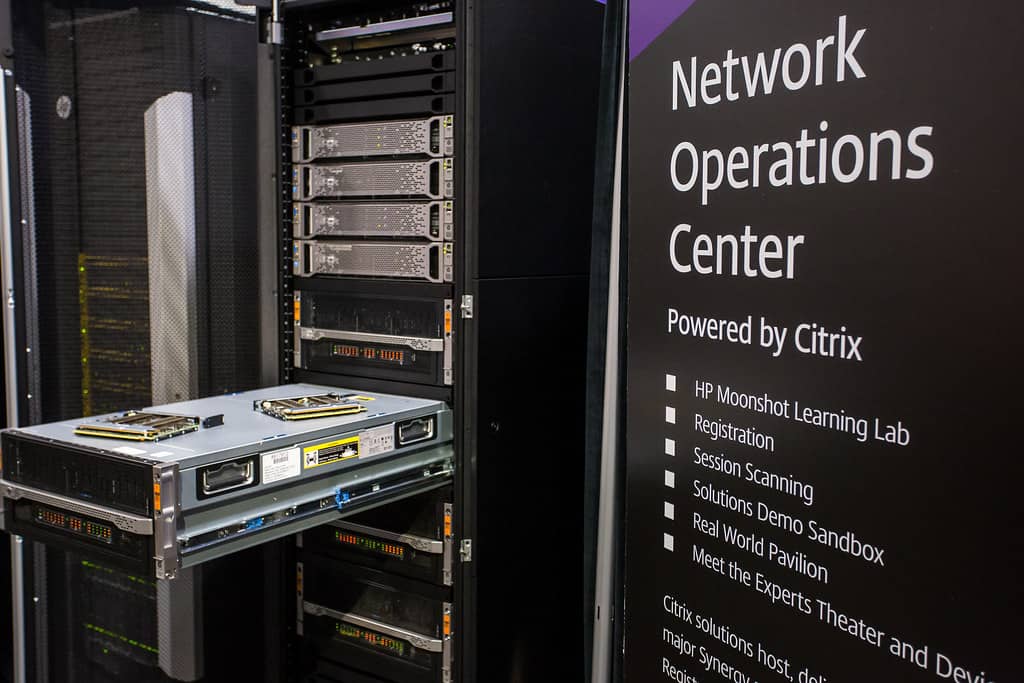
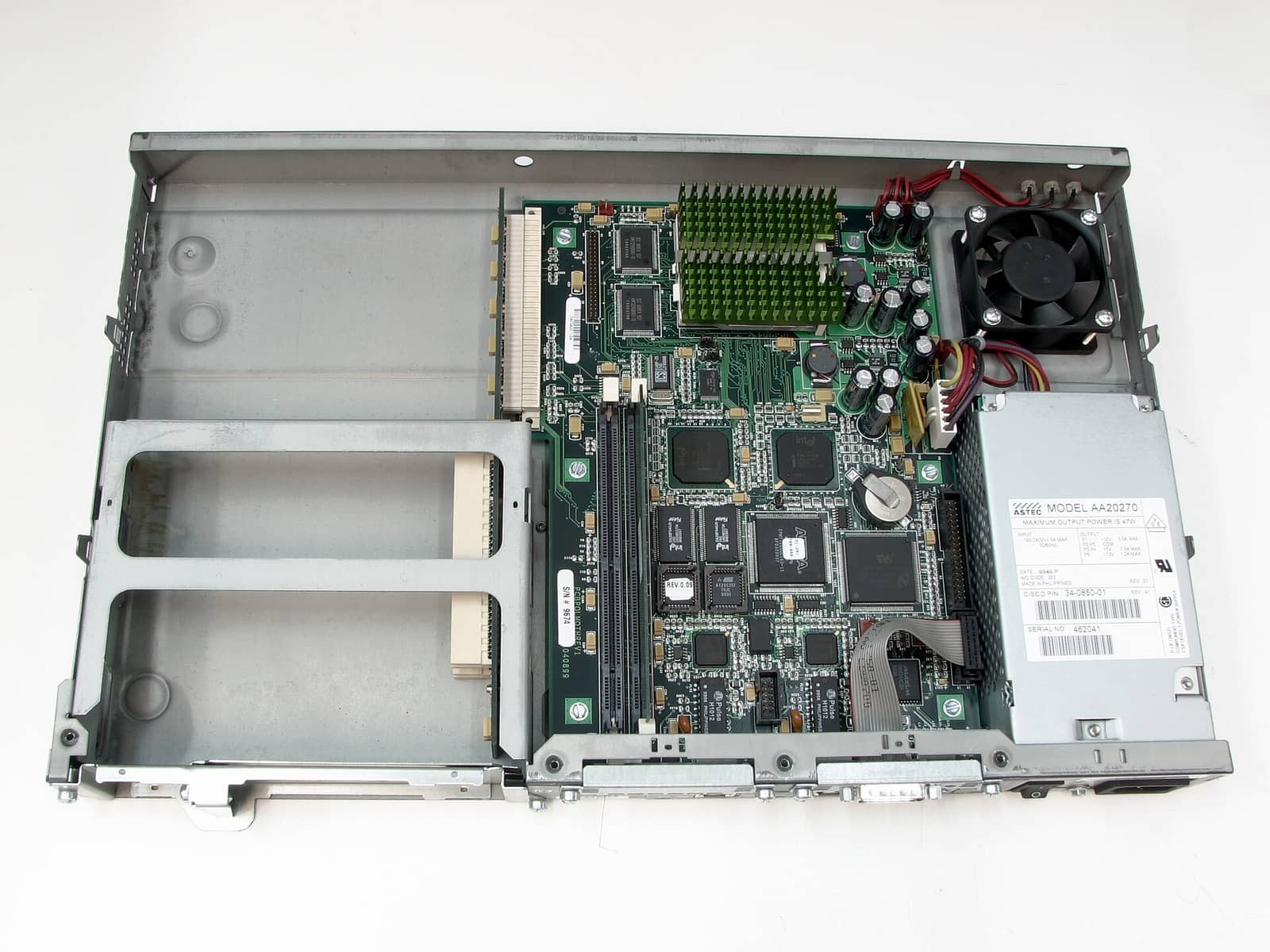
IMC-class management controllers sit below the operating system — exactly why a compromise here is so hard to fully clean up. · Unsplash
How this played out
Earlier 2026
Christoph Peil of NSIDE ATTACK LOGIC discovers the flaw during a commissioned security assessment of Cisco UCS gear.
August 5, 2026
Cisco ships the fix as part of a routine advisory batch alongside other SD-WAN and IOS XE patches.
Shortly after
Peil publishes CIMCown, a working proof-of-concept exploit, on GitHub.
Now
Cisco reports no confirmed exploitation in the wild — but with a public PoC and unpatched boxes likely still online, that's a matter of when, not if.
What is CVE-2026-20200?
A critical (CVSS 9.8) flaw in Cisco's Integrated Management Controller web interface that lets an authenticated, low-privilege attacker execute commands as root on UCS C-Series M7 and M8 servers.
Is there a workaround if I can't patch immediately?
Disabling the IMC web interface blocks the attack path, but it's a stopgap — Cisco's guidance is to patch, not to rely on disabling management indefinitely.
Has this been exploited in the wild?
Cisco says no, as of publication — but the discoverer's own proof-of-concept tool, CIMCown, is already public on GitHub, which historically shortens that window fast.
Do I need to be authenticated to be attacked?
Yes, technically — but only at low privilege. Combined with weak or reused IMC credentials elsewhere on a network, that bar is lower than it sounds.
Cisco's advisory batches have carried a near-critical bug roughly once a month for most of 2026, and the pattern keeps repeating: a management or orchestration layer, not the core routing or compute, is the entry point. If you're tracking that thread, it's worth the same five minutes we'd spend on JetBrains TeamCity's unauthenticated RCE or n-able N-central's exploited auth bypass — check your patch level today, not on the next scheduled maintenance window.