Microsoft fixed the RoguePlanet Defender flaw in July. On August 12, the same researcher it threatened with legal action published a working bypass — and there's still no patch.
Microsoft patched a Windows Defender bug called RoguePlanet in July 2026 — a flaw that let a standard user spawn a SYSTEM-level command shell on a fully updated machine. On August 12, a researcher Microsoft had publicly threatened with legal action three months earlier published a working bypass of that exact patch, called ShieldBreak. It runs on Windows 10, Windows 11 25H2, and Windows Server 2025, and as of this writing there's still no fix for it.
What RoguePlanet actually does
RoguePlanet lives in mpengine.dll, the Malware Protection Engine that every Defender scan runs through. Researchers describe it as a race condition combined with improper link resolution — Defender briefly touches a file path in a way that a local attacker can hijack mid-operation, redirecting the engine's elevated scanning process into spawning a command shell with SYSTEM rights instead. No remote access is needed; the attacker just needs to already be running code on the box, even as a low-privilege user. Arctic Wolf's writeup notes initial weaponization of the underlying bug appeared in early June 2026, roughly a month before Microsoft's fix shipped.
The bypass: why the July patch didn't hold
Microsoft's July 9 patch closed the specific race condition researchers had reported. ShieldBreak, published five weeks later, claims to find a different path through the same underlying weakness in mpengine.dll — restoring the SYSTEM shell on machines running the patched engine. The proof-of-concept was tested against Windows 11 25H2, the Canary channel, and Windows Server 2025, and its author reports a 100% success rate. A Microsoft spokesperson told TechCrunch the company is 'aware of the reported vulnerability and is actively investigating the validity and potential applicability of these claims' — language that stops short of confirming it, but doesn't dispute it either.
RoguePlanet vs. ShieldBreak, at a glance
Disclosed
Early June 2026 (weaponization observed)
RoguePlanet (original)
August 12, 2026
Fixed by
Defender engine 1.1.26060.3008, July 9, 2026
RoguePlanet (original)
No fix yet — Microsoft investigating
Access gained
SYSTEM via race condition in mpengine.dll
RoguePlanet (original)
SYSTEM via a new path around the July fix
Tested on
Windows 10, 11, Server
RoguePlanet (original)
Windows 10, 11 25H2/Canary, Server 2025
RoguePlanet (original)
ShieldBreak (bypass)
Disclosed
Early June 2026 (weaponization observed)
August 12, 2026
Fixed by
Defender engine 1.1.26060.3008, July 9, 2026
No fix yet — Microsoft investigating
Access gained
SYSTEM via race condition in mpengine.dll
SYSTEM via a new path around the July fix
Tested on
Windows 10, 11, Server
Windows 10, 11 25H2/Canary, Server 2025
The backstory Microsoft would rather you didn't connect
In May 2026, Microsoft published a blog post threatening legal action against security researchers who release zero-day details outside the company's official disclosure process. The company partially walked the comments back on social media afterward, but the original post was never formally retracted. Nightmare Eclipse, the researcher behind ShieldBreak, has published several Windows and Defender vulnerabilities through 2026 and has publicly accused Microsoft of mishandling bug reports, framing public disclosure as the option left after Microsoft's own process failed.
There's no patch yet, so treat this as an unpatched local privilege-escalation risk on every Windows 10, 11, and Server 2025 box you manage.
Restrict local administrative rights wherever possible — ShieldBreak needs local code execution as a starting point, not remote access.
Enable Tamper Protection and Attack Surface Reduction rules in Defender, and use EDR policy to block execution of the vulnerable Defender binaries researchers have flagged.
4
Watch for anomalous MsMPEng.exe behavior and unexpected User Profile Service events — the mitigation guidance researchers have published centers on those two signals.
Quick answers
Is ShieldBreak being exploited in the wild?
There's no confirmed in-the-wild campaign yet — ShieldBreak is a public proof-of-concept, not an observed attack. Treat it as a credible, urgent risk rather than a live incident, but don't wait for evidence of active exploitation before mitigating; RoguePlanet itself reportedly saw early weaponization about a month before Microsoft's July patch.
Does this require remote access to exploit?
No. Both RoguePlanet and ShieldBreak are local privilege-escalation bugs — an attacker needs some existing code execution on the machine, from phishing, another exploit, or physical access, before they can use this to jump to SYSTEM.
Will Microsoft patch this on the regular Patch Tuesday cycle?
Microsoft hasn't committed to a timeline. As of this writing the company says it's investigating ShieldBreak's validity, a step before a fix is scoped — it could land on a future Patch Tuesday or as an out-of-band update if exploitation is confirmed.
What's Nightmare Eclipse's history with Microsoft?
The researcher has published several Windows and Defender vulnerabilities in 2026 and has publicly accused Microsoft of mishandling bug reports. Microsoft's May 2026 blog post threatening legal action against researchers who disclose outside its official process was partially walked back on social media, but the original post was never formally retracted.
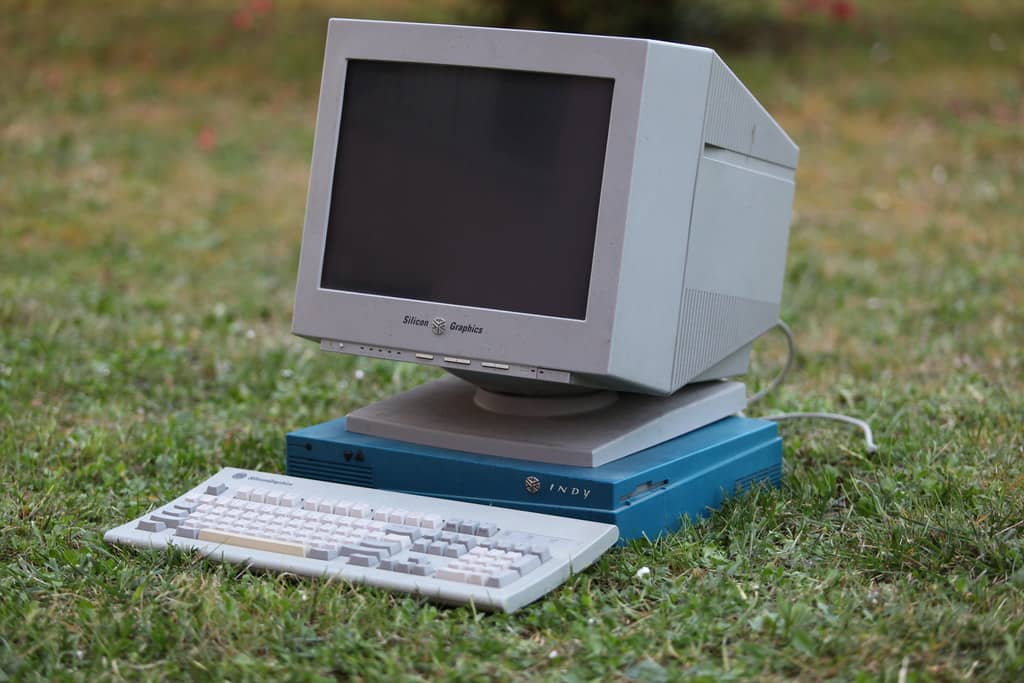
Windows Defender's core scanning engine, mpengine.dll, is the component at the center of both RoguePlanet and ShieldBreak. · UnsplashShieldBreak is a published proof-of-concept, not a confirmed in-the-wild campaign — but its reported 100% success rate against a fully patched OS makes it an urgent one to mitigate. · Unsplash
Verdict
Bottom line
There's no patch for ShieldBreak yet, so lock down local admin rights and Defender tamper protection now — don't wait for Microsoft's investigation to conclude.
Best for: Windows 10/11/Server 2025 admins, especially anywhere users can run untrusted local code.
Microsoft says it's investigating; it hasn't confirmed or denied ShieldBreak works as described, and there's no public timeline for a second fix. What's confirmed is the pattern: a company that spent May threatening researchers over disclosure timing spent August dealing with a disclosure from the exact researcher it threatened. Whatever you think of Nightmare Eclipse's approach, the bug itself doesn't care about the feud — patch or mitigate, because right now the only thing standing between a standard user and SYSTEM is whether they've read this far.