$695 for 16GB of VRAM while Nvidia is pushing RTX 5090s past $5,100 overseas — here's whether the Gigabyte Gaming OC is actually worth grabbing right now.
Gigabyte's RX 9070 XT Gaming OC just dropped to $695.59 on Amazon — its lowest price of all of 2026, according to PC Guide, which tracked it against $739.99 list. That's a 6% cut, worth $44.40, and it lands just $15.60 above the card's all-time low from back in December. The timing is what makes it interesting: it's happening while Nvidia's flagship pricing is doing the exact opposite everywhere else.
So this isn't back to launch MSRP — it's still nearly $100 over the $599 AMD originally set for the RX 9070 XT. But context matters here more than the sticker. GPU pricing across the board has been climbing all year, not falling. A separate Tom's Hardware report tracked a roughly 15% average global price hike across Nvidia, AMD and Intel GPUs in 2026, and Nvidia's own flagship has it worse: the RTX 5090 crossed 7.3 million won — about $5,112 — in South Korea, up roughly $1,050 in a single month, driven by TSMC wafer costs and $20 GDDR7 modules.
Is 16GB actually enough in 2026?
For gaming, yes, comfortably. RDNA4's 16GB frame buffer handles 1440p ultra settings in essentially everything on the market, and most 4K titles too — you'll hit compute limits on the heaviest ray-traced games before you hit a VRAM wall. If you're deciding between chasing more frames or a bigger panel, our refresh-rate breakdown and 1080p vs. 1440p vs. 4K guide are worth reading before you spend the $695 — a GPU this capable deserves a monitor that can actually show the difference.
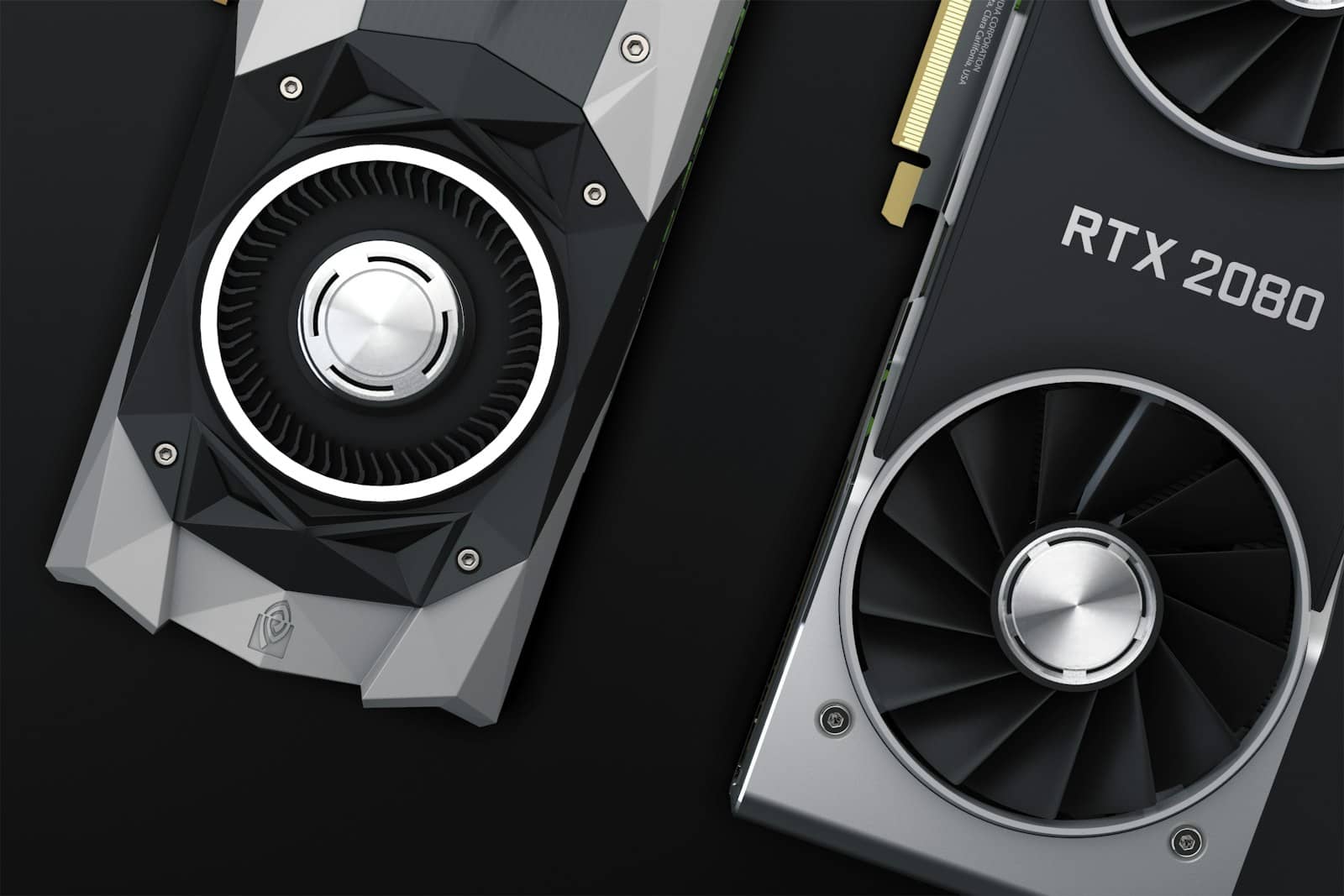
16GB is the sweet spot right now for 1440p and most 4K gaming without hitting a VRAM ceiling. · Unsplash
What about local AI?
This is where I'd manage expectations. 16GB of VRAM fits models up to roughly 14B parameters comfortably at Q4 quantization, with room for a reasonable context window — that's a real, useful local-AI tier, not a token gesture. The catch is software, not hardware: AMD's ROCm stack has closed a lot of ground on CUDA over the past year, but it's still the less-traveled path, with more manual setup and fewer day-one integrations than an Nvidia card at the same price. We cover that trade-off directly in AMD vs. Nvidia for local AI and specifically against its closest Nvidia rival in RX 9070 XT vs. RTX 5070 Ti.
Price trajectory this card has actually taken
AMD launch MSRP (Mar 2025)$599
December all-time low~$680
Amazon now$695.59
Current list price$739.99
My honest read: this is a good price for what it is, not a screaming once-in-a-generation deal. It's not launch MSRP, and it's still $16 above the card's actual floor. But given where the rest of the market is heading — up, consistently, on memory and wafer costs that aren't reversing anytime soon — $695.59 for a 16GB RDNA4 card is a genuinely reasonable buy-now price rather than a wait-for-better one. If you already have a GPU that isn't holding you back, this isn't urgent. If you're shopping in this bracket anyway, I wouldn't bet on a meaningfully better number showing up before winter.
8/ 10
Verdict
Should you buy it at $695.59?
Yes, if you were already shopping in the $600–750 bracket for a 16GB card. It's not the card's absolute floor, but it's close enough, and the broader GPU market is trending up hard enough that waiting is a real gamble now, not a safe default.
Best for: 1440p/4K gamers who also want a capable side-use local-AI card, and don't need CUDA-specific tooling.
Common questions on this deal
Is $695.59 actually the lowest this card has ever been?
PC Guide's tracking puts it $15.60 above the card's all-time low, set back in December — so it's very close to the floor, not exactly at it.
Is 16GB enough for gaming in 2026?
Yes for the vast majority of titles at 1440p and 4K. You'll run into compute limits on the heaviest ray-traced games before VRAM becomes the bottleneck.
Can this card run local AI models?
Yes, models up to roughly 14B parameters at Q4 quantization run comfortably. ROCm setup takes more effort than an equivalent Nvidia card, though the gap has narrowed a lot in the past year.
Should I wait for a better deal instead?
Given the broader GPU market has been trending up on GDDR7 and wafer costs all year, waiting is a real gamble rather than a safe default right now.
If you're on the fence between AMD and Nvidia at this exact budget and gaming performance matters more than raw AI throughput to you, this deal is a solid enough reason to stop shopping. If AI workloads are the priority, put the ROCm setup overhead into your decision honestly before you buy — it's a real cost, just not always the deal-breaker it used to be.