Sixteen gigabytes of VRAM, front-loaded with the same pitch: comfortable 12B-14B inference, workable 32B at aggressive quantization. That's what AMD's Radeon RX 9070 XT and Nvidia's RTX 5070 Ti both promise on paper in August 2026. What they don't share anymore is the price. Street prices for the 9070 XT sit around $670-700; the RTX 5070 Ti is averaging $1,070-1,160 at US retail, nearly $400 higher for the same amount of memory. I went through the actual bandwidth numbers, the driver situation, and the benchmarks people have actually published this year, because '$400 cheaper, same VRAM' is the kind of headline that skips the part that matters.
The spec sheet is closer than the price gap suggests
RX 9070 XT vs RTX 5070 Ti
VRAM
Spec
16GB GDDR6
RX 9070 XT
16GB GDDR7
Memory bandwidth
Spec
643 GB/s
RX 9070 XT
896 GB/s
TDP
Spec
304W
RX 9070 XT
300W
MSRP at launch
Spec
$599
RX 9070 XT
$749
Street price, Aug 2026
Spec
~$670-700
RX 9070 XT
~$1,070-1,160
AI framework support
Spec
ROCm 7.2+ (Mar 2026), Vulkan recommended
RX 9070 XT
CUDA, day-one everywhere
Spec
RX 9070 XT
RTX 5070 Ti
VRAM
16GB GDDR6
16GB GDDR7
Memory bandwidth
643 GB/s
896 GB/s
TDP
304W
300W
MSRP at launch
$599
$749
Street price, Aug 2026
~$670-700
~$1,070-1,160
AI framework support
ROCm 7.2+ (Mar 2026), Vulkan recommended
CUDA, day-one everywhere
That bandwidth gap is the number to actually pay attention to. Local inference is memory-bandwidth-bound almost the entire time — the GPU spends most of a token's worth of work waiting on data to move, not crunching math. A 40% bandwidth advantage doesn't translate to a 40% speed advantage one-for-one, but it's not nothing either, and it's the reason the RTX 5070 Ti still generates tokens noticeably faster on identical models once you control for quantization.
Software is where the story actually splits
Here's the part the spec sheet hides. AMD's RX 9070 XT launched on RDNA4 in March 2025, and ROCm — AMD's CUDA equivalent — didn't get official support for that architecture until ROCm 7.2, which shipped a year later. For most of the 9070 XT's life, running it for local AI meant unofficial workarounds, community patches, or just switching to Vulkan instead. Phoronix's coverage of the release confirms the RX 9070, RX 9070 XT and RX 9060 XT LP finally landed in AMD's official support matrix — good news, but a year late relative to when people actually bought the card.
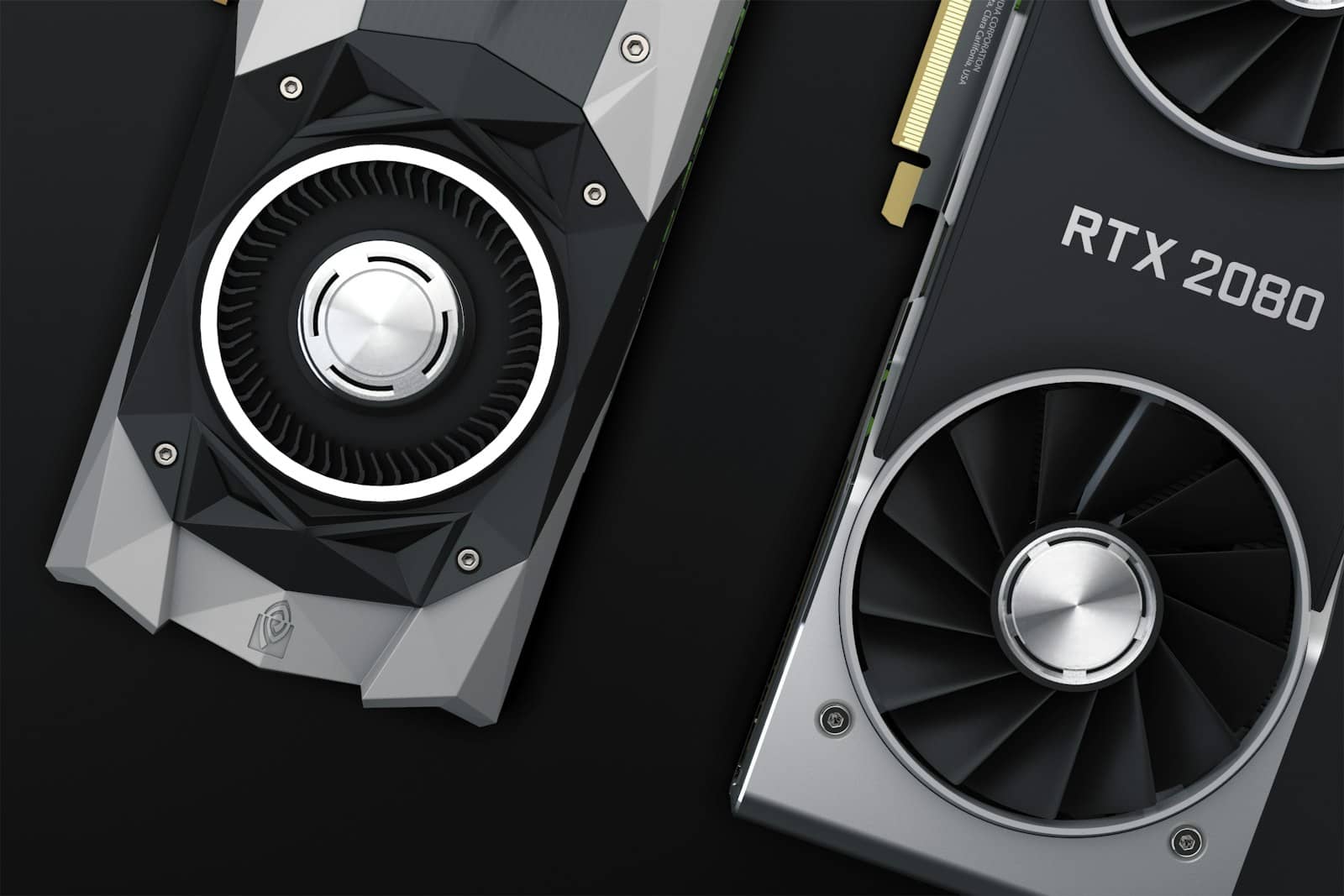
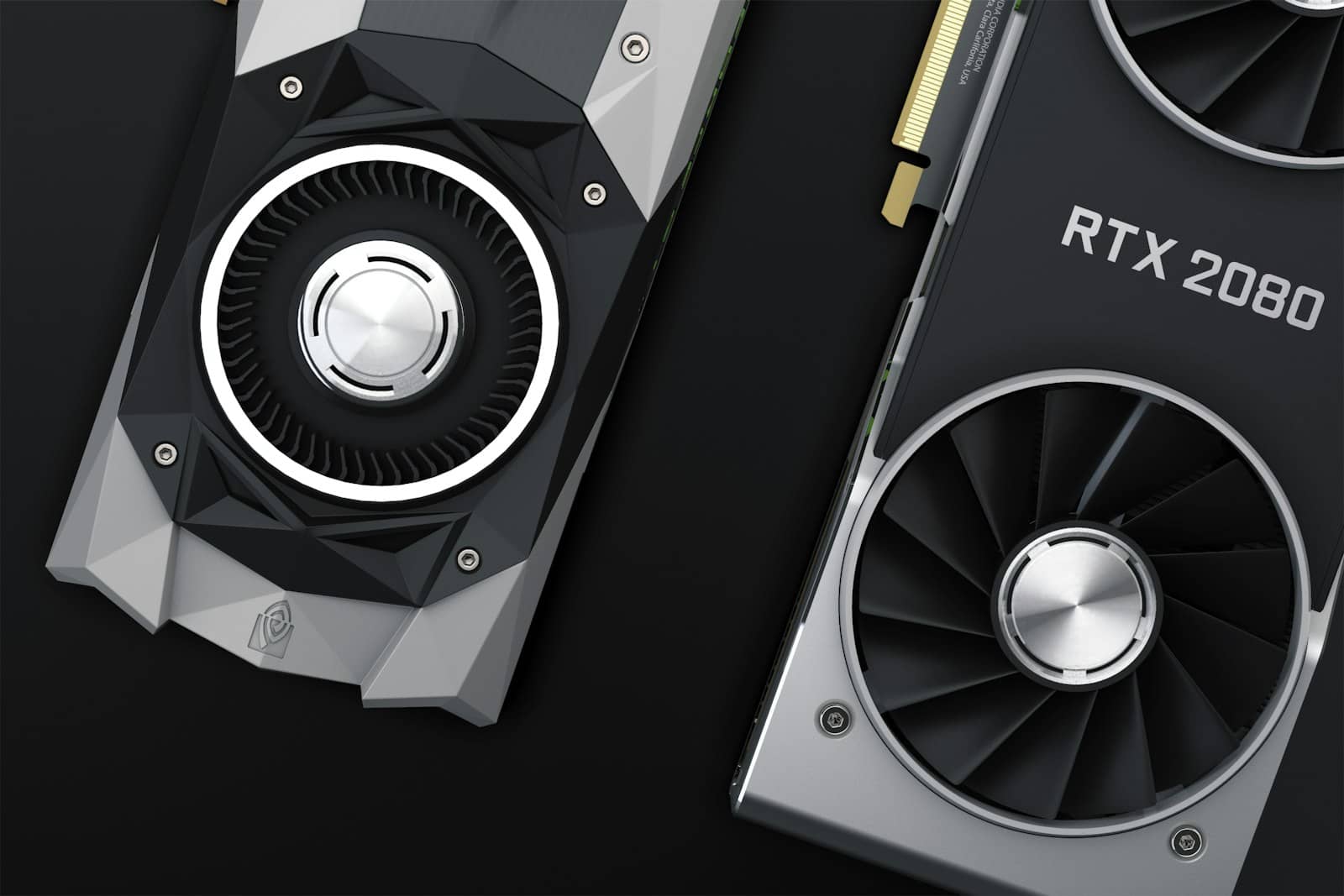
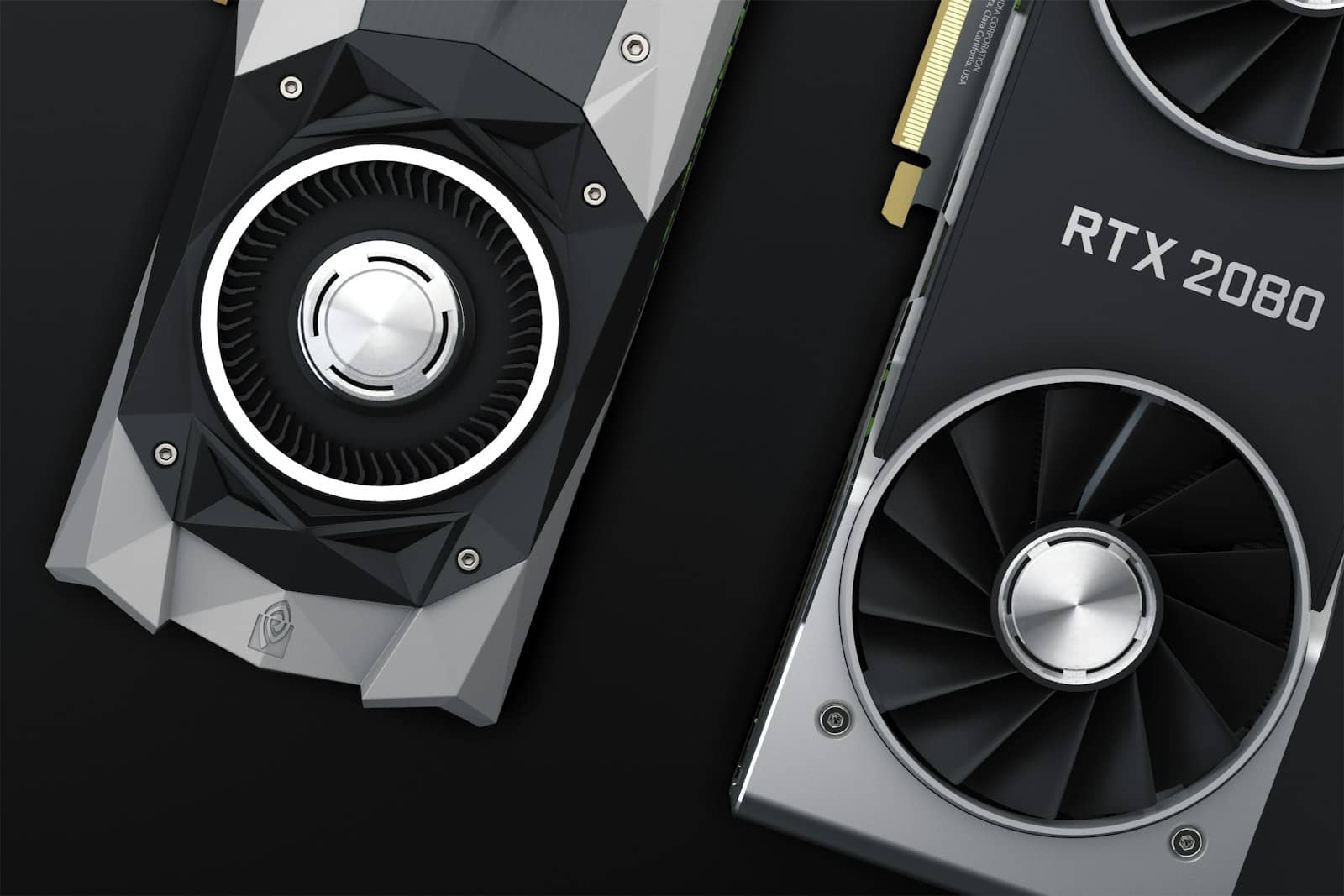
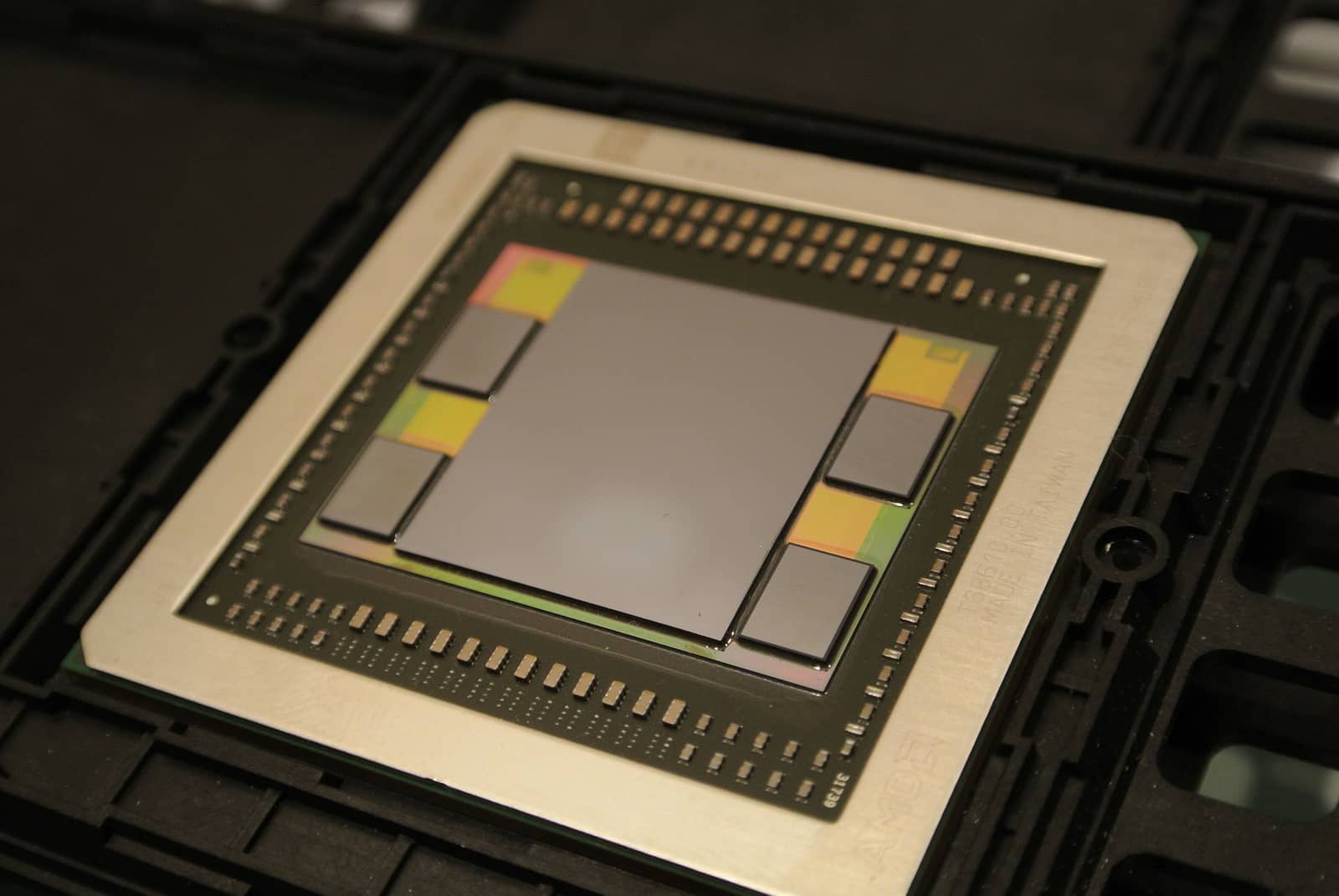
AMD's RDNA4 flagship ships 16GB of GDDR6 — the same VRAM total as Nvidia's RTX 5070 Ti, at a lower street price. · Unsplash
What that actually costs you in practice
If you're on Linux and comfortable troubleshooting a driver stack, the RX 9070 XT is a genuinely good local-AI card for less money — our AMD vs Nvidia breakdown goes deeper on the ecosystem gap generally. If you're on Windows and want to install Ollama or LM Studio and have it just work with every quantization format on day one, the RTX 5070 Ti's CUDA stack removes that whole category of problem — at a real cost premium that's only gotten worse since Nvidia's board partners hiked 5070 Ti prices earlier this year.
My actual take
I'd take the RX 9070 XT if I were building a Linux inference box and didn't mind spending an evening on driver setup — $400 is $400, and Vulkan-backed llama.cpp is stable enough now that 'AMD for AI' isn't the punchline it was in 2024. But I wouldn't recommend it to someone who just wants to download a model and go. The RTX 5070 Ti's CUDA maturity is worth real money to a buyer whose time has value, and that's most people reading this. This is a judgment call, not a benchmark result — reasonable people land on either side of it.
Who should buy which
7/ 10
Verdict
RX 9070 XT vs RTX 5070 Ti for local AI
Same 16GB, a $370-460 price gap, and a real software maturity gap running the other direction. Buy AMD if you're Linux-comfortable and want to save real money; buy Nvidia if plug-and-play CUDA support across every framework matters more than the price tag.
Best for: Local-AI buyers deciding between a 16GB AMD or Nvidia card in 2026
RX 9070 XT vs RTX 5070 Ti — quick answers
Does ROCm fully support the RX 9070 XT now?
Yes, as of ROCm 7.2 in March 2026 — but Vulkan through llama.cpp still outperforms it by roughly 20% in independent testing, so most local-AI users on RDNA4 skip ROCm entirely.
Is 16GB enough VRAM for local AI in 2026?
For 12B-14B models at Q4, yes, comfortably. For 32B models you're right at the edge with little room for context — see our guide on how much VRAM you actually need.
Which card generates tokens faster?
The RTX 5070 Ti, thanks to its 896 GB/s memory bandwidth versus 643 GB/s on the RX 9070 XT — local inference is bandwidth-bound, so this gap shows up directly in tokens per second.
Is the price gap likely to close?
Not obviously. Nvidia's GPU prices have been climbing through 2026 on GDDR7 and wafer costs, while AMD's RDNA4 supply has been comparatively stable — if anything the gap has widened since launch.
Neither card is a bad buy — that's honestly the more useful takeaway than picking a winner. If you're still deciding what tier of GPU makes sense at all, our current best-GPU-for-local-AI rundown covers the full range, and our quantization guide will tell you exactly how far 16GB stretches once you pick a format. My honest prediction: AMD's software gap keeps closing, slowly, and by the time ROCm 8.x lands this price advantage might finally come with zero asterisks. It's just not there yet.