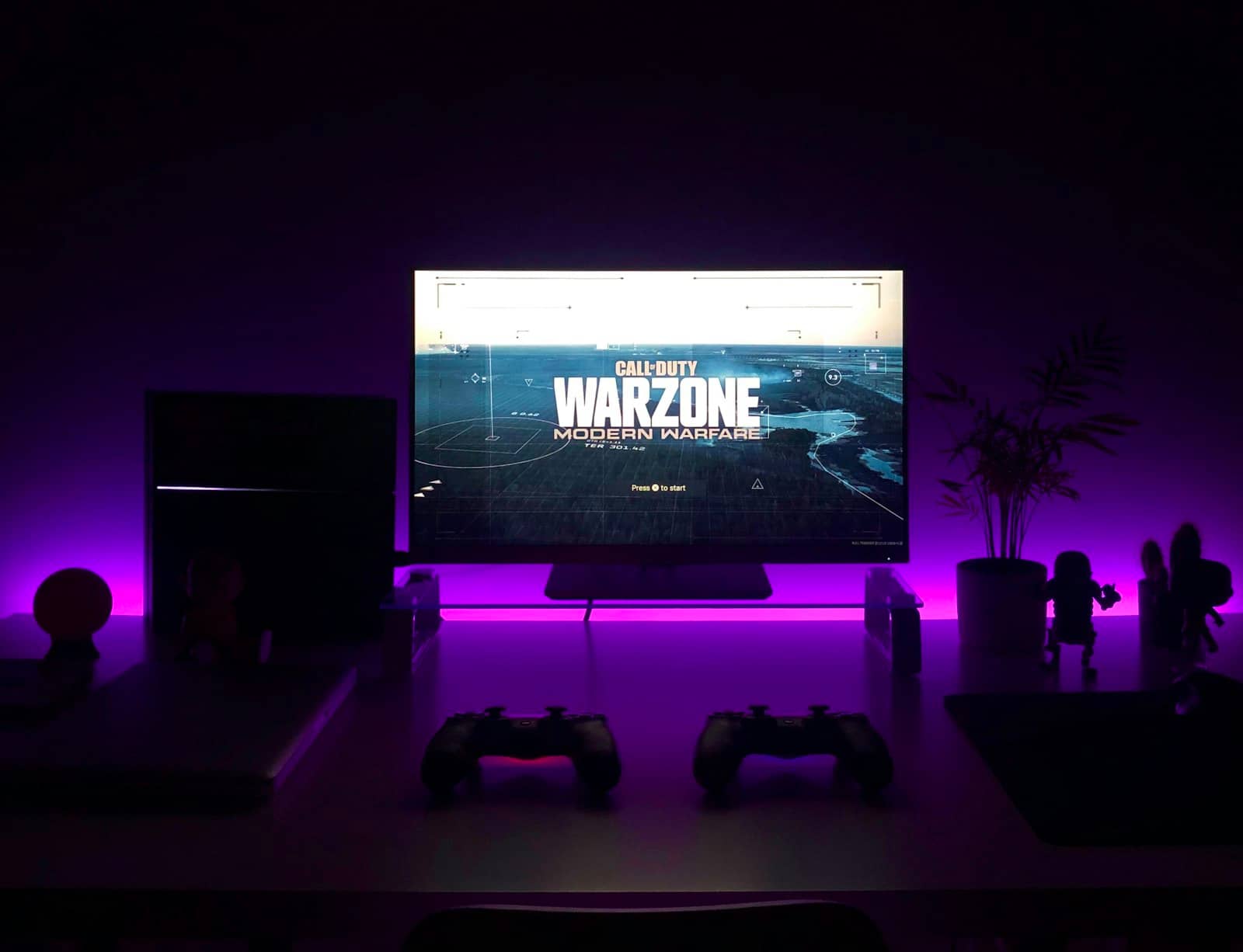
OLED used to be a luxury with a burn-in asterisk. In 2026 the prices collapsed and the burn-in fear is largely outdated — here's the honest panel comparison, and who each is really for.
IPS, VA, or OLED — which panel is best for gaming?
In 2026, QD-OLED is the best gaming panel for most people — and that's a genuine change from a couple of years ago. It offers perfect blacks (per-pixel lighting), a near-instant ~0.03ms response time (the best motion clarity you can buy), and vivid color — and crucially, the price gap has collapsed: quality 27-inch 1440p QD-OLED panels now hit around $350 on sale. The old objection, burn-in, is largely outdated — real-world testing shows about 2% brightness loss after 5,000 hours, degradation slows after the first six months, and most makers now offer 3-year warranties that explicitly cover burn-in. That said, IPS is still a great value / bright-room choice, and VA gives the best contrast on a budget. Here's the honest breakdown.
Why QD-OLED wins for most now
Two things flipped OLED from luxury to default. First, price. OLED panels used to command a huge premium; in 2026 that gap has largely closed — a 27-inch 1440p QD-OLED can be had near $350 on sale, and higher-refresh models like a 280Hz QD-OLED around $550. At those prices, OLED's advantages are no longer a splurge. Second, burn-in stopped being scary. The fear that kept people on worse panels is mostly outdated: modern QD-OLED runs cooler than older WOLED (a blue emitter paired with quantum dots, less thermal stress), testing shows only ~2% brightness loss after 5,000 hours with degradation slowing after six months, and manufacturers back it with 3-year burn-in warranties. So for the vast majority of gamers — especially those who play AAA and single-player games where OLED's infinite contrast genuinely elevates the image — QD-OLED is now the pick: you get the best blacks, the best motion, vivid color, and pricing that finally makes sense. Pair it with a capable GPU at 1440p or 4K and it's a stunning experience.
IPS vs VA vs OLED
OLED / QD-OLED
Best for most
vs
IPS / VA
Value picks
Perfect (infinite)
Black levels / contrast
IPS ~1000:1, VA 3000-5000:1
~0.03ms (best)
Response time
Fast IPS close; VA slower
Good, improving
Brightness in a bright room
IPS best here
Collapsed (~$350 1440p)
Price (2026)
Cheapest
QD-OLED wins 2wins 1 VA
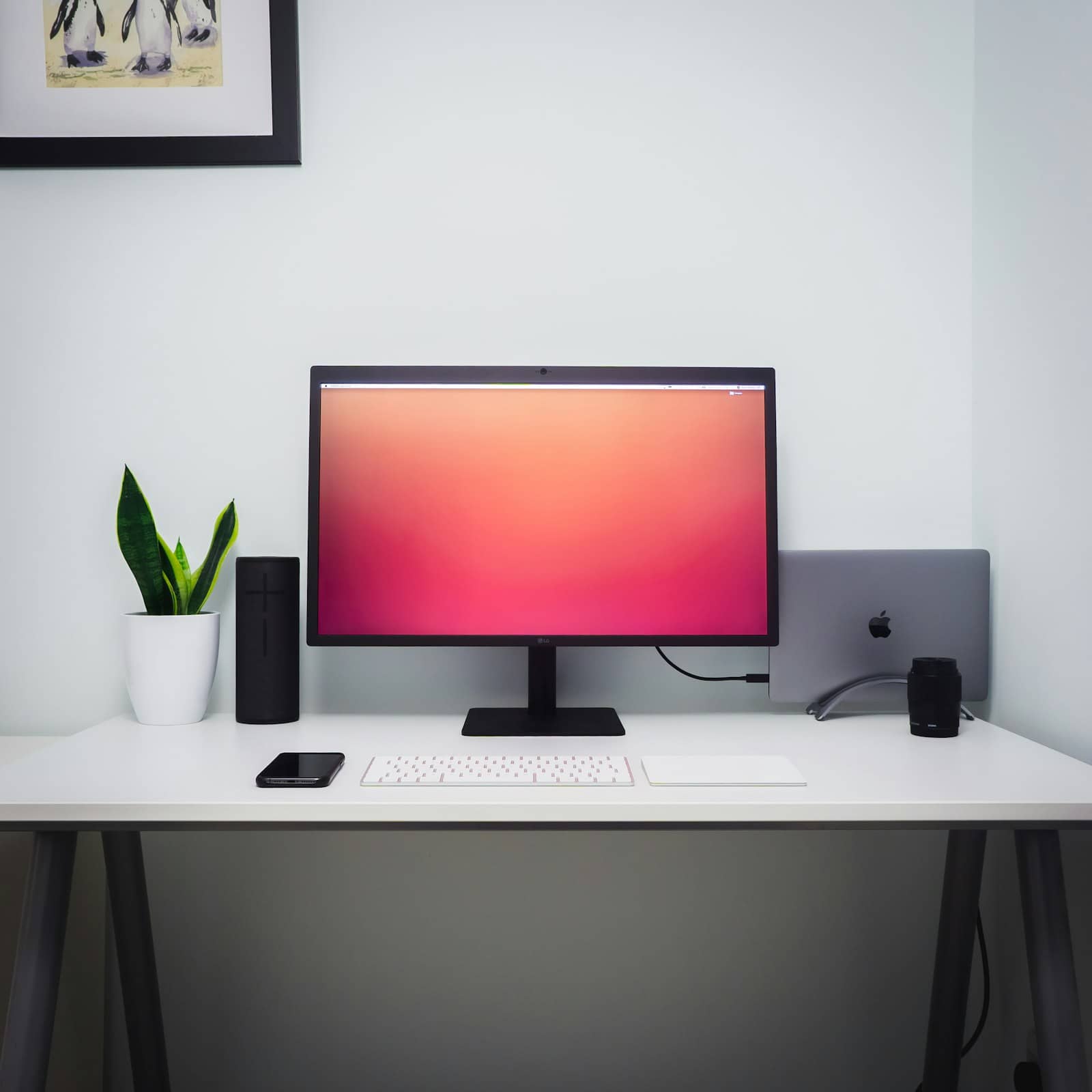
QD-OLED gives perfect blacks and ~0.03ms response — and in 2026 its price finally makes sense for most. · Unsplash
When IPS or VA is still the right call
OLED isn't automatically right for everyone. Choose IPS if you game in a bright room or want the best value — IPS handles ambient light better than OLED, and Fast IPS / Nano IPS panels now have response times competitive with the old TN standard. The trade-offs: IPS contrast tops out around 1000:1 and suffers 'IPS glow' (a washed-out haze in dark corners), so blacks look grey next to OLED. Choose VA if you want the best contrast on a budget — VA delivers the highest native contrast of any LCD (3000-5000:1), which makes it strong for HDR and dark, moody games — but it's the slowest of the three, with visible smearing in fast motion, so it's a poorer fit for competitive shooters. So the decision is really about your room and content: OLED for dark-room AAA and all-round best, IPS for bright rooms and value/competitive, VA for budget contrast and HDR. For most people in 2026, though, the collapsed OLED prices make QD-OLED the default recommendation — and then you match it to your GPU and resolution.
Quick answers
Is OLED worth it for a gaming monitor in 2026?
For most people, yes. QD-OLED offers perfect blacks, the fastest response time available (~0.03ms), and vivid color, and in 2026 the price premium has largely collapsed — quality 27-inch 1440p QD-OLED panels now reach around $350 on sale. The old burn-in objection is largely outdated: real-world testing shows about 2% brightness loss after 5,000 hours, degradation slows after the first six months, and most manufacturers offer 3-year warranties that explicitly cover burn-in. Unless you game in a very bright room (where IPS handles glare better) or you're on the tightest budget, QD-OLED is the best all-round gaming panel now.
IPS vs VA vs OLED — which is best for gaming?
OLED (specifically QD-OLED) is best overall in 2026: perfect blacks, ~0.03ms response for the clearest motion, and now-reasonable prices. IPS is the value and bright-room choice — Fast IPS panels are quick and handle ambient light well, but contrast tops out around 1000:1 with some 'IPS glow' in dark scenes. VA offers the best contrast of any LCD (3000-5000:1), making it great for HDR and dark games on a budget, but it's the slowest with visible smearing in fast motion. Choose OLED for the best all-round experience, IPS for bright rooms and value, and VA for budget contrast.
Should I worry about OLED burn-in?
Much less than you might think. Burn-in risk has improved dramatically: modern QD-OLED panels run cooler than older WOLED (a blue emitter with quantum dots reduces thermal stress), real-world testing shows only about 2% brightness loss after 5,000 hours of use, and the degradation slows significantly after the first six months. On top of that, most manufacturers now offer 3-year warranties that explicitly cover burn-in, and panels include protective features like pixel shifting and logo dimming. For normal gaming and mixed use, burn-in is no longer a good reason to avoid OLED — the fear keeps many people on worse-looking panels than they need to accept.