Bloomberg's sourcing puts OpenAI's first hardware product at $300–$400 for a 2027 launch: a donut-shaped speaker with moving parts, no display, and Sam Altman calling it 'the coolest piece of technology the world will have ever seen.'
OpenAI's first piece of hardware finally has a number attached to it, and it's not a small one. A Bloomberg report published August 6 says the screen-free AI speaker OpenAI is building with former Apple design chief Jony Ive will sell for somewhere between $300 and $400 when it ships in 2027 — more than almost any smart speaker on the market today.
What $300–$400 actually buys you
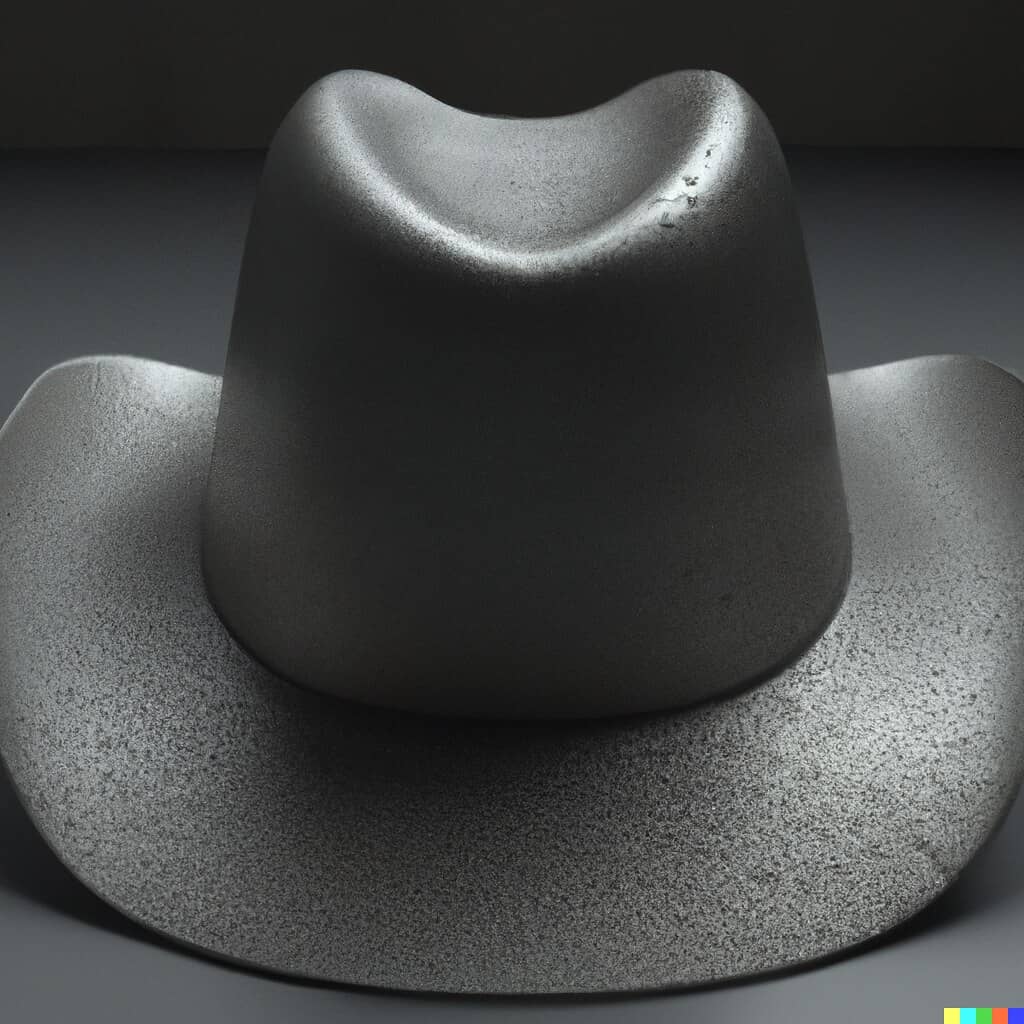
For context, Amazon's entire Echo lineup runs $40 to $240. Apple's HomePod, the priciest mainstream smart speaker on the market, sells for $299. OpenAI's device would land at or above that price — and on paper it does less: no screen, no display of any kind. Bloomberg describes it as donut-shaped, machined from metal, with what sources call 'moving parts,' light enough to move from room to room without feeling like you're relocating a stereo. OpenAI is reportedly positioning it as a physical stand-in for ChatGPT rather than a smart-home hub — something you talk to, not something you tap.
$300–$400
Reported price
Bloomberg, Aug 6 2026
2027
Launch window
earliest, unconfirmed
~$6.5B
OpenAI's io acquisition
May 2025
This is bigger than one speaker
The speaker is step one of a real hardware division, not a side project. OpenAI's design team reportedly includes Evans Hankey, who led industrial design at Apple through several iPhone generations, along with fellow Apple hardware veterans Tang Tan and Scott Cannon, plus Adam Cue on software. LoveFrom, Ive's own independent studio, stays legally separate from OpenAI but supplies the design work. A smart lamp and a pair of AI-powered glasses are reportedly next, not planned before 2028 — which tells you OpenAI is building a hardware family, not chasing a single gadget.
How we got here
May 2025
OpenAI acquires Jony Ive's hardware startup io for roughly $6.5 billion, folding it into a new devices division.
Feb 2026
Early reporting describes a pocket-sized, screen-free speaker with a camera and ambient sensors capable of suggesting actions, like an earlier bedtime ahead of a morning meeting.
Aug 6 2026
Bloomberg reports the first concrete pricing — $300–$400 — along with the donut shape, metal build and moving parts, targeting a 2027 launch.
the coolest piece of technology that the world will have ever seen
Sam Altman, to OpenAI employees
My honest take: the price isn't the risk here
The part nobody's pricing in
OpenAI is also, right now, cutting the price of its own AI models by as much as 80% to stay ahead of cheaper open-weight competitors like the models Nvidia has been shipping in the open. That's the company's actual business right now: intelligence getting cheaper by the month. Selling a $400 box that does one thing sits a little oddly next to that. It's also launching into a legal cloud — Apple has sued OpenAI over trade secrets tied to this exact device, alleging that former Apple staff who moved to io brought proprietary hardware knowledge with them. OpenAI denies it, but a courtroom fight and a hardware supply chain rarely finish on the same schedule. Full pricing details are in TechCrunch's report.
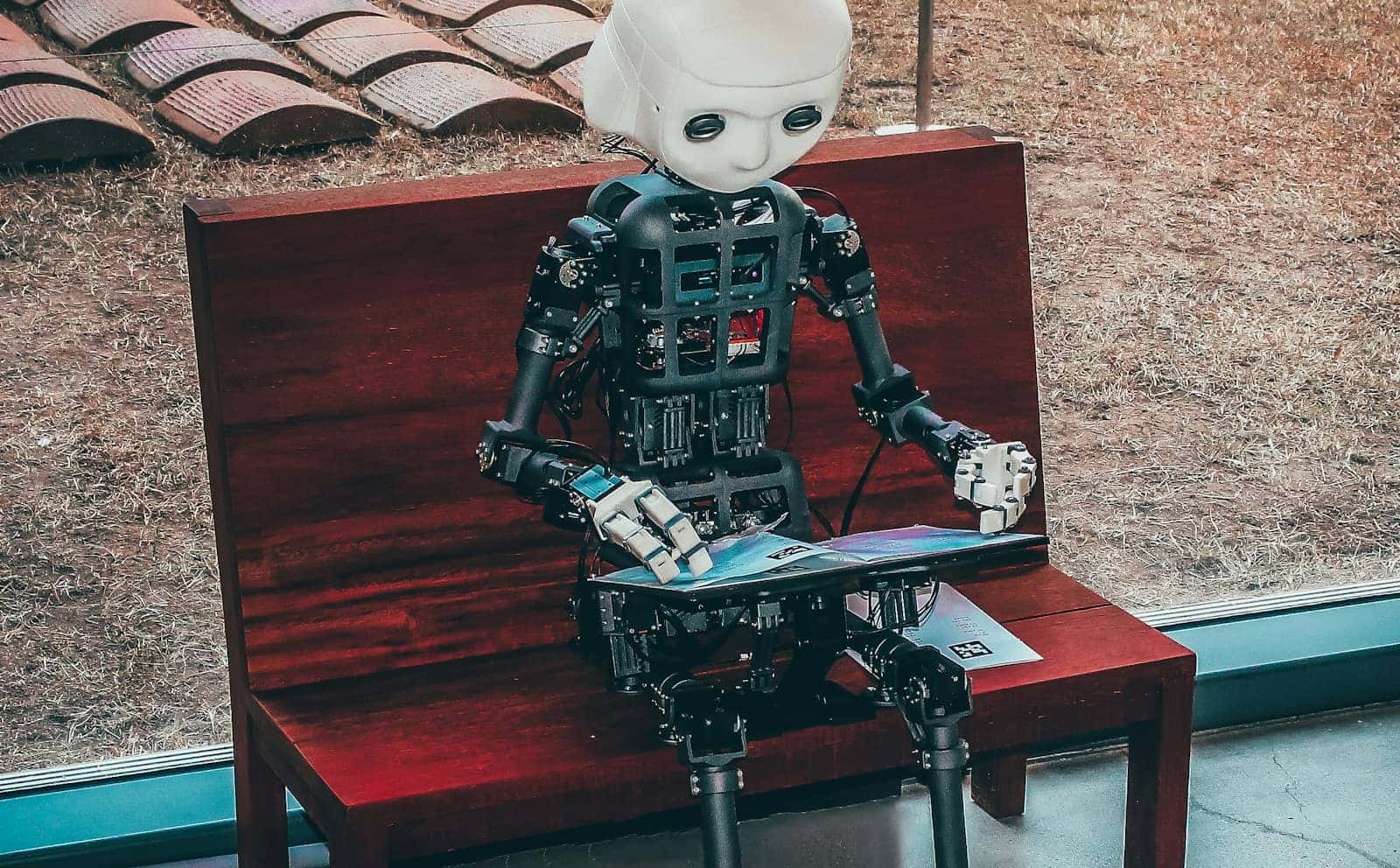
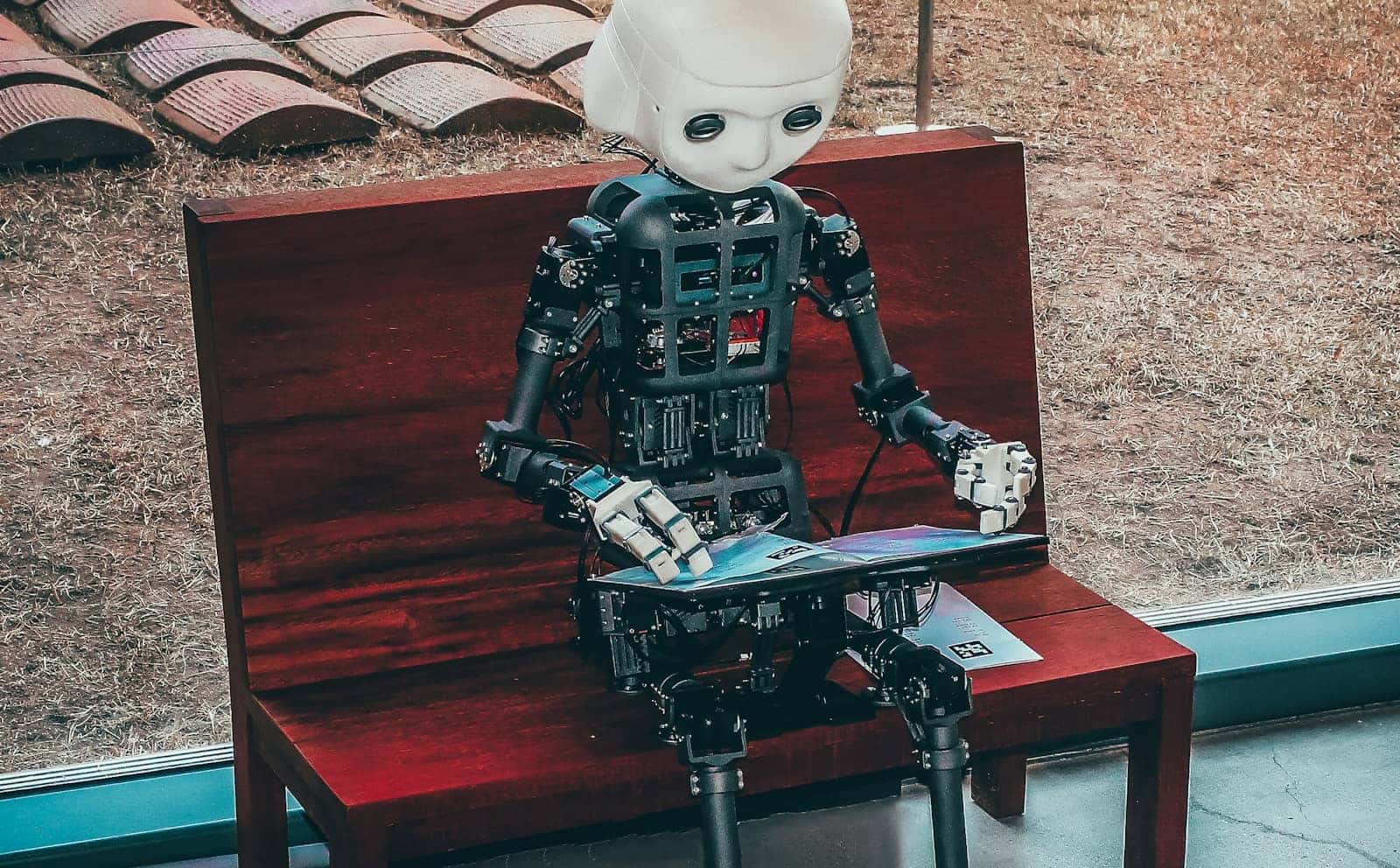
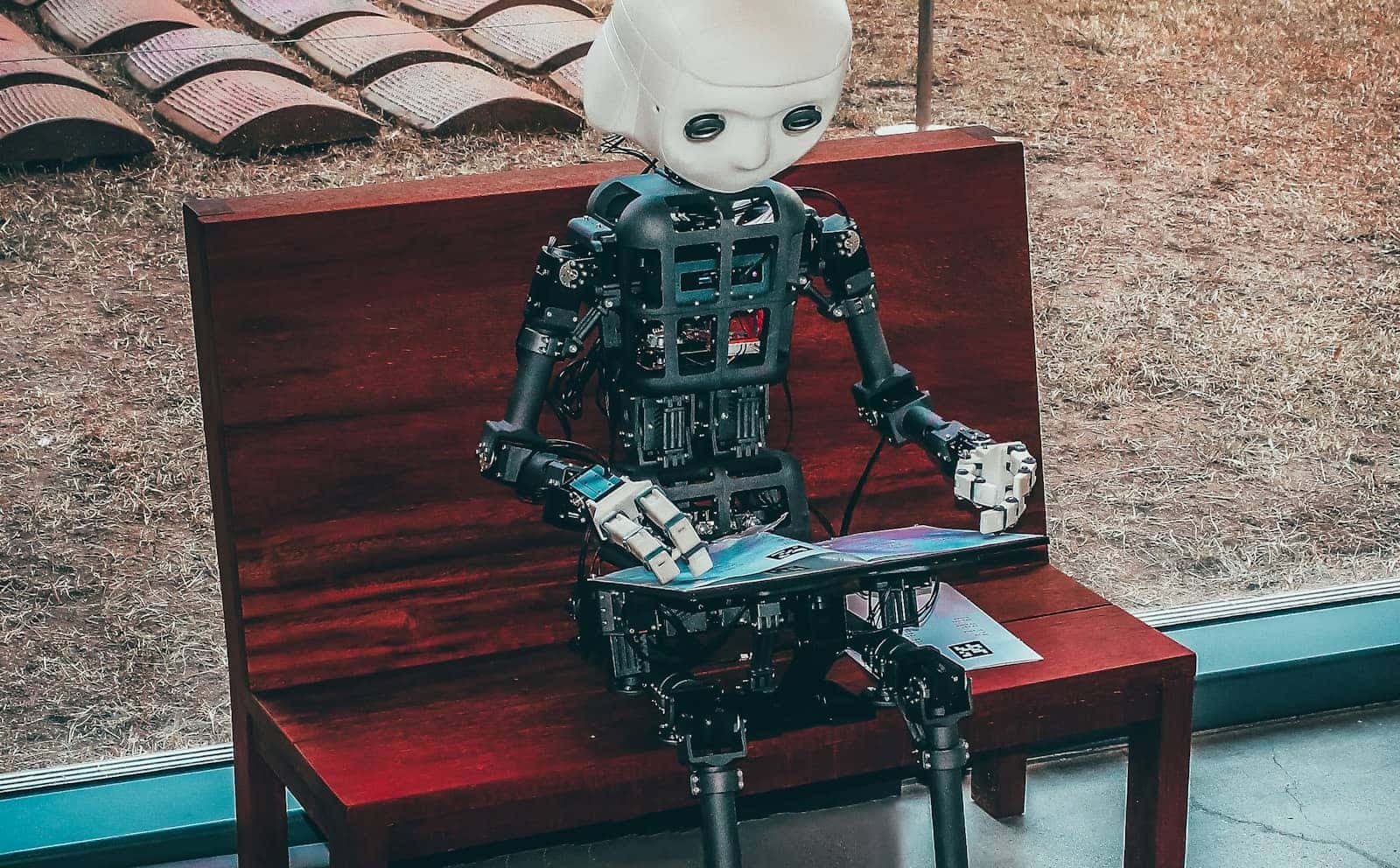
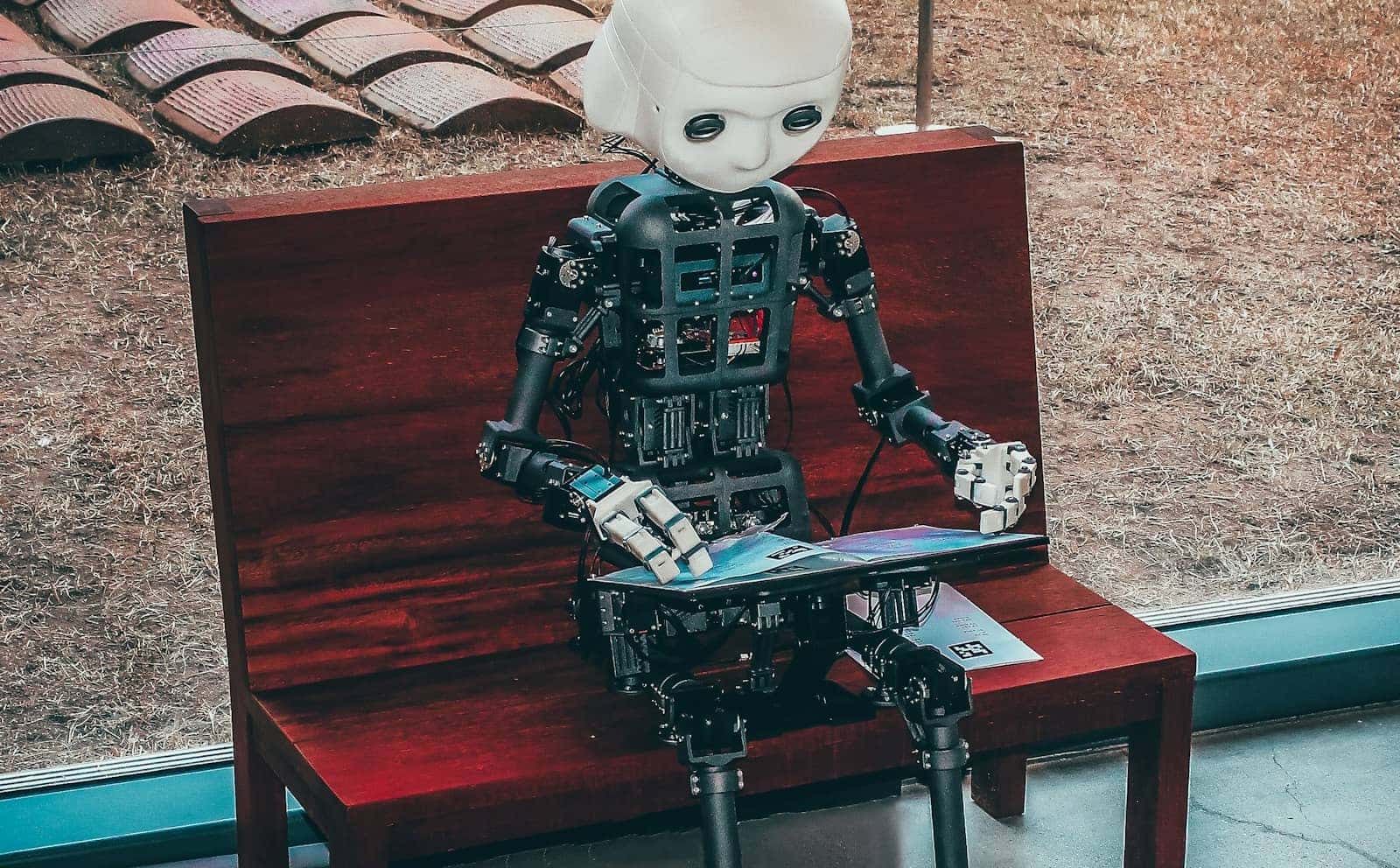
OpenAI hasn't shown its device publicly; this is Apple's HomePod, shown here only for price comparison. · Unsplash
Is OpenAI's speaker officially confirmed, or still a rumor?
Nothing is official from OpenAI. Every detail — the price, the shape, the 2027 timing — comes from Bloomberg's unnamed sources, though Bloomberg has been the accurate line on this project since reporting first began.
What happened to the earlier reports of a built-in camera?
Early 2026 reporting described a camera and ambient sensors. The August pricing report doesn't mention one, so it's unclear whether that feature survived into the current design or was simply not the focus of this particular leak.
How does $400 compare to what's already on the market?
Amazon's Echo lineup runs $40 to $240. Apple's HomePod is $299. OpenAI's device would sit at or above the most expensive smart speaker Apple sells — without a screen.
When can I actually buy one?
2027 at the earliest, per Bloomberg. OpenAI hasn't confirmed a date, and hardware timelines slip constantly — treat 2027 as a floor, not a promise.
Nothing here is official — OpenAI hasn't confirmed a shape, a price, or a release date. But 2027 is close enough that the next leak is probably a spec sheet rather than a rumor. That's the one actually worth watching for.