Riot Games is done building new content for 2XKO. The company confirmed on August 20, 2026 that active development on its free-to-play fighting game ends in December — roughly eleven months after the game left early access and launched properly on PC, PlayStation 5 and Xbox Series X/S in January.
Why a game people liked is still getting cancelled
2XKO wasn't a flop by the usual measures. It landed to genuinely positive reviews, built a real competitive following, and didn't get the pile-on that greets most live-service launches. None of that saved it. Riot's own statement is blunt about the actual problem: "we haven't seen enough players stick with the game to get to a path toward sustainability," the company said, adding that "engagement has stayed relatively flat despite our larger updates." Translation: people who tried it liked it, but not enough of them kept coming back after each content drop to justify what it costs to keep running a live fighting game with ongoing balance patches, netcode maintenance and new characters.
How we got here
January 2026
2XKO launches out of early access on PC, PS5 and Xbox Series X/S.
Aug 20, 2026
Riot disables KO Points purchases and announces active development will end; refund cutoff is set.
Sept 8, 2026
Patch 1.3.1 releases: Lux joins the roster, every champion unlocks for free, a $39.99 Ultimate Bundle launches.
October 2026
Patch 1.3.3 releases: Samira becomes 2XKO's final new champion.
December 2026
Active development ends; Patch 1.3.5 delivers bug fixes only, if needed.
What this actually means if you play it
1
Spent money before August 20? A refund is already processing — PC within two weeks, all PC refunds by November; console refunds route through PlayStation or Xbox.
2
Already own the game? Every champion unlocks for free starting September 8 — no more grinding or buying characters.
3
Want the full roster? Lux arrives September 8, and Samira arrives in October as the last new character ever added.
4
Play offline or locally? Nothing changes — offline modes and tutorials keep working after December.
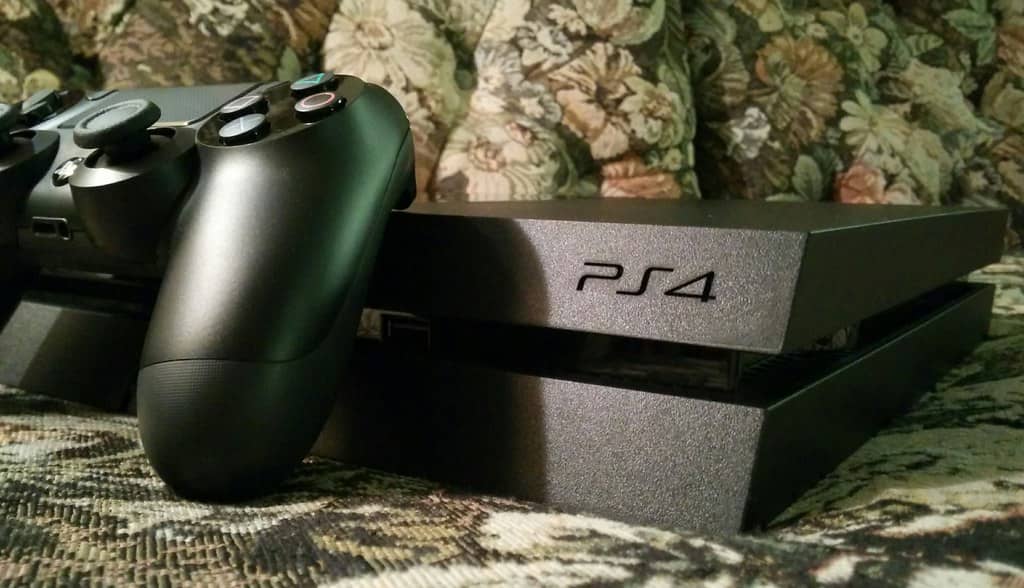
2XKO built a real competitive following after its January launch — Riot says that wasn't enough to make it sustainable to keep operating. · Unsplash
A rough year for fighting games chasing the live-service model
2XKO is the latest reminder that "live-service fighting game" is a much harder business than "live-service shooter." Fighting games have small, intensely loyal cores but a much shallower casual layer than a battle royale or looter-shooter — there's no daily-login loop, no cosmetic economy at the scale of a Fortnite, and balance patches that thrill the competitive scene can just as easily alienate the casual players a free-to-play game needs to stay profitable. It's the same tension running through this year's console market more broadly: see the divide between what's actually selling versus what's critically loved in Xbox's own brutal 2026 platform survey results and the wider PS5-versus-Switch 2 sales shakeup this year.
Is 2XKO shutting down completely?
No — Riot is ending active development (new characters, major content) in December 2026, but servers, online matchmaking and offline play are staying up.
Do players get their money back?
If you bought KO Points or the Starter Edition on or before August 20, 2026, yes. Most PC refunds land within two weeks, with all PC refunds completed by November; console refunds go through PlayStation and Xbox's own refund systems.
How big will the final champion roster be?
Every existing champion gets permanently unlocked for free starting with Patch 1.3.1 on September 8. Lux joins in that same patch, and Samira arrives in October's Patch 1.3.3 as the last new character ever added.
Why end development if the game got good reviews?
Riot said engagement stayed flat despite content updates and that 2XKO "costs us substantially more to operate than it brings in" — a sustainability problem, not a quality one.
Watch October for Samira's launch as the actual send-off patch, and watch whether the competitive scene — the part of 2XKO that was genuinely working — finds a way to keep running tournaments on a game Riot has stopped actively supporting. That's the real test of whether this was a graceful wind-down or just a slower version of the usual live-service ending.