In July 2026, AI stocks fell 40% to 60% from their highs in a straight line — Meta's free cash flow collapsed 91% in a single quarter, and Nvidia's forward price-to-earnings ratio dropped to roughly 21.7 times earnings, its lowest level in a decade. At the exact same time, the price of renting an actual GPU by the hour kept climbing, from around $2 in January to just under $4 by August. A stock crashing and its underlying hardware getting more expensive to use are not supposed to happen together. They just did.
Why a stock crash and a hardware shortage can both be true
Stock prices move on expectations, financing conditions and multiples. A hardware rental price moves on whether someone, right now, needs a GPU badly enough to pay for it. A genuine credit scare swept through bond markets in July, which made investors nervous about how the next wave of AI infrastructure — including arrangements like Nvidia's $500 billion GPU collateral deal — actually gets financed. That fear hit equity prices fast. It didn't touch the queue of companies still paying up for compute cycles, because that queue isn't driven by credit markets, it's driven by whether you can train or serve your model this week.
Decade-low P/E on accelerating fundamentals is a buying signal
$1.5-2.2T planned spend vs $1.3T consensus cash flow looks reckless
Hyperscaler capex
That gap is the point — "we don't have enough compute right now"
Rising prices reflect a bubble chasing its own hype
GPU rental prices
Rising prices reflect real, unmet demand for compute cycles
A genuine credit scare swept bond markets in July
Credit markets
If credit tightens, the compute itself gets scarcer and more valuable, not less
read wins 0wins 3 read
Baker's actual framing is blunt: "a token is a token" — same flops, same memory, same watts, regardless of which AI lab is selling it to you. His argument is that token growth, GPU rental prices and hyperscaler operating cash flow are all accelerating at once, which is not what a genuine bubble popping looks like from the inside.
· Unsplash
My honest take
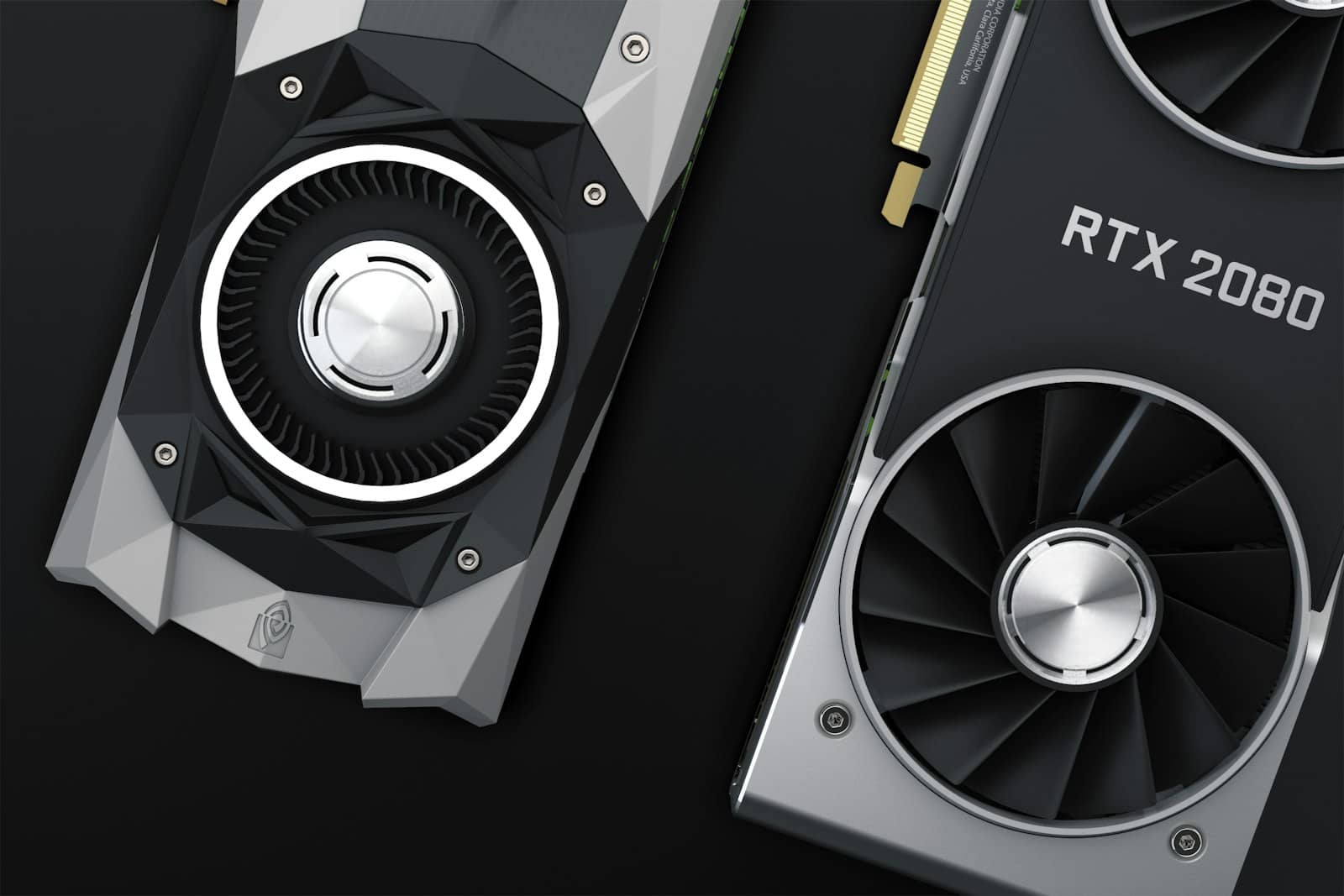
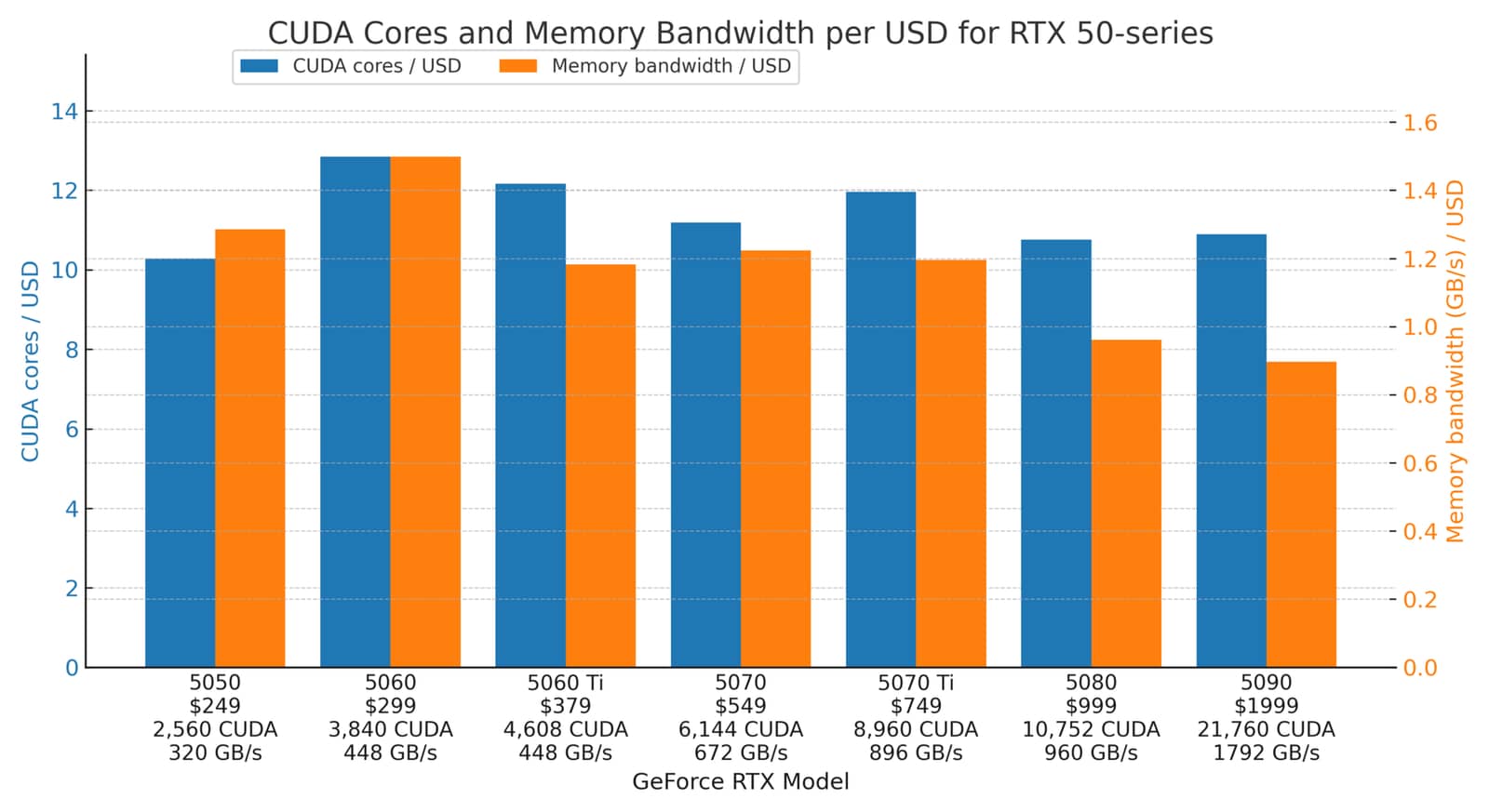
I think Baker and Visser have the mechanism right and the timing genuinely uncertain. A stock can stay mispriced — in either direction — for a lot longer than the underlying fundamentals justify, and "the fundamentals are fine" has been said at the top of plenty of markets that then fell another 30%. What I'd actually watch is the same shortage showing up somewhere much more boring: consumer graphics cards. The DRAM shortage pushing GPU prices up around 30% and RTX 50-series prices spiking 39% around Nvidia's own showcase are the retail-shelf version of the exact same memory and fab capacity crunch driving data-center rental prices up. If I had to bet, I'd rather own the compute than the stock right now — but that's a preference, not a prediction anyone should trade on.
40-60%
AI sector drop, July 2026
From July highs
~21.7x
Nvidia forward P/E
Decade low
$2 → $4/hr
GPU rental price
Over 7 months
$1.7T
Hyperscaler backlog
Amazon + Google + Microsoft combined
Why did AI stocks crash if GPU demand is still strong?
Stock prices move on expectations, credit conditions and multiples, not just present-day demand. A credit scare in bond markets in July 2026 made investors nervous about how AI infrastructure spending gets financed, even though actual usage — what people pay to rent a GPU by the hour — kept climbing.
What is Nvidia's forward P/E and why does it matter?
It's the stock price divided by expected future earnings. At roughly 21.7x, Nvidia is priced in line with the average S&P 500 company for the first time in years despite still growing much faster, which is exactly why investors like Gavin Baker at Atreides Management call it undervalued rather than risky.
Is the AI bubble over?
Genuinely unresolved. Jordi Visser thinks the sell-off already found its bottom, pointing to a $1.7 trillion cloud backlog as evidence real demand hasn't gone anywhere. Others see the same backlog as unconverted promises, not cash. Nobody has a confirmed answer in August 2026 — anyone who tells you otherwise is guessing.
Does this affect GPU prices for gamers and local-AI builders?
Indirectly, yes. Rising data-center rental prices reflect the same DRAM, HBM and fab-capacity crunch that's been pushing consumer GPU prices up around 30% this year. It's one shortage showing up in two different markets.
Skip the daily ticker and watch two things instead: Nvidia's next earnings call for whether hyperscaler capex guidance actually holds, and credit spreads on AI-backed data-center debt. If those spreads widen further, the "credit scare" stops being a July headline and starts being the actual story.