MSI just told investors gaming hardware prices are rising 15 to 30% this year, and the actual culprit is a DRAM shortage AI datacenters are causing, not GPU chips themselves.
MSI just told investors 2026 is 'the most severe year since the company was founded,' and it's raising gaming hardware prices 15% to 30% because of it. The cause isn't a GPU chip shortage — it's memory. A 16GB DRAM module that cost roughly $40 a year ago now runs $170 to $180, with some spot transactions hitting $200, because Samsung, SK Hynix and Micron are pouring capacity into AI datacenter memory instead of the memory your graphics card needs.
This was never really about the GPU chip
Memory now makes up a large share of a graphics card's total bill of materials, and only three companies on earth make it: Samsung, SK Hynix and Micron. All three are pouring fab capacity into HBM3E for AI accelerators instead of the GDDR6/GDDR7 and conventional DRAM that consumer GPUs need — Samsung and SK Hynix reportedly planned HBM3E price hikes of nearly 20% for 2026 on top of that. HBM sold to a datacenter buyer by the rack is simply more profitable per wafer than gaming memory sold one module at a time, and that math doesn't change no matter how much new fab capacity comes online in the near term.
+~80% QoQ
DRAM contract price, Q1 2026
$40 → $170–180
16GB module, then vs. now
~3x since 2025
GDDR6 spot price
+10% (Jul 2026)
AMD Radeon memory kit hike
2nd increase in ~6 months
Who's actually raising prices
MSI's own hardware is going up 15% to 30% across 2026, per its statement to investors — its steepest increase in company history. AMD confirmed its own Radeon memory kit price rise of about 10% effective July 2026, the second such increase in roughly six months. Both moves trace back to the same upstream cause: neither company controls the memory supply, they're just the ones passing the cost on.
Price hikes so far in 2026
MSI gaming hardwareup to 30%
steepest since MSI's founding, per company statement
DRAM contract price, Q1+~80% QoQ
AMD Radeon memory kits+10% (Jul 2026)
Buy now, or wait?
Verdict
Should you buy a GPU right now?
If you actually need one — your card died, you're building this month — buy now. Every signal points to prices climbing further before they fall, and 'wait for a sale' isn't a strategy when the trend only moves one direction. If you can stretch your current card another 6-12 months, do it: analysts don't expect real relief until late 2027 or 2028, so waiting for 'the shortage to end' before buying is waiting for a bus that's running years late.
Best for: Budget and mid-range GPU buyers deciding whether to buy now or hold off through 2026
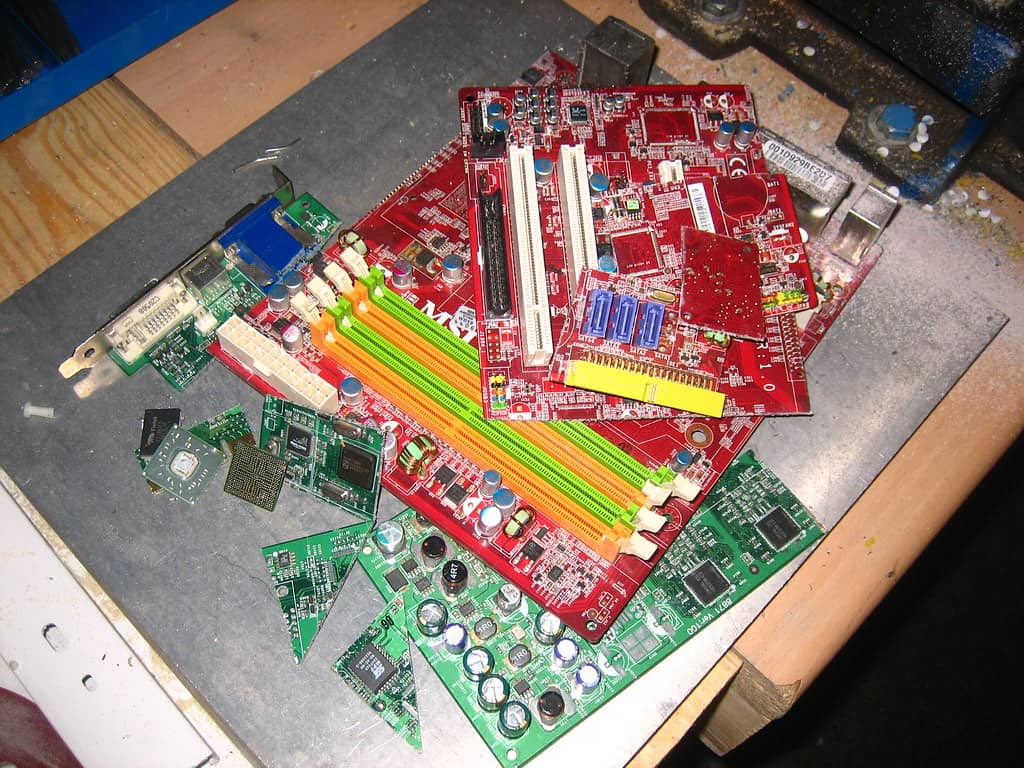
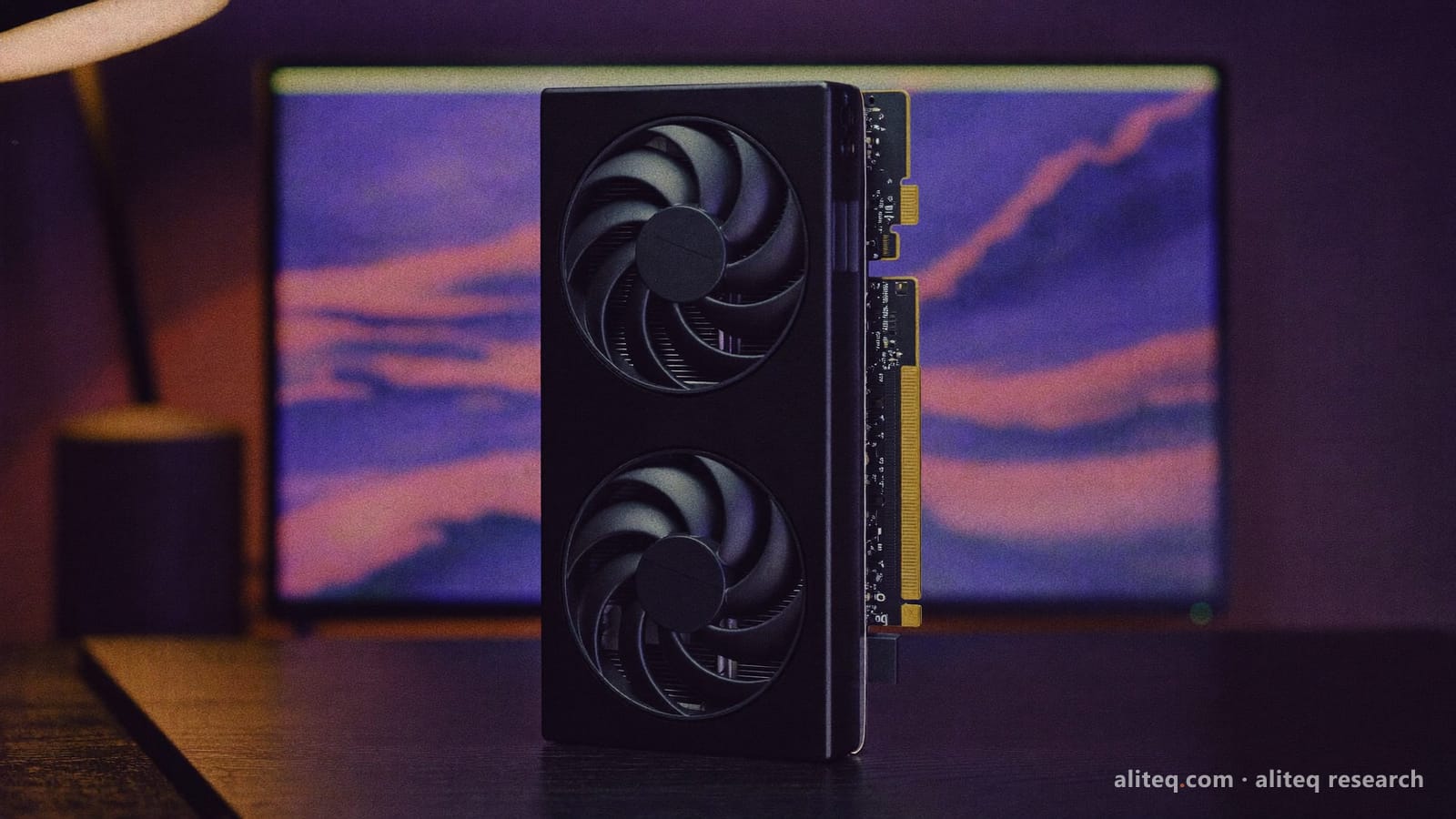
The chip on the far right of most GPU boards, not the GPU die in the center, is what's actually running short. · Unsplash
Why is memory the problem instead of the GPU chip itself?
Samsung, SK Hynix and Micron are the only three companies making the DRAM and GDDR memory GPUs need, and all three are prioritizing HBM3E for AI datacenter accelerators because it's far more profitable per wafer than consumer memory.
How much have prices actually gone up?
MSI says its gaming hardware is rising 15-30% across 2026. A 16GB memory module that cost about $40 a year ago is now $170-180, and GDDR6 spot prices have roughly tripled since 2025.
When will prices come back down?
Analysts at multiple research firms don't expect new memory fabrication capacity to reach volume production until late 2027, possibly 2028.
Is this affecting AMD and Nvidia equally?
Both are exposed, since the shortage sits upstream of either company's own chips — though AMD confirmed its own Radeon memory kit price increase in July 2026, its second in about six months.
Nothing about this resolves next quarter. If you're buying, buy for the card you actually need, not the discount you're hoping shows up — on the current trend, that discount is further away than it was six months ago.