six of the biggest names in finance just agreed to lend against Nvidia's GPUs. Nvidia is personally covering the loss if those chips turn out to be worth less than expected.
Nvidia just signed paperwork with six of the largest pools of capital on the planet — Apollo, BlackRock, Blackstone, Brookfield, Goldman Sachs and KKR — aimed at mobilizing more than $500 billion for AI data center construction. The part that should make you sit up: Nvidia's own GPUs are the collateral backing that money, and Nvidia is personally guaranteeing they won't lose too much value. If a lender forecloses on a data center loan in two or three years and the chips inside are worth less than projected, Nvidia has agreed to cover up to 25% of that shortfall out of its own balance sheet.
Here's the mechanism in plain terms. A hyperscaler or a neocloud wants to build a data center full of Nvidia GPUs but doesn't want to pay cash upfront. Instead of a bank simply lending against the borrower's credit, the loan gets structured through a special-purpose entity, with the GPUs themselves pledged as the asset backing the debt — the same way a car loan is secured by the car. The problem with GPUs as collateral has always been that they age badly: a chip that's state-of-the-art today is a used part in three years, and nobody has a reliable resale market to price that decline against. Nvidia's guarantee is designed to solve exactly that pricing problem, by putting its own money behind the assumption that the chips will hold their value.
The Lucent Technologies playbook, again
Investors with long memories keep bringing up Lucent Technologies. In the late 1990s, Lucent extended vendor financing to telecom customers so they'd keep buying its networking equipment — until the dot-com bust hit, those customers went under, and Lucent got stuck holding a mountain of bad loans backed by gear nobody wanted anymore. The structural resemblance here isn't subtle: Nvidia is, in effect, helping finance the purchase of its own product, and its guarantee obligations get bigger at precisely the moment its GPU sales would be shrinking — what analysts call 'wrong-way risk.' If AI infrastructure demand cools, Nvidia loses on two fronts at once: fewer chips sold, and bigger payouts owed on the collateral guarantee.
It's worth separating hype from mechanics here, because the $500 billion headline is doing a lot of work it hasn't earned yet. These are memoranda of understanding — statements of intent, not signed checks. Each of the six firms will independently underwrite and deploy capital through its own platform on its own timeline, and the actual bond and private-credit deals are expected to reach market over the coming months, not all at once. Nvidia's role is closer to a matchmaker with skin in the game than a lender itself: it's connecting its customer base to institutional money and then backstopping part of the risk to make that money comfortable showing up.
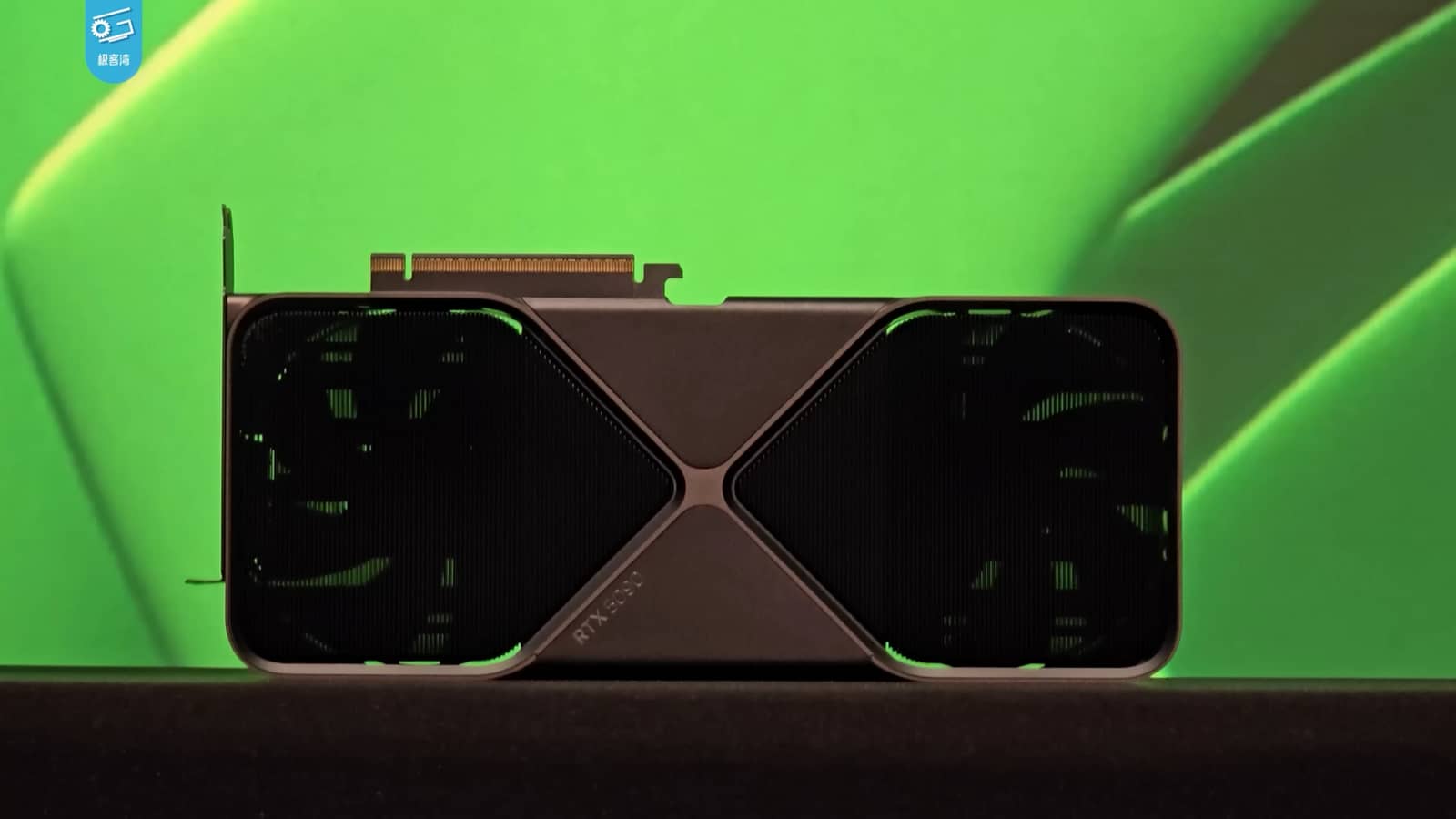
The financing structure exists to fund exactly this — GPU-packed data centers built faster than hyperscalers can pay for outright. · Unsplash
What could actually go wrong
Huawei's AI chip revenue is projected to hit roughly $12 billion in 2026, up 60% year over year — cheaper Chinese silicon flooding secondary markets could drag down exactly the resale values Nvidia is guaranteeing.
Industry estimates already put first-year GPU depreciation at 30–40%, before accounting for any demand shock — a thin buffer against Nvidia's 25% guarantee.
Credit rating agencies haven't agreed on a standard for grading this kind of GPU-backed debt, which is holding up some of the bond issuances.
If AI infrastructure spending genuinely slows — not collapses, just slows — Nvidia's guarantee payouts rise at the same time its chip revenue falls.
No. Nvidia signed non-binding agreements connecting six financial firms to its customer base; those firms deploy their own capital through their own platforms. Nvidia's direct financial exposure is the 25% collateral-value guarantee, not the full loan amount.
Does this make consumer GPU prices go up?
Not directly — this financing covers data-center-scale AI infrastructure, not the retail GPU market. But it signals how much capital is chasing AI compute, which keeps upward pressure on the wafer and memory supply that consumer cards compete for too.
What happens if AI demand slows down?
Nvidia's guarantee payouts would rise right as its GPU sales fell — the 'wrong-way risk' analysts are flagging. It wouldn't be an immediate crisis, since the $500 billion isn't committed capital yet, but it would make future rounds of this kind of financing much harder to close.
Has any of the $500 billion actually been deployed?
No. As of this deal's signing on August 10, 2026, these are memoranda of understanding. Actual bond and private-credit deals are expected to close over the following months.
What to actually watch from here: whether the six firms convert these MOUs into signed, priced deals in the next few months, whether ratings agencies settle on a standard for GPU-backed debt at all, and whether Huawei's cheaper chips actually move the needle on secondary-market GPU prices the way China-hawks are predicting. If you're weighing whether to buy a GPU before prices climb further, this deal isn't the reason to panic-buy — but it's a solid signal that Nvidia itself doesn't see the current pricing environment cooling off anytime soon.