Get excited about the breakthrough, stay skeptical about the timeline. A running shortlist of future tech that actually matters — batteries, EV design, local-AI hardware — with the hype filtered out.
I have a rule for emerging tech: get excited about the breakthrough, stay skeptical about the timeline. Almost every genuinely exciting technology arrives wrapped in a number that turns out to be a lab-slide dream — the battery that goes 2,000 km, the bike that ships 'next year,' the chip that changes everything. The tech underneath is often real and worth understanding; the hype bolted onto it usually isn't. So this is my running shortlist of future tech that's actually worth watching in 2026 — with the honest read on each, minus the breathless press-release energy.
Emerging tech worth watching — with the hype filtered out. Illustration by Aliteq. · Illustration by Aliteq / generated with Higgsfield
Energy: the battery leap (and the range hype)
The most consequential future tech is also the least flashy: batteries. Solid-state and semi-solid cells are pushing energy density from today's ~250–300 Wh/kg toward 400–500, which means EVs (and phones, and drones) that go further, weigh less, charge faster and catch fire less. That's a genuine, roughly-2x leap — and it's exactly why you keep seeing headlines promising 2,000 km of range. The catch: real production targets are more like 1,000–1,200 km, and as of 2026 nobody has shipped an all-solid cell in a customer car despite billions invested. The full honest breakdown: the '2,000 km battery', honestly.
Transport: designs the drivetrain unlocks
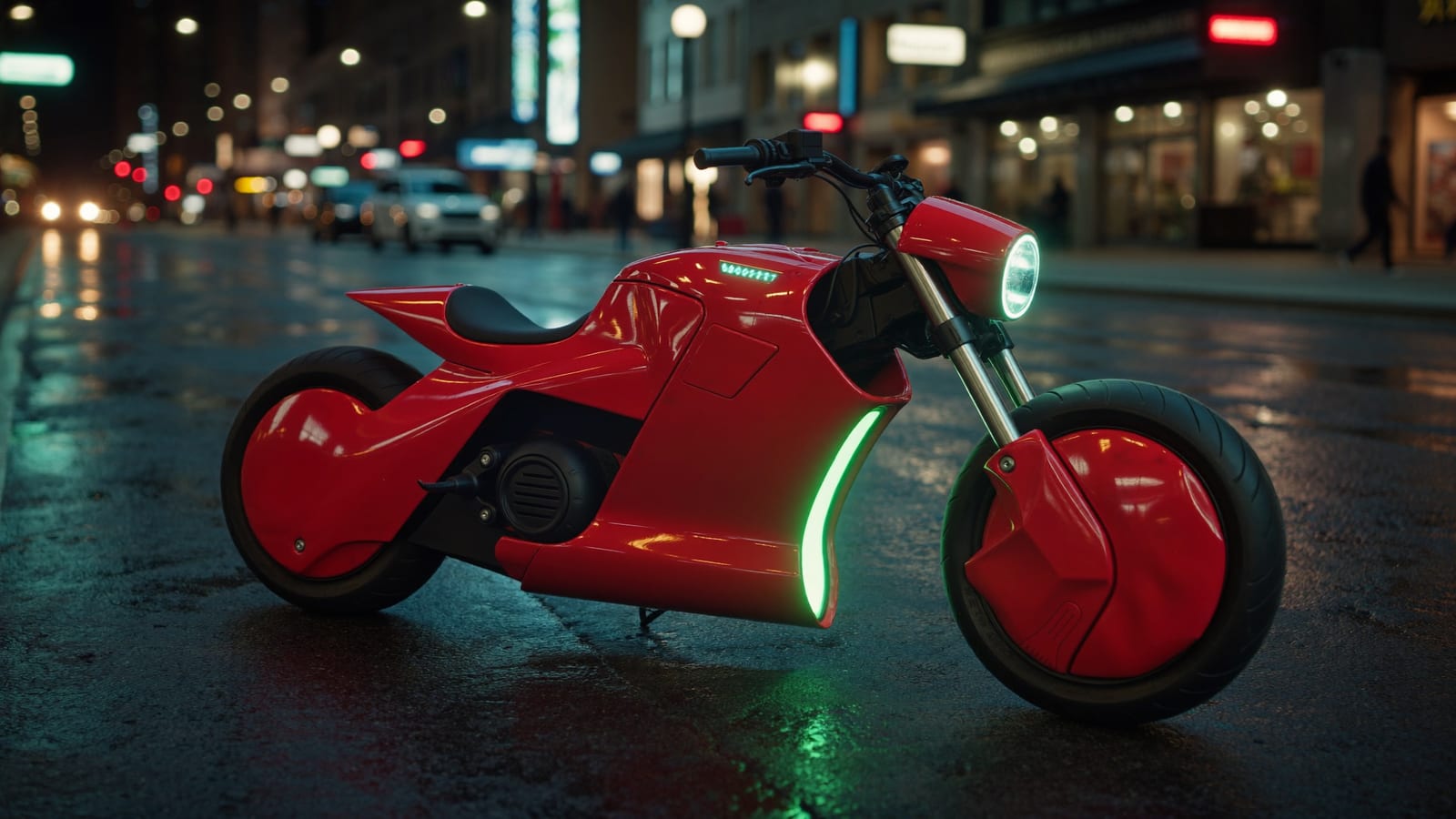
Here's a fun second-order effect of the EV shift: electric drivetrains don't just change how vehicles are powered, they change what shapes are possible. No engine block, no exhaust, no gearbox hump means designers can finally build silhouettes that were pure fantasy in the combustion era — including a genuinely rideable, manga-inspired electric motorcycle that channels a certain iconic 1988 anime bike. Real product, real specs, honest concept-vs-production caveats: the manga-inspired electric motorcycle becoming real.
Compute: AI moves onto your desk
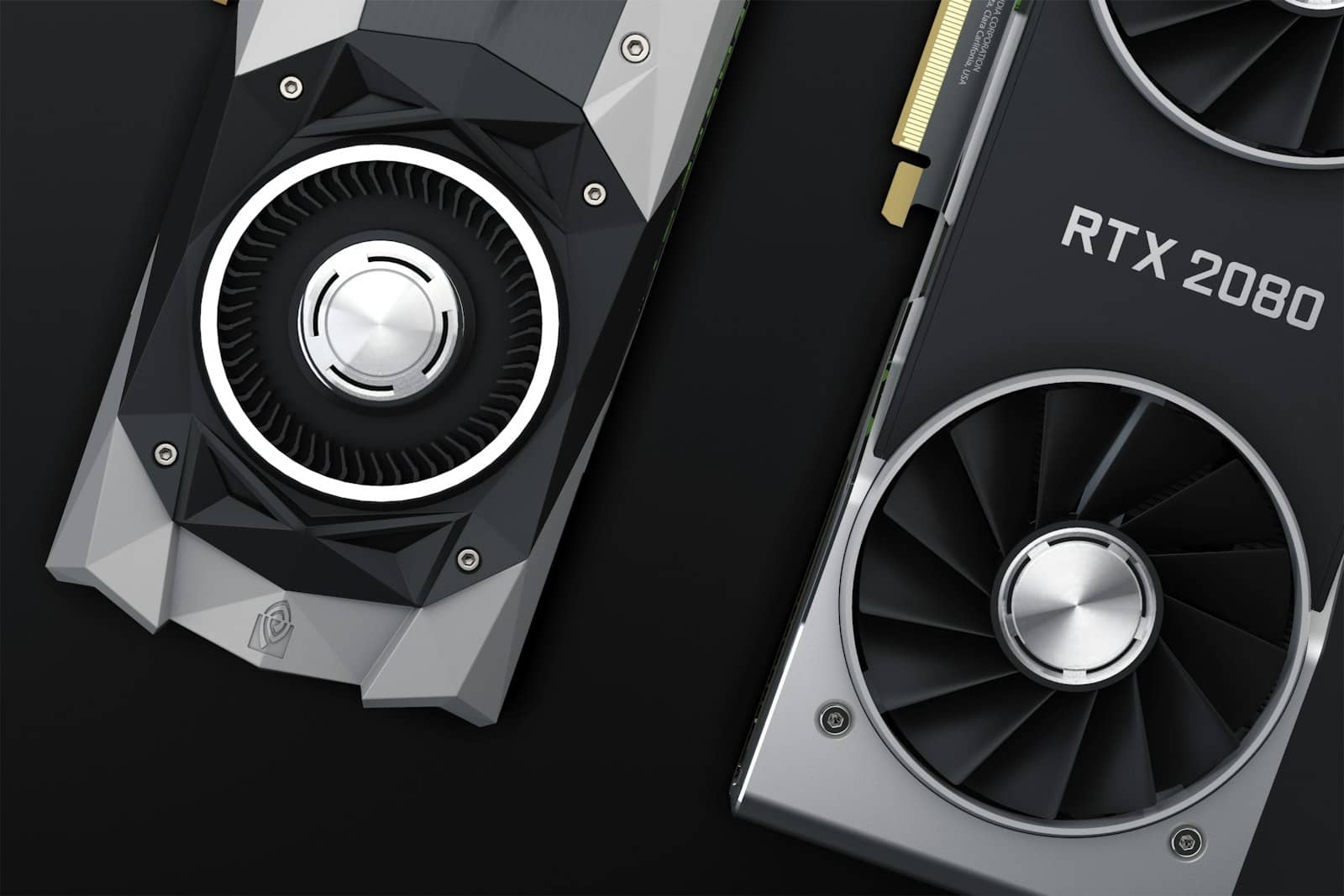
The emerging-tech story people overhype the most is AI — but the genuinely interesting 2026 shift isn't another chatbot, it's hardware. Small, efficient machines with huge unified memory now run models that recently needed a data center, right on your desk. If you want the version of AI progress you can actually hold, that's it: the best mini-PC for local AI. Same rule applies — real capability, but read the benchmark claims with a raised eyebrow.
Quick answers
What emerging tech is actually worth paying attention to in 2026?
The unflashy, foundational ones: next-gen batteries (solid-state/semi-solid roughly doubling energy density), electric drivetrains unlocking new vehicle designs, and local-AI hardware putting big models on personal machines. These are real and measurable — unlike many of the miracle numbers attached to them.
Why are so many tech breakthroughs 'always a few years away'?
Because a working lab demo and a shippable, affordable, durable product are very different things — the leap from one to the other routinely adds years. Solid-state batteries are the classic example: the science keeps hitting milestones while customer-car deployment keeps slipping. Watch for shipping products, not slides.
Should I wait for the next big thing before buying?
Usually no — 'the next big thing' is perpetually next. If a current product does what you need, the promised future one is often years away and premium-priced at first. Follow emerging tech for understanding; buy on what actually ships.