A book-sized box with 128GB of unified memory can run models no single consumer GPU can hold. The honest hub for the whole category — Strix Halo, Mac Studio and DGX Spark — and when a GPU still wins.
For years the rule for running big AI models at home was simple and expensive: buy the most VRAM you can, then buy more. Then a class of small, quiet boxes quietly broke that rule. A mini-PC with a big pool of unified memory can load models that no single consumer graphics card can hold — a 70B or even a 120B model, running in something the size of a hardback book, sipping power. I've spent a lot of this year pointing people toward these machines, and also talking a few of them out of it, because unified memory is a genuine trade, not a free win. This is the honest hub for the whole category: what it is, the three families worth knowing, and how to choose — or when to stick with a GPU.
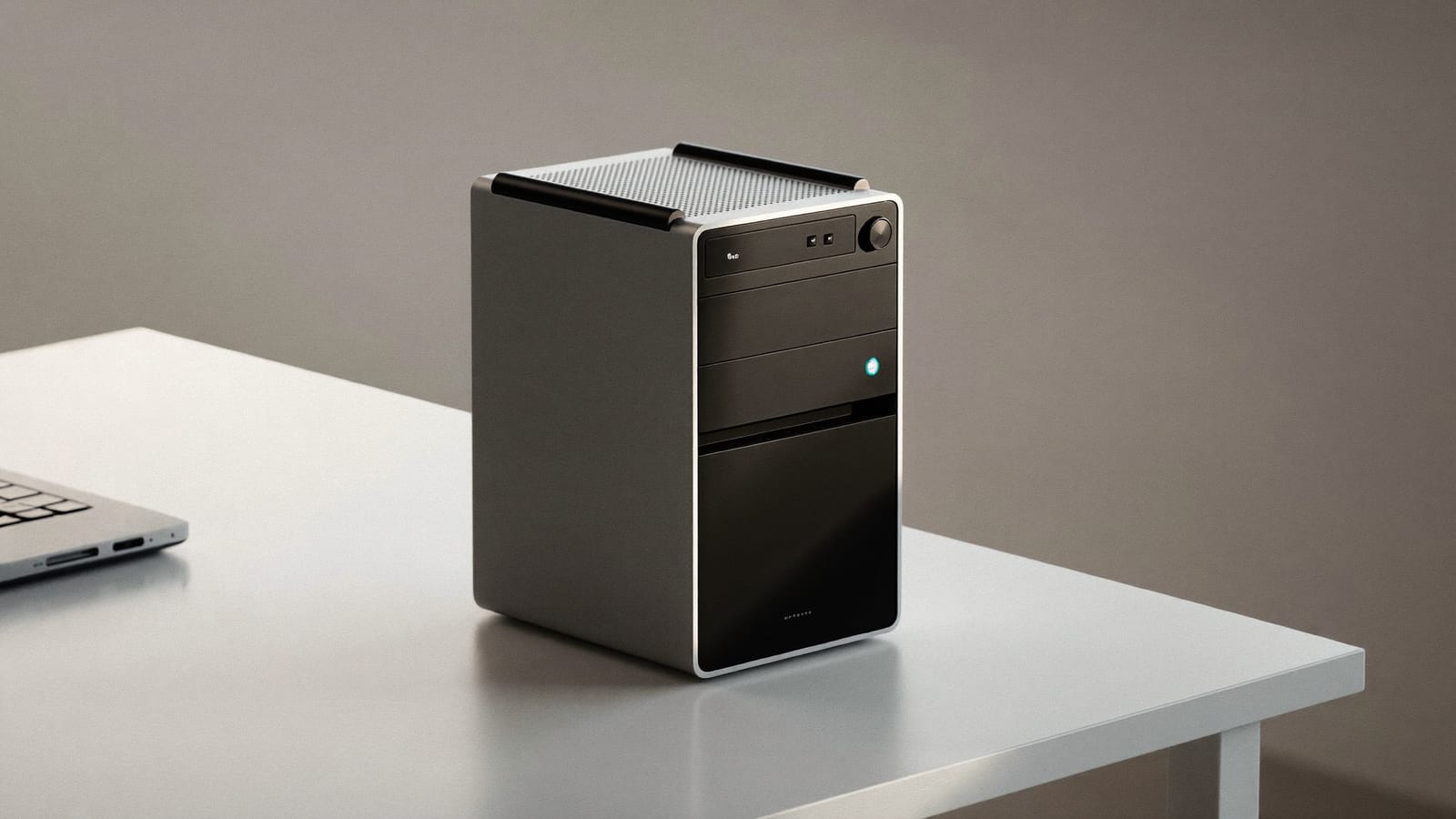
Unified memory's superpower is capacity: it holds models no single consumer GPU can. Illustration by Aliteq. · Illustration by Aliteq / generated with Higgsfield
What 'unified memory' actually means (and the catch)
On a normal PC, a model has to fit in your GPU's VRAM — a small, blisteringly fast, separate block. A 24GB card holds a 24GB-ish model and no more, full stop. Unified-memory machines instead give the CPU and GPU one large shared pool of memory. That pool is much bigger (96GB, 128GB, even 512GB) but slower than a top GPU's VRAM. So the trade is stark and worth saying plainly: you gain the ability to hold enormous models, and you give up peak token speed. For a model that fits in a GPU's VRAM, the GPU is faster. For a model that doesn't fit at all, the mini-PC runs it and the GPU simply can't. That's the whole decision in one sentence.
Two things make the trade more favourable than it sounds. First, many of the best local models are now mixture-of-experts (like Llama 4 Scout), which activate only a fraction of their parameters per token — so even on slower memory they stay usably quick while needing the capacity these boxes provide. Second, these machines are tiny and power-efficient, which matters if a model is running for hours.
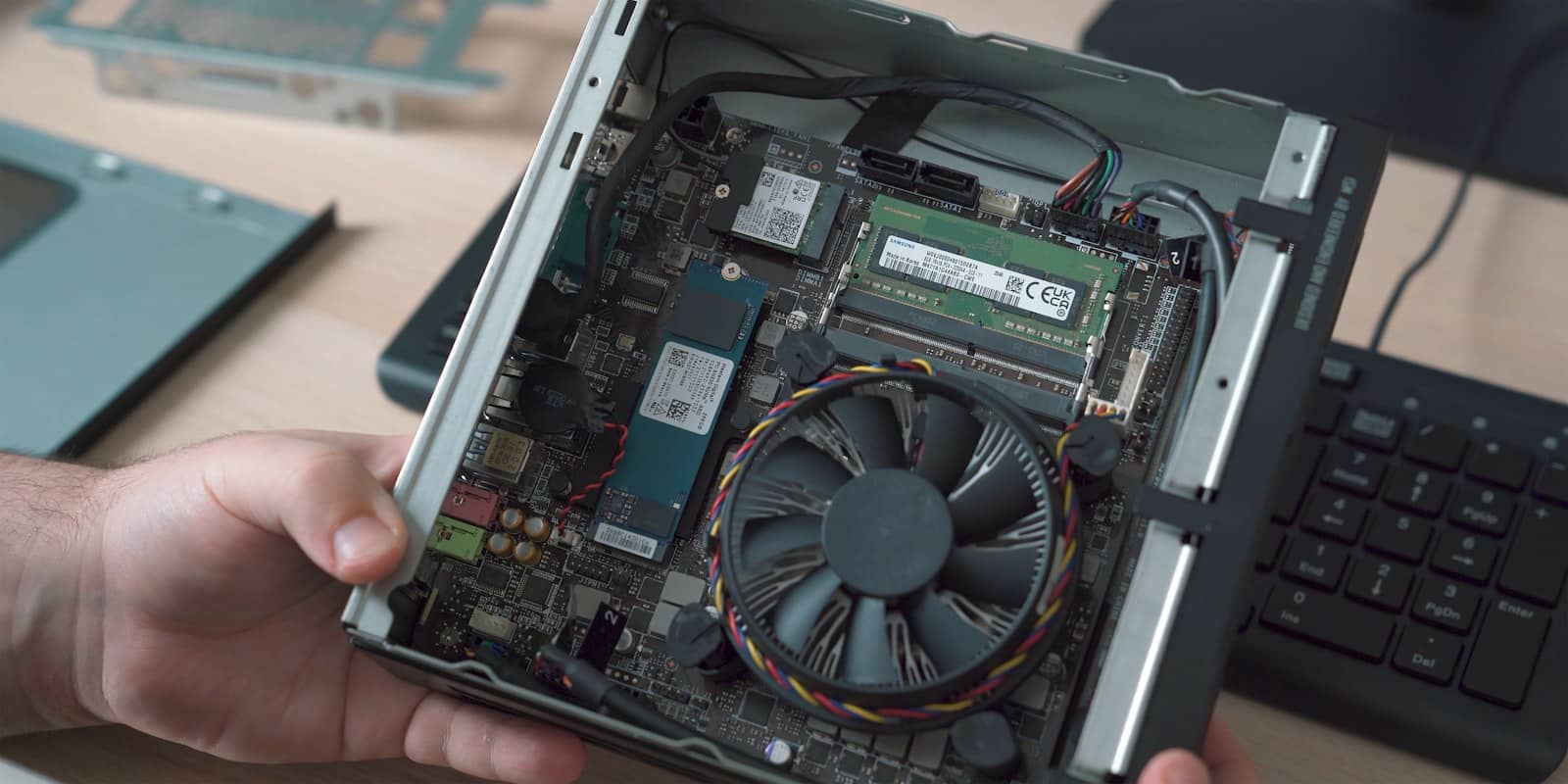
A book-sized Strix Halo mini-PC can hold a 120B model — the whole appeal is capacity in a tiny, quiet box. · Aliteq
Apple's Mac Studio scales unified memory higher than anything else — the top configuration reaches 512GB, more AI memory than boxes costing far more — with superb efficiency, at a premium price. See Mac Studio vs the Strix Halo class and Mac Studio vs a $13,000 NVIDIA workstation. NVIDIA's DGX Spark brings the native CUDA stack, which some workflows genuinely need — but at roughly 2.4× a Strix Halo's price for a slim token-speed lead, it's a software-ecosystem buy, not a value one: DGX Spark vs Strix Halo and is the DGX Spark worth it.
Which should you buy?
Most people wanting big models cheaply: a Strix Halo (Ryzen AI Max+ 395) mini-PC. Best capacity-per-dollar, tiny, quiet, ~$1,999.
You need the very largest models or maximum memory: a Mac Studio, configured with as much unified memory as your budget allows.
Your toolchain is CUDA-locked: a DGX Spark — but go in knowing you're paying a big premium for the ecosystem, not for speed.
Your models fit in 24–32GB and you want speed: don't buy a mini-PC at all — get a discrete GPU. Capacity you don't need isn't worth slower tokens.
Verdict
For running big local models in a small, quiet, affordable box, a Ryzen AI Max+ 395 ("Strix Halo") mini-PC is the pick — it holds models a $2,000 graphics card can't, for around $1,999. Step up to a Mac Studio if you need the most memory on the market, and only choose a DGX Spark if you specifically need the CUDA stack. Just remember the trade you're making: capacity over raw speed.
Quick answers
What's the best mini-PC for local AI in 2026?
An AMD Strix Halo (Ryzen AI Max+ 395) mini-PC for most people — ~128GB of unified memory in a ~$1,999 box lets it run 30B–120B models a single consumer GPU can't hold. Step up to a Mac Studio for the most memory, or a DGX Spark only if you need native CUDA.
Is unified memory better than a GPU for local AI?
Only for capacity. A unified-memory box holds far bigger models than a consumer GPU, but it's slower per token than a GPU on models that fit both. If your model fits a GPU's VRAM and you want speed, buy the GPU; if it doesn't fit at all, the mini-PC is your only option.
How much memory do these have?
Strix Halo and DGX Spark are around 128GB of unified memory; a Mac Studio scales far higher, up to 512GB on the top configuration. On the AMD boxes, a large portion of that pool is allocatable as AI memory — see the Strix Halo VRAM breakdown for exactly how much.
Why is the DGX Spark so much more expensive?
You're paying for NVIDIA's native CUDA ecosystem, which some AI workflows depend on. On raw local-inference value it's poor — roughly 2.4× a Strix Halo's price for a slim token-speed lead — so it only makes sense if your software specifically needs CUDA.