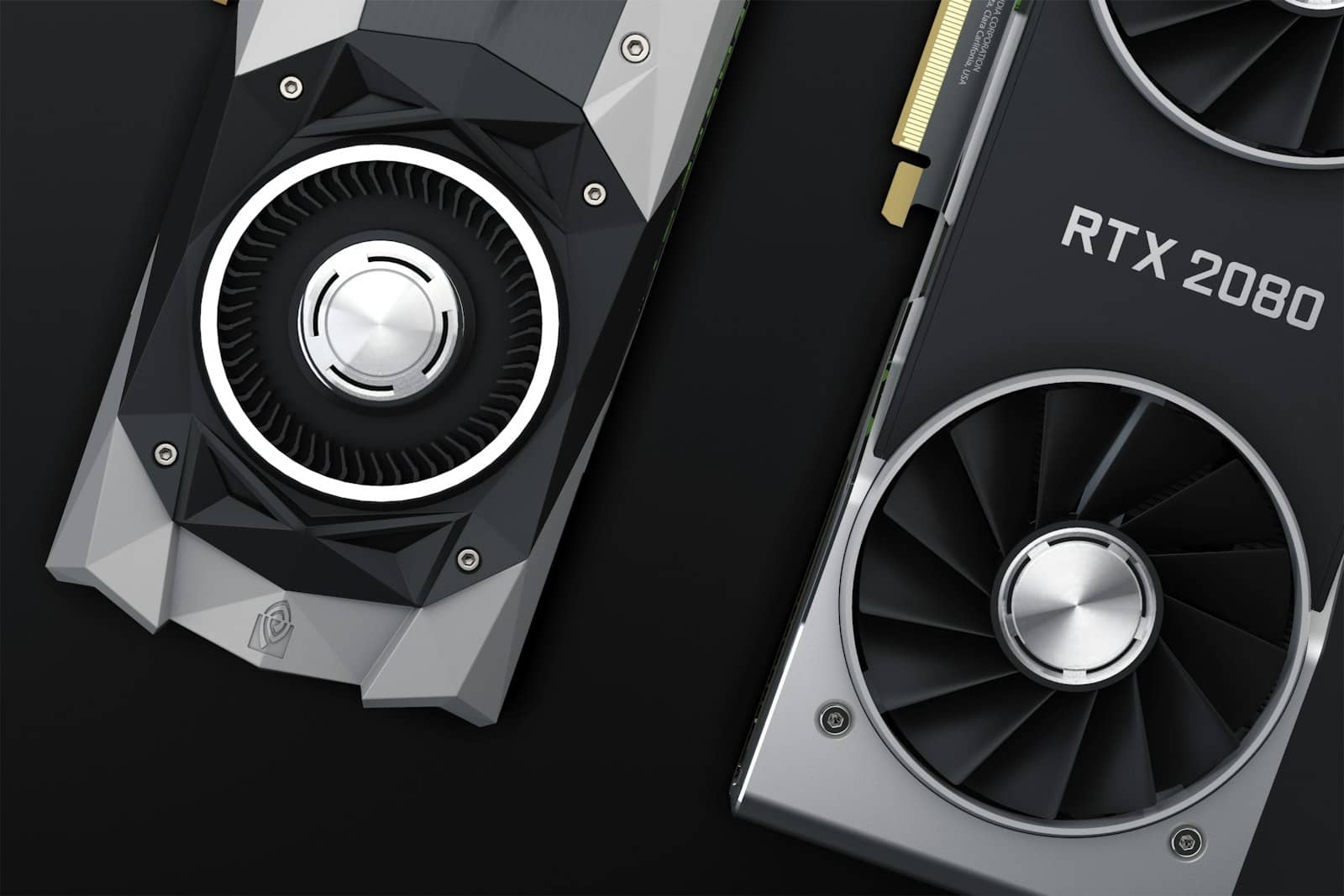
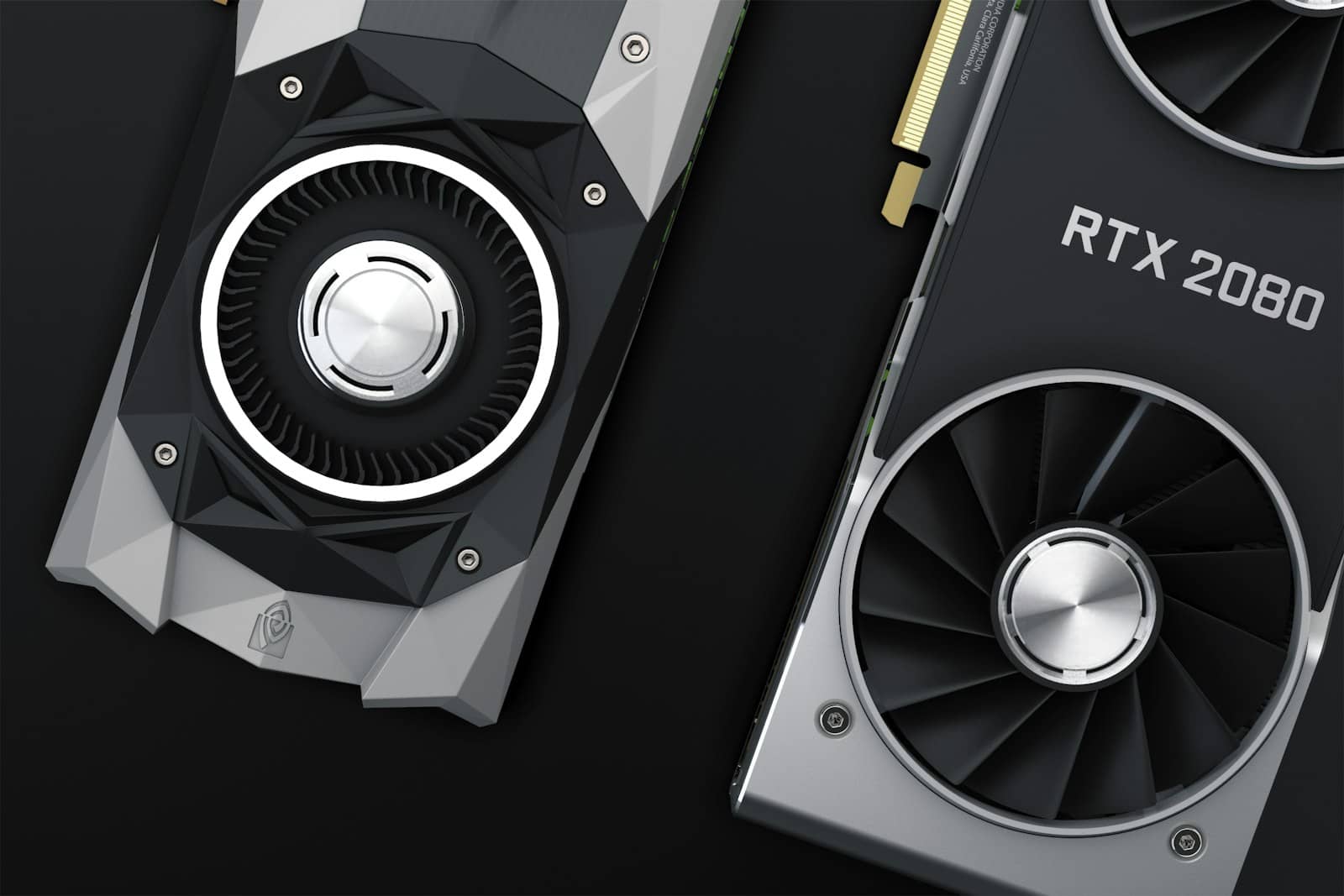
Nvidia's graphics cards just got more expensive again. South Korean retailers started marking up the entire RTX 50 lineup by as much as 30% in the first days of August, pushing the RTX 5090 past $5,100 — up roughly $1,045 from its own mid-July price, according to Tom's Hardware. Separately, Chinese retail projections reported by Notebookcheck have the RTX 5070 crossing $1,000 — nearly double its $549 launch price. Everyone's repeating the RTX 5090 number because it's the biggest one on the page. It isn't the number that should change your buying decision. For local AI, the number that matters is dollars per gigabyte of VRAM, because VRAM — not raw compute — decides whether a model fits on your card at all. I ran that math against Nvidia's full current lineup, and it flips a few assumptions about which card in the stack is actually the worse deal.
why nvidia's cards keep getting more expensive
None of this is Nvidia deciding to gouge people out of nowhere. Whether you should buy a GPU before the next hike has covered the timing question already — this time the cause is upstream, in the supply chain that builds the card. TSMC has been raising wafer prices across its portfolio, and that increase isn't limited to its newest 3nm process — it's hitting the older 7nm nodes that make most of Nvidia's GPU dies too. On top of that, GDDR7 memory — the chip type every RTX 50 card uses — has gotten dramatically more expensive as demand for high-bandwidth memory gets pulled toward AI datacenter chips. Nvidia bundles the GPU die and its GDDR7 modules together as a single kit sold to board partners, so when memory pricing climbs, the whole kit price climbs with it, and every partner card built on that kit goes up in lockstep, according to TweakTown's reporting on the mechanism. That's also why this hit every tier of the stack, not just the high end — the RTX 5070 Ti's 38% jump and the RTX 5080 pricing above the 5090's own launch MSRP both trace back to the same GDDR7 math, not to any one card being singled out.
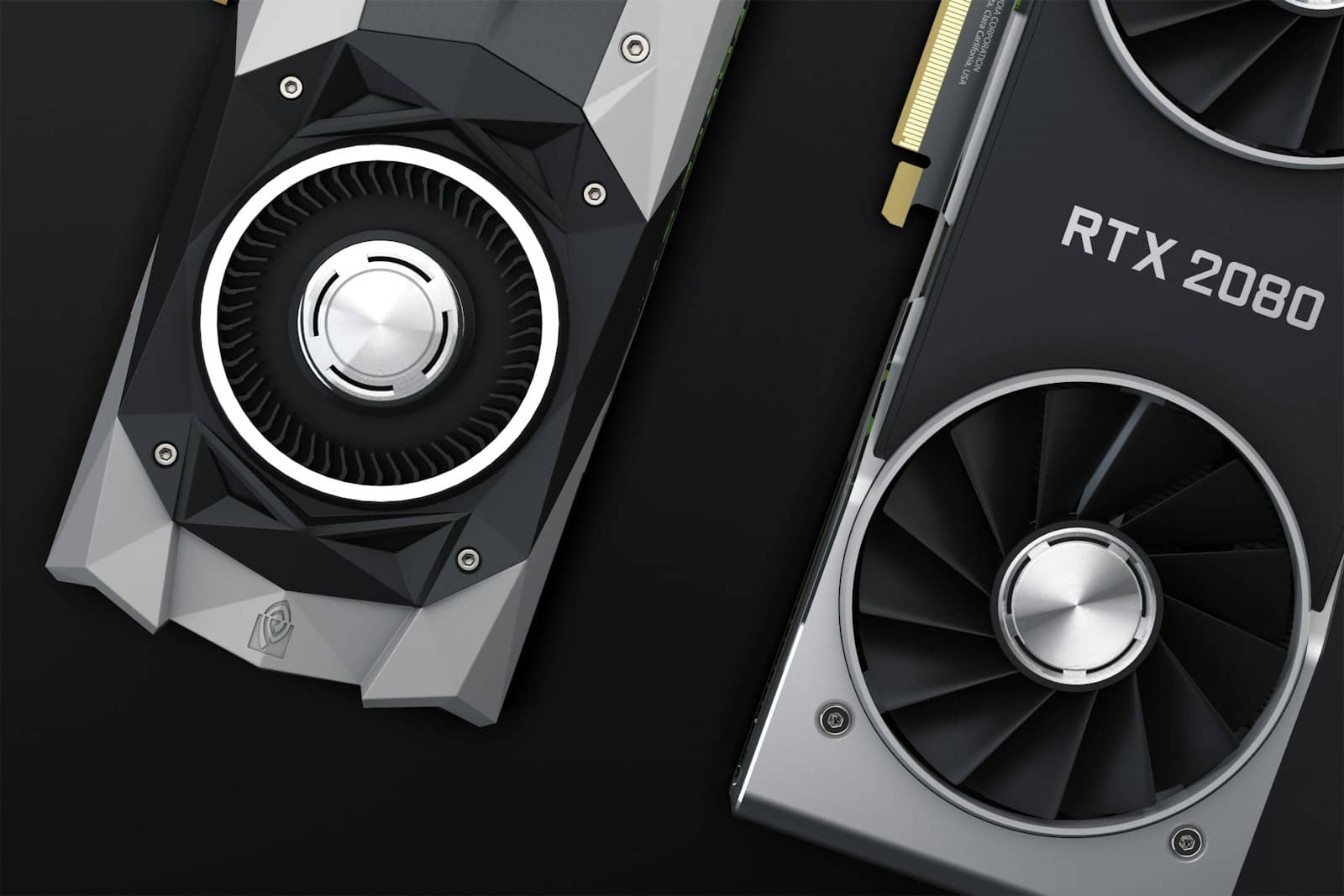
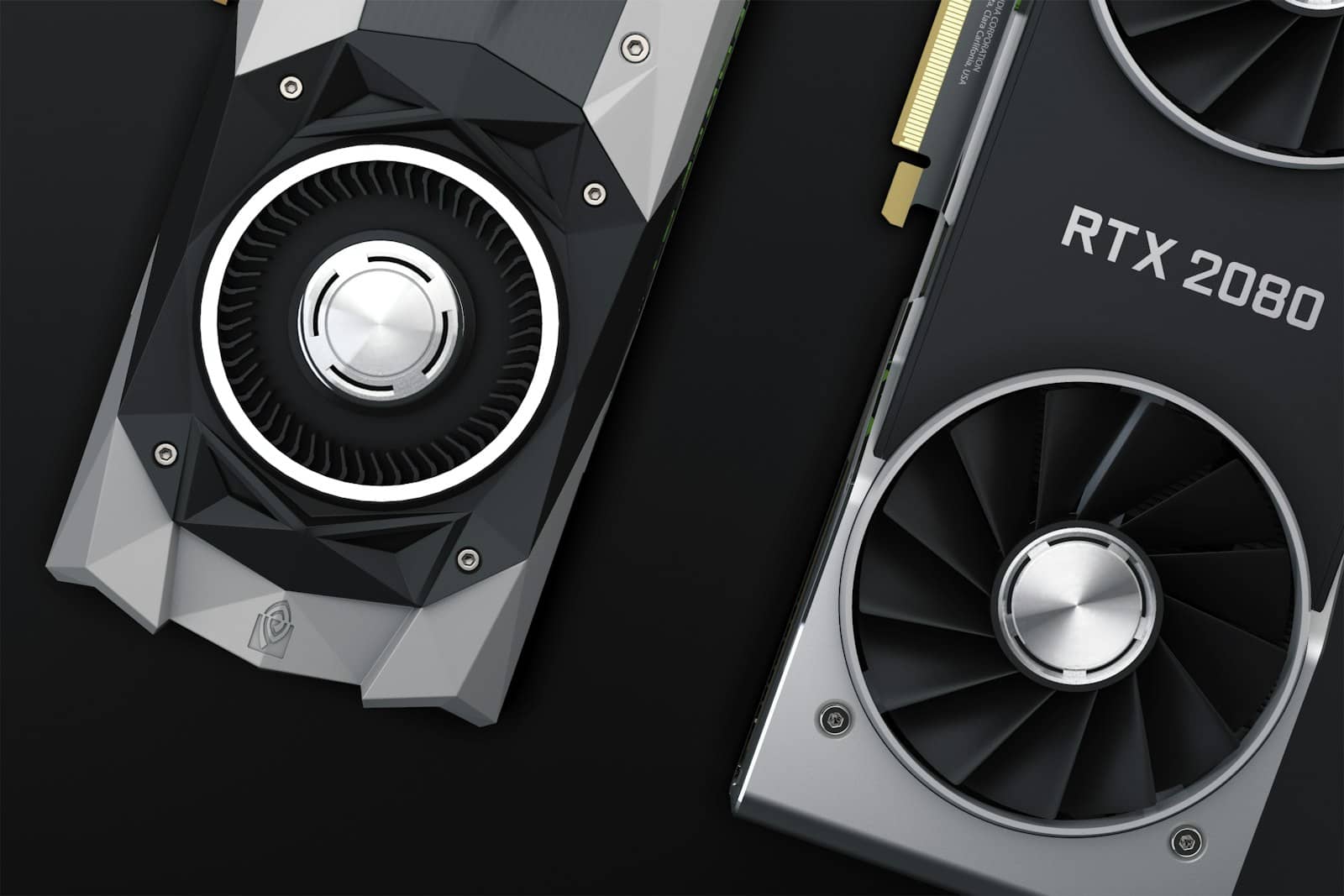
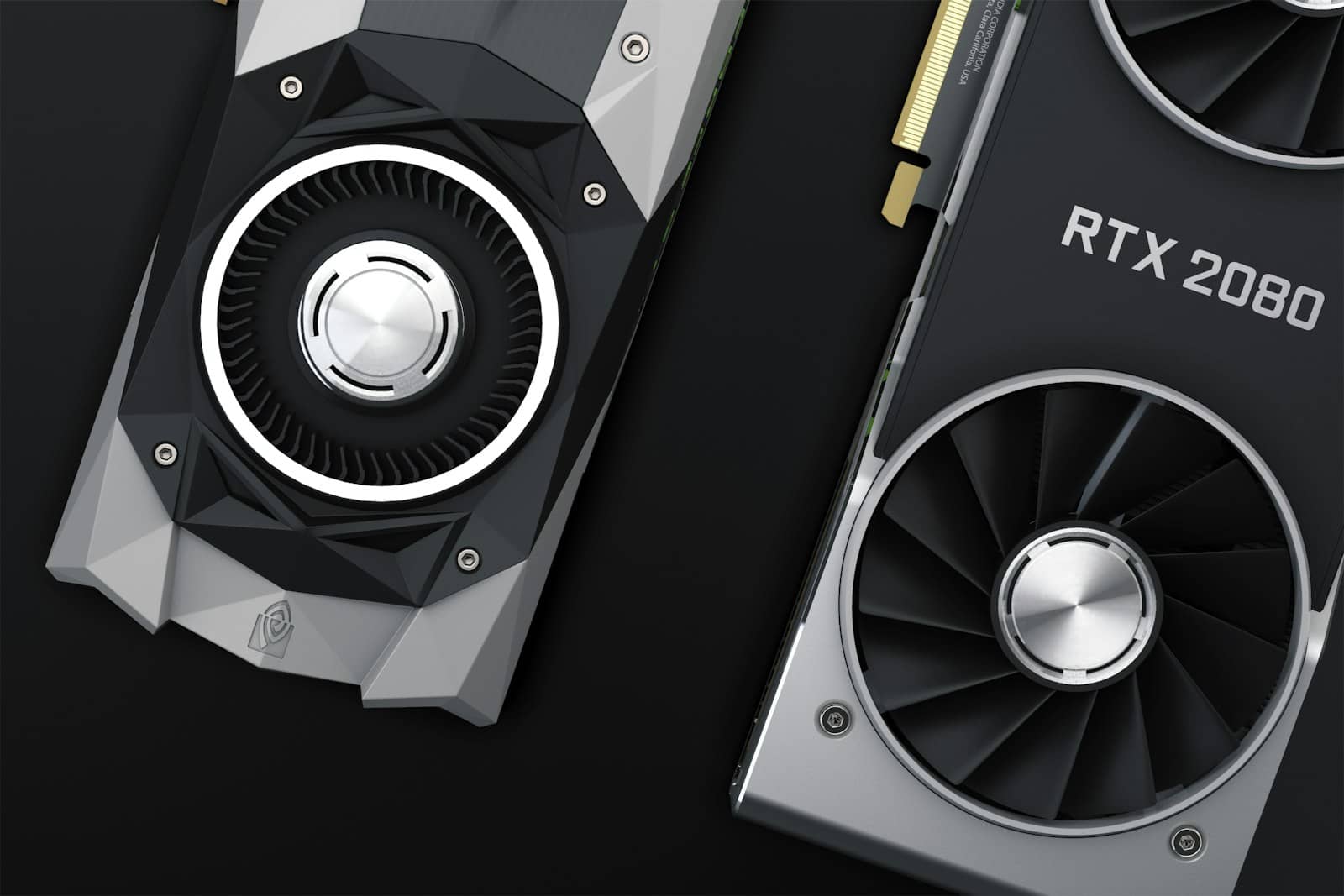
GPU prices have climbed in nearly every region tracked so far in 2026. · Unsplash
MSRP vs. current price, full RTX 50 lineup (China retail projections)
RTX 5050
Card
8GB
VRAM
$249
MSRP
$438
Current price
$54.75
RTX 5060
Card
8GB
VRAM
$299
MSRP
$499
Current price
$62.38
RTX 5060 Ti 8GB
Card
8GB
VRAM
$379
MSRP
$589
Current price
$73.63
RTX 5060 Ti 16GB
Card
16GB
VRAM
$429
MSRP
$783
Current price
$48.94
RTX 5070
Card
12GB
VRAM
$549
MSRP
$973
Current price
$81.08
RTX 5070 Ti
Card
16GB
VRAM
$749
MSRP
$1,408
Current price
$88.00
RTX 5080
Card
16GB
VRAM
$999
MSRP
$1,845
Current price
$115.31
RTX 5090
Card
32GB
VRAM
$1,999
MSRP
$3,843
Current price
$120.09
Card
VRAM
MSRP
Current price
$/GB now
RTX 5050
8GB
$249
$438
$54.75
RTX 5060
8GB
$299
$499
$62.38
RTX 5060 Ti 8GB
8GB
$379
$589
$73.63
RTX 5060 Ti 16GB
16GB
$429
$783
$48.94
RTX 5070
12GB
$549
$973
$81.08
RTX 5070 Ti
16GB
$749
$1,408
$88.00
RTX 5080
16GB
$999
$1,845
$115.31
RTX 5090
32GB
$1,999
$3,843
$120.09
Two things jump out of that table. First, the RTX 5060 8GB — the card most people treat as the safe cheap option — now costs about $62 per gigabyte of VRAM at projected Chinese street pricing. That's more than the RTX 5090 cost per gigabyte at its own launch MSRP a year ago ($62.50/GB for 32GB at $1,999). An entry-level card is now worse value, gigabyte for gigabyte, than a flagship was at launch. Second, the RTX 5060 Ti 16GB is still the best $/GB in the entire lineup after the hike, at roughly $49/GB — about 40% cheaper per gigabyte than the RTX 5070 12GB sitting one tier above it. Nvidia didn't scale the memory-kit price increase proportionally to VRAM capacity, so the 16GB card absorbed a smaller percentage hit than the 12GB one did, even though it started with more memory to begin with.
what this actually costs you in models, not dollars
Translate the VRAM gap into models you can actually run and it gets concrete fast. An 8GB card fits a 7B-8B model at 4-bit quantization with a short context window and not much else — no headroom for a browser tab or a second app running alongside it. 16GB gets you a 13B model comfortably, or a 30B mixture-of-experts model that only activates a fraction of its parameters per token and fits in far less memory than its total parameter count suggests. Below 16GB, you're constantly trading context length for model size — see which quantization to use for the exact tradeoffs. That's the real reason VRAM-per-dollar matters more than raw price here: it's not a luxury metric, it's the difference between a model that loads and one that doesn't.
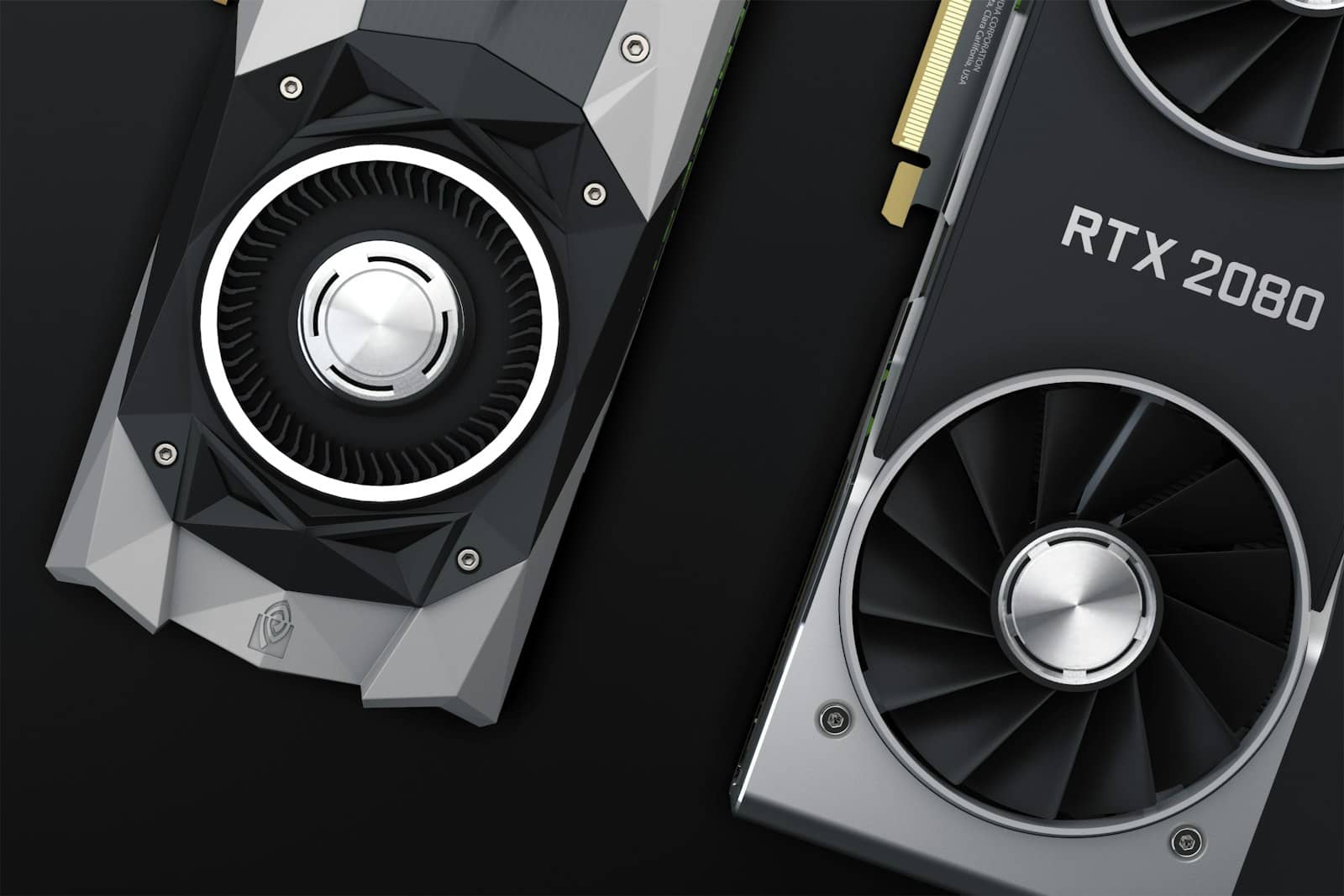
GDDR7 memory modules are the single biggest cost driver behind this year's price hikes. · Unsplash
GPU price hikes and local AI — quick answers
Is the RTX 5090 actually worth $5,100 for local AI?
No — at that price you're paying roughly $160/GB for VRAM you could get for a third of that on a used RTX 3090 or an RTX 5060 Ti 16GB. The 5090 only makes sense if you specifically need its compute for training or fine-tuning, not just inference.
Will these prices come back down?
Only if GDDR7 module pricing eases or TSMC wafer costs stabilize, and neither looks likely before 2027. That's the same supply squeeze that's kept Nvidia's next-gen VRAM refresh stuck in limbo.
Should I buy used instead of new right now?
For pure VRAM-per-dollar, yes in most cases. A used RTX 3090 still undercuts every new 2026 card on $/GB, though you give up warranty and efficiency in exchange.
Does this affect AMD and Intel GPU prices too?
Indirectly — GDDR7 cost pressure is specific to Nvidia's RTX 50 cards, but AMD and Intel's GDDR6-based cards have seen smaller, separate increases tied to general memory demand, not the same GDDR7 shortage.
None of this means don't buy a GPU. It means buy with the $/GB number in front of you instead of the sticker price alone, because the sticker price alone is exactly what's moving fastest right now. If you're shopping this month, the 16GB tier — new or used — is still where the actual value sits, and I'd be surprised if that changes before Nvidia's next refresh finally ships, whenever that ends up being.