A guy named Josh walked into a GameStop with a stack of dead electronics — PS4s that wouldn't boot, an Xbox 360 with a drive that wouldn't spin, a fistful of Game Boys that hadn't seen batteries in decades — and walked out with $10,690 in store credit. That number is real, and so is the backlash: half the internet is calling it a genius move, the other half is calling it a robbery Josh didn't notice.
What was actually in the box
Multiple PS4 units and a PSP, several with dead HDMI ports or unresponsive controllers
Xbox 360 consoles and current-gen Series X|S units, some that wouldn't read discs
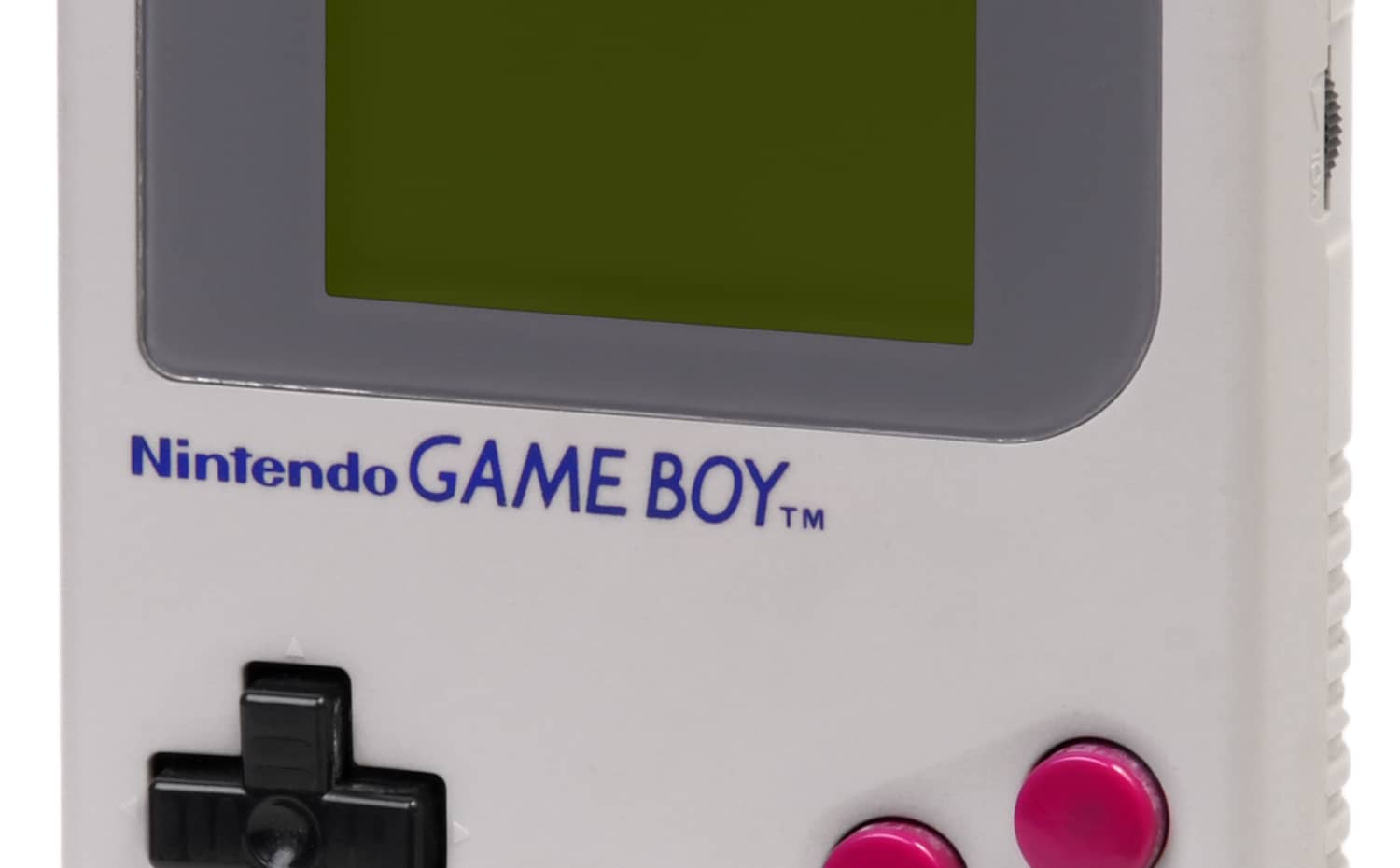
Original Game Boys, an NES, and Nintendo DS handhelds spanning three console generations
Nintendo Switch units and a Sega Game Gear thrown in for good measure
None of it worked properly. Tom's Hardware, which first wrote up the trade, described the pile as consoles with broken screens, dead controllers, and drives that wouldn't spin up. That detail matters more than the headline number, because a working PS4 and a brick with the same model number are not the same trade-in.
The backlash arrived almost as fast as the praise. Some commenters argued Josh left tens of thousands on the table — "he could have sold it all on eBay for $100,000 USD," one claimed — while others went the opposite direction: "for that pile of junk in the photo, I'd give you about $8 USD." Both can't be right, and neither is doing real math.
GameStop's trade-in counter still handles hardware spanning three console generations. · Unsplash
Is $10,690 actually good, or did he get fleeced?
Three ways to sell a pile of dead hardware
GameStop credit (actual)$10,690 store credit
instant, no listing, no shipping
eBay 'as-is / for parts' (estimate)~$14,000–$18,000 cash, est.
weeks of listings, shipping, buyer disputes
Local pawn / cash buyer (estimate)~$5,000–$7,000 cash
faster than eBay, still below GameStop's credit total
Why GameStop still wants your broken stuff
~45%
Share of physical used-game market
GameStop's trade-in program, per company disclosures
$3.81B
FY2026 revenue
down 4.6% year-over-year
590
US stores closed in 2025
with roughly 500 more reportedly slated
GameStop's core hardware and software business keeps shrinking as physical disc sales keep collapsing — Xbox alone sold physical copies of barely 4 out of every 100 games in the US this year. That decline is happening at the same time as console hardware sales broadly cool off, squeezing the one retailer whose entire model depends on people buying and trading physical hardware. Per GameStop's own FY2026 10-K filing, revenue is falling, but trade-ins remain a rare lever GameStop still controls: dead hardware becomes refurbished stock, marked up, sold again in the same store.
Verdict
Should you trade in a pile of broken consoles at GameStop?
If you actually want cash and have the patience for it, list working units individually — you'll usually do better than store credit, the same way a headline discount on an RTX 5090 prebuilt rarely turns out to be the whole story once you check the real math. If you have a genuine junk drawer of dead hardware you were going to throw out anyway, GameStop credit toward something you'll actually buy is a real number, not a scam.
Best for: Anyone sitting on old, non-functional consoles who wants them gone this weekend, not in six weeks.
Does GameStop pay cash for broken consoles?
GameStop's trade-in program is built around store credit; cash payouts are typically a fraction of the credit value for the same item. Josh's $10,690 was paid entirely in store credit, not cash.
Is it better to sell broken electronics on eBay instead?
For a handful of items, usually yes in raw dollar terms — if you're willing to grade, photograph, list, ship, and handle buyer disputes on each one. For a large mixed lot of non-working hardware, the time cost eats into that advantage fast.
Why does GameStop still want broken consoles if its revenue is falling?
Trade-ins feed GameStop's refurbished and parts business, which is higher-margin than new hardware sales. It's one of the few parts of the company's model that isn't shrinking as fast as physical game sales, the same pressure that's pushing GPU and hardware deals sites to be more skeptical about what actually counts as a deal right now too.
What I'd watch next isn't Josh — it's whether stories like this push GameStop to publish clearer per-unit trade values for genuinely dead hardware, the way it already does for working consoles. Right now the value of a 'broken' item is whatever a store associate decides that day, and that opacity is exactly why half the internet assumed he got robbed. A posted rate card would kill that argument in one page.