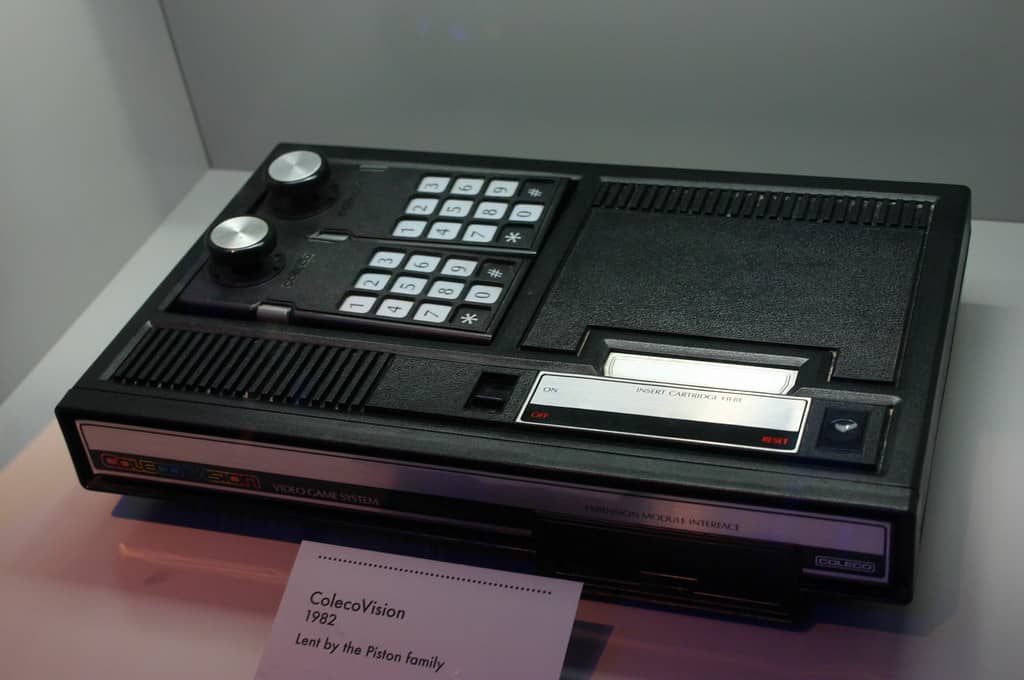
Just over 4 percent. That's Xbox's entire share of new physical game sales in the United States this year, according to Circana data reported by Kotaku — versus 63 percent for Nintendo and 32 percent for PlayStation. Out of every 100 physical game discs or cartridges sold in the US in 2026, roughly four have Xbox's logo on them.
Why this isn't really a surprise
None of Xbox's three biggest structural bets point toward a disc case on a shelf. Game Pass Ultimate is built to make ownership a memory — pay monthly, play the catalog, never touch a store. The Series S, the cheapest current Xbox and reportedly the better seller of the two consoles, doesn't have a disc drive; there's no version of buying a physical copy for that box at all. And this year's marquee first-party titles, Halo: Campaign Evolved and Forza Horizon 6, both launched simultaneously on PlayStation and PC, meaning the platform holder itself stopped treating Xbox exclusivity as a reason for a fan to specifically buy the Xbox disc.
US new physical game sales share, 2026
Nintendo63%
PlayStation32%
Xbox~4%
Nintendo's number makes sense once you separate it from the other two: the Switch 2's cartridge format is cheap to manufacture, resells well, and a huge share of its library — from indie darlings to Nintendo's own first-party lineup — still ships physically as the default, not the exception. Kingdom Hearts is finally getting a Switch 2 release later this year, which is exactly the kind of catalog title that keeps a cartridge-buying habit alive on that platform specifically.
It's not just discs — the whole physical market is shrinking
July 2026's $85 million in US physical software sales is the lowest for that month on record, according to Circana's tracking. That context matters, because it means Xbox isn't losing a stable pie to competitors — it's collapsing inside a pie that's already shrinking for everyone. A platform holder betting hardest on subscription and digital delivery is, unsurprisingly, the one that shows it first and worst.
Physical software sales across all platforms hit an all-time July low of $85 million in 2026. · Unsplash
Verdict
What this actually means for Xbox
This isn't a crisis for Microsoft in isolation — Game Pass revenue doesn't show up in a disc-sales chart, and that's the point of the strategy. But it is a genuine problem for the resale market, game preservation, and anyone who wants to lend a friend a copy of something. Xbox has functionally opted out of the used-game economy, on purpose, years before the rest of the industry follows.
Best for: Collectors and preservation-minded players should treat this as a warning: buy Xbox exclusives physically now if you want a disc version to exist at all.
FAQ
Does the Xbox Series X still support physical discs?
Yes, the Series X has a disc drive. The Series S, Xbox's cheaper and better-selling console, does not.
Is Xbox's overall business actually shrinking, or just physical sales?
This data covers only physical disc sales specifically. It doesn't measure Game Pass subscriptions or digital purchases, which Microsoft doesn't break out by platform share the same way.
Why is Nintendo's physical share so much higher than PlayStation's?
Switch 2 cartridges are cheaper to produce and a larger share of Nintendo's catalog, including major first-party titles, still defaults to a physical release.
Worth watching: whether Microsoft ever publishes a Series X/S sales split, since that number would confirm exactly how much of this is the Series S's missing disc drive versus Game Pass simply winning the argument. Until then, this Circana figure is the clearest outside look anyone's going to get at how far Xbox has moved away from being a disc platform at all — a shift that lines up with Xbox's last-place showing in the same recent consumer survey.