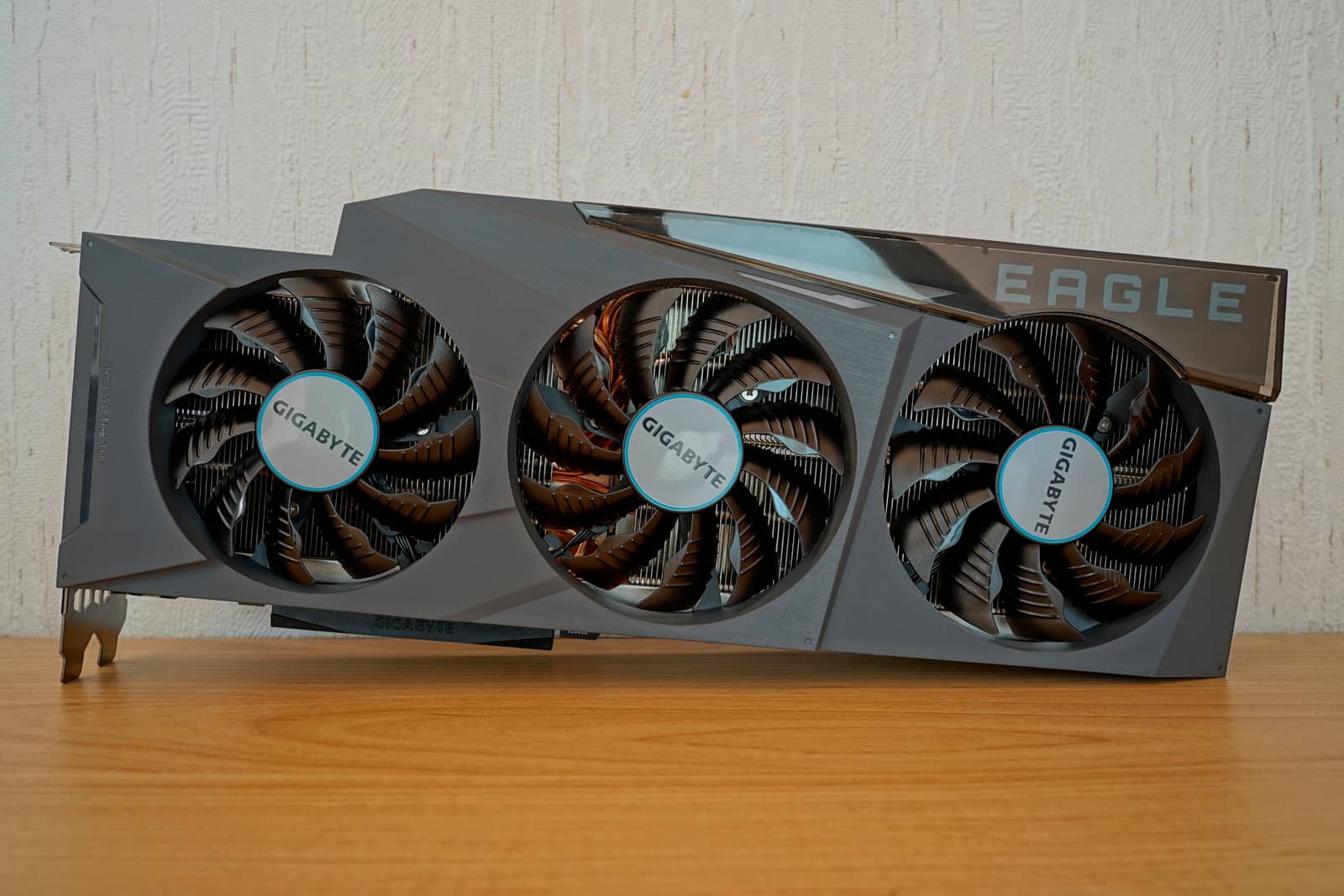
An MSI Codex Z2 gaming desktop dropped to $1,600 on Amazon this week, down from a $2,100 list price, as PC Guide flagged — a straightforward $500-off headline you've probably seen a version of a dozen times this month. What the headline skips: the RTX 5060 Ti 16GB inside that PC is currently selling on its own, as just a graphics card, for $805. That number changes the whole conversation about whether this is actually a deal.
The build, and what it costs apart
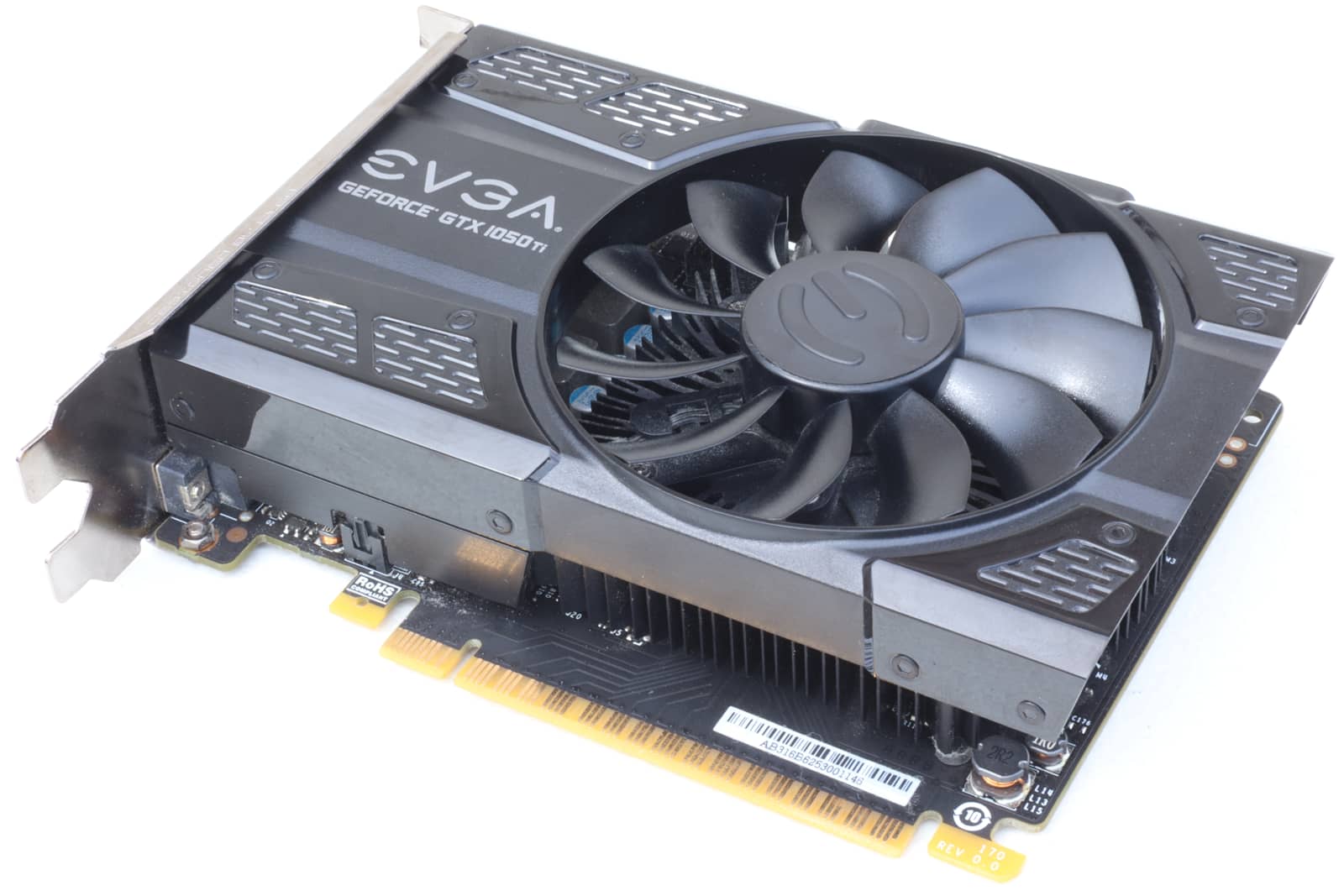
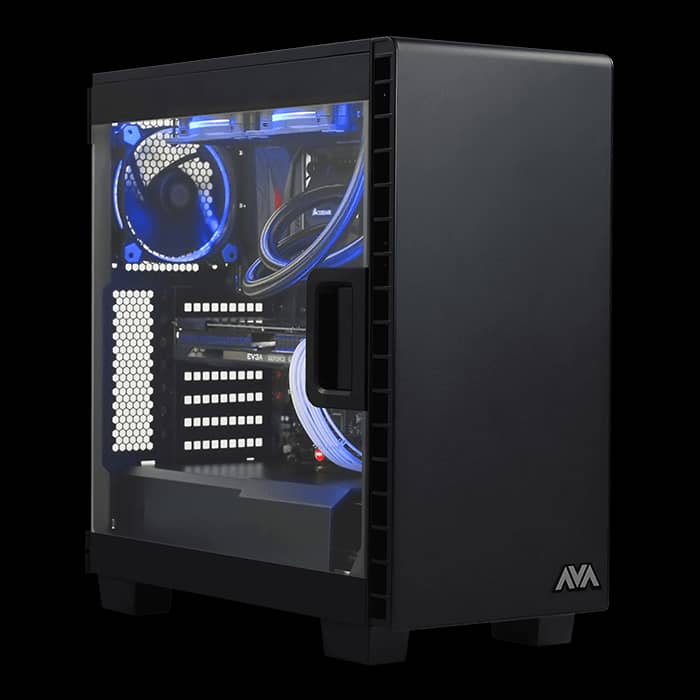
The specific model is the MSI Codex Z2 (A8NVM-671US): an AMD Ryzen 7 8700F — 8 cores, 16 threads, 4.1GHz base, no integrated graphics — paired with an RTX 5060 Ti 16GB, 16GB of DDR5, and a 1TB NVMe SSD.
$805
GPU alone (street price)
RTX 5060 Ti 16GB, current US median
~$247
Ryzen 7 8700F CPU
retail box price
$1,600
Whole PC (sale price)
MSI Codex Z2, Amazon this week
$2,100
List price
before the $500 discount
GPU at $805 plus CPU at roughly $247 already adds up to $1,052 — leaving about $548 in the $1,600 sale price for 16GB of DDR5, a 1TB NVMe SSD, motherboard, case, PSU and a Windows license. Two years ago, that remainder would have been generous headroom for a builder. Today, with SSD and RAM prices also having doubled since June on the same DRAM shortage, $548 is close to break-even for those parts, not a bonus. The real story isn't the $500-off banner — it's that the GPU shortage has made this prebuilt price competitively against building the same spec yourself.
Where the $1,600 actually goes (estimated)
GPU$805
RTX 5060 Ti 16GB
CPU$247
Ryzen 7 8700F
Everything else~$548
RAM, SSD, board, PSU, case
The 16GB RAM problem
16GB of system RAM is genuinely tight in 2026, especially on a PC pitched partly at gamers who might dabble in local AI tools — a modern game, Windows, and even a small local model together push past 16GB fast. It's not a dealbreaker, but it's the first upgrade to budget for, and with DDR5 pricing where it is right now, doing it later will cost more than doing it up front.
Budget a RAM upgrade to 32GB before treating this as a local-AI-capable box rather than just a gaming one.
Check the PSU wattage before adding a second drive or upgrading components later — Codex Z2 units have shipped with modest stock power supplies.
The Ryzen 7 8700F has no integrated graphics — if the GPU ever needs an RMA, there's no fallback display output.
16GB of VRAM on the 5060 Ti is the genuinely strong part of this build for local AI use — more capacity than the non-Ti RTX 5070.
Is it actually worth buying
7/ 10
Verdict
Is the MSI Codex Z2 RTX 5060 Ti deal worth it?
At $1,600, this is one of the rare prebuilt deals where the shortage-inflated GPU price actually works in the buyer's favor — you're getting a card that costs $805 alone, plus a full working PC, for not much more than the card plus a mid-tier CPU would cost separately. It's a legitimately decent buy for someone who needs a complete PC now and doesn't want to chase individual parts through a shortage. It's not a steal, and the 16GB of RAM means budgeting a $60–80 upgrade soon after.
Best for: buyers who need a complete PC now and can live with a near-term RAM upgrade
System RAM and storage prices have climbed alongside GPUs this year, which is part of what's inflating prebuilt PC pricing. · Unsplash
Why is the RTX 5060 Ti 16GB so expensive right now?
A GDDR7 and broader DRAM supply shortage has pushed GPU memory costs up across the board in 2026 — the 5060 Ti 16GB's median price is now 88% above its $429 launch MSRP.
Is 16GB of system RAM enough for this PC?
For gaming alone it's workable but tight. If you also plan to run local AI tools alongside games and background apps, plan to upgrade to 32GB — doing it at purchase is usually cheaper than adding it later given current DDR5 pricing.
Does the Ryzen 7 8700F support upgrades later?
It's an AM5 socket CPU, so the motherboard should support newer AM5 chips down the line, but check the specific Codex Z2 board's BIOS support list before assuming a drop-in upgrade.
The bigger pattern matters more than any single deal: GPU prices are up as much as 30–39% in two months industry-wide, which means the usual advice — wait for a better deal — is currently backwards. Prebuilts bundling shortage-priced GPUs near their standalone cost are, for now, one of the more rational ways to buy into this market. That window closes once memory prices normalize, so it's worth using while it's open.