The real workflow: generate original printables, planners, clipart, invitation templates and patterns with AI, list them on Etsy, and market a shop with zero built-in audience — plus the honest truth about saturation and Etsy's enforced AI-disclosure policy.
This post contains affiliate links. If you buy through them, Aliteq may earn a commission — at no extra cost to you. Prices verified at publish time.
Share
"Passive income with zero inventory" is the pitch you'll see in every AI-and-Etsy video, and it's not wrong so much as it's the headline without the fine print. People genuinely are making real money selling AI-generated digital products on Etsy — printable wall art, planners, clipart bundles, invitation templates, seamless patterns. The fine print is that most new digital-product shops make close to nothing, because a printable wall-art store is now one of the easiest things to start, which means it's also one of the most crowded. The people actually earning from it treated it like a small product business — a real niche, real optimization, real marketing — not a listing they uploaded once and forgot.
I generate this kind of art constantly, so this is the real workflow, not the highlight reel: how to pick a product type that still has room, generate genuinely original designs, list them the way Etsy's search actually rewards, stay on the right side of Etsy's AI-disclosure rules, and market a shop that has zero built-in audience on day one.
1. Pick a product type before you generate anything
This decision matters more than the art itself, because it determines how much competition you're walking into and how AI actually helps. Five types are doing real volume on Etsy right now: printable wall art (the single most crowded lane — you need a genuinely distinct aesthetic, not "nice boho print #4,412"), digital planners and journals (PDF or GoodNotes-style templates — less about art, more about layout and function, which AI struggles with unless you're also comfortable in a design tool), clipart bundles (sets of individual PNG elements — florals, seasonal icons, small illustrations — sold to other small-business owners and other Etsy sellers), invitation and party templates (editable Canva or Corjl templates for weddings, birthdays, baby showers — high repeat-buyer potential because life keeps generating events), and seamless patterns (repeating textures sold to print-on-demand sellers and fabric buyers, technically the hardest to generate cleanly but the least crowded).
If you're starting today with only an AI image generator and no design-software background, printable wall art and clipart bundles are the realistic entry points — you can go from prompt to sellable file with almost no additional tooling. Planners and editable templates need a layout tool (Canva, Affinity, Adobe) on top of the AI-generated art, so treat those as the next step once you've got a shop running, not the first listing.
2. Generate genuinely original art
This is where the AI angle actually pays off, and where the honesty matters most. A wall-art print is, technically, a simple ask for an image model — a clean composition, a specific palette, no text baked into the image (you add sizing/watermark-free text separately, since embedded text is where models still garble letters). The trick is the same one that separates a sellable print from the thousandth identical listing: specificity. "Boho line art" gets you the exact same print everyone else generated last month. "A single continuous-line drawing of a woman's profile merging into a sun and desert plants, warm terracotta palette" gets you something with an actual identity.
Copy-paste printable prompts
Boho line art
a minimalist single continuous-line drawing of a [subject], warm terracotta and cream color palette, original design, clean printable poster art, no text, no watermark
Botanical poster
a minimalist botanical poster print of [plant/leaf], soft sage-green line art on a cream background, elegant original illustration, gallery-wall printable art, no text
Watercolor abstract
a soft watercolor-style abstract print, overlapping organic shapes in [color palette], original modern art design, printable poster art, no text, no watermark
Retro travel poster
a retro-style travel poster illustration of an original fictional coastal town at sunset, muted vintage color palette, flat illustration style, printable art, no text, no real place names
Nursery print
a soft pastel nursery wall art print of a [original cartoon animal], gentle rounded shapes, cream and blush palette, printable poster art, no text, no branded characters
Geometric pattern
a seamless repeating geometric pattern in [color palette], original abstract shapes, clean vector-style illustration, tileable edges, no text, no logos
Typography-ready quote print
a minimalist background design with soft abstract [texture/color] shapes, empty central space for text overlay, printable poster art, no embedded text, no watermark
3. List and optimize it the way Etsy search actually works
Etsy's search rewards specificity in the same way its own crowded categories punish generic titles. "Wall art" and "printable art" have no realistic path to a first-page result for a new shop. "Boho terracotta line art printable, minimalist bedroom wall decor" gives the algorithm actual signal to match against an actual search. Fill every tag (Etsy gives you 13 — use all of them, and make them specific phrases a buyer would type, not single generic words), write a description that front-loads what the file is, what sizes are included, and how to download it, and price digital downloads the way the category actually sells — most successful printable shops bundle 3–5 related designs or size variants into one listing rather than selling a single 8×10 alone.
The step almost every new AI-printable shop skips: the disclosure. Etsy's listing editor now has a dedicated generative-AI field — you must state whether the listing's primary image or design was created with generative AI. Etsy began enforcing this in January 2026, and shops that skip it get the listing filtered out of search until it's fixed, or removed outright for repeated violations. It also changes your shop's attribution from "Made by [you]" to "Designed by [you]" — which is accurate for AI-assisted digital art and not a penalty, just Etsy's terminology for it. Check Etsy's own stance on AI creations before you list your first item, and the digital downloads guide for the file-delivery mechanics (Etsy handles the automatic download after purchase — you upload the file once).
4. Market it — a new shop has zero audience on day one
Publishing a listing is not marketing, and this is the single biggest reason well-made AI printables still earn nothing. Etsy's own search and "more like this" placement is the main channel, and it runs on the same signals as the listing itself — specific tags, a genuine handful of early reviews (never buy them, it's a bannable offense), and a small Etsy Ads test ($1–3/day is enough to start) that gives the algorithm data to rank you organically once it sees real click-through. Outside Etsy, Pinterest is disproportionately effective for printables specifically — its audience already searches "printable wall art" and "digital planner ideas" at real volume, and pinning a clean product-mockup image linking to your listing costs nothing but time.
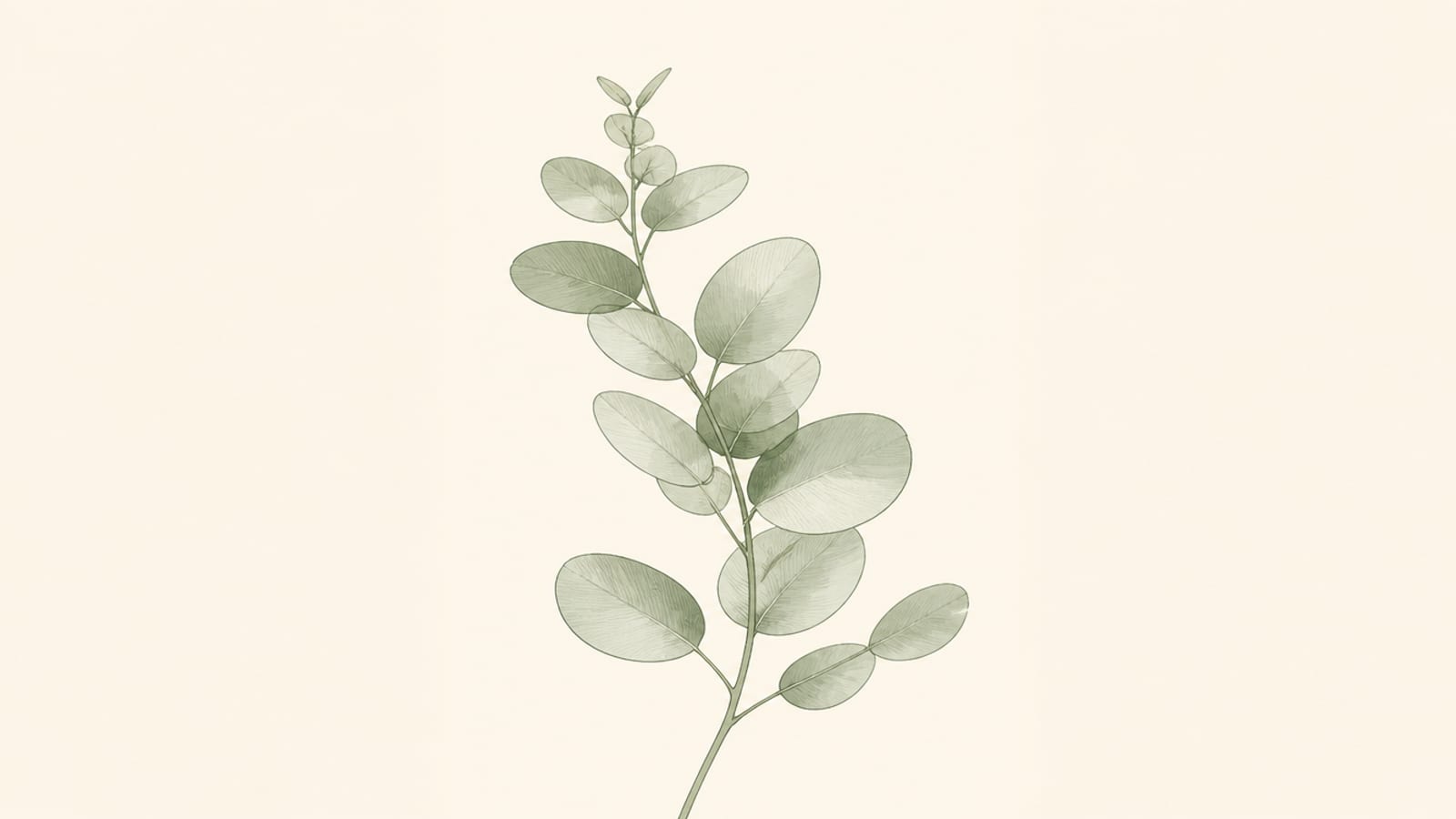
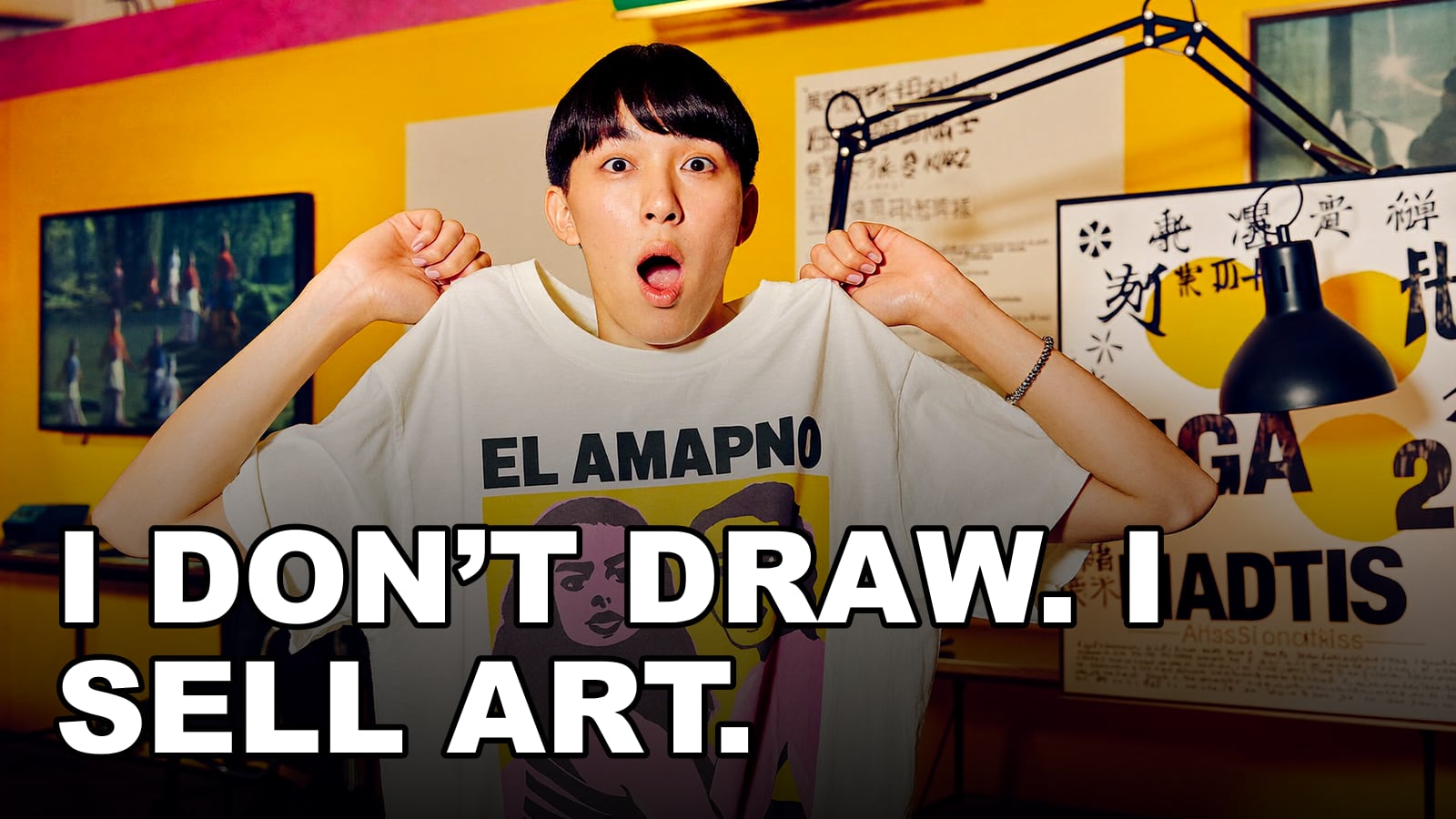
A generated printable design — this is the kind of listing that needs Etsy's AI-disclosure field filled in. · Generated with Higgsfield
Higgsfield · Printable art
Sponsored
Higgsfield's image models will generate a clean, original printable design directly from a text prompt — no illustration skill, no per-design cost. Free tier to test a design before you build a full shop.
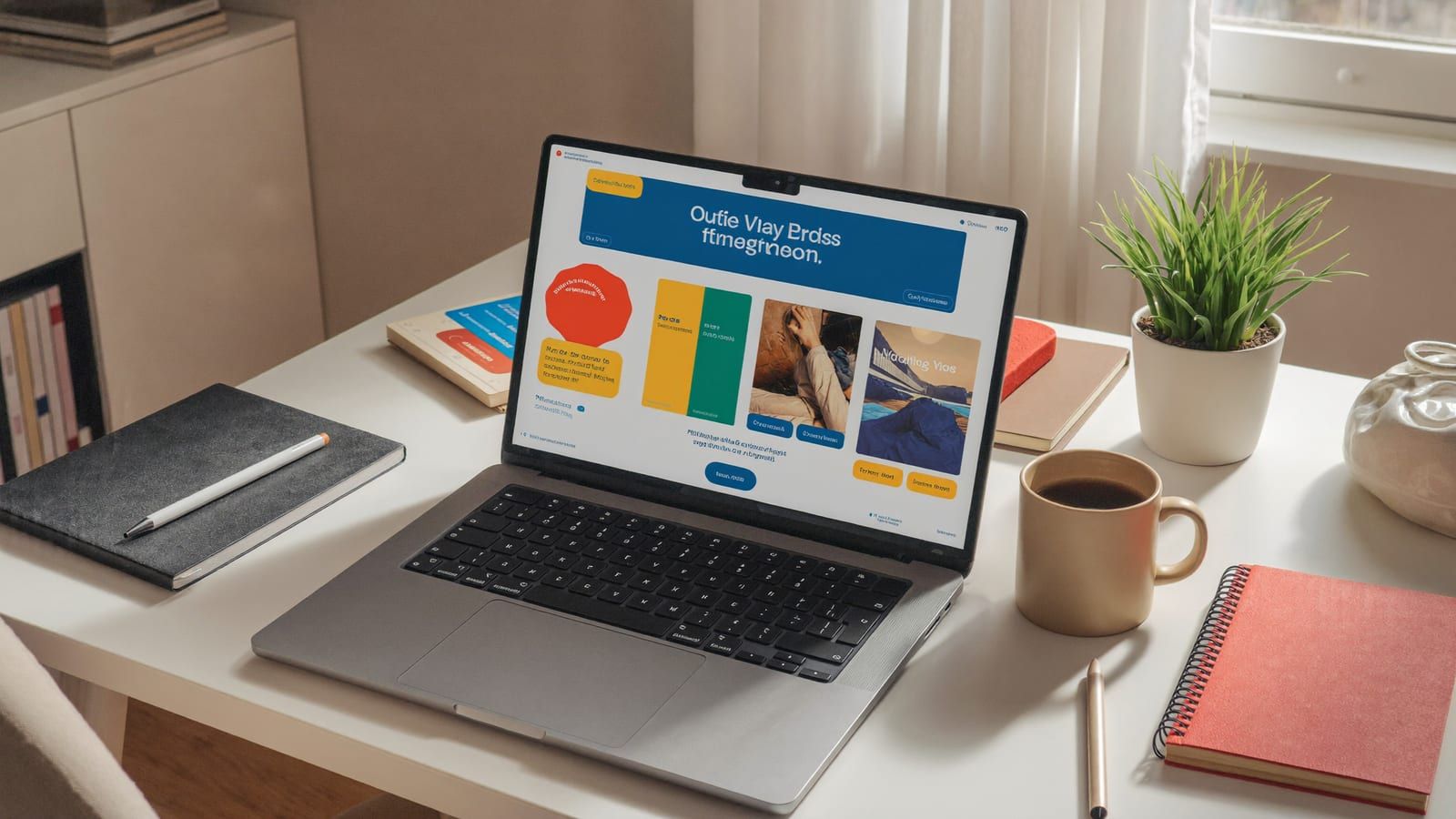
A mockup matters almost as much as the art itself — Etsy shoppers are buying a file, so your listing photos need to show it framed on a wall, laid out on a desk, or applied to the product it's for (a planner page, an invitation) so a buyer can picture owning it. Generate a few staged mockup scenes the same way you generated the art, or use a free Canva mockup template and drop your design in.
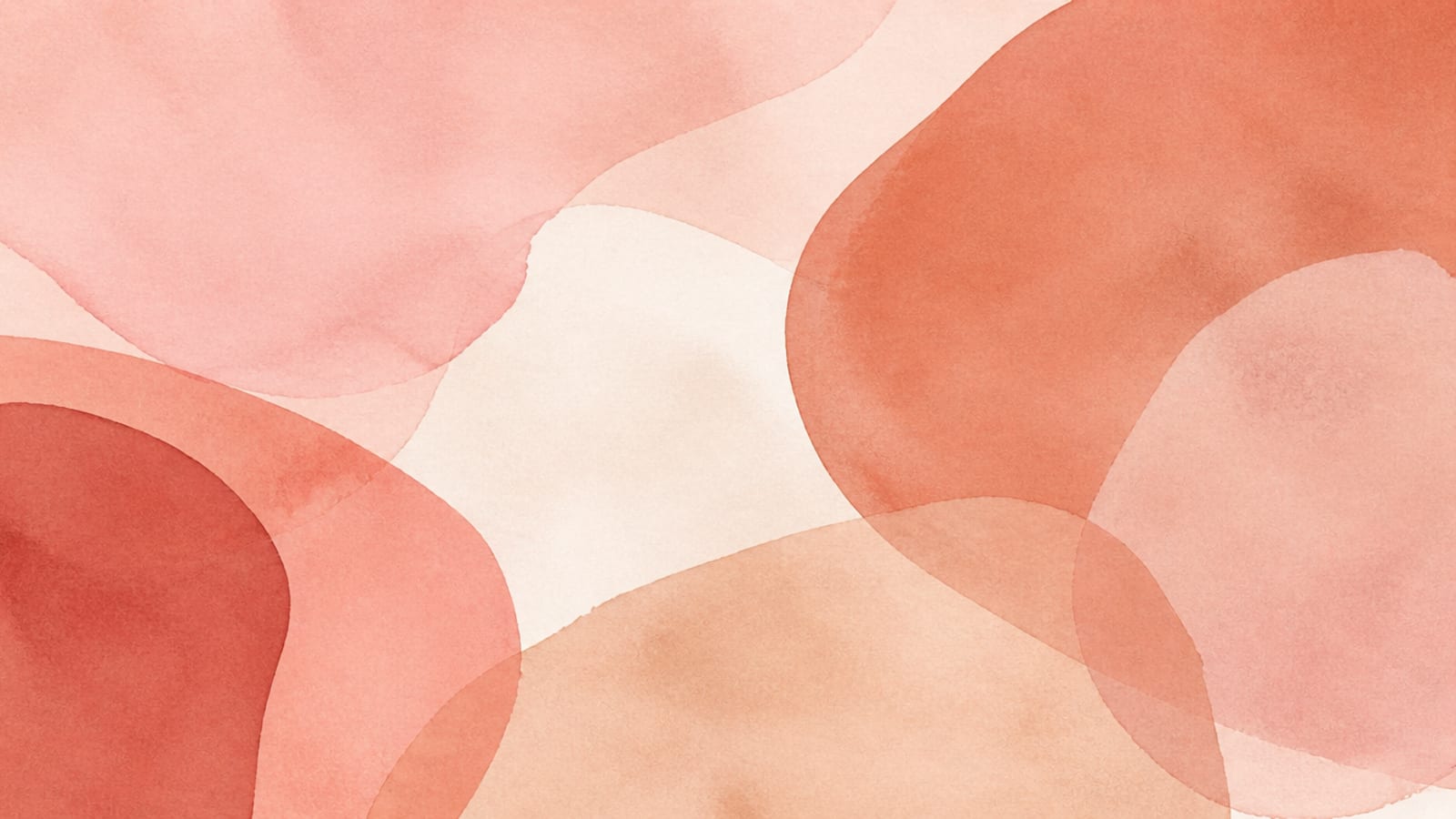
A second design variation — bundling 3–5 related designs into one listing outperforms a single print. · Generated with Higgsfield
HiggsfieldSponsored
Generate your first printable design today
Test a niche with a handful of designs before you build a full shop — generate the art and staged mockups in the same place. Free tier to try it.
+ Zero marginal cost per sale — one file sells unlimited times with no printing, shipping, or inventory
+ No illustration skill or design-software learning curve required to start with printables or clipart
+ A well-optimized listing keeps selling passively once it's live and ranked
+ Bundling design variants into one listing lifts average order value with almost no extra generation cost
+ Clipart and templates sell to a repeat-buyer audience (other small businesses, other Etsy sellers) with durable demand
Cons
− Printable wall art is genuinely saturated — thousands of near-identical AI-generated prints were listed in 2024–2026, and most earn nothing
− Etsy's AI-disclosure policy is actively enforced (12,000+ listings removed, ~8,500 warnings issued in Q1 2026 alone) — skipping it gets you filtered or pulled
− Trademark and IP violations (fan art, brand logos, celebrity likenesses) get listings removed and can strike your account, regardless of intent
− Reviews and Etsy-search ranking are slow to accumulate without either a real niche angle or ad spend
− Planners, editable templates, and patterns need real layout or pattern-tiling skill on top of the AI-generated art — it isn't prompt-to-sellable-file for every product type
Quick answers
Is selling AI art on Etsy against the rules?
No — Etsy explicitly permits items made with the help of generative AI. What's required is disclosure: you mark the listing as AI-assisted in the listing editor, and Etsy changes the attribution to "Designed by" you. What's prohibited isn't the AI use, it's undisclosed AI use, or AI-generated designs that copy trademarked characters, brands, or real people.
Is the printable wall-art market too saturated to bother with in 2026?
The generic end — "boho wall art," "minimalist line art" with no distinct identity — is genuinely oversaturated. The specific end (a real aesthetic point of view, tight niche tags, staged mockups, even minimal marketing) still sells, because most of the flood is undifferentiated listings with zero marketing behind them. You're not competing with the whole category, you're competing with the handful of shops that also niched down and also marketed.
Do I need design software to start?
For printable wall art and clipart bundles, no — an AI image generator gets you a sellable file directly. For digital planners, editable invitation templates, and seamless patterns, you'll need a layout or pattern tool (Canva, Affinity, Adobe) on top of the generated art, so start with prints or clipart and add the others once you have a shop running.
How much does it actually cost to start?
Opening an Etsy shop has a small one-time setup fee and a per-listing fee (a few cents each), plus Etsy's percentage of each sale — there's no printing or inventory cost since it's a digital download. Your real cost is an AI image-generation subscription, often viable on a free tier for a first batch of test listings.
Etsy printables are one entry point into a wider AI-assisted digital-product lane — the same generation workflow extends to clipart bundles, invitation templates, and print-on-demand patterns once you've got one shop live. I track the ones actually worth trying in AI Studio.