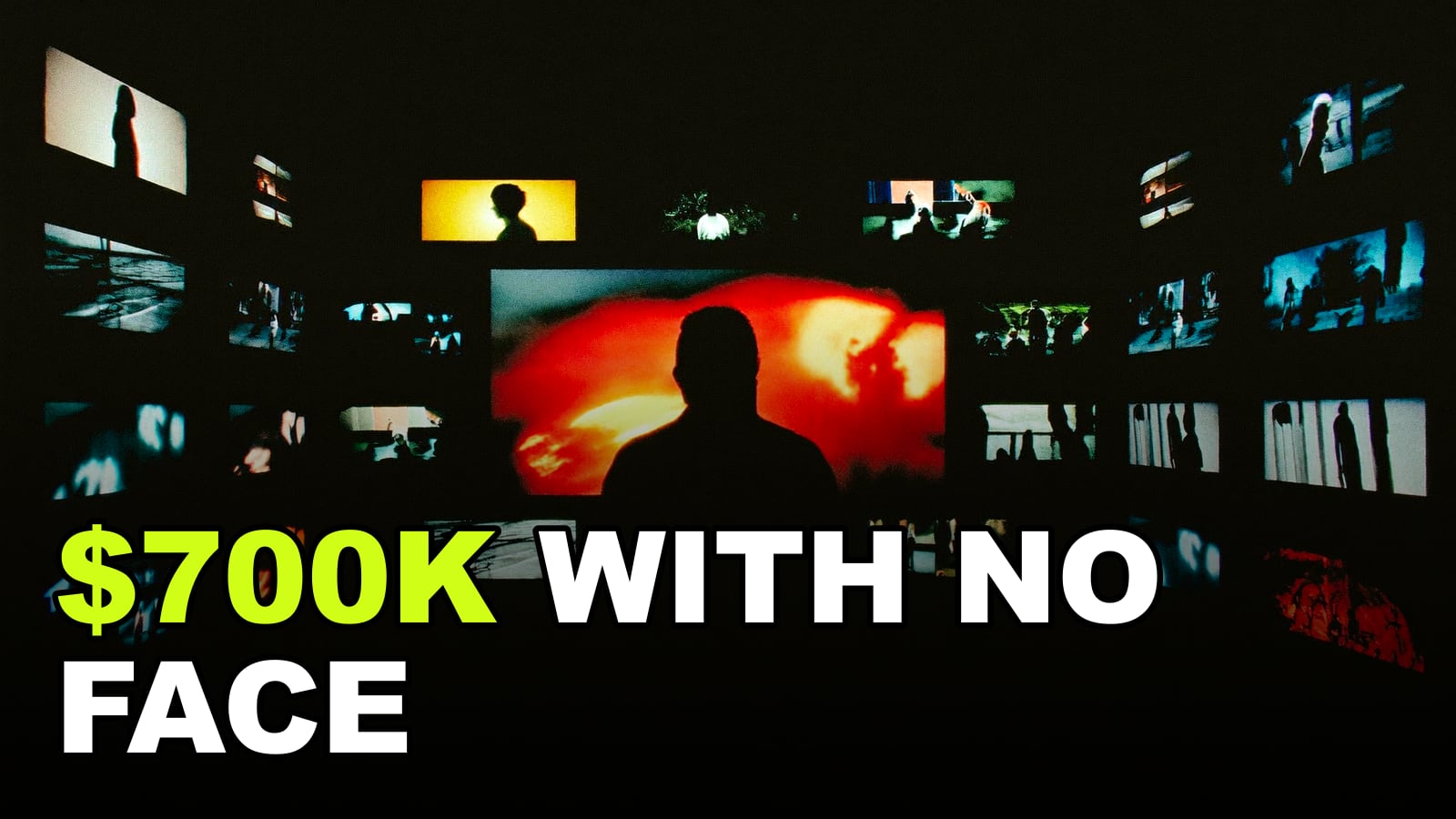
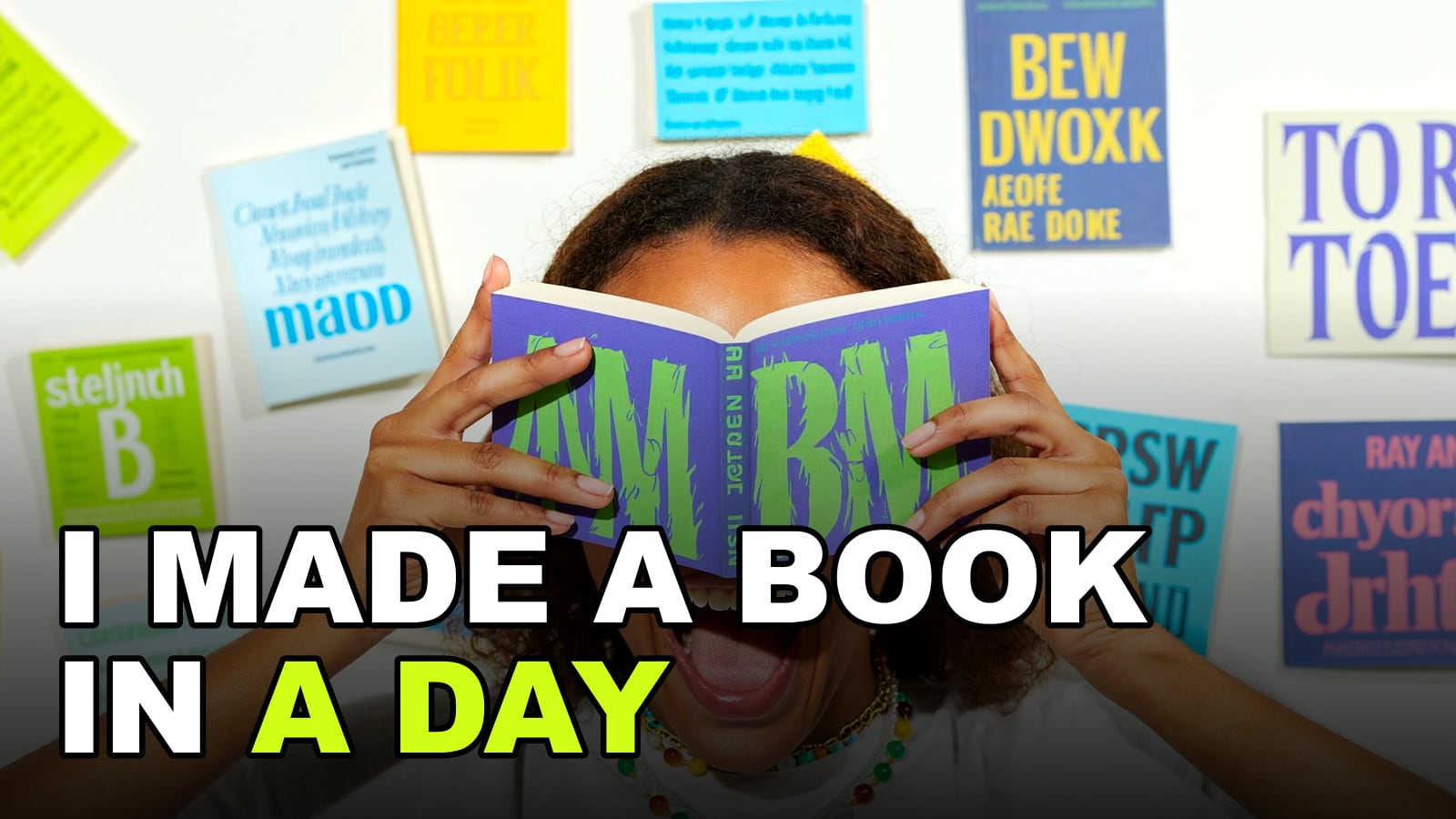
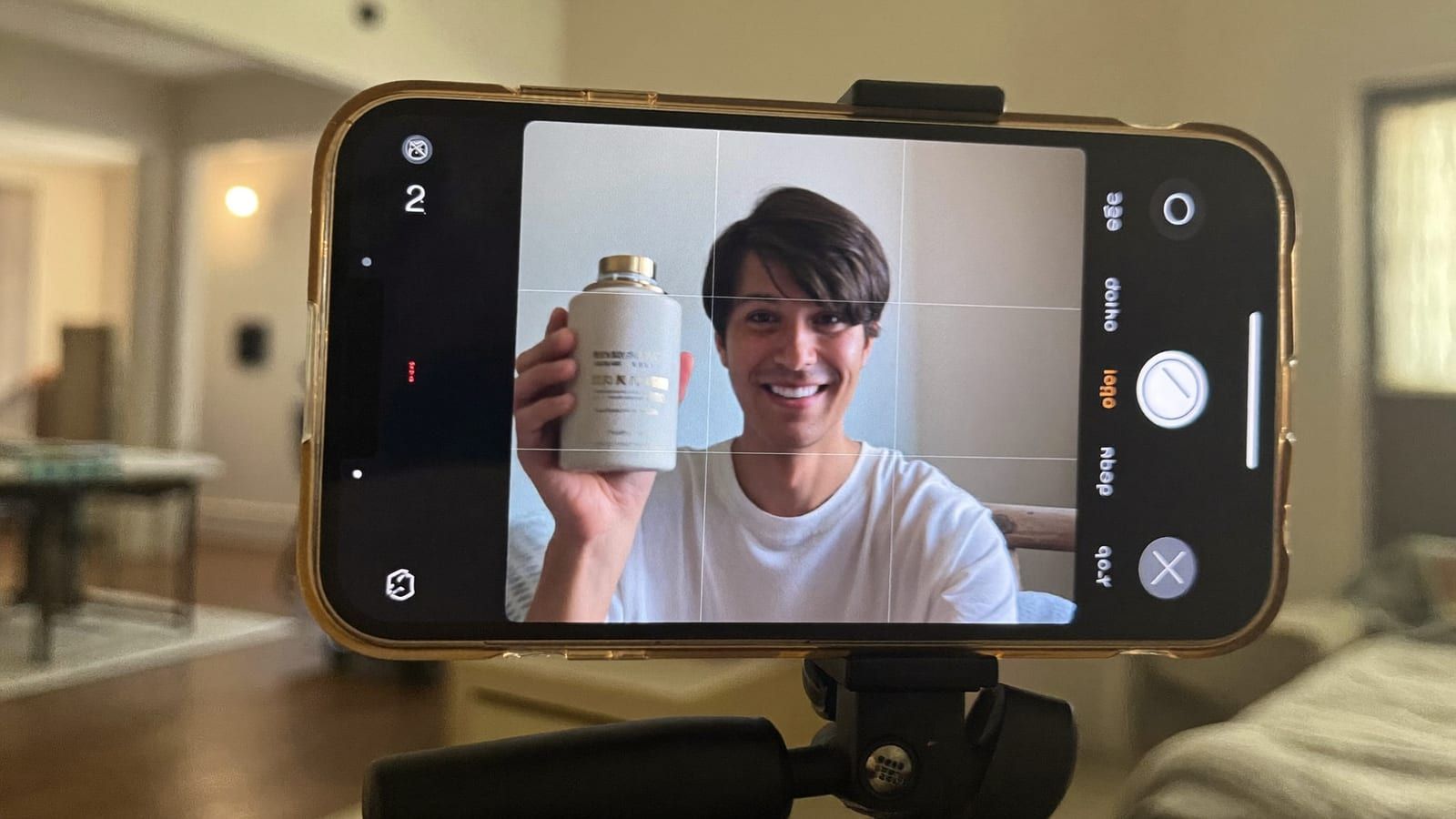
The real workflow — pick a niche that pays, script with AI, generate the b-roll and thumbnails, voice it, edit, upload, monetize. Honest about the grind behind the 'passive income' pitch.
This post contains affiliate links. If you buy through them, Aliteq may earn a commission — at no extra cost to you. Prices verified at publish time.
Share
"Faceless YouTube channel" gets sold as passive income — set up a bot, never show your face, wake up to ad revenue. That version is mostly a lie. The real version is a genuine business model: you don't need to be on camera, you don't need a studio, and AI now handles the parts that used to require a crew — script drafting, voice, and visuals. But someone still has to pick the niche, write a script that doesn't ramble, judge which AI take actually looks good, and upload on a schedule for months before it pays anything.
I run this exact pipeline for parts of my own content, so this is the honest workflow — what AI actually replaces, what it doesn't, and where the money really comes from. Not the guru version.
Pick a niche that actually pays
This is the step people skip, and it's the one that decides whether you make money at all. Ad rates (RPM) vary wildly by topic — finance, tech, and self-improvement content pays several times more per thousand views than gaming clips or meme compilations, because the advertisers bidding on those audiences have real budgets. Evergreen, explainer-shaped niches also compound: a 'how X works' or 'top 10 X' video keeps getting search and suggested traffic for years, where a reaction to this week's news is dead in a week.
Before you build a production line, validate the niche cheaply: find 5–10 existing faceless channels doing well in it, check how recently they started and how fast their view counts grew, and be honest about whether you can sustain the research required. History, science explainers, true crime, personal finance, and AI/tech news are all proven faceless-channel lanes right now — proven doesn't mean uncrowded, it means the model works there. Pick one you can research fast, not just one that looks trendy.
The AI production line: script → visuals → voice → edit
Script. Start here, not with visuals — a great video with a boring script still gets skipped at second three. Draft with an AI writer (ChatGPT, Claude, Gemini — whichever you already use) but feed it a real structure: hook in the first line, a promise of what they'll learn, 3–5 concrete beats, a payoff. Then rewrite the first two sentences yourself — that's the highest-leverage 30 seconds in the whole process, and it's the part AI is worst at cold.
Visuals. This is where AI image and video generation earns its keep. Instead of licensing stock footage or screen-recording generic clips, you describe the exact shot your script needs and generate it — a foggy forest for a history intro, a neon street for a true-crime cold open, a glowing circuit board for an AI-news explainer. It's original, it's exactly on-brief, and one good prompt gives you a b-roll shot and a thumbnail candidate from the same generation.
Copy-paste b-roll prompts — swap the setting/subject for your niche, keep the rest of the structure (shot type, lighting, color grade, "no text/logos"):
Cinematic wide drone shot, [your setting] at dawn, warm golden light, thin fog drifting low, muted teal-and-amber color grade, anamorphic lens flare, documentary b-roll style, no people, no text, photorealistic.
Moody night photography, [your setting] with glowing neon reflections on wet pavement, light fog between structures, shallow depth of field, blade-runner-esque color grade, no readable text or logos, photorealistic.
Extreme close-up macro shot of [your subject], dramatic single-source side lighting, dark negative space background, high detail, documentary-style, no text, photorealistic.
Slow-motion cinematic shot of [your subject] in motion, dark studio background, single dramatic rim light, shallow depth of field, thumbnail-ready composition, no text or logos, photorealistic.
AI voice. Pick one voice and stick with it — consistency is what makes a faceless channel feel like a channel instead of a random collection of clips. Most AI voice tools let you clone a voice (including your own, if you're comfortable with that) or pick a stock voice and tune pace/tone; generate the whole script in one pass so pacing stays even, then listen back for words it mispronounces (numbers, brand names, acronyms) and fix those lines individually rather than regenerating the whole thing.
Edit. This is the step AI still can't fully do for you, and it's where the finished video actually gets made: sync the voiceover to your generated visuals, cut on the beats where the script changes ideas, add captions (they're not optional — most watch time is sound-off), and pick a thumbnail from your generation batch that reads clearly at phone-thumbnail size. A basic edit in CapCut or Premiere, 15–30 minutes per video once you have a rhythm, is the real time cost of this whole workflow.
Upload, build the loop, and actually monetize
Post on a schedule you can actually keep — twice a week beats daily-then-quitting-after-a-month, and the algorithm rewards channels it can predict. Watch your first 10–15 videos' retention graphs, not just views: a steep drop in the first 15 seconds means the hook (script problem), a steady bleed through the middle means pacing (edit problem). Fix the one the data points at before you make video 20 the same way you made video 5.
Money comes from three places, roughly in order of when they show up. First, YouTube ad revenue once you clear the Partner Program thresholds — this is the slowest to start and takes real subscriber/watch-hour minimums, but it's the most passive once it's running. Second, affiliate links in the description for anything you mention or recommend — this can pay from video one if your niche naturally references products or tools. Third, sponsorships, which only show up once you have a consistent audience a brand can point at. Don't build a channel that only works if step one hits; make sure step two makes sense for your niche from day one.
Budget realistically: most people who stick with it see meaningful money around month 3–6, not week 3. The ones who quit at week 3 are the ones who believed the passive-income pitch.
AI-generated b-roll — a fog-forest shot like this comes from one prompt, no location shoot. · Generated with HiggsfieldSame idea for a true-crime or tech-mystery cold open — generated, not licensed. · Generated with Higgsfield
Higgsfield · B-roll & thumbnails
Sponsored
Higgsfield generates the b-roll shots and thumbnail candidates in one place, plus the AI voice for your script — the two most time-consuming parts of a faceless channel. Free tier to test before you commit.
Generate cinematic b-roll for your script, a thumbnail from the same batch, and a consistent AI voiceover — without a location shoot, a stock-footage subscription, or a voice actor.
+ No camera, no identity risk — you can build this without ever being recognized
+ One script becomes a video without a crew, a studio, or stock-footage licensing
+ Assets reuse across Shorts/TikTok cuts — one production line feeds multiple platforms
+ Low cost to start — a few subscriptions, not equipment or a studio
Cons
− Easy niches (top-10 lists, generic facts) are saturated — you'll need a real angle
− YouTube's monetization policy penalizes mass-produced, repetitious "inauthentic" content and requires disclosure for realistic synthetic media — build quality per video, not just volume
− The grind is real: 20–40 videos and a few months before it pays meaningfully
− Ad revenue alone is small until you scale — affiliate and sponsorship need a real niche fit
Quick answers
Is this actually passive income?
No — not at the start. The production line removes the need for a crew, but you're still writing scripts, judging AI outputs, editing, and analyzing retention data every week. It becomes lower-effort once you have a system and a backlog, but 'passive from day one' is the part of the pitch that's false.
Will YouTube penalize AI-generated content?
Not for using AI — plenty of monetized channels do. It penalizes content that's mass-produced, repetitious, or misleading, and it requires you to disclose realistic synthetic media where relevant. Make each video genuinely different (new script, new angle) rather than swapping one variable on a template, and you're fine.
How much can you realistically make?
It depends entirely on niche and consistency — finance/tech explainers can hit meaningfully higher RPMs than entertainment niches, but both take months of consistent uploads before ad revenue is real money. Treat the first 3 months as unpaid R&D on what your specific audience responds to.
What if I don't want to use my own voice at all?
That's the point of an AI voice — clone a voice you have rights to use, or use a licensed stock AI voice, and never record yourself. Keep it consistent across videos so the channel has an identity; that's what makes viewers subscribe instead of watching one video and leaving.
This is one AI money model — the same tools open up product ads, digital products, and other lanes that actually work, not just the ones that make good YouTube-guru thumbnails. I collect the ones I've actually tested in AI Studio.