AMD confirmed a 10% price increase on Radeon GPU and memory kits starting in August, according to a notification sent to board partners. That lands weeks after Nvidia's own RTX 50 series prices jumped as much as 30% in some markets — the RTX 5090 now sells for more than $5,100 in South Korea. Add PS5, Xbox Series X and Nintendo Switch 2 price increases already locked in for 2026, and there is currently no gaming platform, discrete GPU or console, that costs what it cost a year ago.
It's not five separate decisions. It's one shortage.
Every one of these hikes traces back to the same input: memory. GPUs need GDDR6 or GDDR7 for their frame buffers; consoles need it for the same reason plus system RAM; and all of it competes for fab capacity against the memory going into AI data centers, which currently pays whatever it costs to win the bid. TweakTown reported DRAM prices climbing as much as 89% in a single quarter this year. On the Nvidia side, Tom's Hardware traced the RTX 50 South Korea hikes specifically to rising TSMC wafer costs stacked on top of roughly $20-per-module GDDR7 pricing, and cards with more VRAM took the bigger hit — exactly what you'd expect if memory is the actual cost driver rather than general inflation.
Consoles confirm the same story from a different angle. Microsoft's own Xbox pricing announcement pointed to memory and storage component costs having risen more than 2.5x, with the company's own guidance expecting that to roughly double again by fall 2027. Memory reportedly makes up something like 21–23% of a Switch 2's bill of materials and closer to 35% for PS5 and Xbox Series X, which is why Nintendo's smaller, lower-power memory footprint bought it a comparatively gentle 11% increase against the fuller GDDR loadouts inside the Sony and Microsoft boxes.
Confirmed price increases, by platform
Nvidia RTX 50 (South Korea)up to +30%
AMD Radeon (Aug kit price)+10%
Nintendo Switch 2+11% ($449.99 → $499.99)
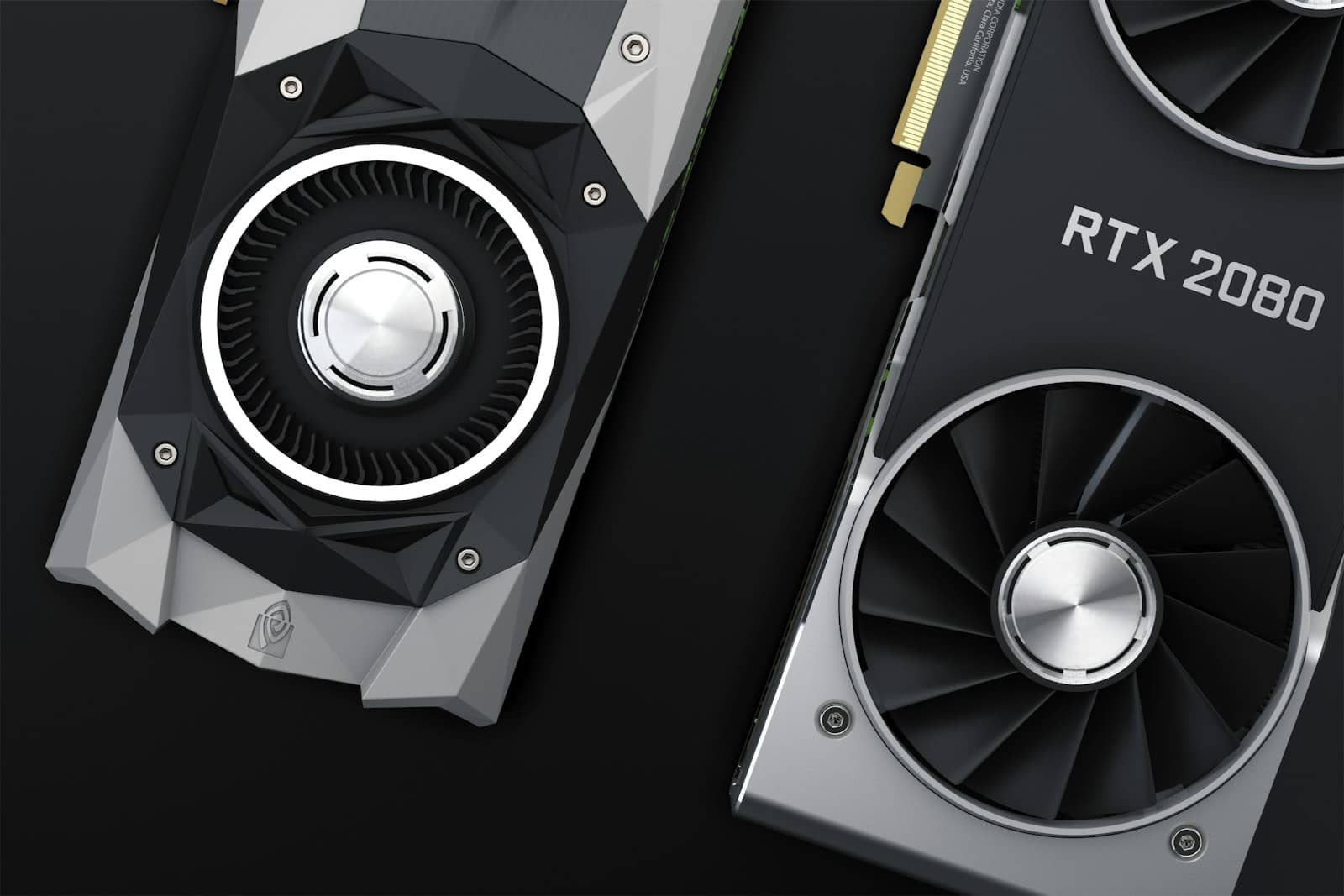
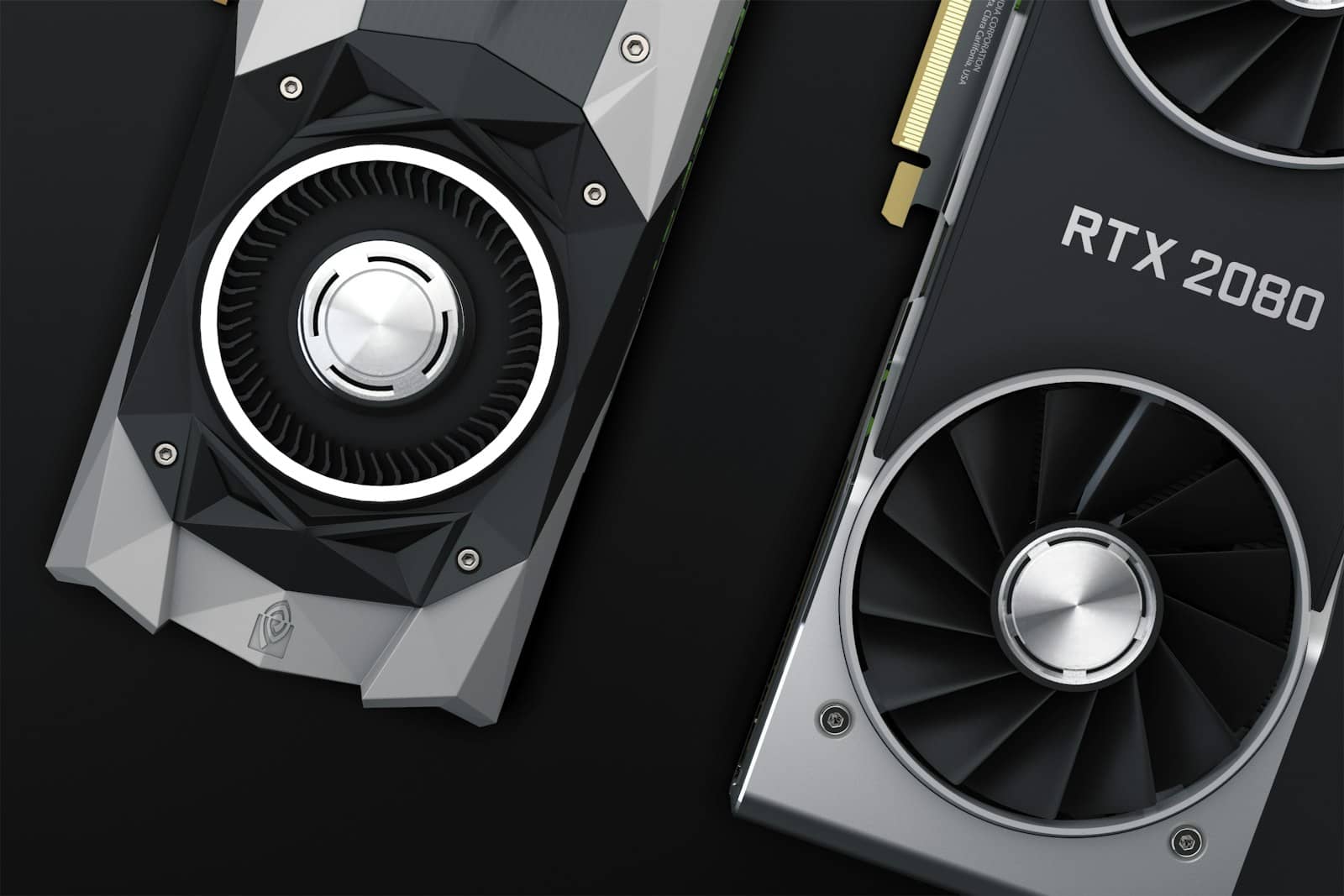
GDDR6 and GDDR7 memory, not the GPU die itself, is where most of the 2026 cost increase is coming from. · Unsplash
AMD waited for Nvidia to take the heat first
The detail I find most telling isn't the 10% number, it's the timing. AMD reportedly sat on this decision and let Nvidia announce its own increases first, absorbing the headlines and the backlash, before quietly following with a smaller-sounding hike of its own. That's not a coincidence, it's positioning. AMD gets to look like the more reasonable option on a percentage basis while still passing the same underlying memory costs to buyers. I don't think that makes AMD the villain here; I think it makes AMD good at reading a market where everyone was going to raise prices anyway.
One caveat worth being upfront about: some of the specific dollar projections floating around right now — an RX 9060-class card approaching $450, an RTX 5060 Ti approaching $760 — are retailer and analyst estimates about where street pricing could land as pre-hike inventory sells through, not confirmed new MSRPs from AMD or Nvidia. The confirmed numbers are the percentage kit increases and the South Korea retail data. Treat anything more specific than that as a forecast, not a fact, until it shows up on a receipt.
So — buy now, or wait it out?
Verdict
Buy now only if you actually need it this year
If your current GPU or console is dying or you have a build waiting on a graphics card, buy from existing pre-hike channel inventory now. It's the one window these reports agree still exists, and it closes as stock sells through over the next few weeks. If you're upgrading for the sake of upgrading, wait. Every signal here, from Xbox's own 2027 doubling estimate to the GDDR7 module math behind the RTX 50 hikes, points to memory costs getting worse before they get better — and paying a 2026 premium for a card you don't strictly need yet is money you can't get back.
Best for: Anyone shopping for a GPU or console who isn't already mid-build or mid-failure.
If the number that's actually bothering you isn't the sticker price but whether you even need new hardware, that's a fair question to sit with before you spend anything. We've written about what to actually check before assuming you need a new GPU — a surprising amount of "I need to upgrade" turns out to be a settings problem, regardless of what memory chips cost this quarter.
Is this a temporary price spike or a lasting increase?
Every source pointing to memory as the cause, including Xbox's own guidance expecting costs to roughly double again by fall 2027, suggests this is a multi-year trend, not a one-quarter blip.
Which GPUs are hit hardest by the AMD and Nvidia hikes?
Cards with more VRAM take the bigger increase in both companies' hikes, since GDDR memory modules are the specific cost driver — a 16GB card is affected more than an 8GB one.
Are console prices going up again after these increases?
Microsoft has said publicly it expects memory and storage costs to roughly double again by fall 2027, which points toward further increases rather than a one-time correction.
Is there any way to avoid the price hikes right now?
The only confirmed workaround is buying from existing pre-hike channel inventory before it sells through — new kit pricing takes weeks to fully reach retail shelves after AMD or Nvidia announce it.
This is a prediction, not a report: expect at least one more round of GPU and console price increases before the end of 2027, on the same memory-shortage logic driving every hike so far this year. Nothing in the AI-driven demand for DRAM and GDDR capacity is easing up, and every platform holder here has already shown it's willing to pass that cost straight to buyers rather than absorb it. If you've been putting off a GPU purchase hoping the market calms down, the honest read of the evidence right now is that it isn't going to — not this year, and probably not next.