ElevenLabs, OpenAI, Higgsfield, Murf, Play.ht and more — which AI voice generator actually wins for narration, ads, audiobooks and dubbing, where each falls down, and the consent rules you can't skip.
This post contains affiliate links. If you buy through them, Aliteq may earn a commission — at no extra cost to you. Prices verified at publish time.
Share
The voice is the part of AI content people notice first — and it's the part that quietly kills a channel when it's wrong. A stiff, robotic narrator makes even great writing feel like spam, while a warm, natural read carries a mediocre script further than it deserves. In 2026 the good AI voice tools are genuinely good — the catch is that they're good at different jobs. The model that nails a calm audiobook chapter is not the one that lands a punchy 15-second ad, and neither is the one you'd trust to dub a video into six languages. I use these daily, so this is the honest, job-by-job map: which AI voice generator to reach for, where each one falls down, and the consent/disclosure rules you genuinely can't ignore.
No fake quality scores here — voice realism is subjective and every tool ships new models constantly. This is a qualitative, use-it-in-anger breakdown for real content work.
ElevenLabs
Most realistic / emotion
narration, audiobooks, cloning
Murf
Ads & corporate
polished editor, brand reads
ElevenLabs Dubbing
Multilingual / dubbing
Google/Azure for cheap scale
Higgsfield
All-in-one for creators
voice alongside image + video
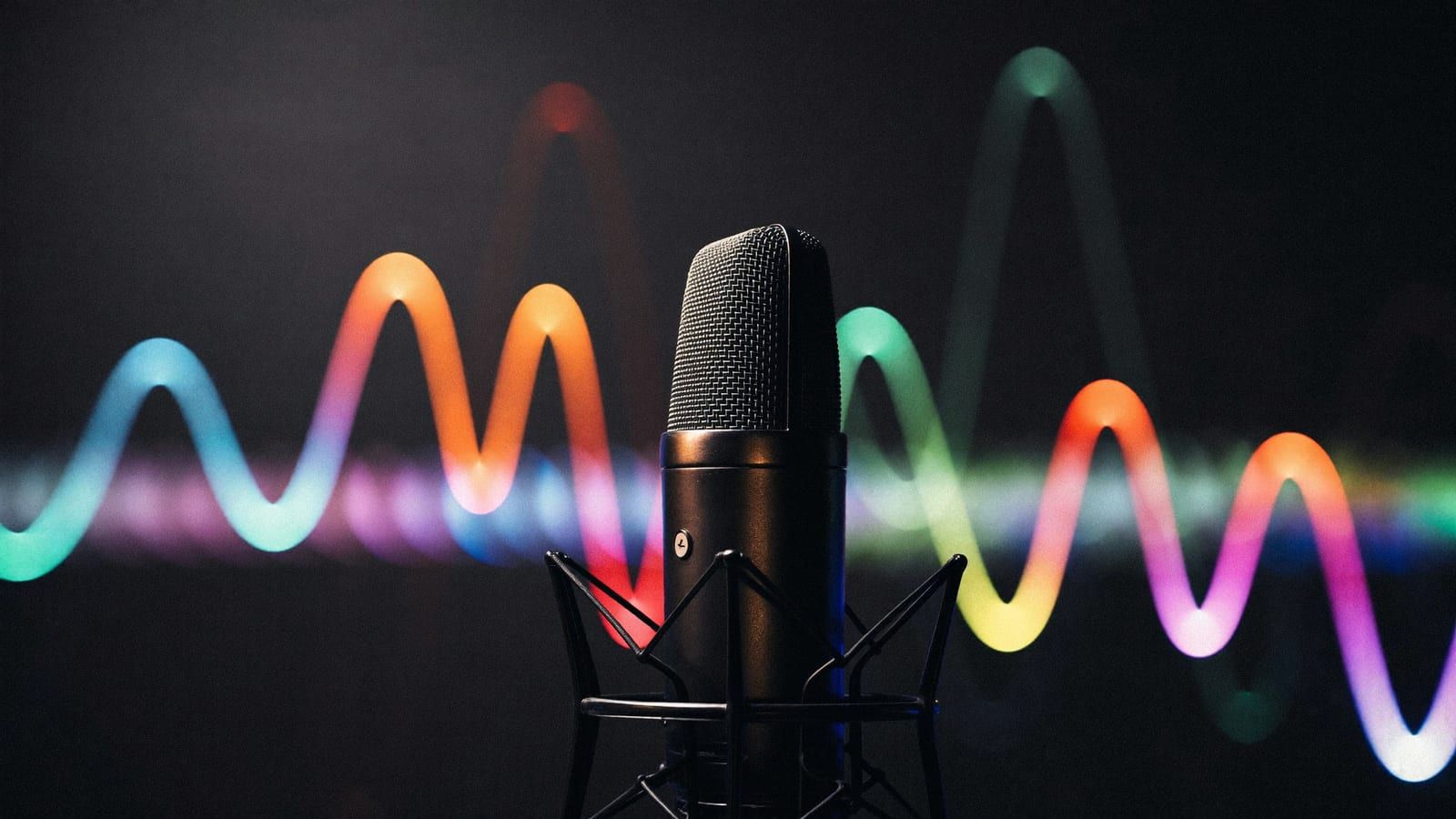
The voice is what people notice first — and the cheapest part of your production to get right now. Generated with Higgsfield. · Generated with Higgsfield
First, name the job the voice has to do
Before you pick a tool, name the read. AI voice work breaks into five jobs, and different tools are strong at different ones: (1) long-form narration for faceless YouTube and explainers; (2) short, punchy ad and promo reads; (3) audiobooks and other multi-hour long-form; (4) multilingual voiceover and dubbing; and (5) character or cloned voices with a specific persona. Judge every generator against the job you actually need — not a generic 'which sounds best'.
The contenders, by what they're actually best at
AI voice tools — the honest fit
ElevenLabs
Best job
Most natural delivery + emotion; strong cloning + dubbing
Watch out for
Character-based pricing adds up at audiobook scale
OpenAI voices (TTS/realtime)
Best job
Natural, conversational — great in apps and assistants
Watch out for
Fewer voices; less fine control over style
Higgsfield voice
Best job
Voice living in the same suite as your image/video work
Watch out for
Newer; fewer niche voices than a dedicated house
Play.ht
Best job
Large voice library + long-form workflow
Watch out for
Quality varies by voice — audition before you commit
Murf
Best job
Polished ad/corporate reads + an easy timeline editor
Watch out for
Can read a touch 'presenter'; subscription tiers
Google / Azure TTS
Best job
Cheap, scalable, huge language coverage
Watch out for
Flatter emotion — fine for utility, weak for storytelling
Best job
Watch out for
ElevenLabs
Most natural delivery + emotion; strong cloning + dubbing
Character-based pricing adds up at audiobook scale
OpenAI voices (TTS/realtime)
Natural, conversational — great in apps and assistants
Fewer voices; less fine control over style
Higgsfield voice
Voice living in the same suite as your image/video work
Newer; fewer niche voices than a dedicated house
Play.ht
Large voice library + long-form workflow
Quality varies by voice — audition before you commit
Murf
Polished ad/corporate reads + an easy timeline editor
Can read a touch 'presenter'; subscription tiers
Google / Azure TTS
Cheap, scalable, huge language coverage
Flatter emotion — fine for utility, weak for storytelling
Read that as a toolbox, not a leaderboard. ElevenLabs is the daily driver when the delivery itself has to carry — narration, audiobooks, anything with feeling — and its cloning and dubbing are best-in-class. OpenAI's voices shine in conversational and app contexts. Murf is purpose-built for ads and corporate explainers where you want a clean, controllable editor. Play.ht wins on sheer voice selection for long-form. Google and Azure are the workhorses when you need cheap, massive multilingual coverage and can live with flatter emotion. Higgsfield earns its place when voice is one step in a bigger creative pipeline you're already running.
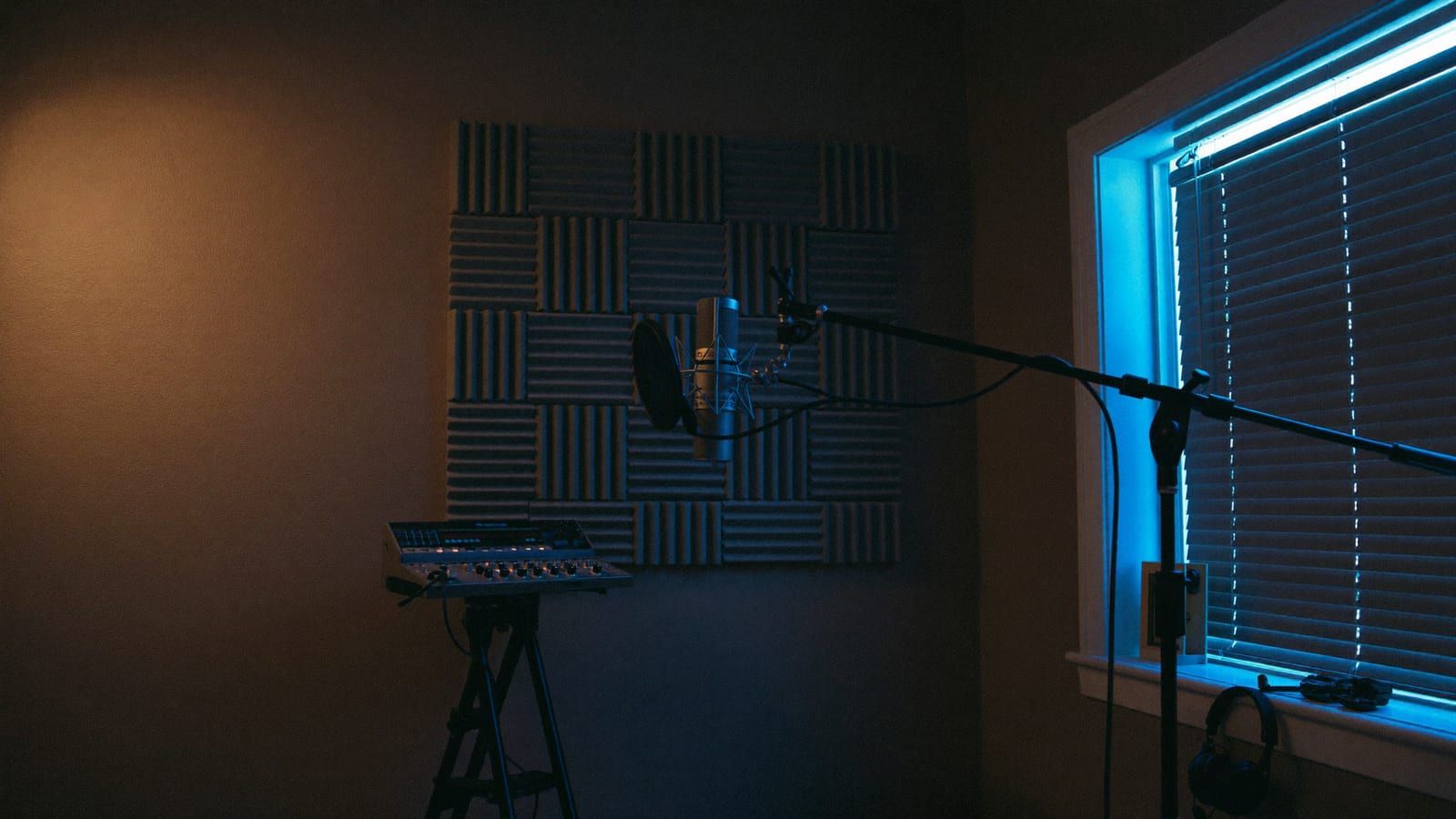
Match the voice to the job — a calm audiobook read and a 15-second ad need different tools. Generated with Higgsfield. · Generated with Higgsfield
The tells that still give AI voices away
Even the best tools slip in predictable places, and knowing them is how you avoid the 'this is AI' flinch. Watch for: odd emphasis on the wrong word, flat or mistimed emotional beats, mispronounced names, brand terms and acronyms, and breaths that land in unnatural spots. The fixes are boring but they work — feed the tool proper punctuation, spell tricky words phonetically, break long paragraphs into shorter lines so pacing resets, and do one human listen-through before you publish. Ninety percent of 'the voice sounds off' is a script-and-input problem, not a model problem.
Pros
+ A studio-quality narrator on demand, 24/7, in minutes
+ One script → many languages without hiring voice actors
+ Consistent brand voice across every video and ad
+ Cheap enough to test hooks and intros you'd never book a booth for
Cons
− Emotional range still trails a great human read for storytelling
− Names, acronyms and brand terms need manual pronunciation fixes
− Per-character or per-minute pricing bites at audiobook scale
− Voice cloning carries real consent and disclosure obligations
Consent and disclosure — the non-negotiable part
This is the line you don't cross for a shortcut. Only clone or imitate a voice you have explicit, documented permission to use — cloning a real person (a celebrity, a colleague, an ex) without consent isn't just rude, it's a legal problem and a fast track to takedowns. For a brand voice, use a licensed stock voice or a persona you own. And disclose AI narration where the platform asks for it: several now require labeling synthetic media in specific contexts. Getting this right costs you nothing and protects everything you build on top of it.
You don't need the booth anymore — but you still own the ethics of whose voice you use. Generated with Higgsfield. · Generated with Higgsfield
Higgsfield · AI voice
Sponsored
If your voiceover is one step in a bigger pipeline — script, images, video, then narration — keeping it in one place (Higgsfield) beats stitching together separate voice, image and video subscriptions. Free tier to test the read before you commit.
If you make faceless YouTube videos or explainers, start with ElevenLabs for the narration — the delivery is what retains viewers. Running ads? Murf's editor gets you a clean, controllable read fastest. Publishing audiobooks or hours of long-form, audition Play.ht's library alongside ElevenLabs and watch the per-character cost. Going multilingual, ElevenLabs Dubbing for quality or Google/Azure when you need cheap scale across a dozen languages. And if voice is just one stage of a creative pipeline you're already running — the same one behind the best AI video generators and the best AI image generators for product photos — an all-in-one suite keeps you in a single workflow. Building a recurring on-camera-style persona instead? That's a different craft: see how to create a consistent AI influencer. More ways people put these tools to work are in the AI Money hub.
Quick answers
Which AI voice sounds the most human?
For natural delivery and emotional range, ElevenLabs is still the one most people can't clock as AI — especially for narration and audiobooks. But 'most human' depends on the read; a punchy ad and a calm chapter reward different tools, so audition two or three against your actual script before deciding.
Is it legal to clone someone's voice?
Only with that person's explicit, documented consent. Cloning a real person's voice without permission — a celebrity, a coworker, anyone — can breach right-of-publicity and platform rules and get your content removed. For a brand voice, use a licensed stock voice or a persona you own outright.
Do I have to disclose that a voice is AI-generated?
Increasingly, yes — several platforms now require labeling synthetic or AI-generated media in specific contexts, and ad platforms have their own disclosure rules. Check the current policy wherever you publish. Disclosing costs you nothing and keeps you clear of takedowns.
What's the cheapest way to start?
Most tools have a free tier or trial — generate the same paragraph in two or three and compare. For utility voiceover at scale, Google/Azure TTS is the cheapest; for anything where the delivery carries the content, spend on ElevenLabs or keep it in an all-in-one suite you're already paying for.
Can AI voices handle other languages well?
Yes, and it's one of the biggest unlocks — one script can become a dozen dubbed versions. ElevenLabs Dubbing leads on quality; Google and Azure cover the most languages cheaply with flatter emotion. Always have a native speaker spot-check pronunciation before you publish in a language you don't speak.
HiggsfieldSponsored
Give your content a voice this week
Generate a natural voiceover, keep it in the same place as your images and video, and test a hook before you commit. Free tier to hear it first.