The real skill isn't generating one good AI photo, it's the same face showing up across a hundred shoots. Here's the character-sheet + Soul ID technique, copy-paste prompts, and how the money actually works (brand deals, UGC, faceless IG/Fanvue).
This post contains affiliate links. If you buy through them, Aliteq may earn a commission — at no extra cost to you. Prices verified at publish time.
Share
Anyone can generate one great photo of an AI person now. That's not the hard part and it hasn't been for a year. The hard part — the actual moat between 'I made a cool image' and 'I have an audience that recognizes this face' — is consistency: the same person, with the same freckle pattern and the same nose and the same necklace, showing up across a hundred different shoots. Miss that and you don't have a character, you have a slot machine that occasionally spits out the same-ish face.
That single problem is also where the money is. Faceless IG and Fanvue accounts, UGC ad spokespeople, brand-deal virtual influencers — every one of them lives or dies on whether the audience believes it's looking at one person. I build these for a living, so this is the actual technique (not the vague 'just prompt harder' advice you'll find elsewhere), plus copy-paste prompts you can run today.
Step 1: define the character on paper before you generate anything
Every consistency failure I've seen traces back to the same root cause: the creator never actually wrote the character down. They had a vibe in their head, prompted from memory, and got a slightly different woman every time. Treat this like a casting sheet, not a vibe. Lock four things in writing — face/physical traits, hair, a signature wardrobe anchor (a necklace, glasses, a jacket — something that reads instantly even in a thumbnail), and a default expression — and then paste that exact block into every single generation.
CHARACTER SHEET — copy this into every prompt

[SUBJECT]: a [age]-year-old [gender], [distinguishing features],
  [hair color/length/style], [eye color], [skin tone/notable marks],
  [build/height impression]
[WARDROBE ANCHOR]: [one signature item worn in most shots —
  e.g. a specific necklace, glasses, jacket]
[EXPRESSION]: [default vibe — e.g. warm, confident half-smile]
[STYLE]: photoreal, natural skin texture, soft daylight, shot on 50mm
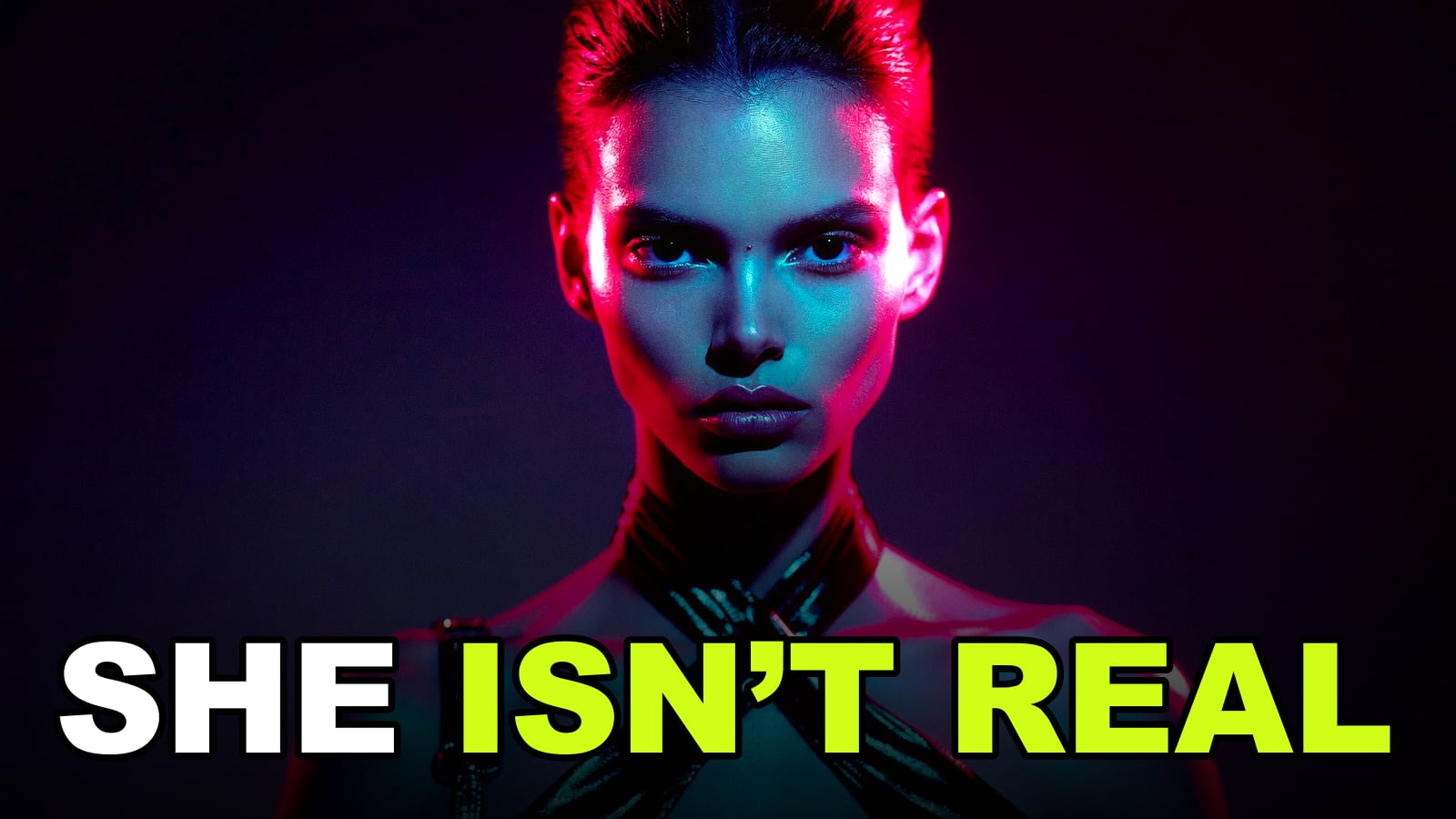
Filled in, that's the exact block behind the images in this post: "a 24-year-old woman, light freckles across her nose and cheeks, auburn shoulder-length wavy hair, green eyes, fair skin, medium build — wearing a thin gold necklace with a small star pendant — warm, confident half-smile — photoreal, natural skin texture, soft daylight, shot on 50mm." Save that paragraph somewhere. It's the single most reused piece of text you'll write for this project.
Step 2: keep her the same face — Soul ID / Soul Cast
Writing a good description gets you 80% of the way, but plain text prompting will still drift — hair length creeps, the freckle pattern moves, the face gets subtly younger or older shoot to shoot. The fix is a reference-locked character workflow rather than pure text: generate (or upload) one strong reference image of your character, then use that as a Soul ID — Higgsfield's Soul Cast feature locks the face from the reference and generates new poses, outfits and settings around it instead of re-imagining the person from scratch each time.
In practice: generate your first image from the character-sheet prompt above, pick the best result as your reference, cast it as a Soul, and every prompt after that becomes purely about the scene — where she is, what she's doing, what she's wearing — because the face is already locked. This is the difference between "a woman who looks kind of similar" across your feed and "the same person" across your feed. Audiences and brands both notice which one you're doing.
Nora at a sunlit kitchen counter, holding a coffee mug, warm morning light, photoreal
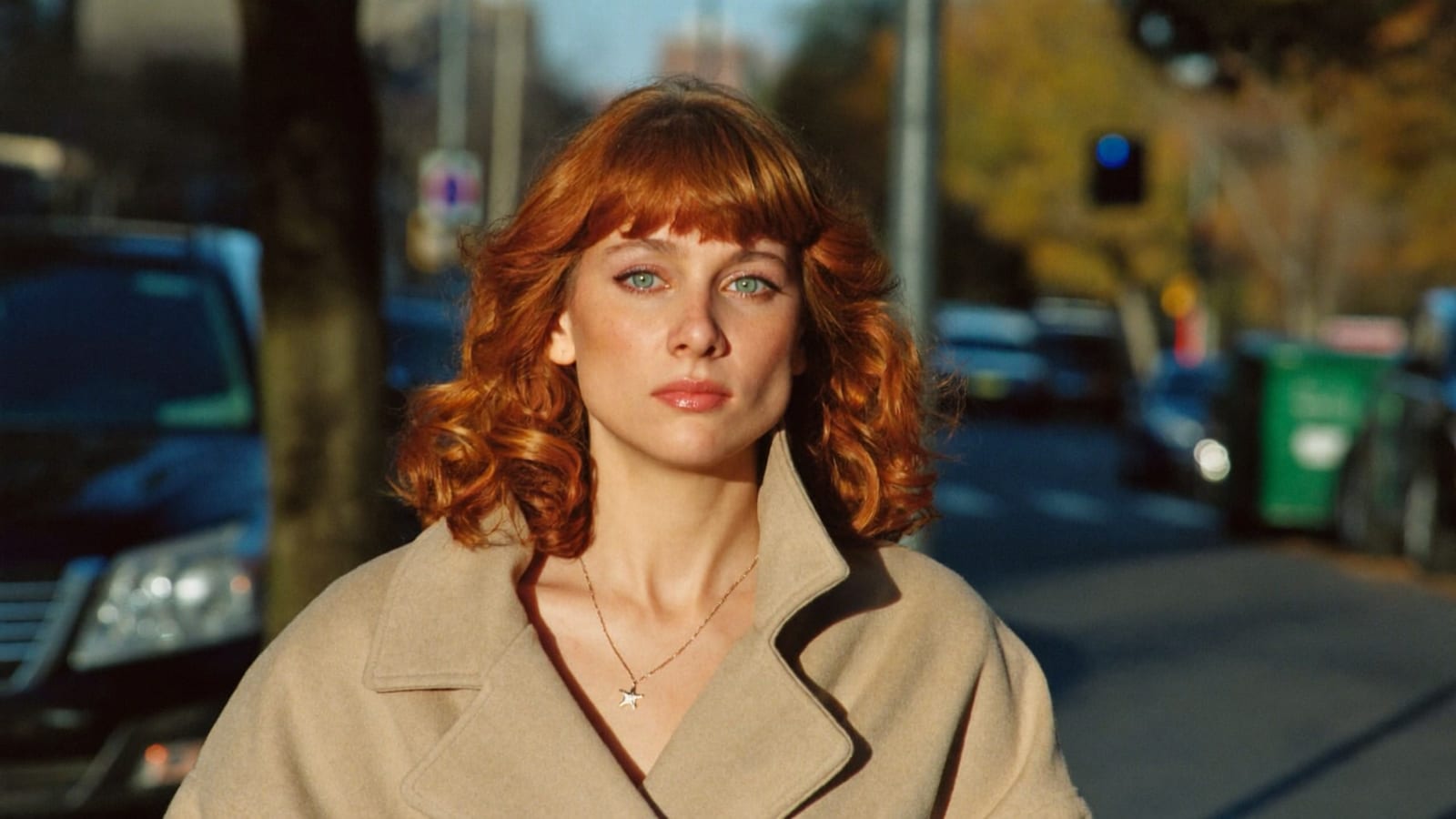
Nora walking a city street in autumn, oversized beige coat, candid mid-stride, golden hour
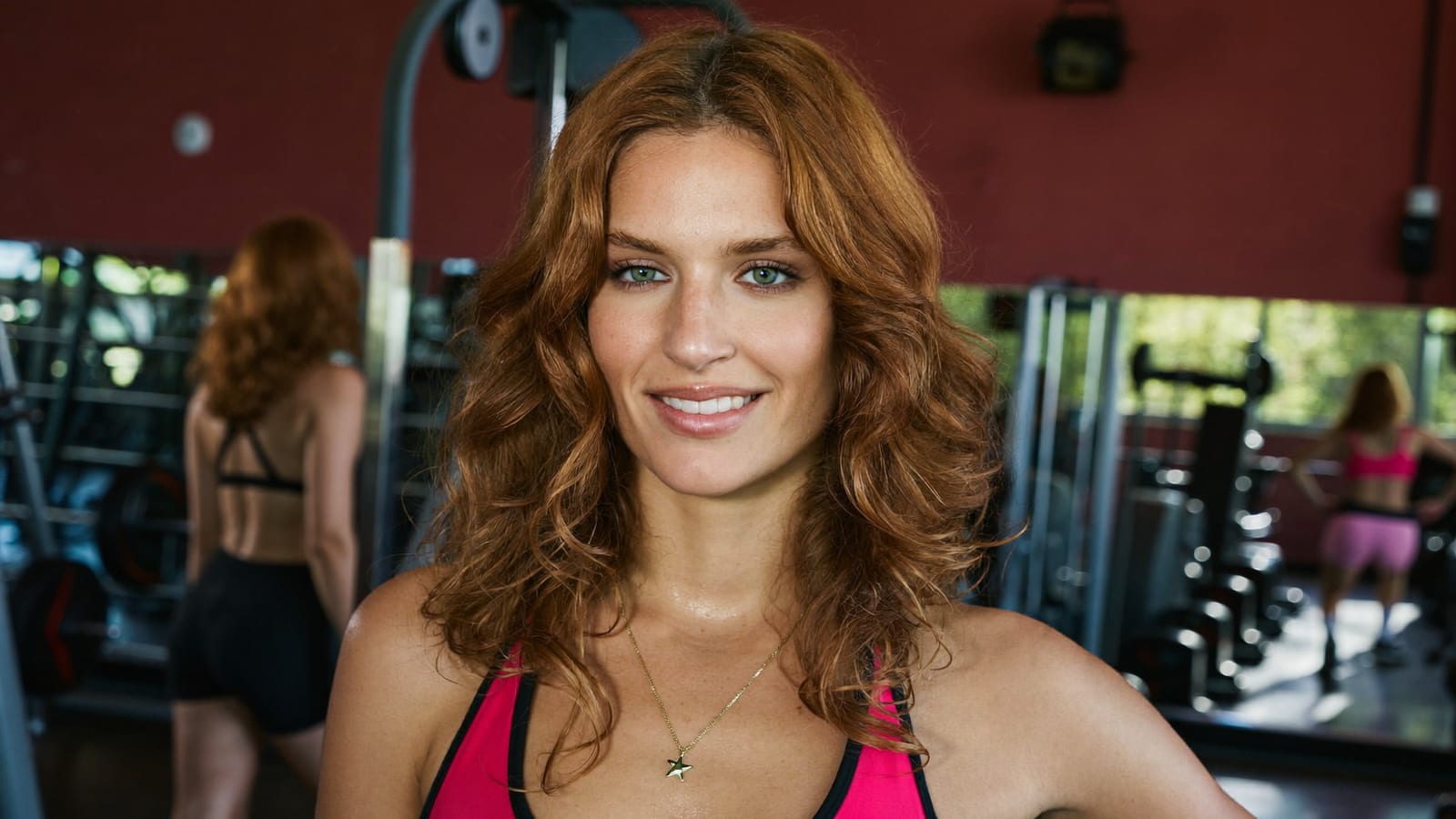
Nora at the gym mid-workout, athletic wear, gym mirror reflection, motivated expression
Nora at a farmers market, holding a bouquet of flowers, golden hour, candid smile
Nora at a work desk, laptop open, casual blazer over t-shirt, focused, window light
Nora on a beach at sunset, wind in her hair, casual summer dress, looking off camera
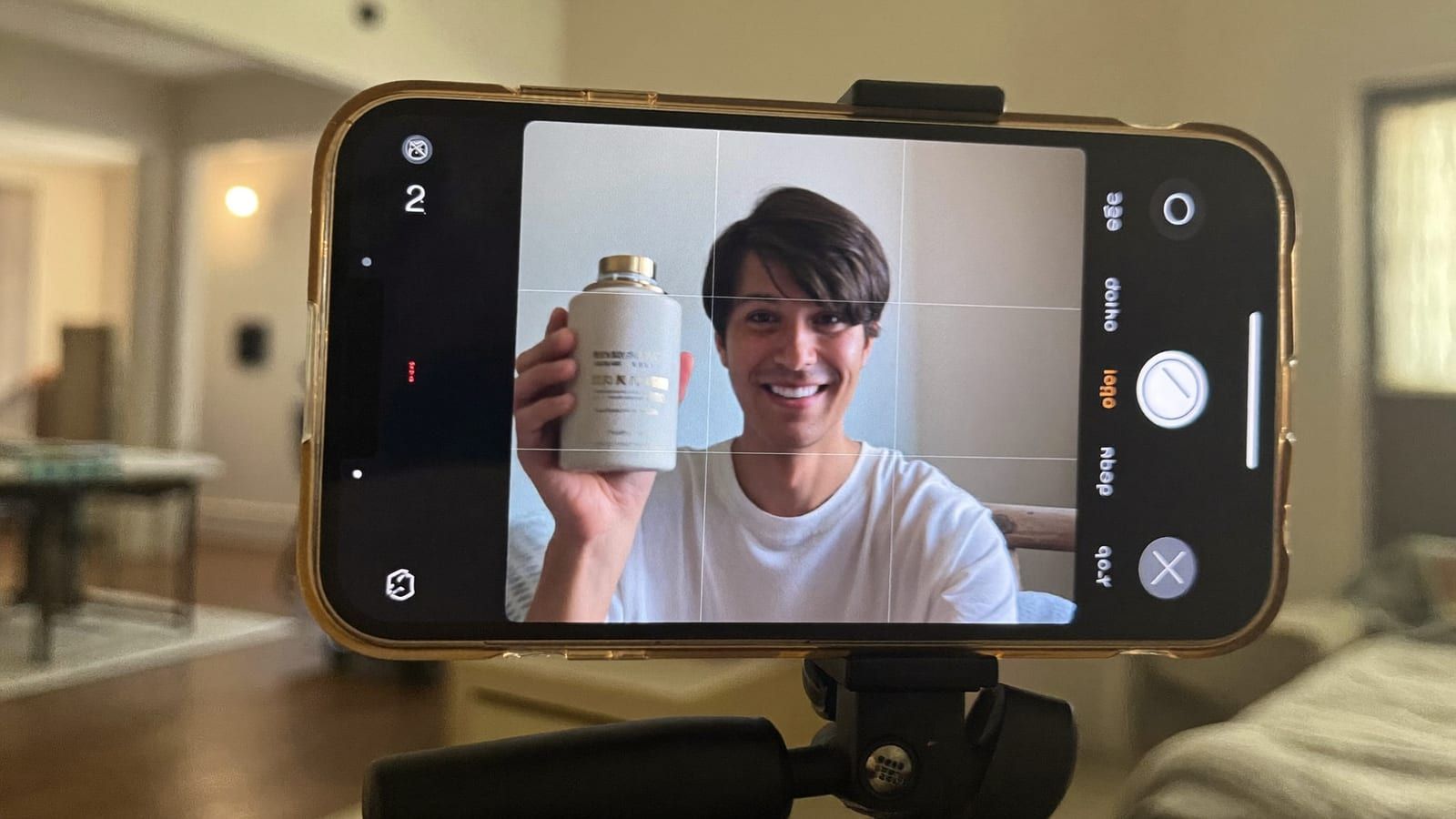
Nora filming a phone selfie video in a cozy apartment at night, warm lamp lighting
Nora in a bathroom mirror mid skincare routine, towel on head, soft morning glow
Swap "Nora" for whatever you cast your Soul as — the point of that list is the pattern: name + location + one prop or action + lighting. Once the face is locked, that's all a scene prompt needs to be.
Step 3: put her to work — brand deals, UGC, faceless pages
A consistent character isn't just aesthetically satisfying, it's the whole business model. Three lanes actually make money right now:
Faceless IG/Fanvue pages — a consistent character is the entire premise. Post daily variety (gym, travel, cozy-night, work) from one locked Soul and the account reads as one continuous person instead of a slideshow of strangers.
UGC ad spokespeople — brands pay $150–300 per clip for a person holding their product and talking to camera. A locked character does this for a fraction of the cost, in your outfit/setting of choice, reused across every product a brand sends you.
Brand deals direct — once an AI character has a real following, brands sponsor her the same way they'd sponsor a human creator. This only works if she's recognizable — which is, again, the consistency problem, not a content problem.
The two images below are the same Soul as the hero shot — same freckles, same auburn hair, same necklace — dropped into a city-street scene and a gym scene. That's the actual product: not one great photo, but the same person showing up everywhere.
Same Soul, new scene — a city-street shot generated from the locked character. · Generated with HiggsfieldSame Soul, third scene — a gym shot, still the same face and necklace. · Generated with Higgsfield
Higgsfield · Soul — consistent characters
Sponsored
Cast a character once as a Soul and generate unlimited new scenes that keep the exact same face — the feature this entire workflow depends on. Free tier to test before you commit.
+ One locked character = unlimited on-brand content without a shoot, a model release, or a rescheduling headache
+ Scales to brand deals and UGC ad work the same character was built for from day one
+ Cheap to iterate — testing a new outfit or setting costs a generation, not a wardrobe budget
+ You own the character outright; no usage-rights renewal with a human creator
Cons
− Disclosure and ethics aren't optional — running an AI persona as if it's a real human, undisclosed, is a fast way to get called out or demonetized
− Platform rules move — Instagram, TikTok and Fanvue all have their own (changing) AI-content policies; check the current terms for wherever you post, not what was true last year
− Uncanny tells still exist: hands, fast lip-sync in video, and busy backgrounds are where even a well-cast Soul can slip — keep scenes simple
− A face this consistent invites impersonation risk in the other direction — protect your reference images and don't let a locked Soul be trained from someone else's likeness
Quick answers
Do I have to disclose that the influencer is AI?
Treat it as yes by default. Platform ad-disclosure rules and basic audience trust both point the same way — label AI-generated personas clearly, especially on anything running as a paid brand deal or ad. It also just performs better long-term; audiences that feel tricked don't stay.
What actually breaks consistency the most?
Re-describing the character from memory instead of pasting the exact locked description or reference every time. The fix is mechanical, not artistic: keep the character sheet text (or the Soul reference) in one place and reuse it verbatim.
Can I turn this character into a talking UGC ad?
Yes — once the face is locked, the same Soul can be carried into video generation holding a product and delivering a script. Keep the framing simple (waist-up, minimal hand movement) since fast lip-sync and hands are still where AI video shows its seams.
Is this the same as a deepfake?
No — a deepfake maps onto a real person's identity without consent. This is an entirely original, invented person who never existed, which is exactly why every prompt here starts from scratch rather than from a real face.
This is one lane — AI characters, faceless content and reusable spokespeople all sit on top of the same handful of techniques. I collect the ones that actually make money in AI Studio.
HiggsfieldSponsored
Cast your character once, reuse her forever
Lock a face with Soul, then generate unlimited on-brand scenes — the workflow behind every image in this post. Free tier to try it before you pay.