No single winner — it's which tool wins which shot. An honest, job-by-job comparison of Nano Banana Pro, GPT Image, Midjourney, Imagen, Soul, Cinema Studio and Ideogram for e-commerce product photography.
This post contains affiliate links. If you buy through them, Aliteq may earn a commission — at no extra cost to you. Prices verified at publish time.
Share
Your product photos are the single biggest conversion lever you actually control — and in 2026 you don't need a studio to make good ones. But 'use AI' is useless advice, because the tools are not interchangeable. The model that nails a crisp white-background catalog shot is not the one that nails packaging typography, and neither is the one that puts your product in a believable pair of hands. I generate this stuff daily, so this is the honest map: which AI image generator actually wins for which product-photo job, where each one falls down, and how to pick without burning a week of trial-and-error.
No fake benchmark charts here — image quality is subjective and every model ships a new version monthly. This is a qualitative, use-it-in-anger breakdown of what each tool is genuinely good at for e-commerce work.
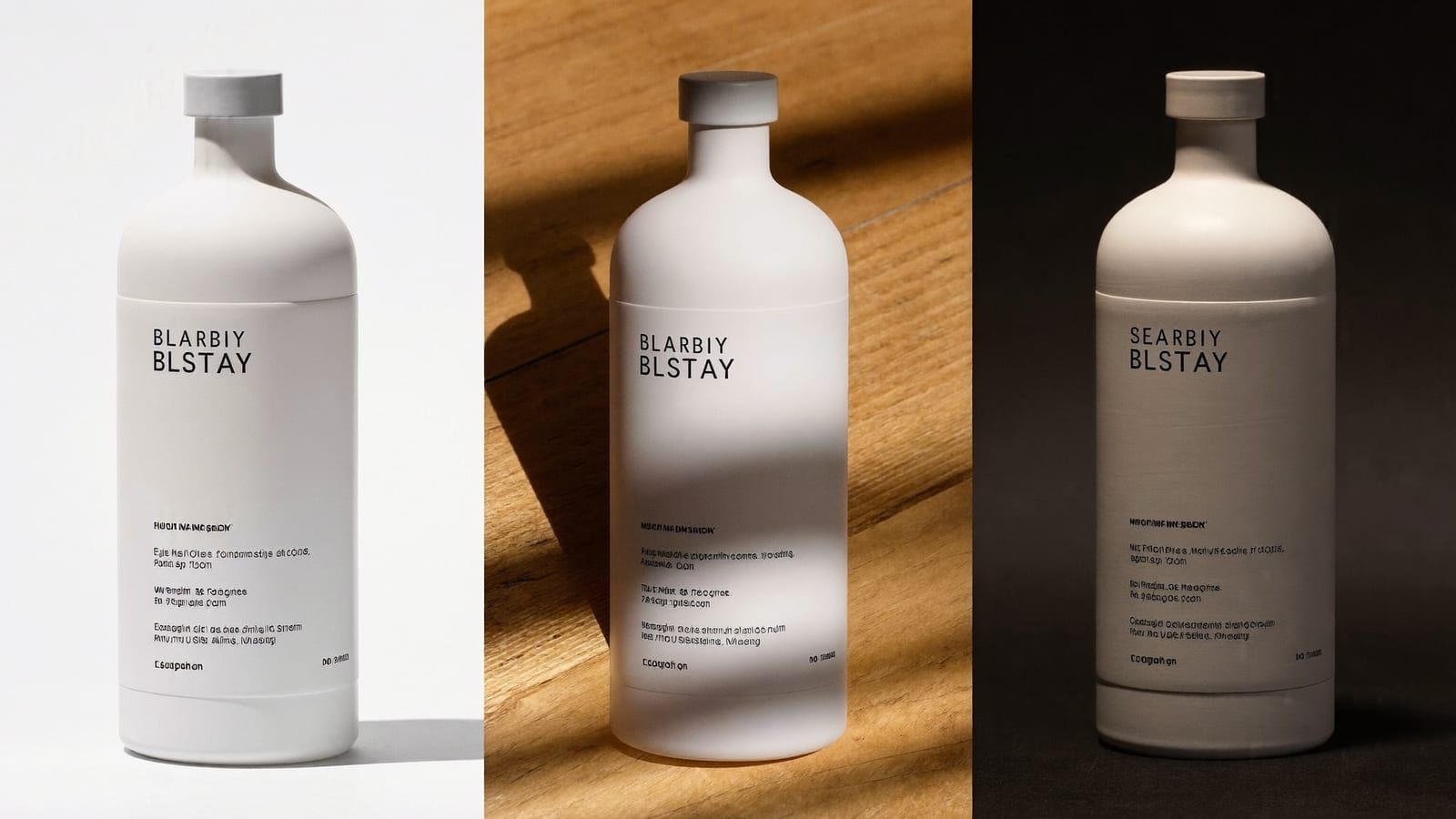
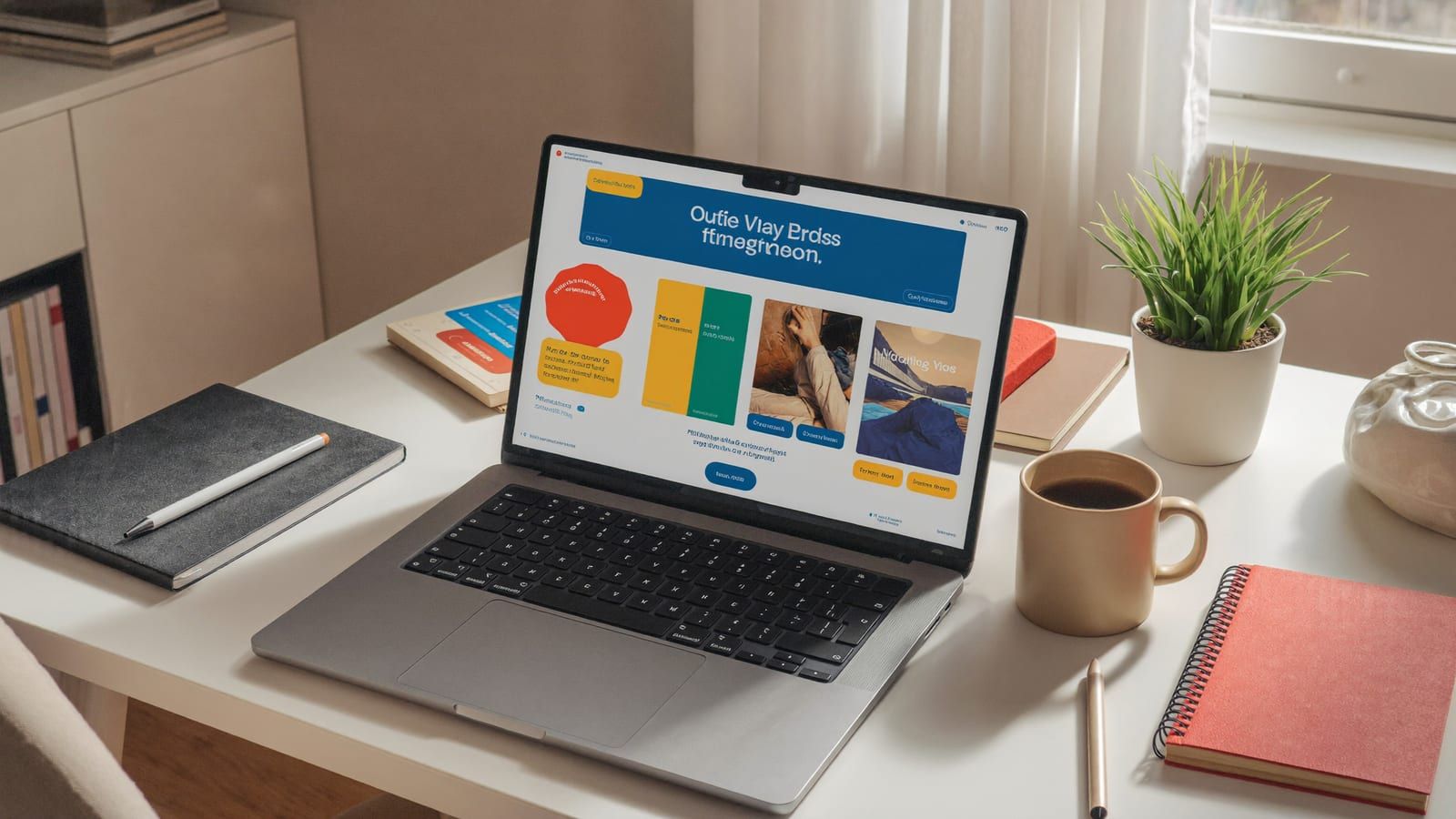
One product, three lighting jobs side by side — and different AI models each nail a different one. Generated with Higgsfield. · Generated with Higgsfield
First, the five jobs a product photo actually has to do
Before picking a tool, name the shot. E-commerce imagery breaks into five jobs, and different models are strong at different ones: (1) the clean white-background PDP shot; (2) the lifestyle/in-context scene; (3) packaging and typography (labels, logos, fine text); (4) the premium editorial/hero mood shot; and (5) the held-in-hand or on-model lifestyle shot. Judge every generator against the job you actually need, not a generic 'which is best' score.
The contenders, by what they're actually best at
AI image models for product work — the honest fit
Nano Banana Pro
Best job
Clean PDP shots + reliable text/logos on packaging
Watch out for
Can look a touch 'clean-clinical' for lifestyle
GPT Image
Best job
Follows detailed prompts + typography well; great all-rounder
Watch out for
Slower; sometimes over-smooth skin/materials
Midjourney
Best job
Gorgeous lifestyle + editorial realism, texture and light
Watch out for
Weaker at exact text; less literal prompt control
Google Imagen
Best job
Photoreal scenes + strong prompt adherence
Watch out for
Access/limits vary; conservative on some content
Soul
Best job
Held-in-hand, UGC and on-model lifestyle that reads real
Watch out for
Not aimed at flat catalog/white-bg work
Cinema Studio
Best job
Premium, moody, editorial hero shots
Watch out for
Overkill for plain PDP; a 'look', not a workhorse
Ideogram
Best job
Text-in-image — packaging, labels, promo graphics
Watch out for
Less photoreal for full product scenes
Best job
Watch out for
Nano Banana Pro
Clean PDP shots + reliable text/logos on packaging
Can look a touch 'clean-clinical' for lifestyle
GPT Image
Follows detailed prompts + typography well; great all-rounder
Slower; sometimes over-smooth skin/materials
Midjourney
Gorgeous lifestyle + editorial realism, texture and light
Weaker at exact text; less literal prompt control
Google Imagen
Photoreal scenes + strong prompt adherence
Access/limits vary; conservative on some content
Soul
Held-in-hand, UGC and on-model lifestyle that reads real
Not aimed at flat catalog/white-bg work
Cinema Studio
Premium, moody, editorial hero shots
Overkill for plain PDP; a 'look', not a workhorse
Ideogram
Text-in-image — packaging, labels, promo graphics
Less photoreal for full product scenes
Read that table as a toolbox, not a leaderboard. Nano Banana Pro and GPT Image are your reliable daily drivers for catalog and packaging because they respect fine text and logos better than most — the exact thing that usually breaks. Midjourney and Soul are where lifestyle comes alive: Midjourney for scene beauty and light, Soul for a real person holding your product without a photoshoot. Cinema Studio is the one you reach for when you want a hero image that looks like a brand campaign, and Ideogram is the specialist when the shot IS the text (a label, a promo banner). Imagen is a strong photoreal generalist when you have access.
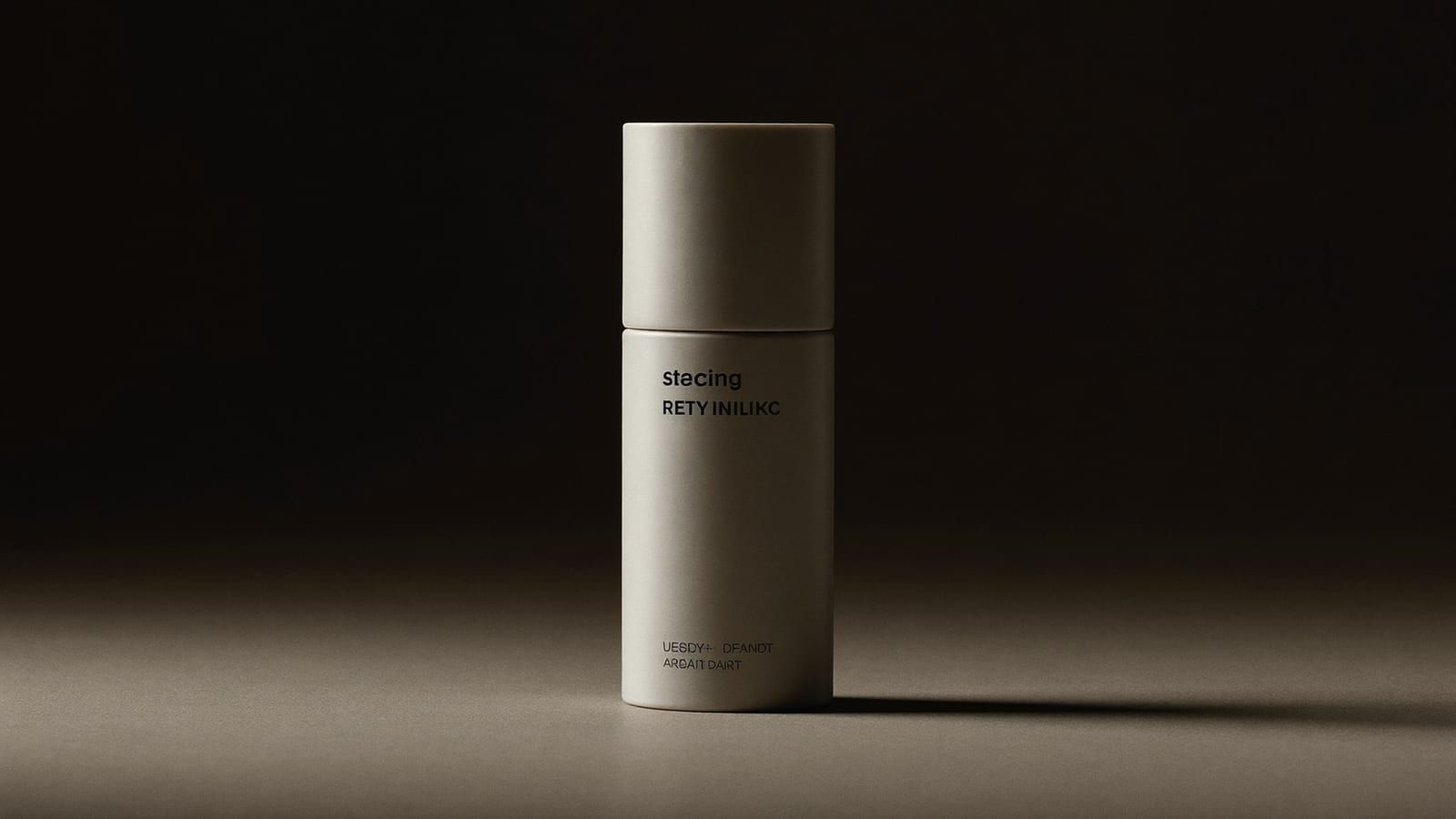
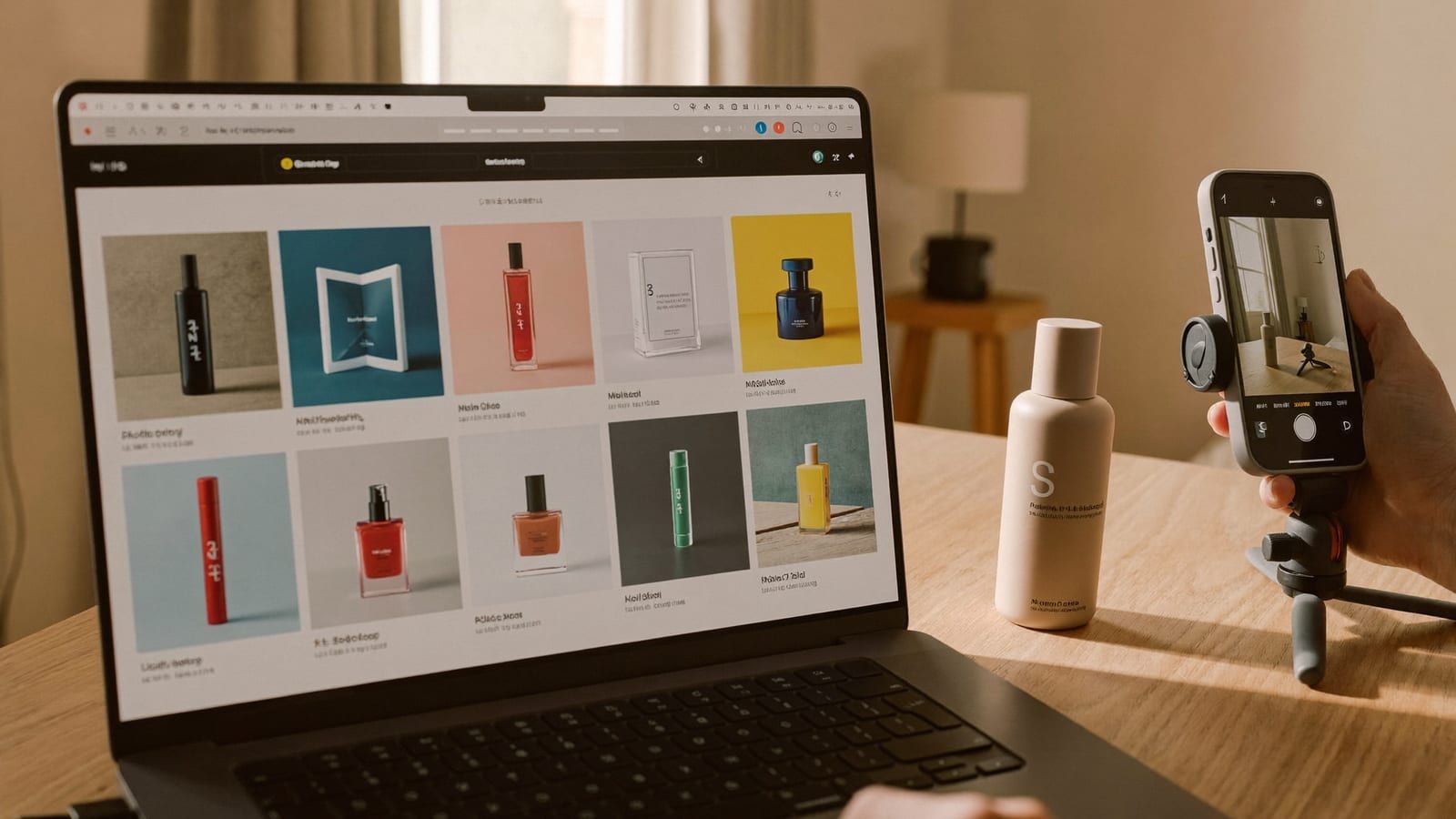
Same product, the moody editorial job — a different model's strength. Generated with Higgsfield. · Generated with Higgsfield
The one limitation they all share
Every model on this list still garbles small print. If your label has ingredients, a logo lockup, or fine legal text, expect the AI to invent gibberish there — even the text-strong models are only reliable for short, large type. The professional workflow is to generate the scene and lighting, then composite your real label back on top in any editor. Treat AI as the photographer and set-builder, not the print shop. And whatever the model, eyeball every single frame before it goes near a product page — a great scene with a cursed label is worse than no photo at all.
Pros
+ One phone photo becomes white-bg, lifestyle, seasonal and hero shots — a month of feed in an afternoon
+ Cents per image vs a photographer's day rate; iterate instantly
+ Test many angles/scenes to find what converts, cheaply
+ No shoot logistics, models, or location fees
Cons
− Fine label text and logos still need a human composite
− Hands, reflections and exact brand colors need checking
− No single model wins every job — you'll switch tools per shot
− Over-polished can read as 'ad'; a little realism converts better
So which should you actually use?
Clean PDP / white-background catalog: Nano Banana Pro or GPT Image.
Packaging, labels, promo text: Ideogram (or Nano Banana Pro for short type).
Lifestyle scenes with beautiful light: Midjourney.
Held-in-hand / on-model / UGC: Soul — and pair it with a reusable AI character so the same face shows up across every ad.
Premium hero / campaign mood: Cinema Studio.
A photoreal generalist when you have access: Google Imagen.
Here's the practical problem with that list: it's five or six different subscriptions, logins and waitlists to cover one store's photo needs — and you switch between them constantly, because a single product drop needs a PDP shot, a lifestyle scene, and a held-in-hand ad. That's the real argument for an all-in-one suite: not that it's the single best model at any one job, but that running several of these under one roof (plus a reusable brand character) is how the workflow actually goes.
Higgsfield · Image models, one place
Sponsored
Higgsfield runs several top image models (Nano Banana Pro, Cinema Studio, Soul and more) plus reusable characters in one place — so you can try the same product across models and keep the best without five subscriptions. Free tier to test first.
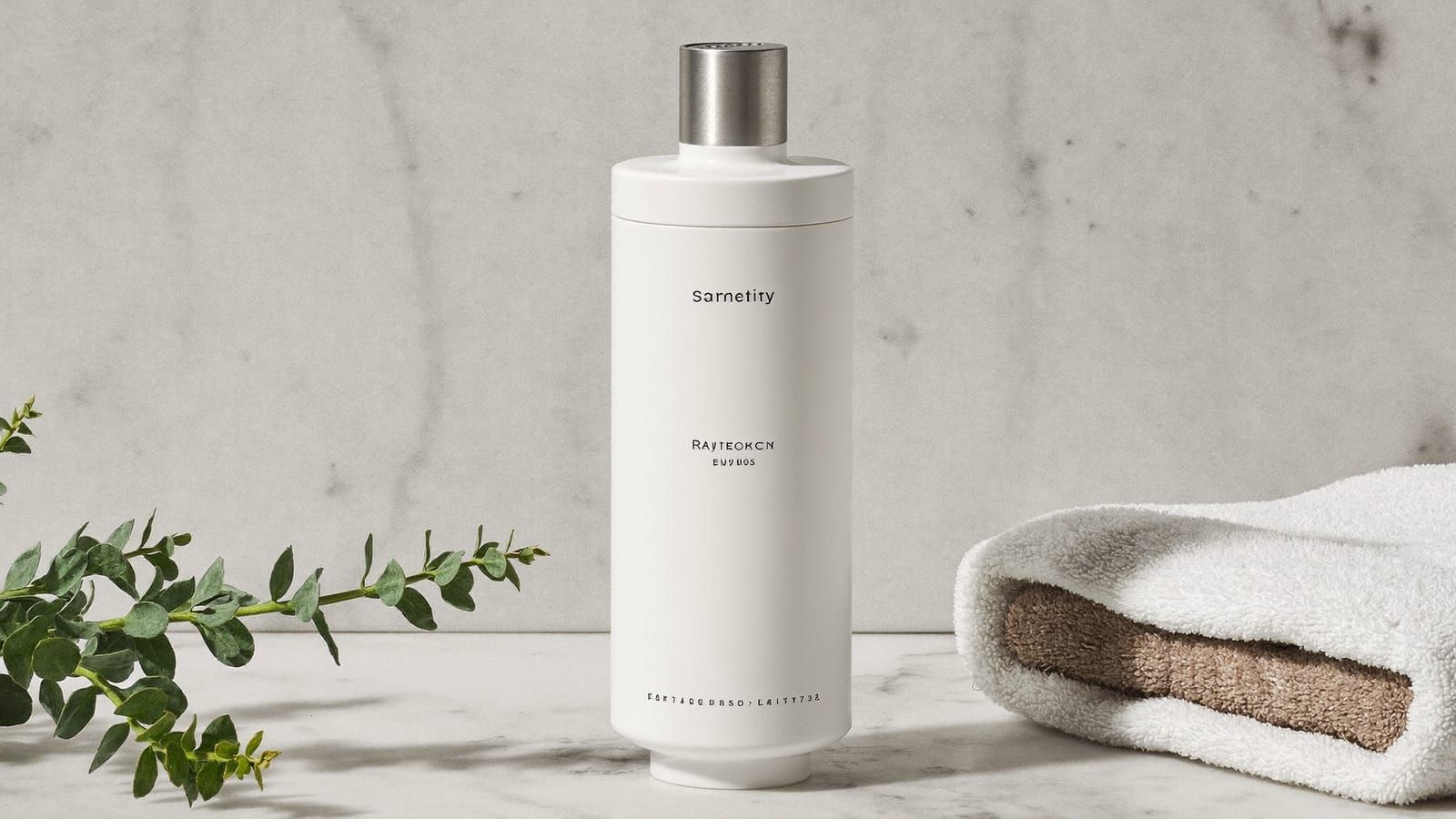
Same product, the bright lifestyle job — one source photo becomes a whole feed. Generated with Higgsfield. · Generated with Higgsfield
Quick answers
What's the single best AI image generator for product photos?
There isn't one — it's job-dependent. Nano Banana Pro and GPT Image are the most reliable daily drivers for clean catalog and packaging; Midjourney and Soul win lifestyle and held-in-hand; Cinema Studio owns the premium editorial look. Pick per shot.
Will customers tell my product photos are AI?
For static product shots, almost never — those have been retouched for decades. The tells show up in fine label text, hands and reflections, so composite your real label back and check those areas. Keep it believable rather than over-polished.
Do I still need a real photo of my product?
Yes — shoot it once on a plain background in good light. That single source frame is what the models re-light and re-stage. Full workflow: Shopify product photos with AI.
Which is cheapest to start with?
Image generations are the cheapest AI media to make, so start here before video. Use a free tier to find which model suits your product, then scale the one that works.
Can one tool cover most of these jobs?
An all-in-one suite can, by hosting several models and a reusable character together. It won't beat a specialist at that specialist's single job, but it removes the five-subscription juggle — which for a store owner is usually the bigger win.
Run the top image models on your own product, build a reusable brand character, and keep the best shots — all in one place, on a free tier. The photos are the fastest ROI in your whole store.