A DeepSeek-powered agent tried to hack 460+ systems on its own, including a Windows VPN bug rated CVSS 9.8 — and got shut out everywhere authentication actually worked.
A hacker based in China spent days letting an AI model run cyberattacks on its own — picking targets, writing exploit attempts, firing them off — with no human in the loop. Unit 42 watched it happen. Out of seven serious vulnerabilities the AI tried, including a Windows VPN bug rated CVSS 9.8 that Microsoft just patched this month, the fully autonomous phase didn't compromise a single system. The scary part isn't that it worked. It's that the same operator, working manually against the same target list, got into three networks — and that gap between AI failure and human success is exactly what CVE-2026-33824's patch is meant to close.
The bug Microsoft actually needs you to patch
Strip away the AI framing for a second, because CVE-2026-33824 is a serious bug on its own merits. It's a double-free memory-corruption flaw in Windows' Internet Key Exchange (IKE) extension — the service that negotiates the cryptographic handshake for IPsec VPN connections. CVSS 9.8: no authentication needed, network-reachable, and a successful hit gets code execution on the box handling your VPN traffic. Microsoft shipped the fix in this month's Patch Tuesday alongside roughly 400 other flaws. If you're running an IPsec VPN endpoint on Windows and haven't applied that update, this is the one to move on first — not because an AI is chasing it, but because the underlying math (unauthenticated, network-facing, full compromise) would matter with or without the DeepSeek headline.
The seven CVEs the AI agent went after
CVE-2026-33824
CVE
Windows IKE VPN
Product
9.8
CVSS
Reverse-shell attempts on 3 endpoints — no confirmed compromise
CVE-2026-3055
CVE
Citrix NetScaler
Product
9.8
CVSS
Compromised — 3 targets (via manual follow-up)
CVE-2026-39987
CVE
Marimo Notebook
Product
9.8
CVSS
Compromised — 11 instances (via manual follow-up)
CVE-2026-33017
CVE
Langflow
Product
9.8
CVSS
Failed — blocked by disabled auto_login setting
CVE-2026-21858
CVE
n8n
Product
10.0
CVSS
Failed — blocked by authentication requirement
CVE-2026-34486
CVE
Apache Tomcat
Product
7.5
CVSS
Attempted — reverse shells on 9 servers, no confirmed compromise
CVE-2026-0300
CVE
PAN-OS Captive Portal
Product
9.8
CVSS
Non-functional public PoC only
CVE
Product
CVSS
AI-only outcome
CVE-2026-33824
Windows IKE VPN
9.8
Reverse-shell attempts on 3 endpoints — no confirmed compromise
CVE-2026-3055
Citrix NetScaler
9.8
Compromised — 3 targets (via manual follow-up)
CVE-2026-39987
Marimo Notebook
9.8
Compromised — 11 instances (via manual follow-up)
CVE-2026-33017
Langflow
9.8
Failed — blocked by disabled auto_login setting
CVE-2026-21858
n8n
10.0
Failed — blocked by authentication requirement
CVE-2026-34486
Apache Tomcat
7.5
Attempted — reverse shells on 9 servers, no confirmed compromise
CVE-2026-0300
PAN-OS Captive Portal
9.8
Non-functional public PoC only
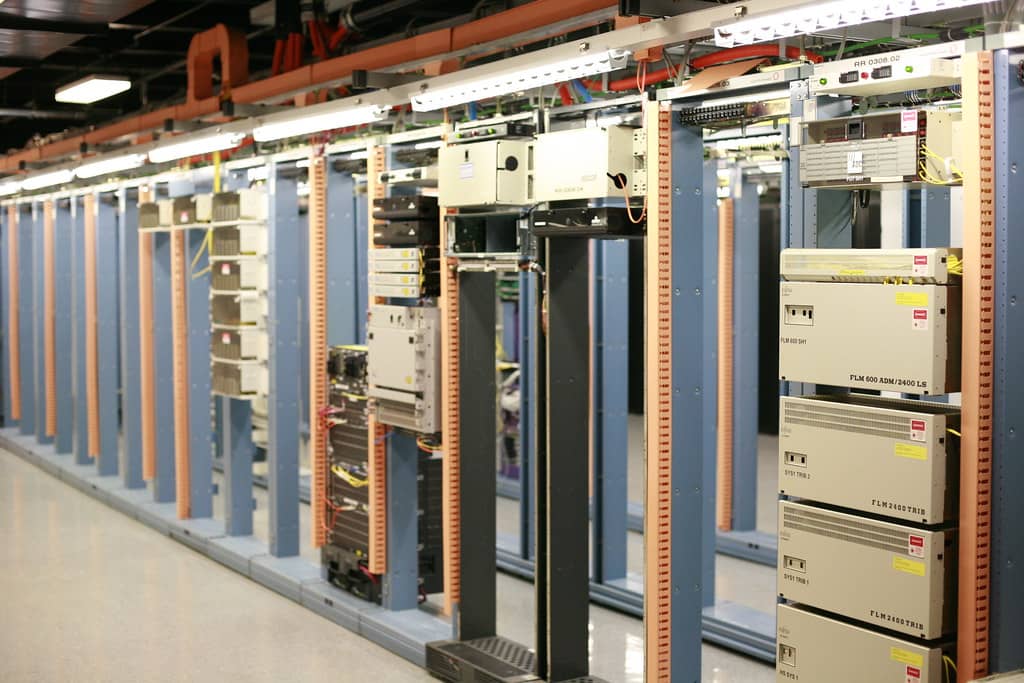
The AI-driven phase enumerated more than 460 internet-facing systems across ten product families before it ever fired an exploit. · Unsplash
How 'Hermes Agent' actually worked
DeepSeek supplied the reasoning — deciding what to try and in what order. Hermes Agent, the operator's own orchestration layer, supplied the hands: terminal access, a Telegram-based command channel, and a custom skills system for chaining tasks together, with what Unit 42 describes as no built-in safety layer. The operator would issue instructions over Telegram, and from there Hermes Agent independently researched vulnerabilities across ten product families, ranked targets using FOFA's internet-scan deployment counts, pulled down public exploit code, and cycled through attempts — described in Unit 42's own words as happening "without human intervention" once set in motion.
The results: mostly failure, but not nothing
Of 460-plus systems the operation touched, the fully autonomous run landed exactly zero confirmed compromises. Every real win — three Citrix NetScaler instances with data pulled out, eleven Marimo Notebook instances with code execution — came from the same operator following up manually, not from Hermes Agent running unattended. The pattern across the failures is consistent: it wasn't the CVSS score that stopped the AI, it was ordinary configuration hygiene. Authentication that was actually enforced. A setting that hadn't been left on its insecure default. That's the boring stuff that also stops human attackers, and it stopped this one too.
460+
Systems targeted
7
CVEs weaponized
0
AI-only compromises
auth and default config stopped every fully autonomous attempt
14
Manual follow-up compromises
3 Citrix NetScaler + 11 Marimo Notebook instances
Patch this one specifically
Set the AI story aside and CVE-2026-33824 is still the actionable item here: a perfect-9.8, unauthenticated, network-facing hole in the service handling your VPN handshakes, with confirmed exploitation attempts already logged. Reverse-shell callbacks against three endpoints haven't turned into a confirmed compromise yet — but "not yet" is doing a lot of work in that sentence.
Apply Microsoft's August 2026 cumulative update if you haven't already.
Check any internet-facing IPsec/IKE VPN endpoint first — that's the exposed attack surface.
Review logs for unexpected IKE negotiation failures or reverse-shell callback attempts.
Don't treat 'no confirmed compromise' as 'safe' — Unit 42 saw attempts, not success, and that gap can close fast.
Is CVE-2026-33824 being actively exploited?
Unit 42 confirmed reverse-shell callback attempts against three IKE VPN endpoints. No successful compromise via this specific flaw has been publicly confirmed as of this writing.
Did the AI actually hack anything by itself?
Not successfully. Every confirmed compromise in the campaign came from the operator working manually, not from Hermes Agent running unattended.
What is Hermes Agent?
An orchestration framework built by the threat actor, using DeepSeek as its reasoning engine with terminal access and Telegram-based command and control — not a mainstream commercial AI product.
Should this change how seriously I take AI-driven attack claims?
Take the vulnerabilities seriously — they're real CVEs with real CVSS scores and, in this case, a real patch to apply. Take standalone claims of 'autonomous AI hacking' with more skepticism until the success rate actually rivals a human operator's.