Emulators are legal. The games are the complicated part. Here's what's actually allowed in 2026 — the court cases, the ROM grey area, and why Nintendo goes after some emulators and not others.
Let's settle this, because almost everyone gets it half-wrong: emulators are legal. ROMs are the complicated part. The emulator — the software that mimics a console — was ruled legal in US federal courts back in 2000, and that hasn't changed. What you feed into it is where the law gets real. This is the honest, accurate version of "is emulation legal in 2026," including the court cases that decided it and why Nintendo hunts some emulators and ignores others. (Quick disclaimer: this is general information, not legal advice.)
Why the emulator itself is legal
The foundation is a pair of cases from around 2000, when Sony tried to kill PlayStation emulators like Bleem and Connectix's Virtual Game Station. The Ninth Circuit sided with the emulators, holding that reverse-engineering a console to build compatible software is fair use — you're allowed to study how hardware works and write your own code that behaves like it, as long as you don't copy the original's actual code. That precedent is why PCSX2, Dolphin and the rest can exist openly, host their code publicly, and aren't breaking the law by being emulators. The emulator is a clean-room reimplementation, not a copy of the console.
How the law got here
2000
Ninth Circuit rules emulators legal — reverse engineering a console is fair use (the Sony v Connectix / Bleem cases).
Mar 2024
Nintendo sues Yuzu, the leading Switch emulator, alleging it facilitates piracy by circumventing encryption.
May 2024
Yuzu settles for $2.4 million and shuts down; Ryujinx is pressured and halts soon after.
2026
Emulators remain legal; Switch emulation stays the actively-litigated frontier while older-console emulation is calm.
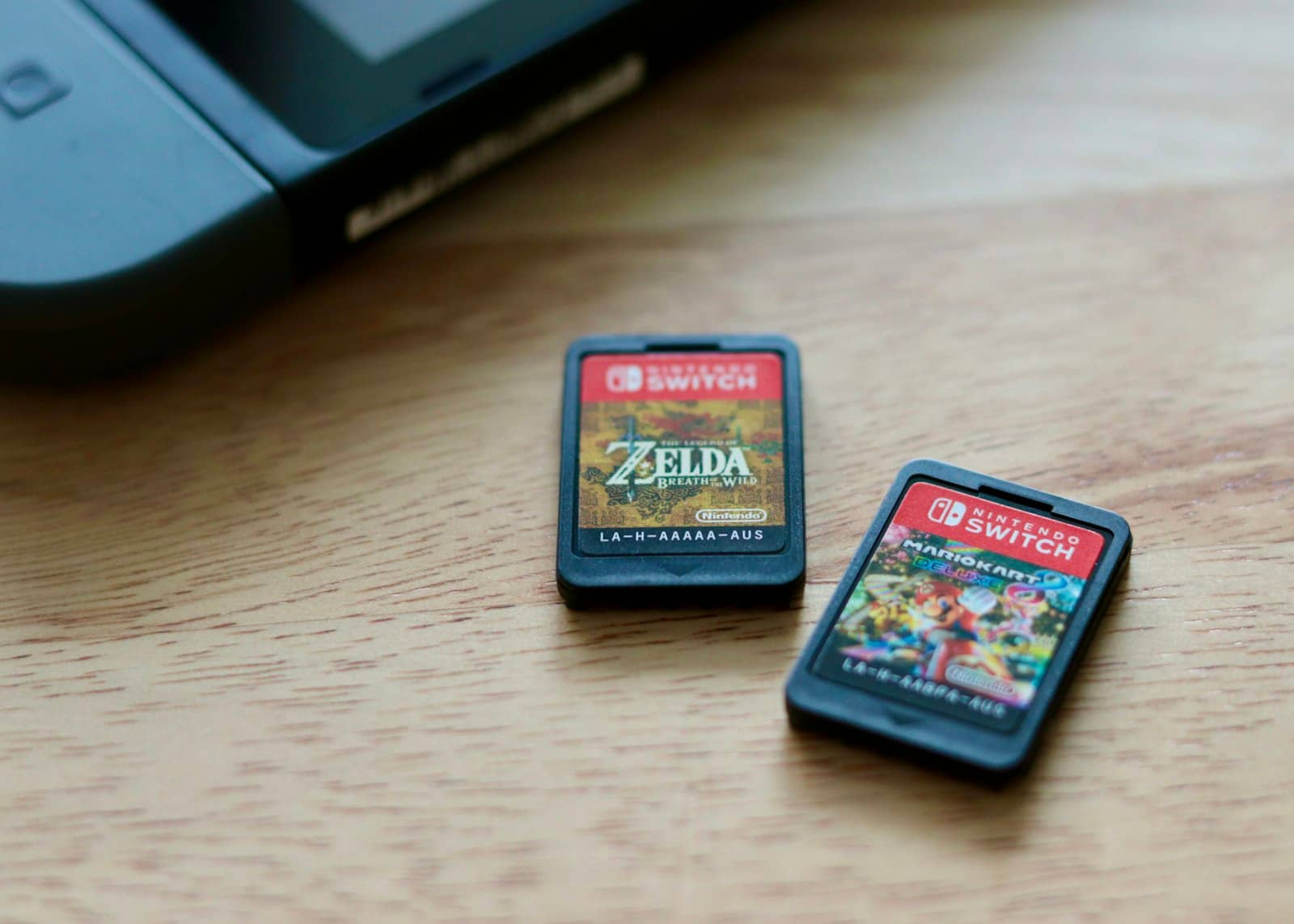
The legal line runs through the games, not the emulator: owning the cartridge is what makes your copy defensible. · Unsplash
The ROM question — where it actually gets murky
Here's the part people don't want to hear. A ROM is a copy of a copyrighted game, so the rules of copyright apply. Downloading a ROM of a game you don't own is infringement — there's no "it's abandonware" or "it's been 20 years" exception in the actual law, however common the practice is. The only clearly-legal way to get a ROM is to dump it yourself from a cartridge or disc you own, using the right hardware. Downloading a game you do physically own sits in a genuine grey area: you own the content, but you didn't make that particular copy, so it's technically still an unauthorized reproduction — it's just that nobody is realistically coming after someone for re-downloading a game sitting on their own shelf. The enforcement reality and the letter of the law aren't the same thing here, and honest coverage should say both.
Quick answers
Is emulation legal?
Yes — emulators themselves are legal. US federal courts settled this around 2000, ruling that reverse-engineering a console to build compatible software is fair use, as long as you don't copy the console's actual code. That's why emulators like PCSX2 and Dolphin can exist and share their code openly. The legal complication isn't the emulator — it's the game files (ROMs) you run on it, which are copyrighted and subject to normal copyright law.
Are ROMs illegal to download?
Downloading a ROM of a game you don't own is copyright infringement — there's no legal exception for old or discontinued games, despite how common it is. The only clearly-legal way to get a ROM is to dump it yourself from a cartridge or disc you own. Downloading a ROM of a game you do own is a grey area: you own the content but didn't make that copy, so it's technically an unauthorized reproduction, though enforcement against individuals for this essentially doesn't happen.
Can I get in trouble for using an emulator?
Realistically, no — for using the emulator itself. Emulators are legal, and nobody has been sued for personally playing ROMs at home. Rights holders like Nintendo target ROM websites, emulator developers, and commercial pirates, not individual players. The exception to watch is Switch emulation, which Nintendo actively litigates (it sued Yuzu and pressured Ryujinx) because the Switch is current hardware. Sticking to older consoles you own games for keeps you on the calmest ground.