Not by typing 'write a bestseller' — Amazon deletes those. The real version: low-content books and tight niche guides, with AI doing the covers, interiors and first drafts you heavily edit. The honest playbook and the rules that get you removed.
This post contains affiliate links. If you buy through them, Aliteq may earn a commission — at no extra cost to you. Prices verified at publish time.
Share
Let me kill the fantasy first: no, you cannot type 'write me a bestseller' into a chatbot, upload the result, and get rich. Amazon has spent two years removing exactly those books, and readers can smell them. But there's a real, boring, durable version of this that works — people quietly sell journals, planners, workbooks and genuinely useful niche guides, and AI makes the production (covers, interiors, first drafts) cheap enough that a one-person operation can ship a real catalog. The money is in treating AI as a fast assistant you heavily edit, not a ghostwriter you trust.
I publish and I've watched both sides — the people churning slop who get their accounts nuked, and the people building a small, real backlist that pays every month. Here's the honest split: what actually sells, the AI stack that does the heavy lifting, where you sell it, and the rules that will get you removed if you ignore them.
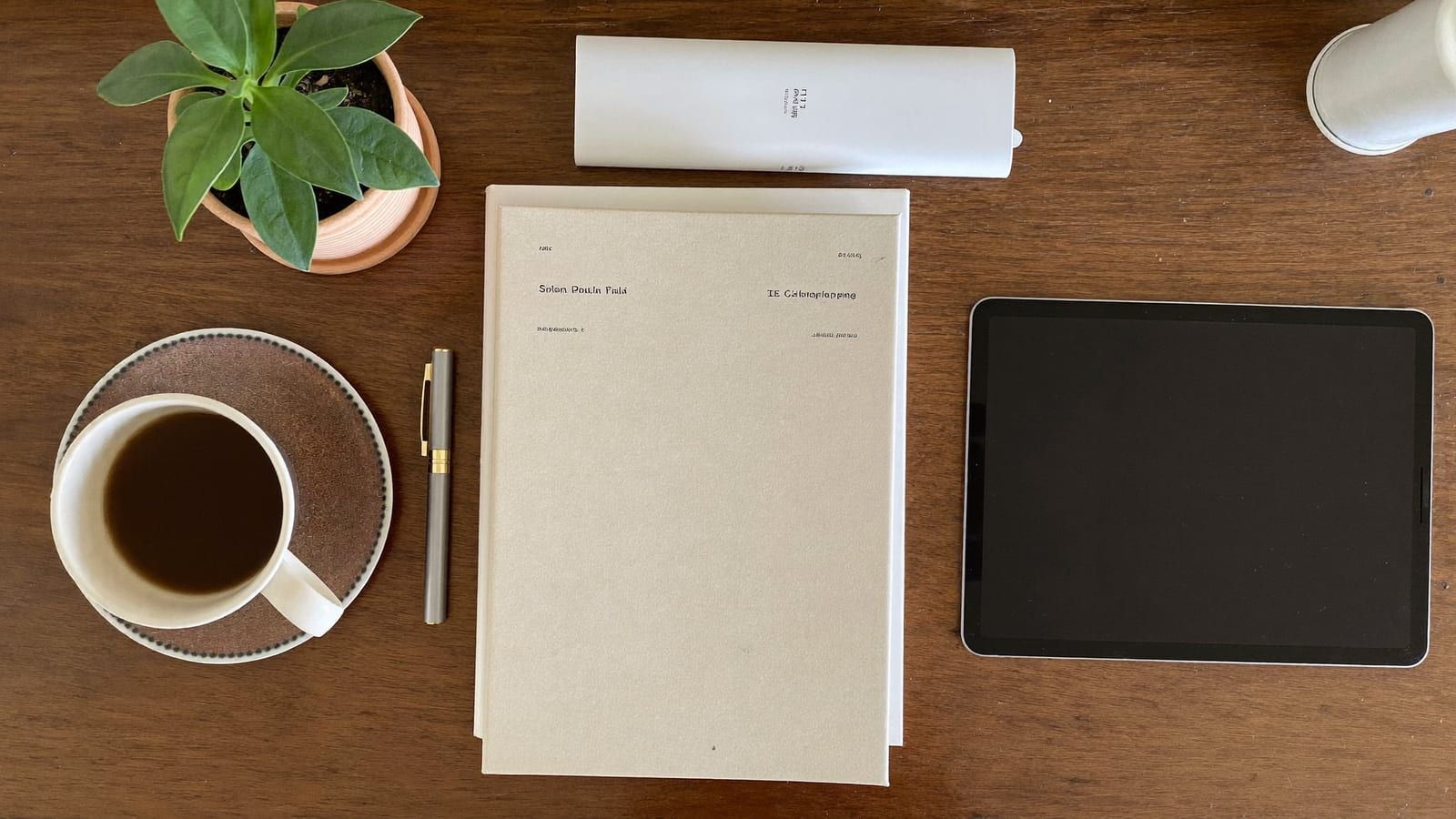
The modern one-person publishing desk — covers, interiors and first drafts all made at home. Generated with Higgsfield. · Generated with Higgsfield
What actually sells (and what gets deleted)
Two categories carry this business. Low-content and no-content books — journals, guided planners, habit trackers, workbooks, sketchbooks, logbooks — where there's little or no 'writing' and your product is the design and the interior structure. And niche ebooks/guides where you actually know something and package it tightly for a specific reader. What doesn't sell (and gets pulled): the generic 300-page 'AI wrote it' non-fiction book on a broad topic, published by the thousand, with a keyword-salad title. That's the exact pattern Amazon's quality systems hunt for.
The AI stack: covers, interiors, and drafts
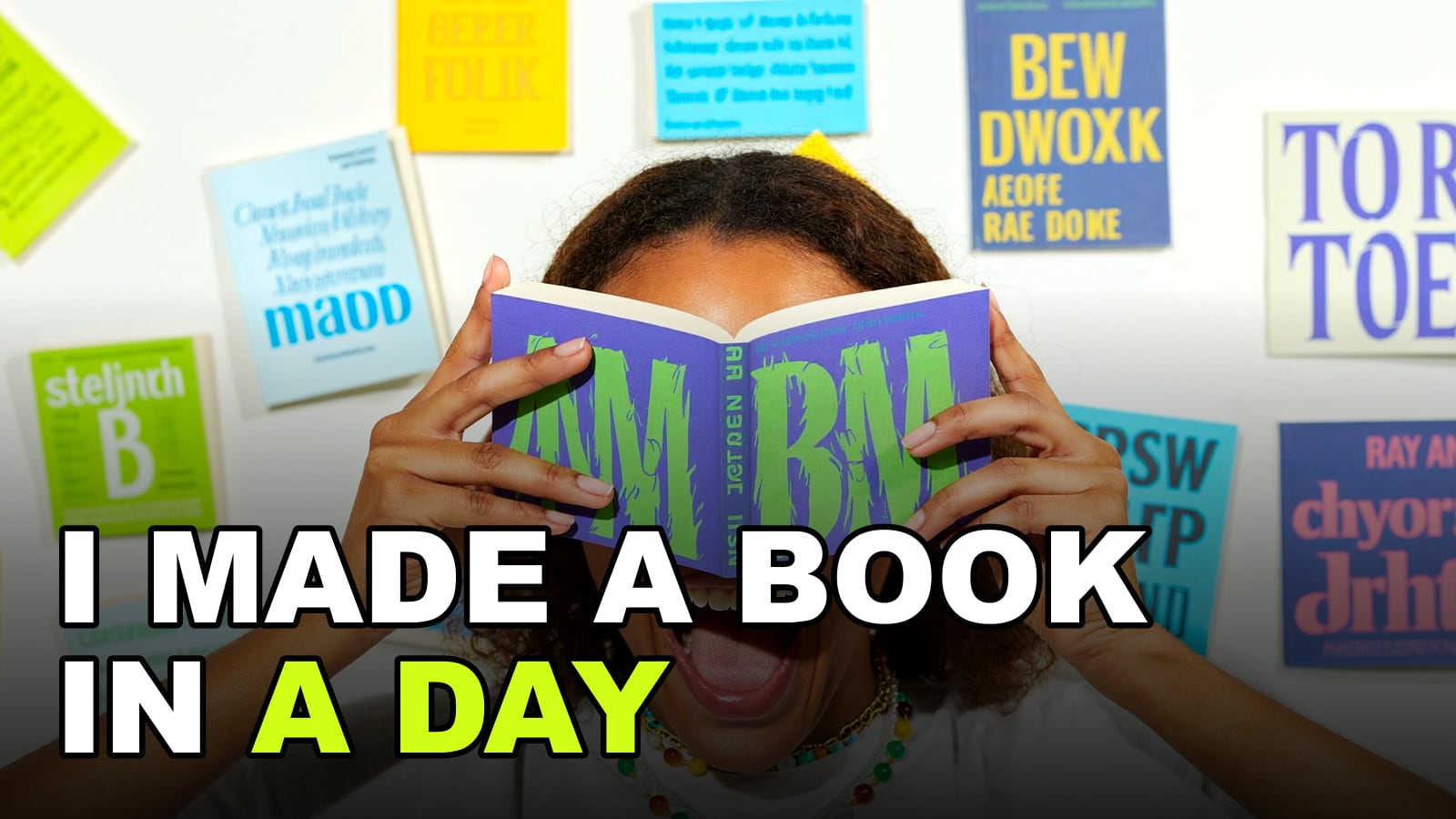
Three jobs. First, covers — this is where AI earns its keep. A good cover sells the book, and image models produce clean, on-genre cover art in minutes instead of a $200–500 designer fee. The catch you already know if you've read our product-photo guide: models garble text, so generate the art and set the title/author type yourself in a layout tool. Second, interiors — line-art, section dividers, decorative pages and the puzzle/coloring content that makes a low-content book feel designed (the same workflow as our AI coloring-book playbook). Third, text — AI is a fast drafting and outlining partner, and that's the line you don't cross: outline with it, draft with it, then rewrite in your voice, fact-check every claim, and add the experience only you have.
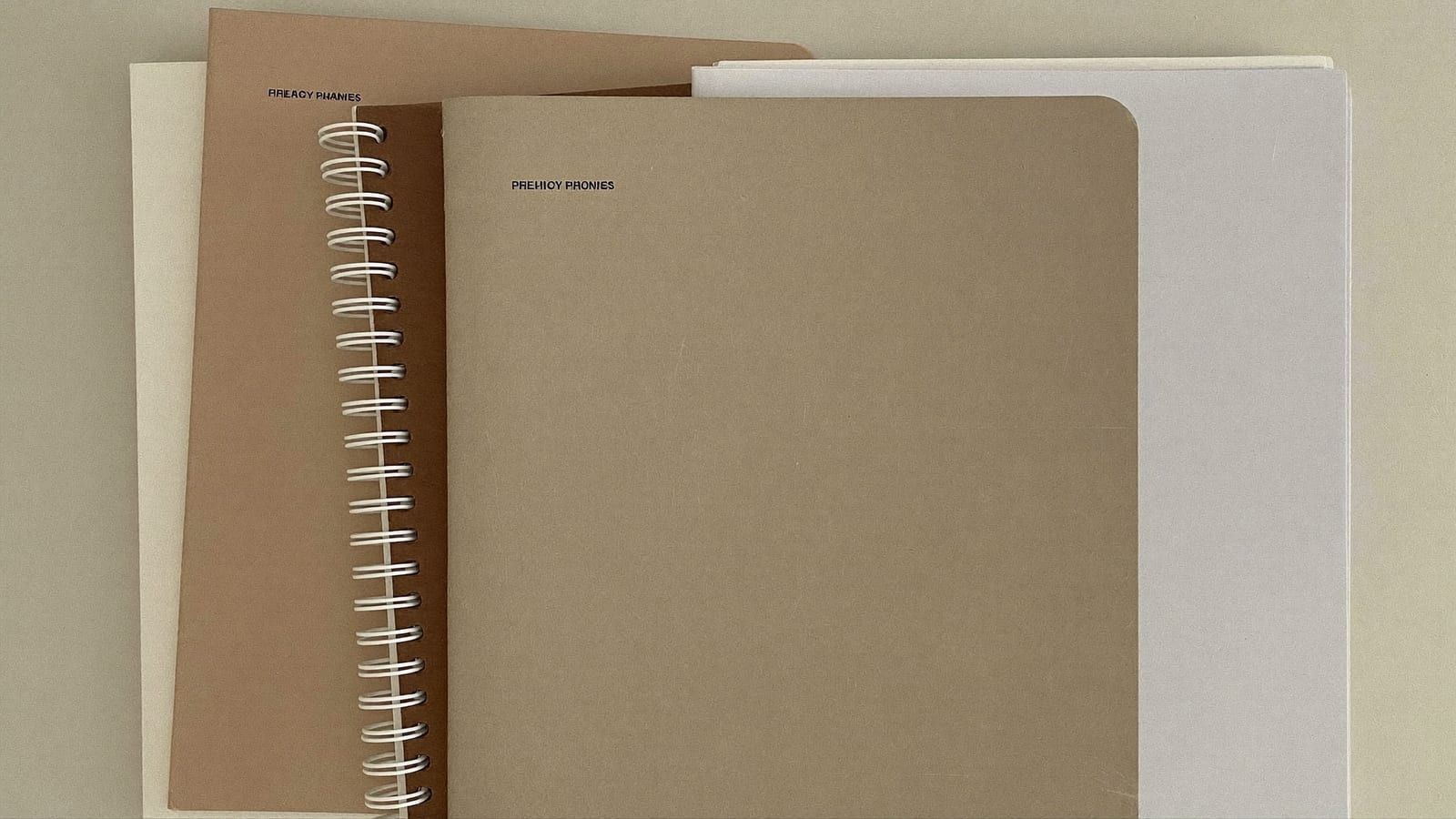
Low-content books — journals, planners, workbooks — are the easiest start: simple interiors, cover art you generate. You still set the real title type yourself, because models garble text. Generated with Higgsfield. · Generated with Higgsfield
Two prompts to start from
Cover art (image model)
Minimalist book cover illustration for a calm, modern self-help journal: soft dawn gradient, a single fine-line botanical motif, generous negative space at the top for a title, muted sage-and-cream palette, elegant and premium, no text, no lettering, no logos.
Outline (text model — then YOU rewrite it)
Act as a developmental editor. Outline a 60-page guided workbook for [specific reader, e.g. 'first-year night-shift nurses managing burnout']. Give 8 sections, each with a one-line purpose, 3 prompts/exercises, and a takeaway. Flag anything that would need a real expert or a citation. Keep it practical, not generic.
Where you sell it
The main channels
Amazon KDP
Best for
Reach + print-on-demand paperbacks
The trade-off
Lower royalty %, strict content rules
Gumroad
Best for
Instant PDF sales, high margin
The trade-off
You bring your own traffic
Etsy
Best for
Printable planners/journals, buyer intent
The trade-off
Fees + AI/policy rules — see the Etsy guide
Your own site
Best for
100% margin, own the customer
The trade-off
You do all the marketing
Best for
The trade-off
Amazon KDP
Reach + print-on-demand paperbacks
Lower royalty %, strict content rules
Gumroad
Instant PDF sales, high margin
You bring your own traffic
Etsy
Printable planners/journals, buyer intent
Fees + AI/policy rules — see the Etsy guide
Your own site
100% margin, own the customer
You do all the marketing
The move most people miss: sell the same product in more than one place. A planner becomes a KDP paperback, a Gumroad PDF, and an Etsy printable — three shelves, one design. If physical merch is more your lane, the same art repurposes into print-on-demand products.
Higgsfield · Covers & interiors
Sponsored
Higgsfield runs the image models that make cover art and interior illustrations — generate a batch of cover directions, keep the best, and set your title type on top. Free tier to test before you commit.
+ Real assets: a book sells for years with no reshoot or restock
+ AI collapses the cost of covers, interiors and first drafts
+ Low/no-content books need little or no writing — pure design
+ One design → KDP + Gumroad + Etsy (multiple income shelves)
Cons
− Saturated — you MUST win a specific niche, not a broad one
− Raw-AI or keyword-stuffed books get removed; quality is the moat
− KDP requires AI-content disclosure at upload — do it honestly
− It's a slow, backlist business — not an overnight payout
Quick answers
Do I have to tell Amazon the book used AI?
Yes. KDP asks at upload whether your content is AI-generated, and you disclose honestly — 'AI-assisted' (you meaningfully edited it) is different from 'AI-generated,' and the guidance changes, so read the current KDP content policy before you publish. Lying is the fastest way to lose the account.
Can I really publish a book with 'no writing'?
Yes — that's the whole low-content category. A journal, planner or workbook is a designed interior (lines, prompts, trackers, art). Your work is the structure and the design, and AI helps with the art and layout, not paragraphs of prose.
Is it too late — isn't the market flooded?
The generic end is flooded and dying. The specific end isn't. A tightly-targeted book for a real, narrow audience still sells because nobody made exactly that one. Pick a niche you understand; that's the part AI can't fake for you.
What's the fastest first product?
A low-content book in a niche you know — a planner or workbook. It needs no long-form writing, the AI-generated cover and interior art do the heavy lifting, and you learn the whole KDP pipeline on something low-risk.
Generate cover directions and interior art, pick the best, and set your title type on top — the design half of a real self-publishing business, in one place. Free tier to try it first.