Prompts are basically free — so why do people pay? Curation, a niche, and time saved. Here's what actually sells, where to sell it, what to charge, and the honest reason most prompt shops flatline.
This post contains affiliate links. If you buy through them, Aliteq may earn a commission — at no extra cost to you. Prices verified at publish time.
Share
Here's the honest tension at the heart of selling AI prompts: prompts themselves are basically free. Anyone can ask a chatbot to write them, and there are thousands sitting in Reddit threads and free Notion docs right now. So why does anyone pay for one? Because what actually sells isn't "a prompt" — it's curation, a specific job done, and time saved. People will pay a few dollars to skip an afternoon of trial-and-error for a result they can use today. That's the whole business, and it's also why most prompt sellers make nothing: they sell commodity prompts into a saturated market instead of a genuinely useful system for one narrow job.
I sell digital products in this space, so this isn't theory. Here's what actually moves, where to sell it, what to charge, and the honest reason most people's prompt shops flatline — plus how to not be one of them.
$1.99–$9.99
Typical single-prompt price
common marketplace listing range
Packs & bundles
Where real revenue is
not one-off prompts
Niche + curation
Your actual edge
you did the testing
~100%
Margin
digital, no inventory, no shipping
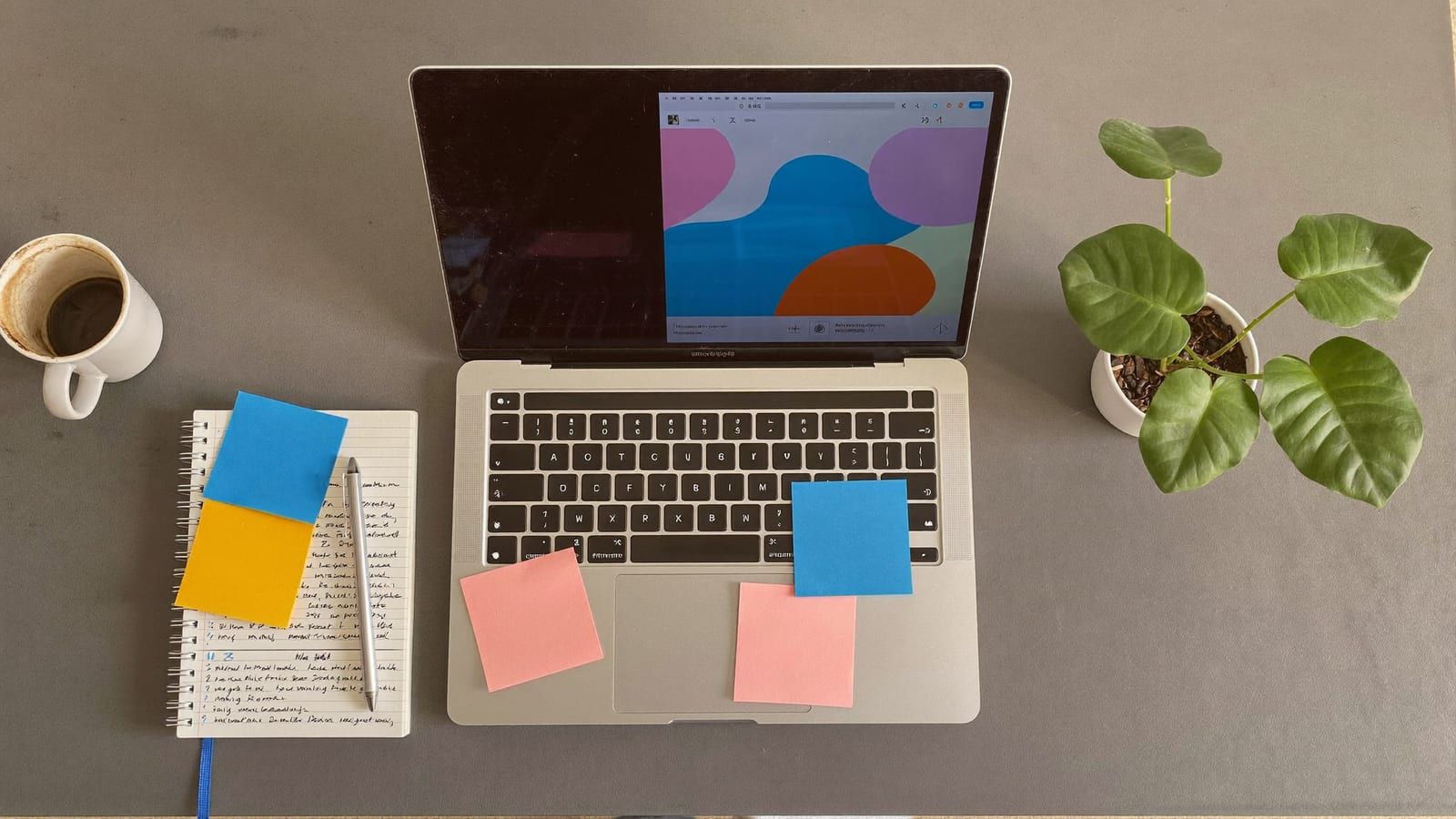
The whole operation fits on a desk — the work is the curation, not the typing. Generated with Higgsfield. · Generated with Higgsfield
A single clever prompt is not a product — the buyer can paste your preview into any chatbot and rebuild it. What people pay for is a packaged outcome: a set of prompts, in order, tuned for one specific job, with the fiddly parts already solved. Think 'a 30-prompt system for writing and refreshing Shopify product descriptions,' not 'a good product-description prompt.' The pack sells the hours you spent testing, the structure, and the confidence that it works.
Style/asset systems — consistent-character prompt sets, product-photo prompt recipes, a brand-voice kit (pairs well with image tools).
Workflow bundles — prompts + a short guide + a template file (Notion/Sheet). The extra scaffolding is what justifies a higher price.
What flops: giant '10,000 ChatGPT prompts' mega-packs. They scream low-effort, buyers know the prompts are scraped, and refunds/chargebacks follow.
The shape of a sellable pack entry (example)
Etsy listing writer
You are an Etsy copywriter. Write a listing for [PRODUCT]. Output: (1) a 140-char title front-loading the top search keyword, (2) 5 benefit-led bullet points, (3) a 3-paragraph description in a warm, handmade-brand voice, (4) 13 comma-separated tags under 20 chars each. Ask me one clarifying question first if the product category is unclear.
Refresh an underperforming listing
Here is an existing listing: [PASTE]. Diagnose why it may be under-converting (title keywords, benefit clarity, tag relevance), then rewrite it. Show a short before/after rationale so I understand the changes, not just the output.
Where to sell — and the trade-off of each
Prompt sales channels
Your own store (Gumroad, Payhip, Lemon Squeezy)
Strength
Best margin, you own the customer + email list
Trade-off
You do all the traffic yourself
Etsy
Strength
Prompt-only listings are NOT allowed (Etsy policy, checked 16 Oct 2026)
Trade-off
Prompts may only ride along with an AI-made item you sell (e.g. art + its prompt)
PromptBase-style marketplaces
Strength
Discovery from people specifically shopping for prompts
Trade-off
Small audience, price pressure, platform cut
Bundled with a bigger product
Strength
A prompt pack as a bonus lifts a course/template's value
Trade-off
Not a standalone income stream
Strength
Trade-off
Your own store (Gumroad, Payhip, Lemon Squeezy)
Best margin, you own the customer + email list
You do all the traffic yourself
Etsy
Prompt-only listings are NOT allowed (Etsy policy, checked 16 Oct 2026)
Prompts may only ride along with an AI-made item you sell (e.g. art + its prompt)
PromptBase-style marketplaces
Discovery from people specifically shopping for prompts
Small audience, price pressure, platform cut
Bundled with a bigger product
A prompt pack as a bonus lifts a course/template's value
Not a standalone income stream
The pattern that works: use a marketplace for discovery, but drive serious buyers to your own store where you keep the margin and the email address. The email list is the real asset — it's how you sell the next pack without paying for attention twice.
1
Pick ONE job you genuinely understand (a niche you've worked in beats a trendy one you haven't).
2
Build and actually test the pack — every prompt should produce a usable result, not a demo.
3
Add scaffolding: a short how-to, a template file, examples of good output. That's the price justification.
4
List it on your own store + one marketplace; write the sales page around the outcome, not the word 'prompts'.
5
Collect emails, gather feedback, ship a v2. Iterate on the winner instead of spraying new packs.
The honest reality check
HiggsfieldSponsored
Make your prompt previews in Higgsfield
Generate the eye-catching sample images that sell a prompt pack.
Can't buyers just copy my prompt from the preview?
For a single prompt, often yes — which is exactly why single prompts are weak products. Packs, systems, and bundles (prompts + guide + template) are far harder to reconstruct from a preview, and that's what people actually pay for.
How much can I charge?
Individual prompts commonly list around $1.99–$9.99, so single prompts are a tough way to make real money. Curated packs and bundles priced higher (with real scaffolding to justify it) are where the revenue is. Price the outcome, not the token count.
Do I need to disclose that products are AI-related?
Be transparent that you're selling prompts/AI workflows — it's what buyers want anyway. Note that Etsy does not allow listings for prompts on their own; elsewhere, follow each marketplace's current digital-product and AI-content policies; misrepresenting what a buyer gets is the fastest way to refunds and account trouble.
Is it too late to start in 2026?
It's late for generic prompt dumps — those are a race to the bottom. It's not late for a genuinely useful pack in a specific niche, because most listings are low-effort. Depth in one job is the opening.