Producing the course is the easy 20%; marketing it is the hard 80%, and no course sells itself. How to run the whole marketing operation with AI — the promo-reel engine, testable paid ads, and the email launches that actually convert.
This post contains affiliate links. If you buy through them, Aliteq may earn a commission — at no extra cost to you. Prices verified at publish time.
Share
Let me say the unglamorous truth first, because every course guide buries it: producing the course is the easy 20%, and marketing it is the hard 80%. There is no such thing as a course that sells itself. The graveyard of online courses is full of genuinely good ones that nobody ever heard of. So if you take one thing from this cluster, take this: the leverage isn't in making a slightly better lesson — it's in getting your offer in front of the right people, repeatedly, in a way they trust. AI helps here too, but it helps you do the marketing cheaply, not skip it.
Here's how I'd market a course in 2026 with AI doing the heavy lifting on production: the promo content engine (this is where AI is transformative), the paid-ads angle, and the email/organic side. I'll be honest throughout about where money and time still have to go — because pretending otherwise is exactly the hype that gets this niche in trouble.
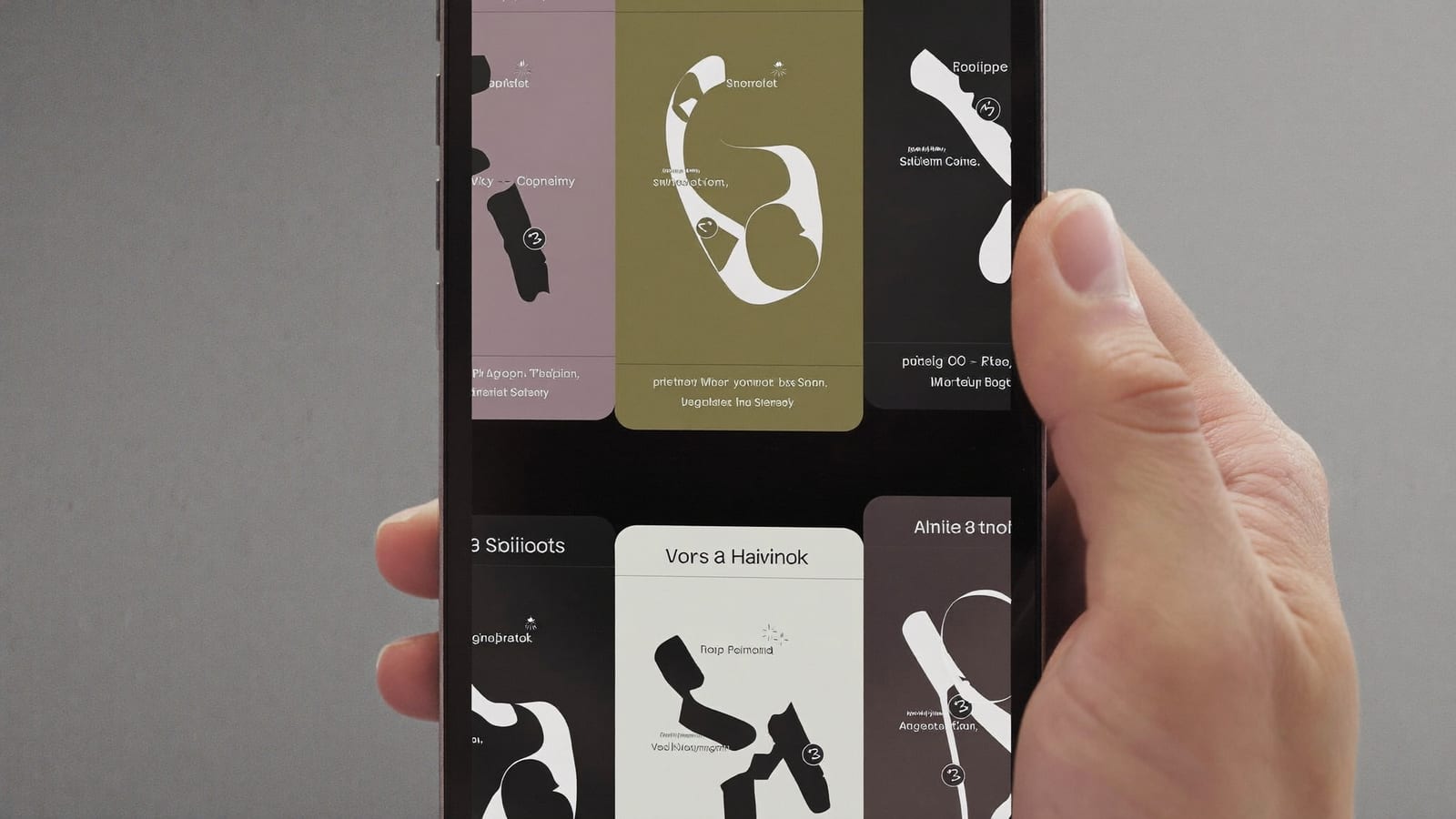
Production is the easy 20%; this — getting it seen — is the 80%. Generated with Higgsfield. · Generated with Higgsfield
1. The short-form promo engine (start here — it's free)
The cheapest way to sell a course is to consistently post short videos that teach a slice of what the course covers, then point interested people to it. This used to mean filming yourself daily — a grind most people quit. The AI version: turn each lesson into several short promo hooks, generate them as vertical clips (a reusable avatar or animated visuals over your voice), and post across TikTok, Reels and Shorts. You're not trying to go viral; you're trying to consistently reach the specific people who have the problem your course solves.
Prompts to spin one lesson into a week of promo
Hook harvest
Here's a lesson from my course on [topic] (pasted). Give me 10 short-form video hooks (first lines) that would stop the scroll for someone with [specific problem]. Mix curiosity, contrarian, and 'mistake you're making' angles. No hype, no fake promises.
30-second script
Write a 30-second vertical video script that teaches ONE useful tip from this lesson and ends with a soft CTA to the full course. Conversational, short lines, one idea. Give me an on-screen text overlay suggestion per line.
Repurpose to email
Turn this same tip into a short, friendly email (150 words) that gives value first and mentions the course once at the end. Honest tone, no pressure.
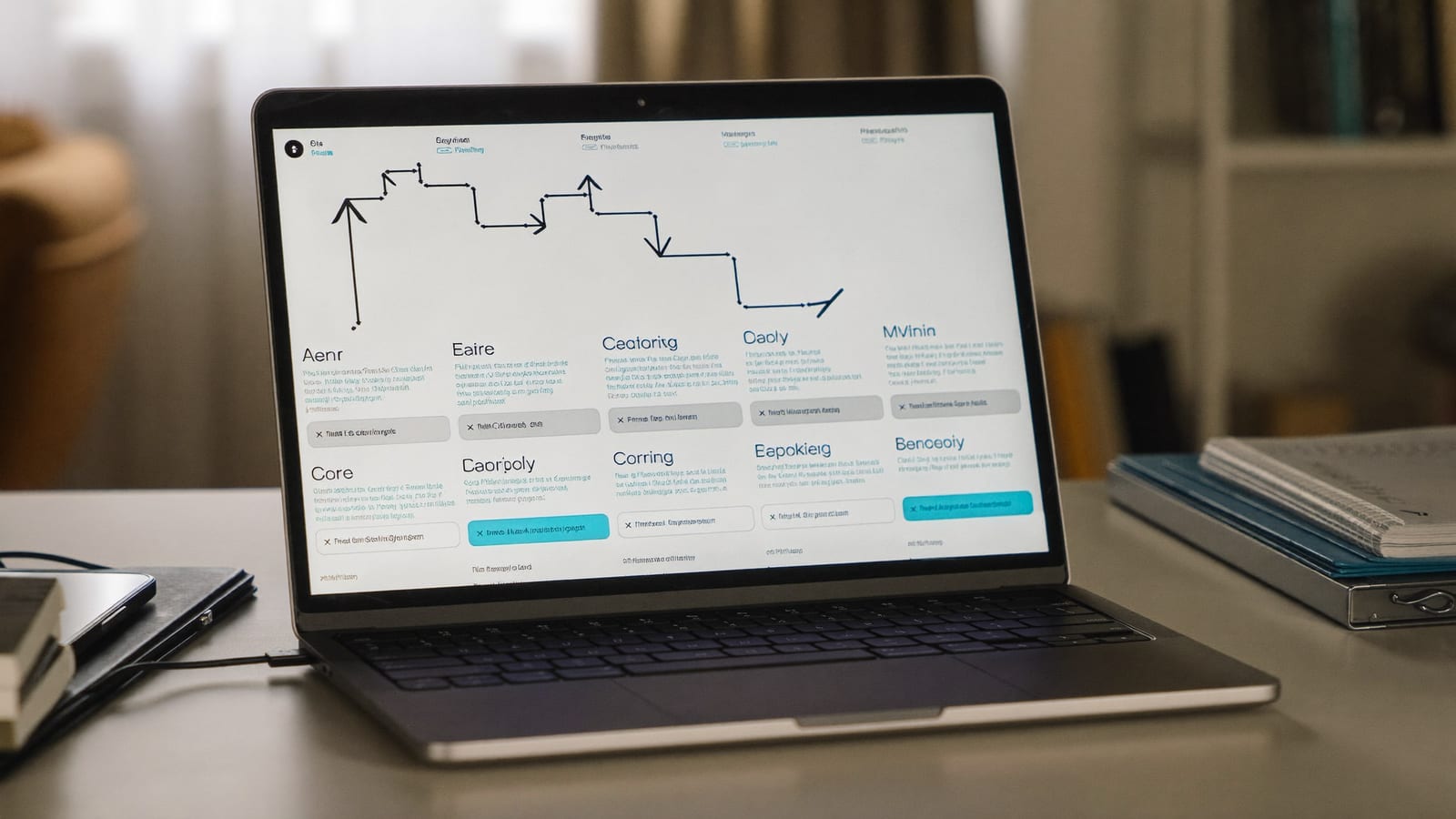
One lesson becomes many promo variations — post consistently, let the algorithm find your buyers. Generated with Higgsfield. · Generated with Higgsfield
2. Paid ads: now testable, still not free
Paid social is a testing game — you don't know your winning ad, you find it by running many. The old problem was that each ad variation cost real money to produce, so you could afford to test a few and hope. AI flips that: generate twenty ad variations (different hooks, different visuals) for almost nothing, run them on a small budget, kill the losers fast, and scale the one that works. The creative bottleneck is gone. What's not gone is the ad spend itself — you still pay the platform to show the ads, and finding a profitable ad takes a real testing budget you should be prepared to lose part of while learning.
Cost to test 20 course-ad variations
Agency / freelance video ads~$4,000–8,000
creative only, before ad spend
Filming them yourself~weeks of work
your time, before ad spend
AI-generated variations~cents each
creative only — you still pay ad spend
Higgsfield · Promo & ad reels
Sponsored
This is where Higgsfield earns its place in a course business — generate dozens of short promo clips and ad-reel variations from one idea, so testing hooks costs cents instead of an agency invoice. Free tier to make your first batch.
Here's a quiet truth: most course revenue comes from email, not viral videos. A warm list — people who already follow you and gave you their email — converts many times better than cold traffic, because they already trust you. Your short-form content and ads should be feeding people onto that list (via a free mini-course, checklist, or webinar). Then a launch sequence — value, story, offer, urgency, close — does the selling. AI drafts every email in that sequence in minutes; your job is to make them honest and specific, and to actually hit send on the launch.
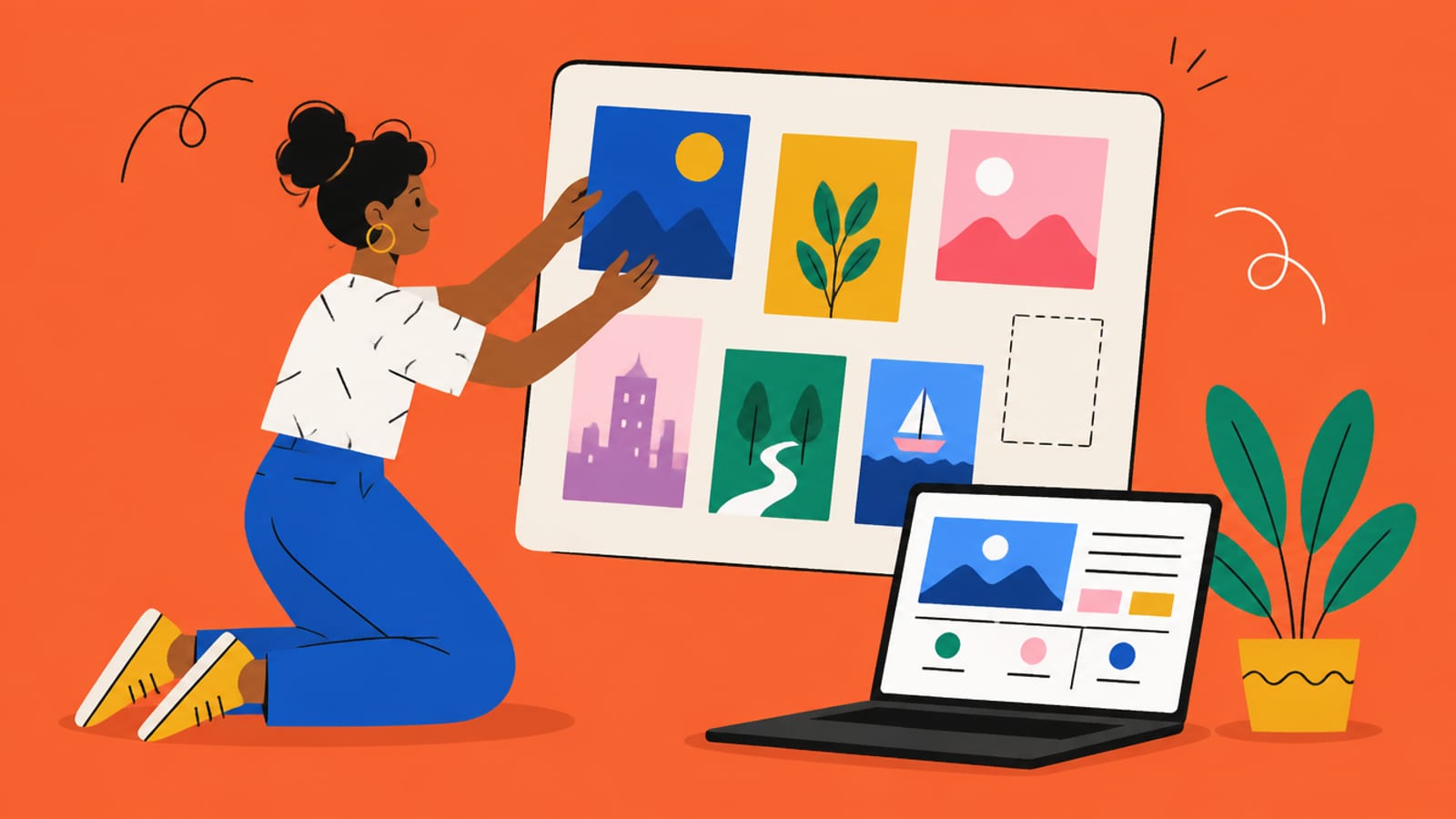
Short-form and ads feed the list; the email sequence closes the sale. Generated with Higgsfield. · Generated with Higgsfield
The three channels, honestly
Short-form organic
Speed
Slow to build
Cost
Free (your time)
Best for
Long-term audience + trust
Paid ads
Speed
Fast
Cost
Ad spend + risk
Best for
Scaling a proven offer quickly
Email launches
Speed
Fast (if you have a list)
Cost
Low
Best for
Actually converting warm people
Speed
Cost
Best for
Short-form organic
Slow to build
Free (your time)
Long-term audience + trust
Paid ads
Fast
Ad spend + risk
Scaling a proven offer quickly
Email launches
Fast (if you have a list)
Low
Actually converting warm people
Quick answers
Do I really have to market it, or can it be passive?
You have to market it — every time. 'Passive income' is the myth that sinks course creators. Even evergreen courses need a steady stream of new people discovering them, which means ongoing content, ads, or partnerships. AI makes that work cheaper and faster, but it's still work. Plan for it.
Organic or paid ads first?
Organic first if you're starting from zero — it's free, it builds a real audience, and it teaches you which hooks land before you pay to amplify them. Add paid ads once you have a proven offer and a hook that already converts organically. Paying to scale an unproven course just loses money faster.
How big does my email list need to be?
Smaller than you think — a few hundred genuinely interested people can support a course launch, because conversion on a warm, relevant list is far higher than on cold traffic. Focus on relevance over size: 300 people with the exact problem beat 10,000 random followers.
Isn't AI-generated promo content spammy?
It can be if you mass-produce empty clips — and audiences (and platforms) punish that. Use AI to produce more of genuinely useful content faster, not to flood feeds with filler. Every clip should teach or help; the course pitch is the soft ending, not the whole video. Quality and consistency win; volume-for-its-own-sake gets buried.