The fastest course you'll make is the one you've mostly already written. How to turn a blog, PDF or your own expertise into a structured, validated course with AI — with the exact prompts, and a validate-before-you-build workflow.
This post contains affiliate links. If you buy through them, Aliteq may earn a commission — at no extra cost to you. Prices verified at publish time.
Share
The fastest course you'll ever make is the one you've mostly already written. If you've published a popular blog, given a talk, written a PDF guide, or just answered the same questions a hundred times in your job — you're sitting on a curriculum. The hard part was never the knowledge; it was the blank page, the 'where do I even start' of turning scattered expertise into a structured, teachable sequence. That's the exact job AI is genuinely good at: scaffolding. It won't make you an expert, but it'll turn the expertise you already have into an outline in an afternoon.
Here's the workflow I use, and — this is the important bit — it's built to validate before you build. Most people fail the course business by spending weeks producing something nobody wanted. This flips it: outline fast, pre-sell, then produce only what's proven. Let me walk you through it, with the actual prompts.
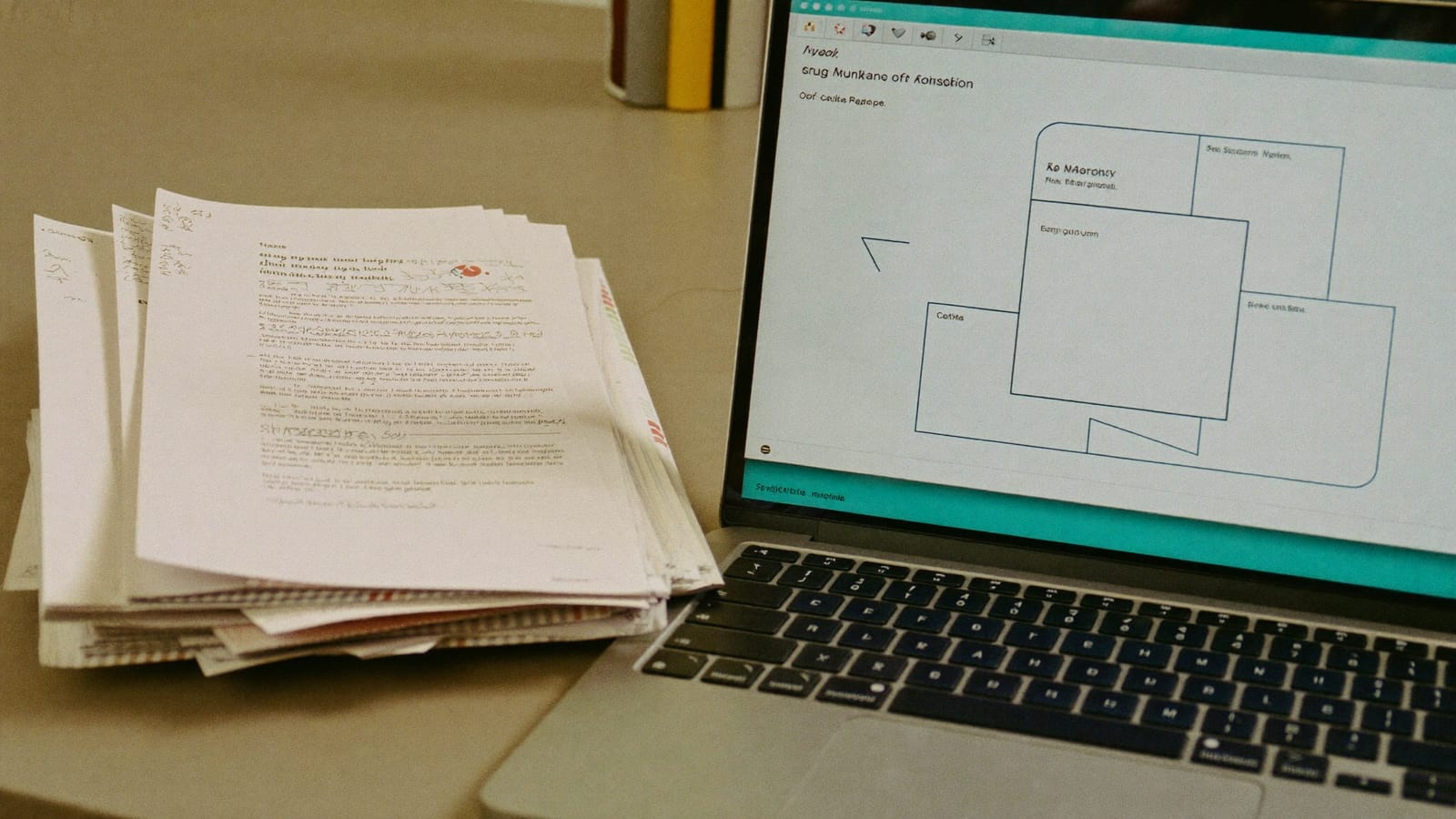
Scattered expertise on the left, a structured curriculum on the right — the one job AI does best. Generated with Higgsfield. · Generated with Higgsfield
Step 1 — turn your material into an outline
Gather what you've got — paste in a blog post, upload a PDF, or just brain-dump everything you know about the topic into a document. Then have an LLM do the structuring. You're not asking it to teach; you're asking it to organize what you know into a logical learning path a beginner could follow. The magic question is always 'what's the transformation?' — where does the student start, where do they end up, and what's the shortest sensible path between the two.
Prompts to structure a course from your material
Outline from content
Here is my material on [topic] (pasted below). Act as an instructional designer. Turn it into a course outline: 5–8 modules, each with 3–5 short lessons, and a one-line learning outcome per lesson. Order it as a beginner's learning path from [starting point] to [end result]. Flag anything missing that a complete course would need.
Find the gaps
Review this outline for a course aimed at [audience]. What important topics are missing, what's out of order for a beginner, and which lessons are too big and should be split? Be blunt.
Write a lesson script
Write a spoken video script for the lesson '[lesson title]', ~[X] minutes, in a warm, plain-spoken teaching voice. One idea at a time, short sentences, a concrete example, and a one-line recap at the end. Leave placeholders like [DEMO] where I should show my screen.
Draft the workbook
For the module '[module title]', create a one-page action worksheet: 3 key takeaways, one exercise the student does, and a short checklist. Keep it practical, not filler.
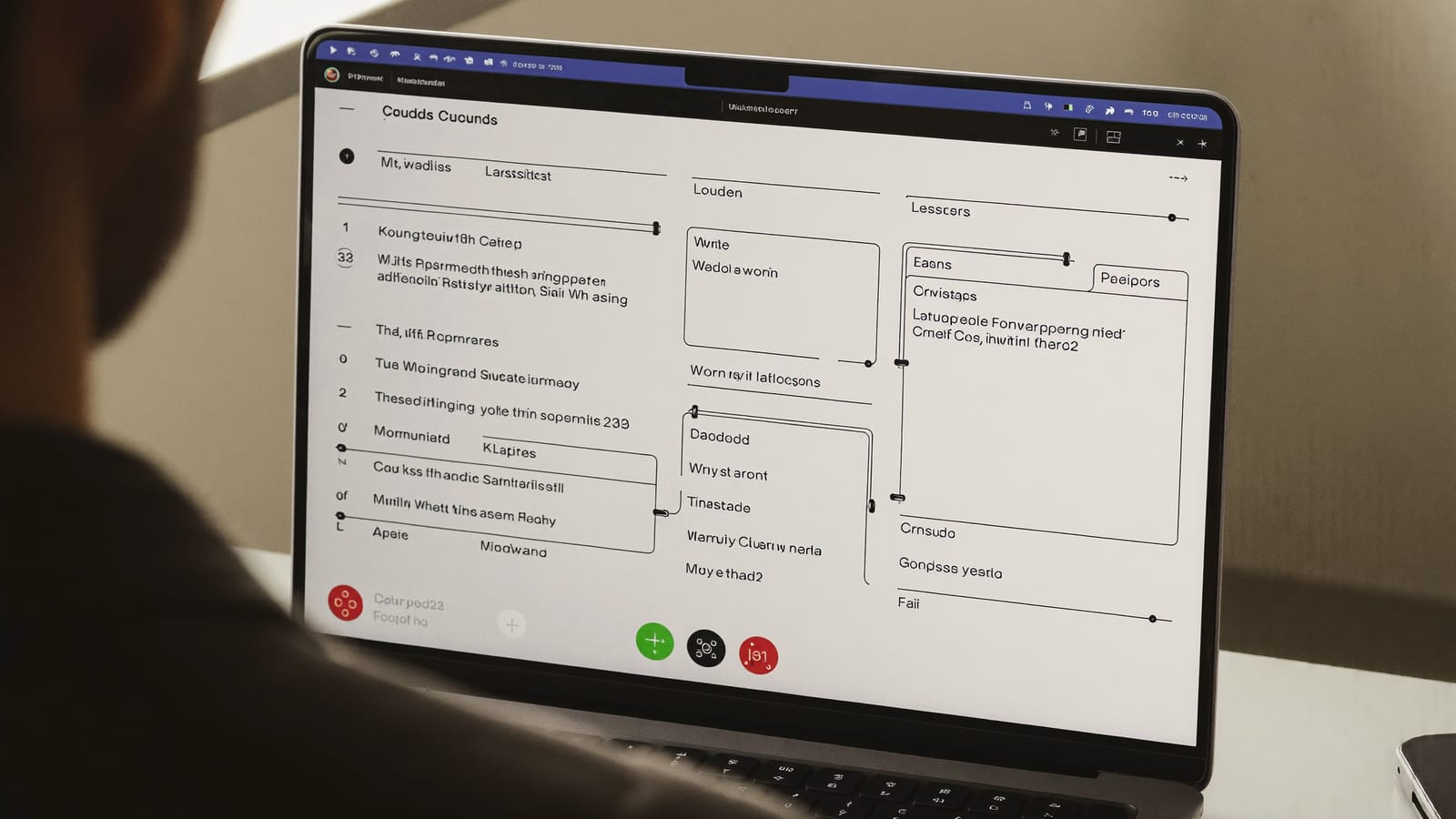
Modules → lessons → outcomes: the scaffolding AI drafts in an afternoon, that you then teach into. Generated with Higgsfield. · Generated with Higgsfield
Step 2 — validate before you record a thing
This is the step that separates people who make money from people who make courses nobody buys. Before you produce a single lesson, test whether anyone will actually pay. Put up a simple landing page with the outline, the promise, and a price — and either take pre-orders (at a discount, honestly framed as 'founding' pricing) or collect wait-list emails. If you can't get a handful of real yeses from your audience, that's priceless information before you've spent weeks filming, not after.
The validate-first sequence
Outline — AI-scaffold the curriculum from your existing material, in an afternoon.
One-page pitch — a simple sales page (transformation, modules, price). AI drafts the copy; you make it true.
Ask for a yes — pre-sell to your list or open a wait-list. Real yeses, not vibes.
Build only what's proven — green light? Produce the lessons. Crickets? Change the offer before you've wasted weeks.
Step 3 — produce, only now
With a validated outline and scripts in hand, production is the easy part — and mostly faceless. Record the lessons as AI-avatar or voice-over-slides video, generate the cover and sales-page visuals, and drop it all onto a course platform (Teachable, Thinkific, Kajabi, Podia). Because you validated first, every hour you spend here is on something you already know sells.
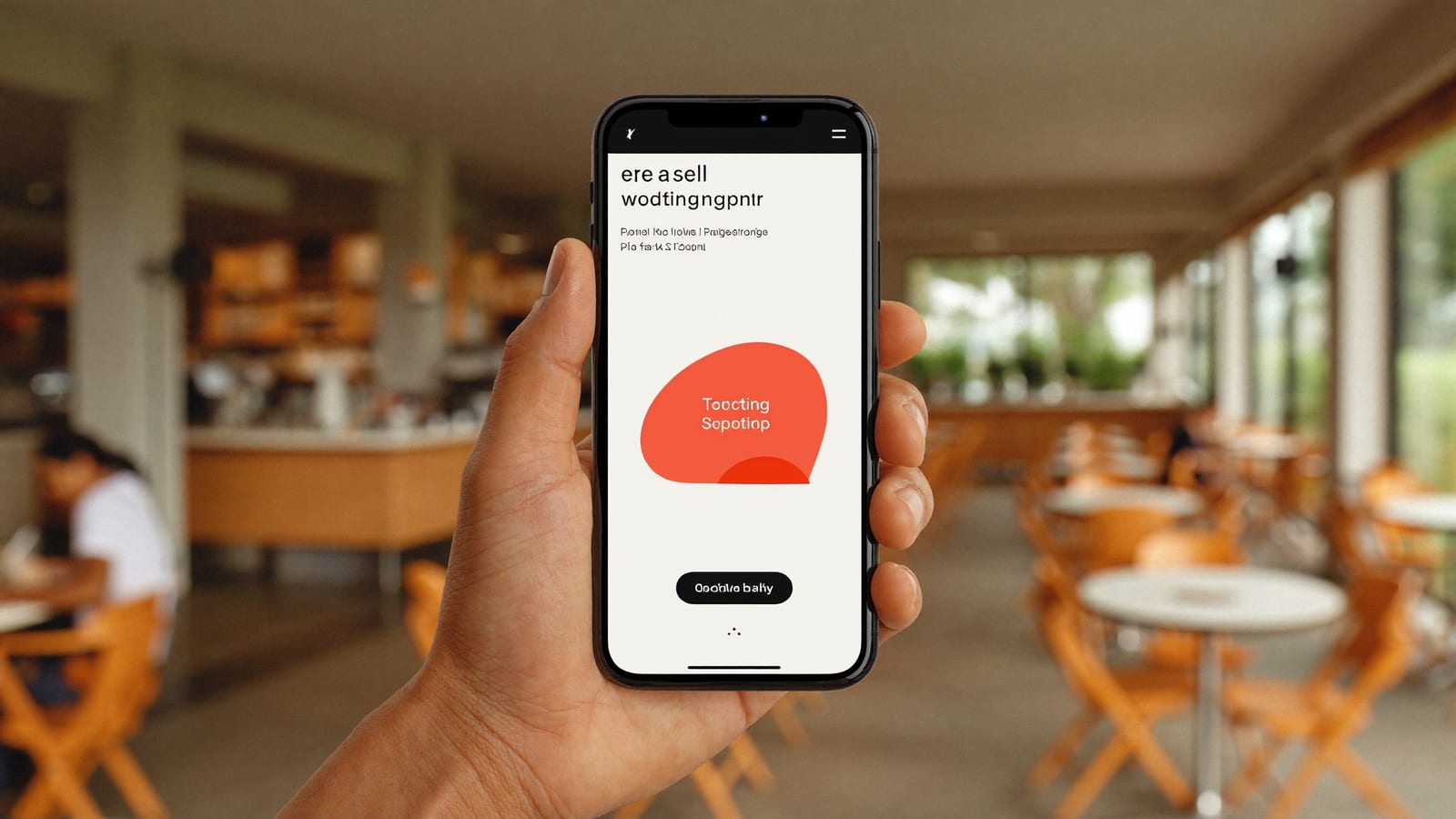
A one-page pre-sell: the cheapest way to find out if the course is worth building. Generated with Higgsfield. · Generated with Higgsfield
Higgsfield · The visual half
Sponsored
Once your outline's validated, Higgsfield covers the visual half — course cover, sales-page hero, module thumbnails and short promo clips — so your validated idea looks like a real product from day one. Free tier to start.
It can draft the structure and the scripts, but it can't be the expert. A course that's 100% AI-generated with no real expertise or original examples is exactly the low-value content buyers refund and platforms bury. Use AI for scaffolding and first drafts; bring the genuine knowledge, judgment and examples yourself. That mix is the whole point.
Is it okay to base a paid course on my free blog content?
Yes — and it's smart. A course adds structure, sequence, video, exercises and your direct guidance that scattered free posts don't. People pay for the organized path and the time saved, not just the raw information. Just make the course genuinely more than a reformatted blog, or buyers will feel it.
How do I pre-sell without looking sketchy?
Be transparent: say it's a founding/early-bird offer for a course launching on [date], at a lower price because they're buying before it's finished, with a refund if you don't ship. Honesty here builds trust and gives you real validation. Never take pre-orders you don't intend to fulfill.
What if my validation gets no interest?
That's the system working — you just saved yourself weeks. Dig into why: wrong audience, wrong price, unclear promise, or a topic people won't pay for. Adjust the offer and test again. A course business is really a series of cheap validation tests until one lands.