Building around a single GPU used to be the obvious move. With cards jumping 39% in two months, the math on prebuilt AI appliances just got a lot more interesting.
Two months ago, the answer to 'prebuilt or DIY for local AI' was easy: build it yourself, buy one good GPU, save money. That answer assumed GPU prices stayed still. They didn't — the RTX 5060 Ti 16GB is up 39% since June, the RTX 5070 up 36% — and a class of fixed-price unified-memory boxes that looked like a novelty in spring now looks like a hedge.
The DIY math, updated for August prices
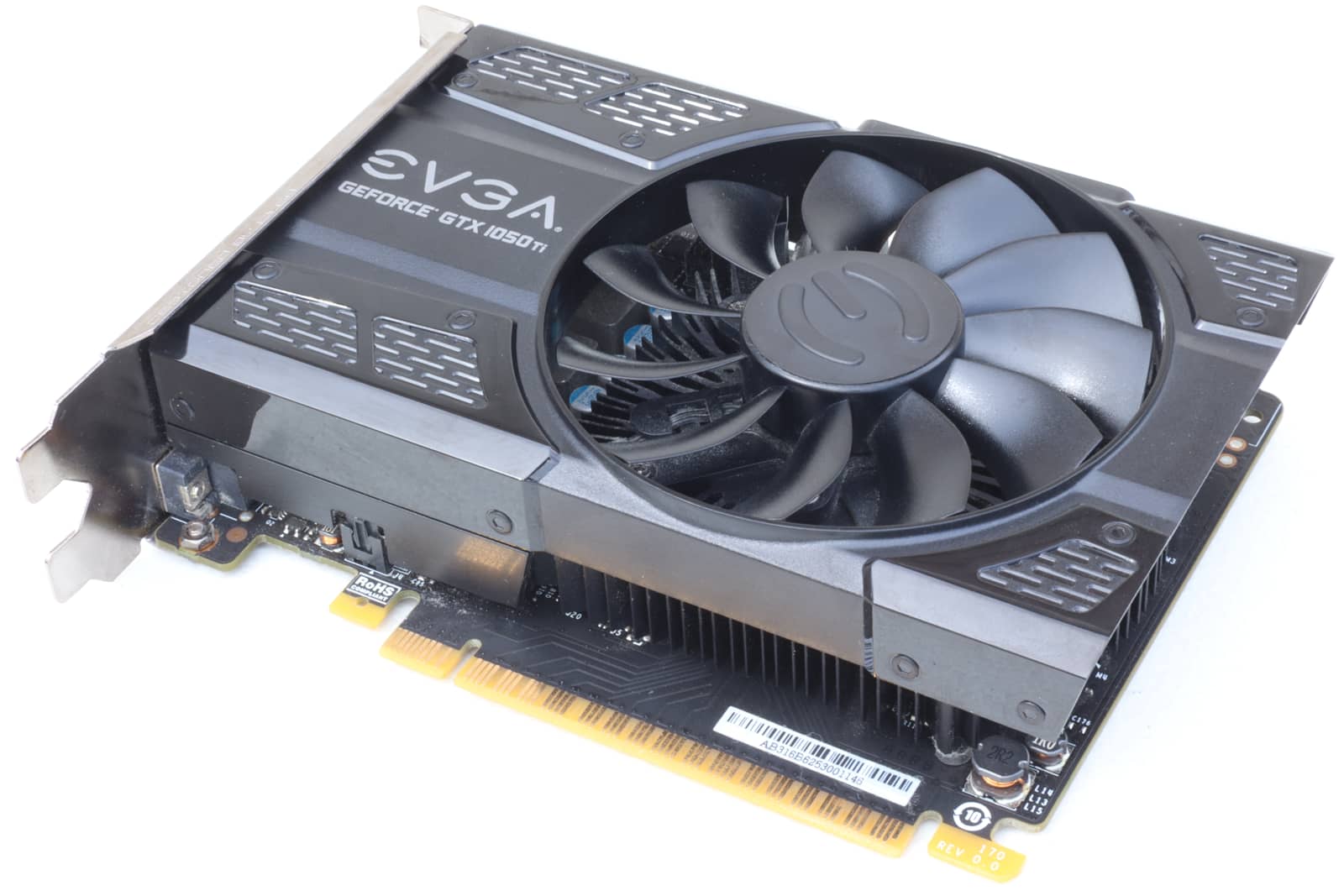
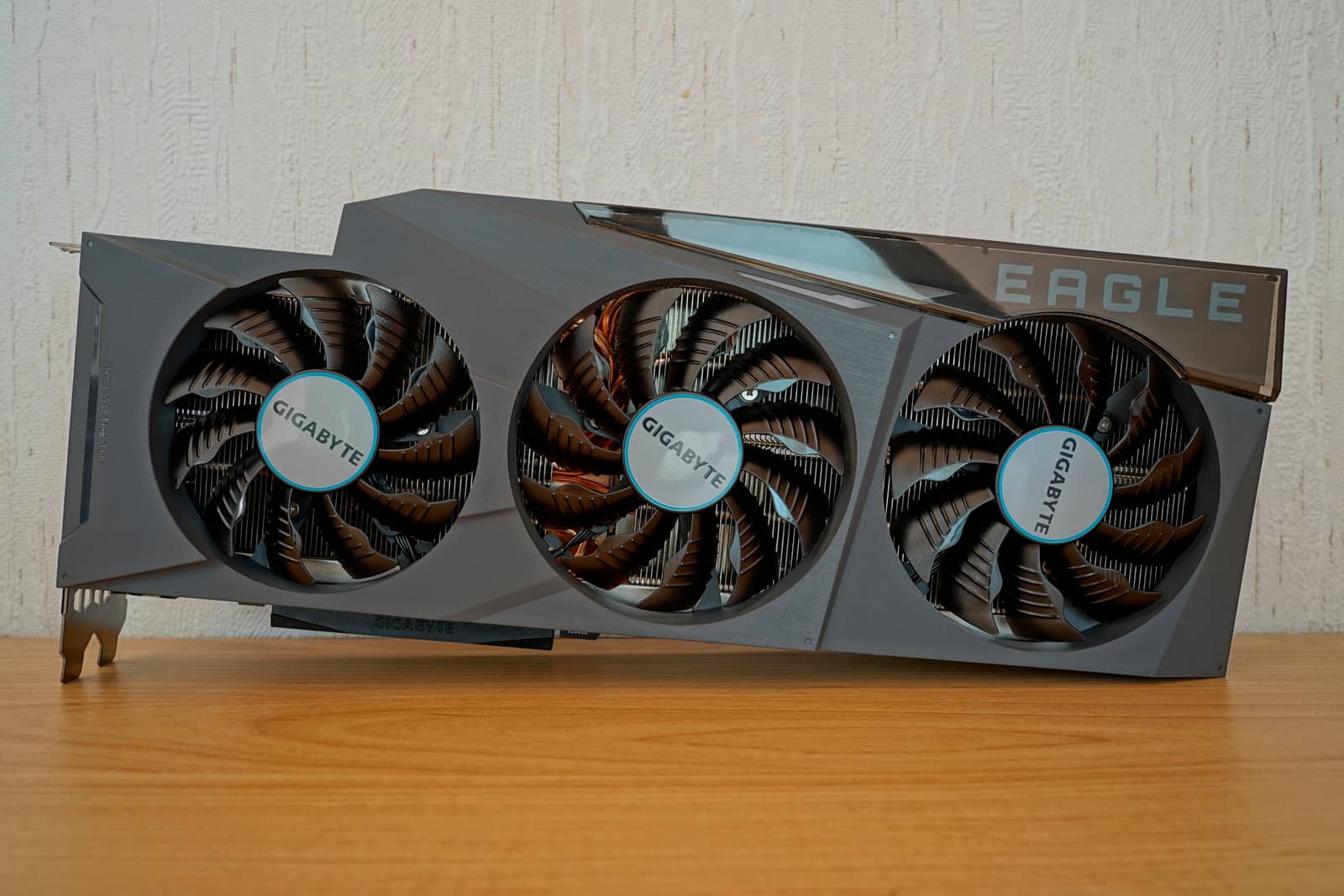
Price an RTX 5070 build today and the card alone is $899.99 at median, up from $659.99 in June. Add a competent AM5 or LGA1851 platform — motherboard, 32GB DDR5, a decent PSU (see what you actually need to power one of these builds), case, cooler — and you're looking at roughly $700–900 more. Call it $1,700–1,900 total for a system with 12GB of usable VRAM.
RTX 5070 DIY build vs. GMKtec EVO-X2 128GB
DIY (RTX 5070)
~$1,800 total
vs
GMKtec EVO-X2
~$1,499
12GB GDDR7 (dedicated)
Memory
128GB unified LPDDR5x
Full discrete-GPU-class GDDR7
Memory bandwidth
Shared unified, ~273GB/s class
CUDA, universal support
Software compatibility
ROCm/ONNX, improving but narrower
~14B models comfortably in 12GB
Max practical model size
Up to 200B-class models per lab testing
Swap the GPU independently later
Upgrade path
Memory is soldered — fixed for life
5070) wins 3wins 2 EVO-X2
Neither side wins outright. If your model fits in 12–16GB and you want raw speed, DIY still wins — it's the same logic behind our full breakdown of budget local-AI GPUs. But if you're chasing a model that genuinely needs 100GB-plus, no discrete-GPU DIY build gets there without stacking multiple cards — and that's where the unified-memory boxes stop being a novelty.
Where DGX Spark and AMD's own box fit
Prebuilt local-AI boxes, August 2026
Nvidia DGX Spark
System
128GB unified
Memory
$4,699
AMD Ryzen AI Halo Dev Platform
System
128GB unified
Memory
$3,999
GMKtec EVO-X2
System
128GB unified
Memory
~$1,499
System
Memory
Price
Nvidia DGX Spark
128GB unified
$4,699
AMD Ryzen AI Halo Dev Platform
128GB unified
$3,999
GMKtec EVO-X2
128GB unified
~$1,499
That's the real story: three boxes, roughly the same 128GB unified-memory capacity, and a $3,200 gap between the cheapest and the most expensive. Per Liliputing's pricing survey, the GMKtec EVO-X2 is the cheapest way into 128GB on x86 right now, and it's built on the same class of Strix Halo silicon that put 200B-parameter models within reach of a mini PC on StorageReview's own testbed. For anyone curious whether skipping a discrete GPU works at all, our look at integrated-graphics local AI covers the lower end of that same idea.
AMD's Strix Halo platform put 128GB of unified memory in a box roughly the size of a game console. · Press
So which one actually wins?
Running a model under 16GB and want the fastest tokens per second? Build DIY around a discrete GPU.
Need 70B-plus class models and don't want multi-GPU complexity? A unified-memory box like the GMKtec EVO-X2 beats a comparable DIY build on price for the same capacity.
Buying for a business with support requirements? DGX Spark's premium over GMKtec buys Nvidia's software stack, not just hardware.
Need genuinely enterprise-scale VRAM at full bandwidth? See our breakdown of [a used RTX 3090 versus a 5060 Ti](/used-rtx-3090-vs-rtx-5060-ti-16gb-for-local-ai-2026) for where that math starts, and go up from there.
Verdict
The honest recommendation
For most people reading this in August 2026, the GPU price spike makes the unified-memory boxes look better than they did in June — not because they got cheaper, but because the DIY alternative got more expensive. If your model fits in 16GB, still build DIY. If it doesn't, the GMKtec EVO-X2 at roughly $1,499 is the best-priced way into 128GB right now.
Best for: Anyone deciding between a discrete-GPU build and a unified-memory mini PC this month
Is a prebuilt AI mini PC cheaper than building your own right now?
For 128GB-class unified memory, yes — the GMKtec EVO-X2 at roughly $1,499 undercuts a comparable DIY discrete-GPU build by a wide margin. For under-16GB needs, DIY around a discrete GPU is still cheaper and faster.
What's the difference between DGX Spark and cheaper Strix Halo boxes like GMKtec's?
Both use a similar class of unified-memory silicon and hit roughly 128GB of capacity, but DGX Spark charges a premium for Nvidia's own CUDA and NIM software support — the GMKtec is comparable hardware for about a third of the price.
Why is unified memory slower than a discrete GPU?
DGX Spark's LPDDR5x memory runs at roughly 273GB/s, well below what a discrete GPU's dedicated GDDR7 typically delivers. Capacity is high, but token-generation speed suffers once you're inference-bound.
Should I buy now or wait for GPU prices to drop?
There's no confirmed timeline for the memory shortage easing. If your use case fits a unified-memory box today, its fixed pricing is arguably safer than waiting on a discrete-GPU market that's already moved 39% in two months.
Watch the Strix Halo mini PC segment specifically — more vendors are entering the 128GB tier every month, and that competition, not GPU prices cooling off, is what's actually likely to pressure this category's pricing down next.