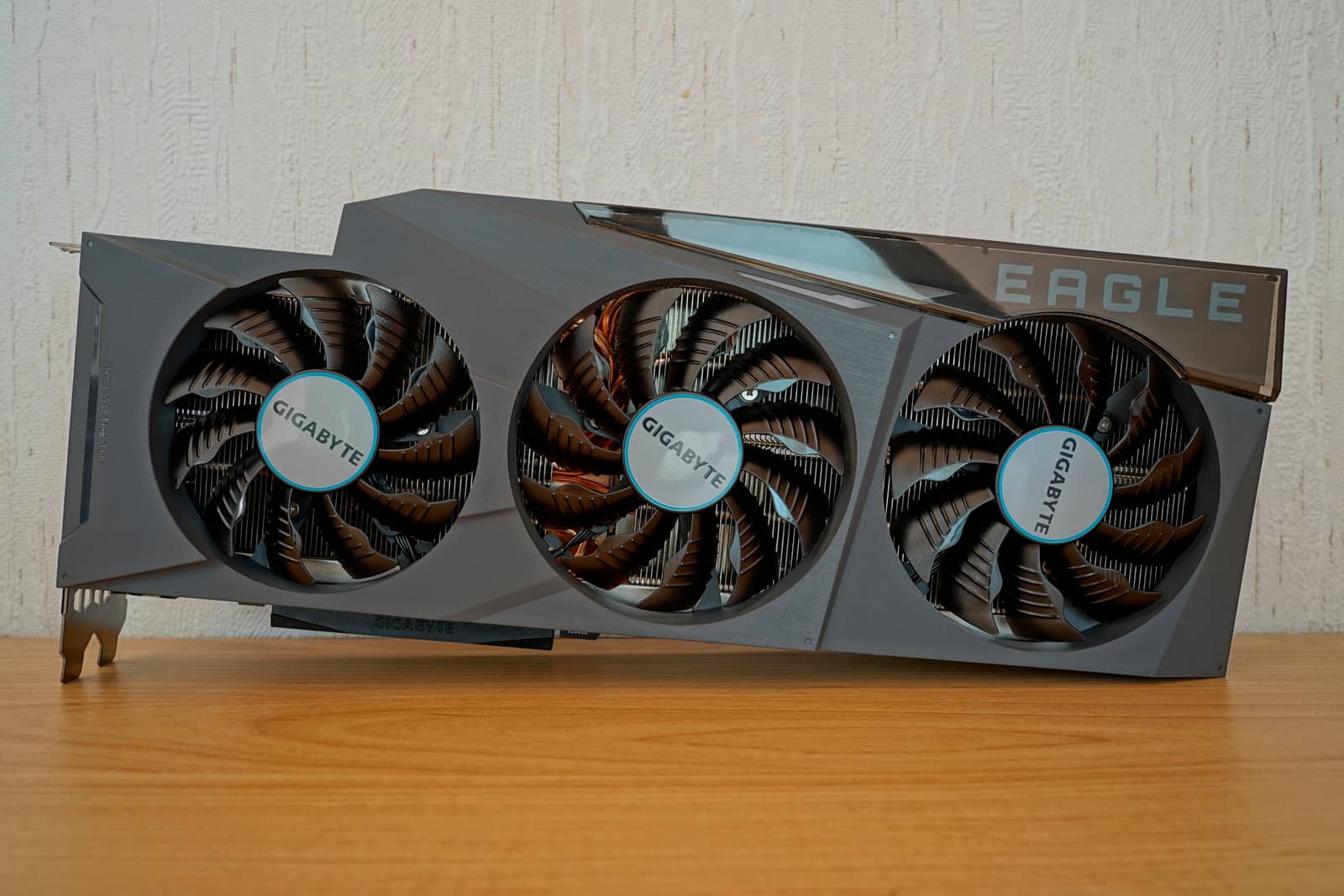
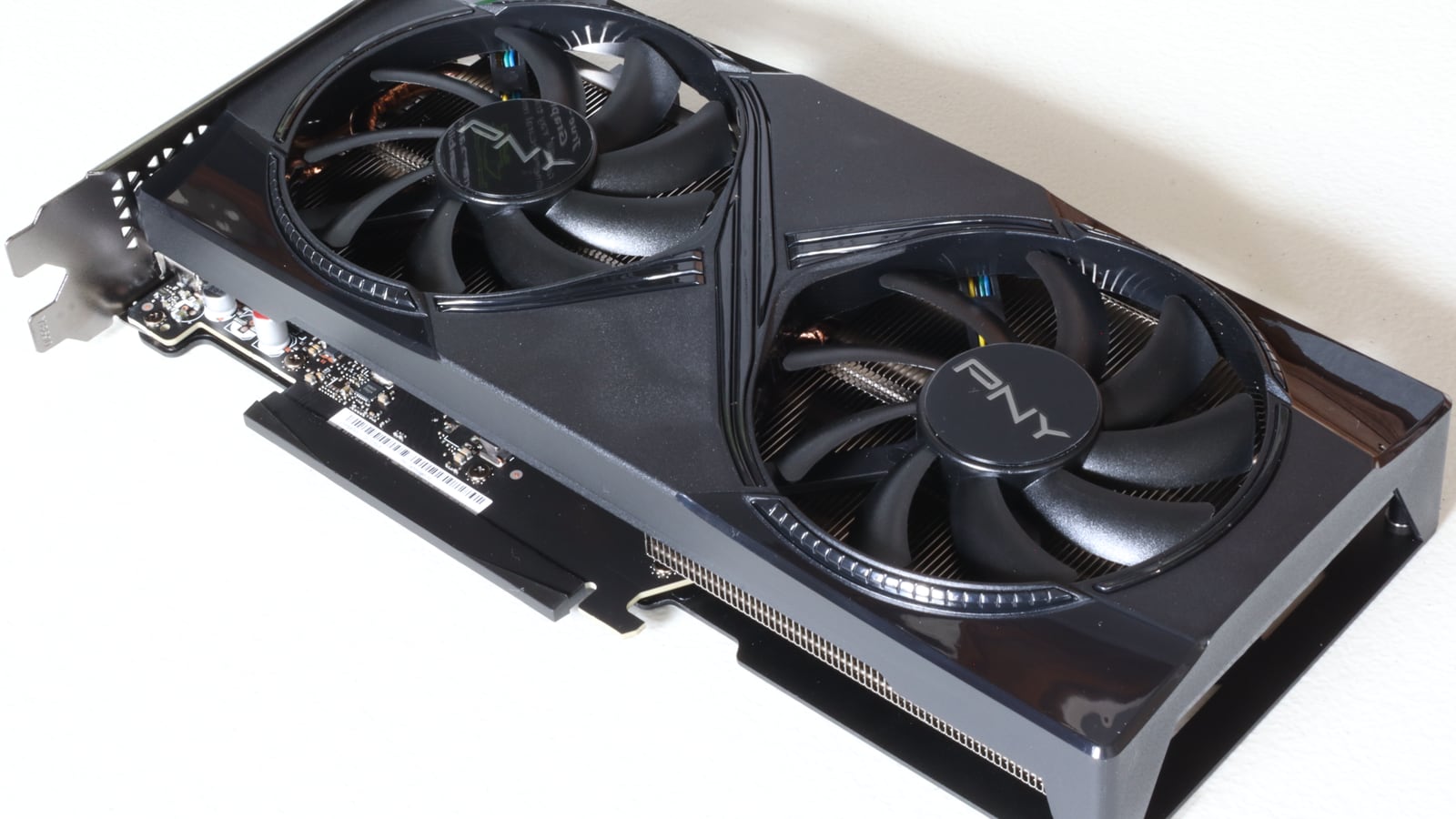
The GeForce RTX 5060 Ti 16GB now carries a median US street price of $805, according to pricing tracked by TechPowerUp — up from about $570 in June and 88% above its $429 launch MSRP. Over the same two months, AMD's direct competitor, the Radeon RX 9060 XT 16GB, has barely budged: it's sitting around $423-430 at most US retailers, roughly $75 above its own MSRP. That gap — $805 versus $425 — is now large enough that the real question isn't which card is technically better. It's whether Nvidia's advantages are worth paying almost double for.
Why one card moved and the other didn't
Both cards share the same 128-bit memory bus and the same 16GB capacity, but they get there differently. The RTX 5060 Ti uses GDDR7 running at 28Gb/s, giving it 448GB/s of bandwidth; the RX 9060 XT uses cheaper GDDR6 at 20Gb/s for 320GB/s, off its $349 launch MSRP. That's a real performance gap in Nvidia's favor — but GDDR7 is also the exact memory type that DRAM shortages have made drastically more expensive through 2026, and add-in-board partners are passing that cost straight to shoppers. AMD's older, cheaper memory standard largely insulated the RX 9060 XT from the same spike.
Spec-for-spec, August 2026 pricing
Current median price
$805
RTX 5060 Ti 16GB
~$425
Launch MSRP
$429
RTX 5060 Ti 16GB
$349
Shader/CUDA cores
4,608
RTX 5060 Ti 16GB
2,048
Memory
16GB GDDR7, 448GB/s
RTX 5060 Ti 16GB
16GB GDDR6, 320GB/s
RT cores
36 (4th-gen)
RTX 5060 Ti 16GB
32 (3rd-gen)
AI accelerator cores
144 (5th-gen)
RTX 5060 Ti 16GB
64 (2nd-gen)
AI software stack
CUDA (full ecosystem)
RTX 5060 Ti 16GB
ROCm / Vulkan
RTX 5060 Ti 16GB
RX 9060 XT 16GB
Current median price
$805
~$425
Launch MSRP
$429
$349
Shader/CUDA cores
4,608
2,048
Memory
16GB GDDR7, 448GB/s
16GB GDDR6, 320GB/s
RT cores
36 (4th-gen)
32 (3rd-gen)
AI accelerator cores
144 (5th-gen)
64 (2nd-gen)
AI software stack
CUDA (full ecosystem)
ROCm / Vulkan
The price gap, visualized
RTX 5060 Ti 16GB$805
88% above MSRP
RX 9060 XT 16GB~$425
~22% above MSRP
Does CUDA justify $380?
For gaming, the honest answer is no — Club386's head-to-head testing puts the two cards within about 10-15% of each other in raw frame rates, with the RTX 5060 Ti pulling ahead mainly in ray tracing and DLSS-supported titles. For local AI, the calculus is murkier. Nearly every mainstream inference tool — llama.cpp, vLLM, Ollama — runs best on CUDA first and ROCm/Vulkan second, sometimes weeks or months later. Intel's Arc B580 tells a similar story at an even lower price point: cheap, capable hardware that pays what I'd call a real software tax in setup time and missing features. AMD has closed that gap faster than Intel, but it hasn't closed it.
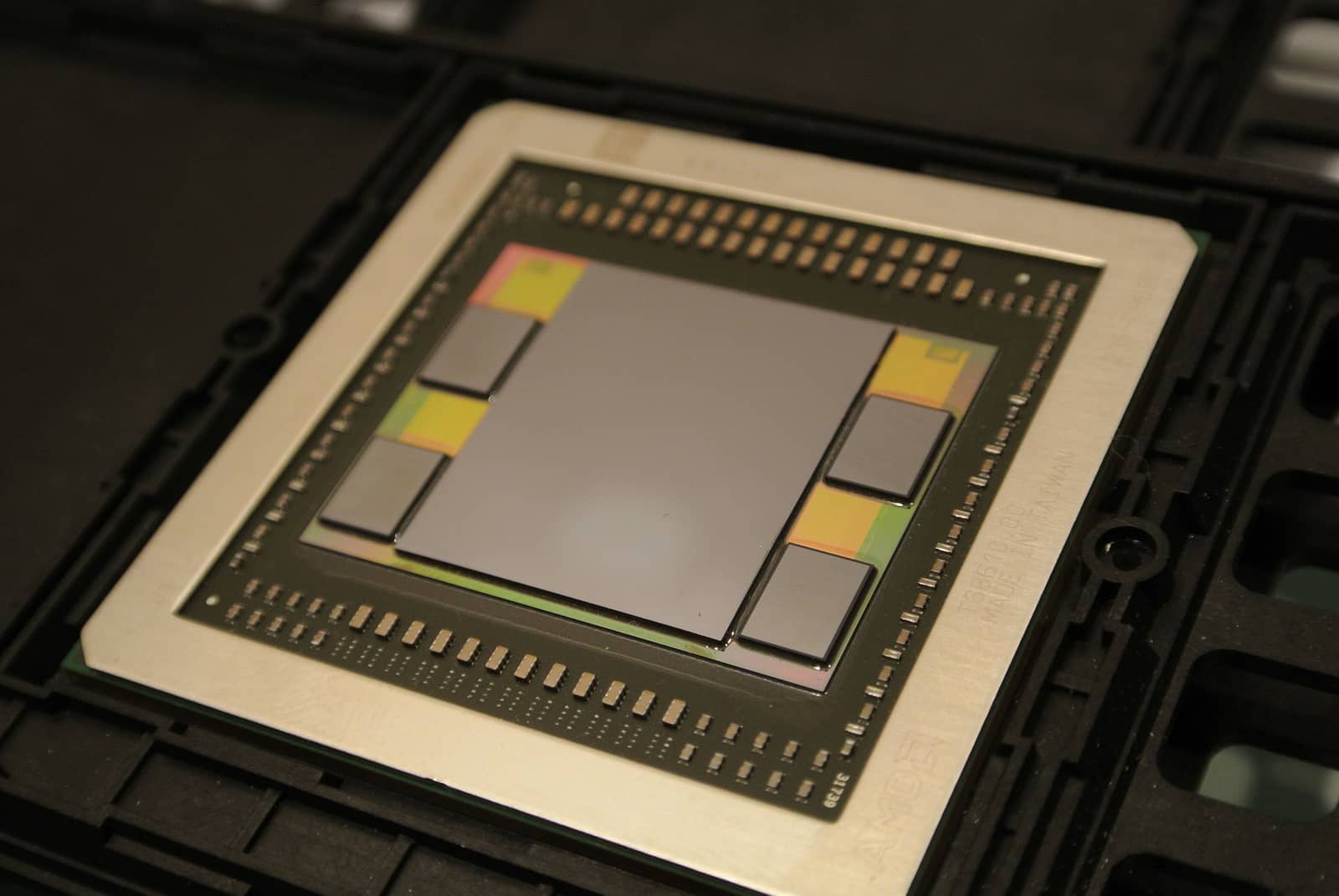
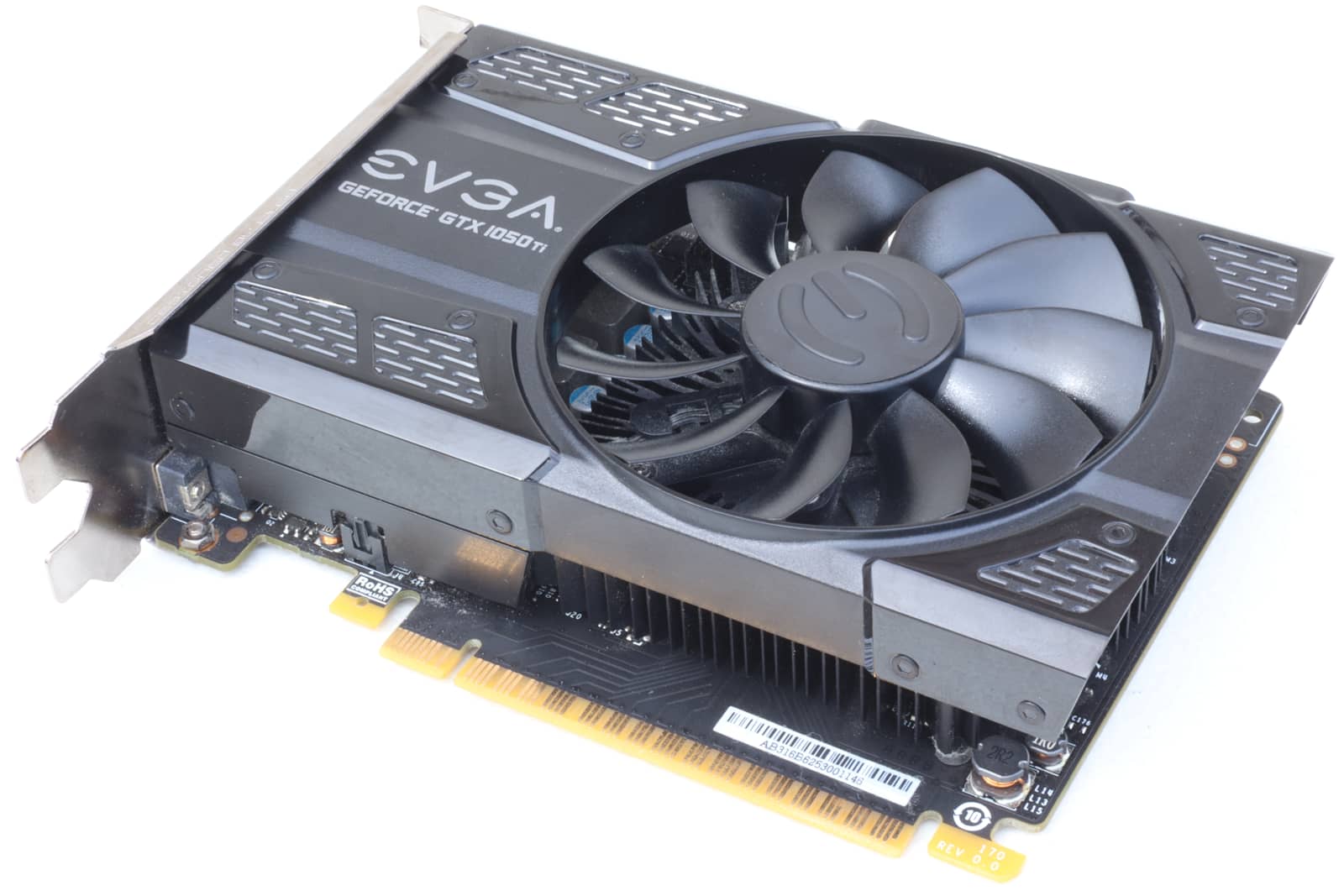
Both the RTX 5060 Ti and RX 9060 XT ship with 16GB of VRAM — they just got there on very different memory, and very different price trajectories. · Unsplash
Check your actual use case — gaming, or CUDA-dependent local AI tools
2
Compare live prices at your usual retailer, not launch MSRP — both cards move weekly right now
3
If you're not tied to CUDA, price-match against the RX 9060 XT before paying $800+
4
For heavier local AI (20B+ models), check our best GPU for local AI breakdown before committing either way
Verdict
Buy call
RX 9060 XT 16GB for value and gaming; RTX 5060 Ti 16GB only if CUDA is a hard requirement for your workflow.
Best for: Budget gamers and casual local-AI users should go AMD right now. CUDA-locked workflows are the only case that still justifies Nvidia's price.
Why did the RTX 5060 Ti get so much more expensive than the RX 9060 XT?
It uses GDDR7 memory, which has taken the brunt of 2026's DRAM shortage price hikes. The RX 9060 XT uses older, cheaper GDDR6, which largely insulated it from the same spike.
Is the RTX 5060 Ti actually faster?
Yes, on paper — 448GB/s of memory bandwidth versus 320GB/s, plus more RT and AI-accelerator cores. In real gaming benchmarks the gap narrows to roughly 10-15%.
Which is better for local AI?
The RTX 5060 Ti's CUDA support means broader, faster-updated tool compatibility. The RX 9060 XT works fine for models it can fit, but expect to lean on Vulkan/ROCm builds that lag CUDA releases.
Will these prices come back down?
Nobody knows for certain — this is a supply-driven spike, not a demand one — but every price tracker cited here shows the trend still climbing as of mid-August 2026, not reversing.
Neither card is a bad buy on specs alone — the story here is entirely about what you're being asked to pay for that spec sheet right now. If GDDR7 costs keep climbing the way they have since June, expect the gap to widen further before it narrows. Check current listings before you buy either one; a card that was $700 last week can be $850 this week in this market, and Nvidia isn't done raising prices.