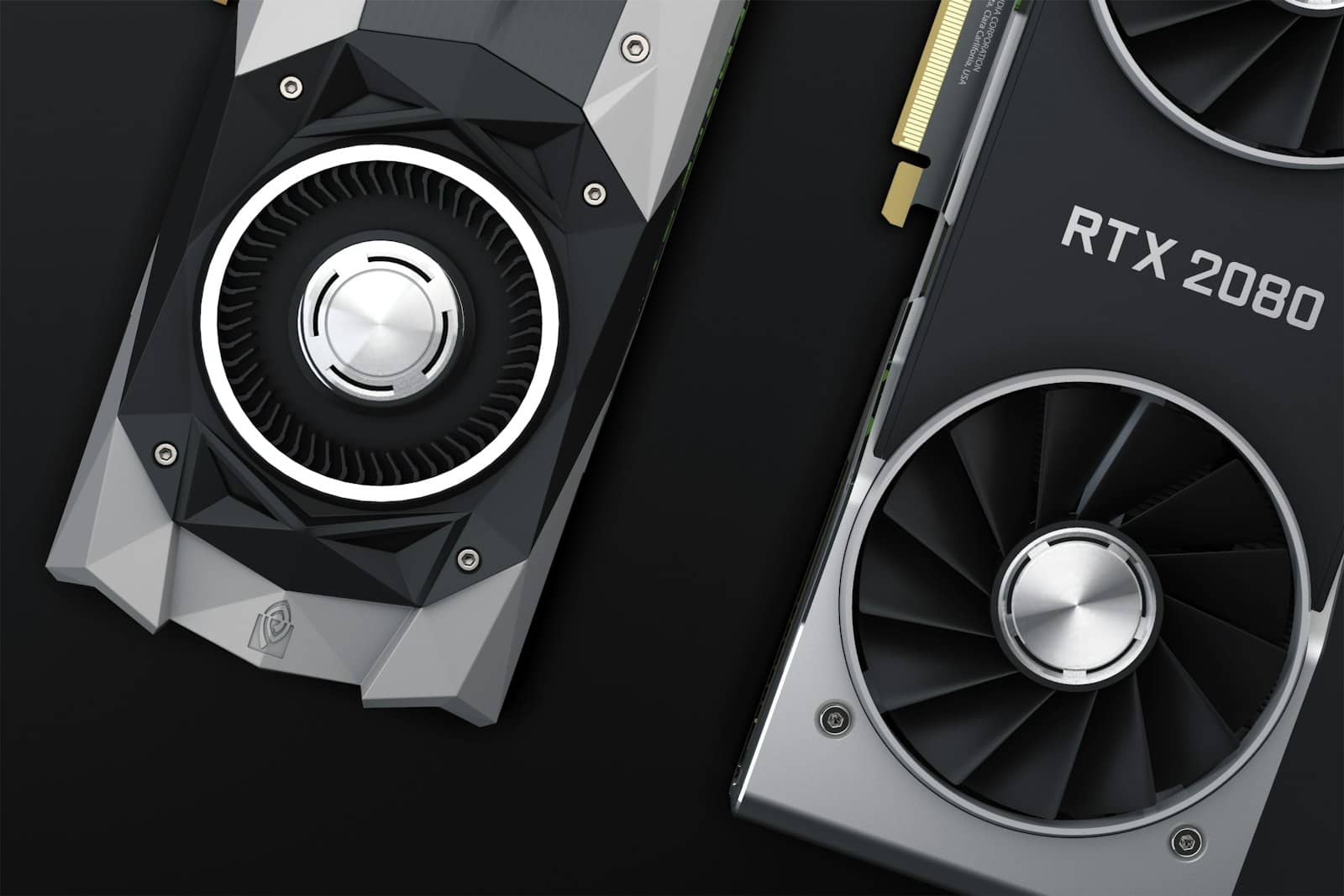
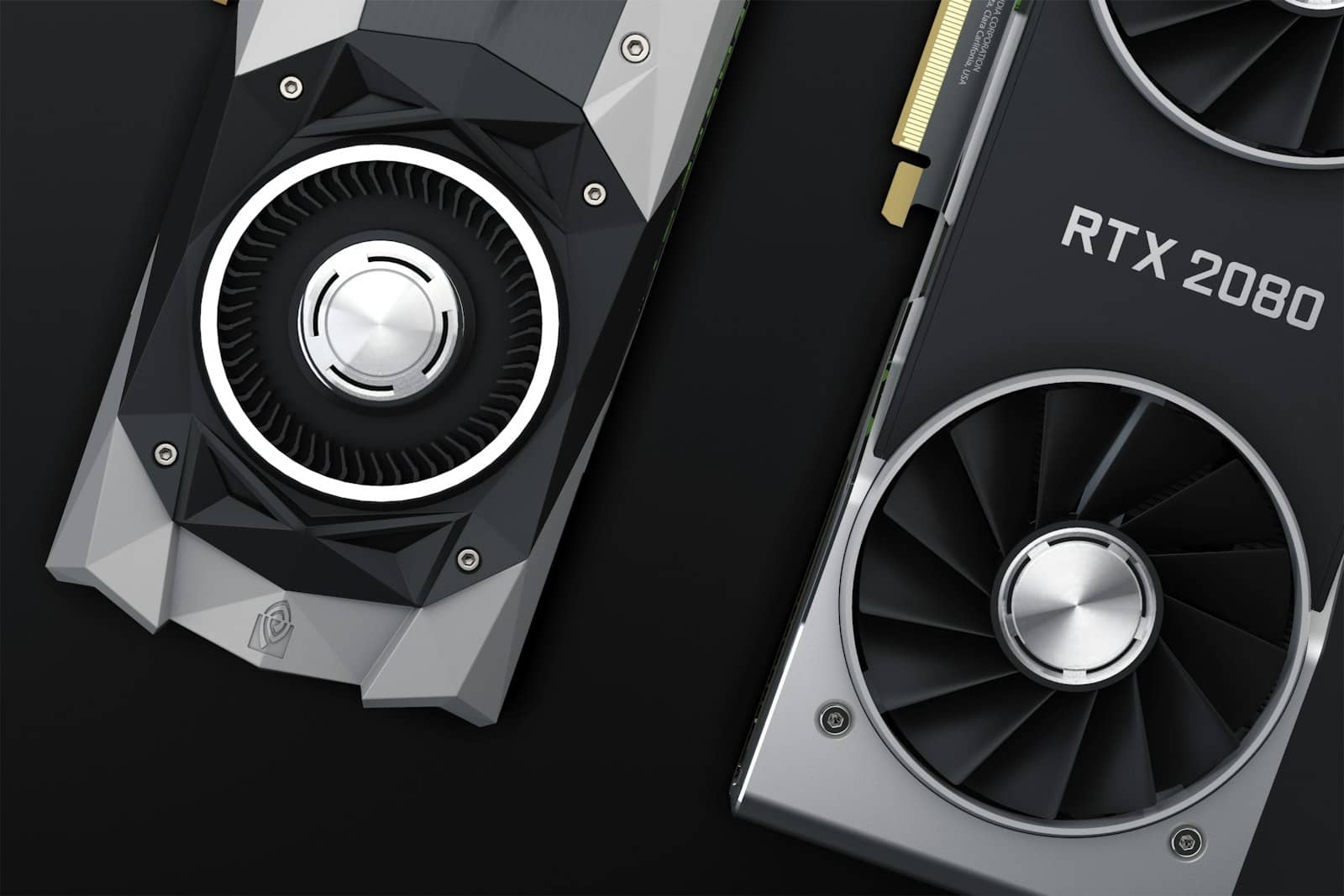
Arc B580, RX 9060 XT 16GB, and RTX 5060 Ti 16GB are all fighting for the same budget local-AI buyer in 2026. Real prices and real bandwidth numbers settle it.
Three graphics cards are fighting for the same buyer right now: someone who wants to run local AI models without spending RTX 5070 Ti money. Intel's Arc B580, AMD's Radeon RX 9060 XT 16GB, and Nvidia's RTX 5060 Ti 16GB all launched within the same rough price band, and by August 2026 all three have drifted well above their original MSRPs along with the rest of the market. I lined up their actual current prices, VRAM, and memory bandwidth — the spec that decides how fast a model actually generates text, not just whether it fits — and the card with the smallest price tag isn't the one I'd buy.
Budget GPU spec comparison, August 2026 pricing
Architecture
Spec
Xe2 (Battlemage)
Arc B580
RDNA4 (Navi 44)
RX 9060 XT 16GB
Blackwell
VRAM
Spec
12GB GDDR6
Arc B580
16GB GDDR6
RX 9060 XT 16GB
16GB GDDR7
Memory bus
Spec
192-bit
Arc B580
128-bit
RX 9060 XT 16GB
128-bit
Bandwidth
Spec
456 GB/s
Arc B580
322 GB/s
RX 9060 XT 16GB
448 GB/s
TDP
Spec
190W
Arc B580
160W
RX 9060 XT 16GB
180W
MSRP
Spec
$249
Arc B580
$349
RX 9060 XT 16GB
$429
Current price
Spec
~$305
Arc B580
~$440
RX 9060 XT 16GB
~$580
Spec
Arc B580
RX 9060 XT 16GB
RTX 5060 Ti 16GB
Architecture
Xe2 (Battlemage)
RDNA4 (Navi 44)
Blackwell
VRAM
12GB GDDR6
16GB GDDR6
16GB GDDR7
Memory bus
192-bit
128-bit
128-bit
Bandwidth
456 GB/s
322 GB/s
448 GB/s
TDP
190W
160W
180W
MSRP
$249
$349
$429
Current price
~$305
~$440
~$580
why bandwidth matters more than the spec sheet suggests
VRAM capacity decides whether a model loads. Bandwidth decides how fast it talks back to you, because every token a local LLM generates requires reading the model's weights from memory again — inference is bottlenecked by how fast the card can move data, not by how much raw compute it has. That's why the RTX 5060 Ti's 448 GB/s matters as much as its extra headroom: on paper the Arc B580's 456 GB/s edges it out, but Nvidia's GDDR7 controller and CUDA software stack extract more of that theoretical number in practice, as Tom's Hardware's own review of the card found. The RX 9060 XT is the outlier here — 16GB of capacity, but the slowest memory of the three at 322 GB/s, which Tom's Hardware's testing showed translates directly to fewer tokens per second once a model is loaded, even though it never runs out of room the way the 12GB Arc card can on larger models.
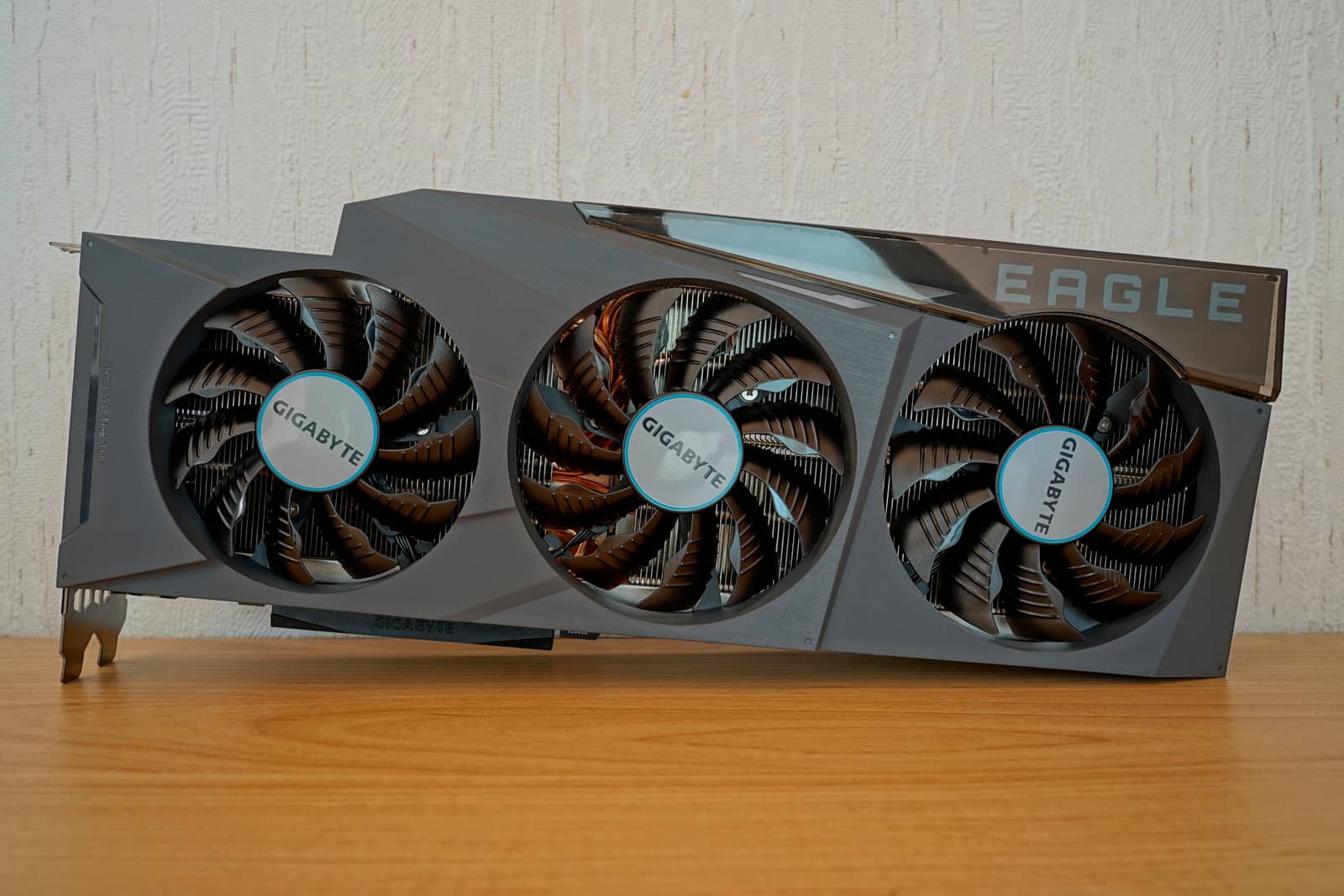
Any of these three cards fits comfortably in a standard mid-tower build. · Unsplash
how to actually choose between these three
Running anything above a 13B-class model? Rule out the Arc B580 first — 12GB caps you out fast once you add context length on top of the model weights.
Need every dollar to count and 12GB is genuinely enough for your models? The Arc B580, per [Intel's own spec sheet](https://www.intel.com/content/www/us/en/products/sku/241598/intel-arc-b580-graphics/specifications.html), is the cheapest way into double-digit VRAM, full stop.
Want the most VRAM per dollar with a more forgiving software path than Intel's? The RX 9060 XT 16GB is the safer AMD pick if you're already comfortable with llama.cpp's Vulkan backend.
Want the fastest tokens-per-second and the least software friction? Pay the premium for the RTX 5060 Ti 16GB — CUDA support is still the path of least resistance for almost every local-AI tool.
8/ 10
Verdict
Best budget GPU for local AI, August 2026
The RTX 5060 Ti 16GB is the one I'd actually buy. It costs about 27% more than the RX 9060 XT 16GB and roughly 90% more than the Arc B580, but CUDA support means every local-AI tool — Ollama, LM Studio, vLLM, ComfyUI — works on day one without a workaround, and 448 GB/s of bandwidth keeps generation speed competitive with cards well above this price tier. Buy the Arc B580 if $300 is a hard ceiling and your models genuinely fit in 12GB; just budget time for driver quirks. The RX 9060 XT 16GB is the awkward middle option — more VRAM than the Arc, slower memory than the 5060 Ti, and a software stack that's improved a lot in 2026 but still trails CUDA for niche tools.
Best for: Anyone building a first local-AI box on a sub-$600 GPU budget who wants the least amount of troubleshooting.
The Arc B580's 456 GB/s of bandwidth looks great on paper — Intel's software stack is the real variable. · Unsplash
Can the Arc B580 run local LLMs well in 2026?
Yes, via llama.cpp's Vulkan and SYCL backends, but expect more setup friction than CUDA — Intel's IPEX-LLM project has closed a lot of the gap but tool support still lags Nvidia's ecosystem.
Is 16GB enough for local AI in 2026?
For most people, yes — it comfortably runs 13B dense models and many 30B-class mixture-of-experts models at 4-bit quantization. It's not enough for 70B-class models without offloading to system RAM.
Why does the RTX 5060 Ti cost so much more than the RX 9060 XT for the same VRAM?
GDDR7 costs significantly more per module than GDDR6 right now, and Nvidia's card bundles that pricier memory — the tradeoff buys you roughly 39% more bandwidth.
Should I just buy a used RTX 3090 instead?
If you can find one in good condition near $650-750, it beats all three on raw VRAM (24GB) and bandwidth (936 GB/s) — see our full used RTX 3090 comparison for the tradeoffs in power draw and warranty.
Budget GPU pricing in 2026 is a moving target, and none of these three is going to get cheaper while memory costs keep climbing. If you need to buy this month, match the card to the model size you actually plan to run rather than the biggest number on the spec sheet — a 12GB card that fits your model with room to spare beats a 16GB card that's still $150 more than you wanted to spend.