85% of US console gamers regularly play PlayStation. 76% play Nintendo. Xbox trails both at 58% — and its own new CEO just called the division 'unhealthy.'
A new Statista Consumer Insights survey of more than 3,200 US gamers, published August 9, 2026, put a hard number on something the industry has whispered about for a while: 85% of respondents regularly play on PlayStation, 76% on Nintendo, and only 58% on Xbox. That's not a close third place — it's a 27-point gap behind PlayStation, and it lands the same week Xbox's own new CEO, Asha Sharma, called the division 'unhealthy' in public remarks about the layoffs that have hit the company through the summer.
Regular console usage, US gamers (Statista, Aug 2026)
PlayStation85%
Nintendo76%
Xbox58%
trailing both rivals by a wide margin
Break it down by individual hardware and the picture gets more specific. The PS5 alone reaches 46% of respondents — more than any single console from either competitor — while the aging PS4 still pulls 27%. Nintendo's Switch sits at 33% with the newer Switch 2 already climbing to 17%. Xbox's own numbers split awkwardly between the Xbox Series X/S at 21% and the Xbox One at 23% — meaning Microsoft's previous generation console is still slightly more played than its current one. And in a detail that says a lot about how little separation Xbox has built in fifteen years, the original Xbox 360 remains a genuinely popular answer on this survey.
Why Xbox keeps losing this particular fight
None of this is really about hardware quality — reviewers have rated Xbox Series X hardware competitively with the PS5 for years. It's about what people actually do once they own the box. Sony has spent this console generation building first-party exclusives that only exist on PlayStation, while Nintendo has never needed to compete on raw power because it competes on games nobody else has. Xbox, meanwhile, bet its strategy on Game Pass and cross-platform availability — a smart long-term move for subscription revenue, but one that quietly removes the reason to specifically own Xbox hardware, since most of its biggest games now ship day-one on PC and even PlayStation.
The division is unhealthy.
Asha Sharma, Xbox CEO, on Microsoft's gaming division amid ongoing 2026 layoffs
Sharma took over Xbox this year facing a gaming division whose revenue dropped 11% in the last fiscal year — a slide largely pinned on Call of Duty's underperformance, still Microsoft's single biggest gaming franchise by revenue. She's since cited a figure of 200 million total Xbox players across all platforms, a number Microsoft hasn't broken down by methodology, but one clearly meant to reframe the conversation away from console-specific market share and toward Xbox as a services business that happens to also sell a box.
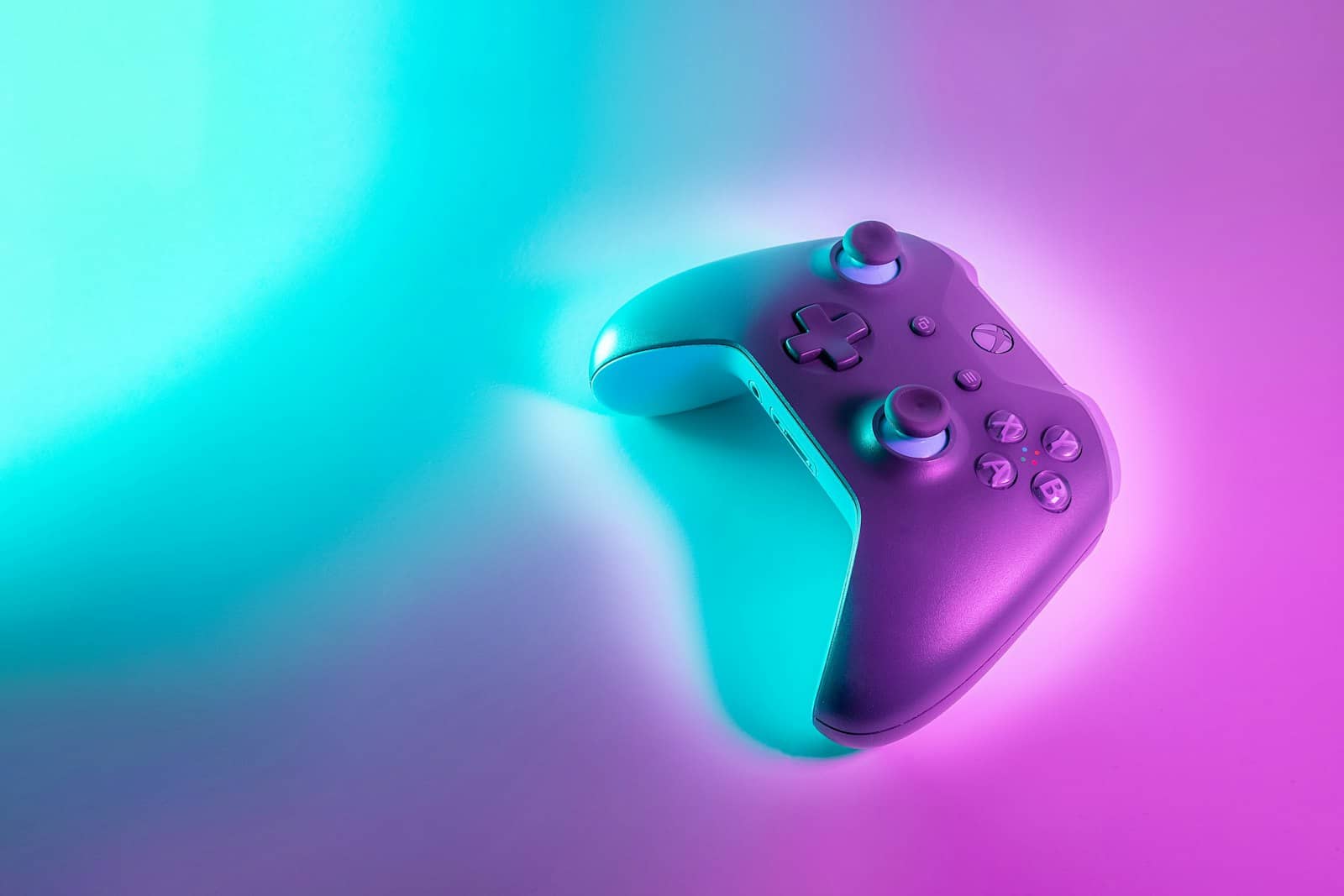
Xbox's own strategy has shifted toward Game Pass and cross-platform reach rather than hardware exclusivity. · Unsplash
The pivot: Xbox as a platform, not a box
That reframe is already visible in where Microsoft is putting effort. Xbox Cloud Gaming and the Xbox PC app are both growing but, by Microsoft's own admission, are undermarketed relative to how much they matter to the company's actual strategy. Memory sourcing issues tied to this year's broader DRAM shortage have also squeezed current-gen console pricing and margins — the same supply crunch that's been pushing GPU prices up across the market. And Microsoft is reportedly deep into development on a next-generation console, internally called Project Helix, aimed at directly answering PlayStation's next hardware cycle rather than ceding that ground entirely.
Verdict
My take
Xbox isn't dying, but it has functionally already lost the 'which box do I buy' argument, and pretending otherwise wastes marketing budget it can't currently afford. The actual opportunity Sharma has is boring but real: most gamers still don't know Game Pass Ultimate lets them stream Xbox exclusives to a PS5's browser or a cheap laptop. Winning that awareness fight is cheaper and more winnable than trying to out-market Sony on hardware loyalty it built over a decade.
Best for: Anyone deciding whether Xbox is 'dying' — the honest answer is it's changing shape, not disappearing.
What to watch next: whether Microsoft actually puts real marketing spend behind Cloud Gaming and the PC app rather than another hardware refresh cycle, how Project Helix gets positioned against Sony's next PlayStation, and whether this year's ongoing wave of tech layoffs — which has already touched Xbox's own staff — ends up cutting deeper into the teams that would actually execute that pivot.