the Pixel 11 starts at 256GB instead of 128GB, for the same $899 as last year. that sounds generous until you realize why storage doubled right when memory got expensive.
Google's Pixel 11 lineup went official on August 12 — Pixel 11, Pixel 11 Pro and Pixel 11 Pro XL, all running the new Tensor G6 chip, all shipping with 256GB of storage as the floor instead of the 128GB every Pixel before it started with. The base Pixel 11 still costs $899 in the US, the same number the Pixel 10 launched at, so on paper nothing changed. Look one level deeper and Google told reporters directly at its media briefing why the minimum tier doubled this year: the same memory shortage that's been driving up GPU and PC prices all year finally caught up to phones too.
Pixel 11 lineup at a glance
Starting price
Spec
$899
Pixel 11
$1,099
Pixel 11 Pro
$1,299
Base storage
Spec
256GB
Pixel 11
256GB
Pixel 11 Pro
256GB
Display
Spec
6.3" OLED, 120Hz
Pixel 11
6.3" Super Actua LTPO OLED
Pixel 11 Pro
6.8" Super Actua LTPO OLED
Rear cameras
Spec
48MP main + 13MP UW + 10.8MP 5x tele
Pixel 11
50MP + 48MP UW + 48MP 5x tele
Pixel 11 Pro
50MP + 48MP UW + 48MP 5x tele
Battery
Spec
4,840mAh
Pixel 11
4,850mAh
Pixel 11 Pro
5,115mAh
Chip
Spec
Tensor G6
Pixel 11
Tensor G6
Pixel 11 Pro
Tensor G6
Spec
Pixel 11
Pixel 11 Pro
Pixel 11 Pro XL
Starting price
$899
$1,099
$1,299
Base storage
256GB
256GB
256GB
Display
6.3" OLED, 120Hz
6.3" Super Actua LTPO OLED
6.8" Super Actua LTPO OLED
Rear cameras
48MP main + 13MP UW + 10.8MP 5x tele
50MP + 48MP UW + 48MP 5x tele
50MP + 48MP UW + 48MP 5x tele
Battery
4,840mAh
4,850mAh
5,115mAh
Chip
Tensor G6
Tensor G6
Tensor G6
The 256GB sleight of hand
To be fair to Google, this isn't pure spin. Compare the Pixel 11's 256GB base configuration against last year's 256GB Pixel 10 — not the 128GB entry model — and the price is genuinely identical at $899. Google's argument is that it simply moved the goalposts: rather than sell a 128GB phone most buyers would outgrow within two years anyway, it made the storage tier people actually want the new default. That's a defensible product decision. It's also, unmistakably, a way to absorb a component cost increase without printing a bigger number on the box in the US — because the actual bill of materials for a phone with double the flash storage did not stay flat, and somebody paid that difference. In the UK, where Google didn't hold pricing steady, that same story reads much more plainly as a hike: £799 to £879, an £80 jump with no new option to dodge it.
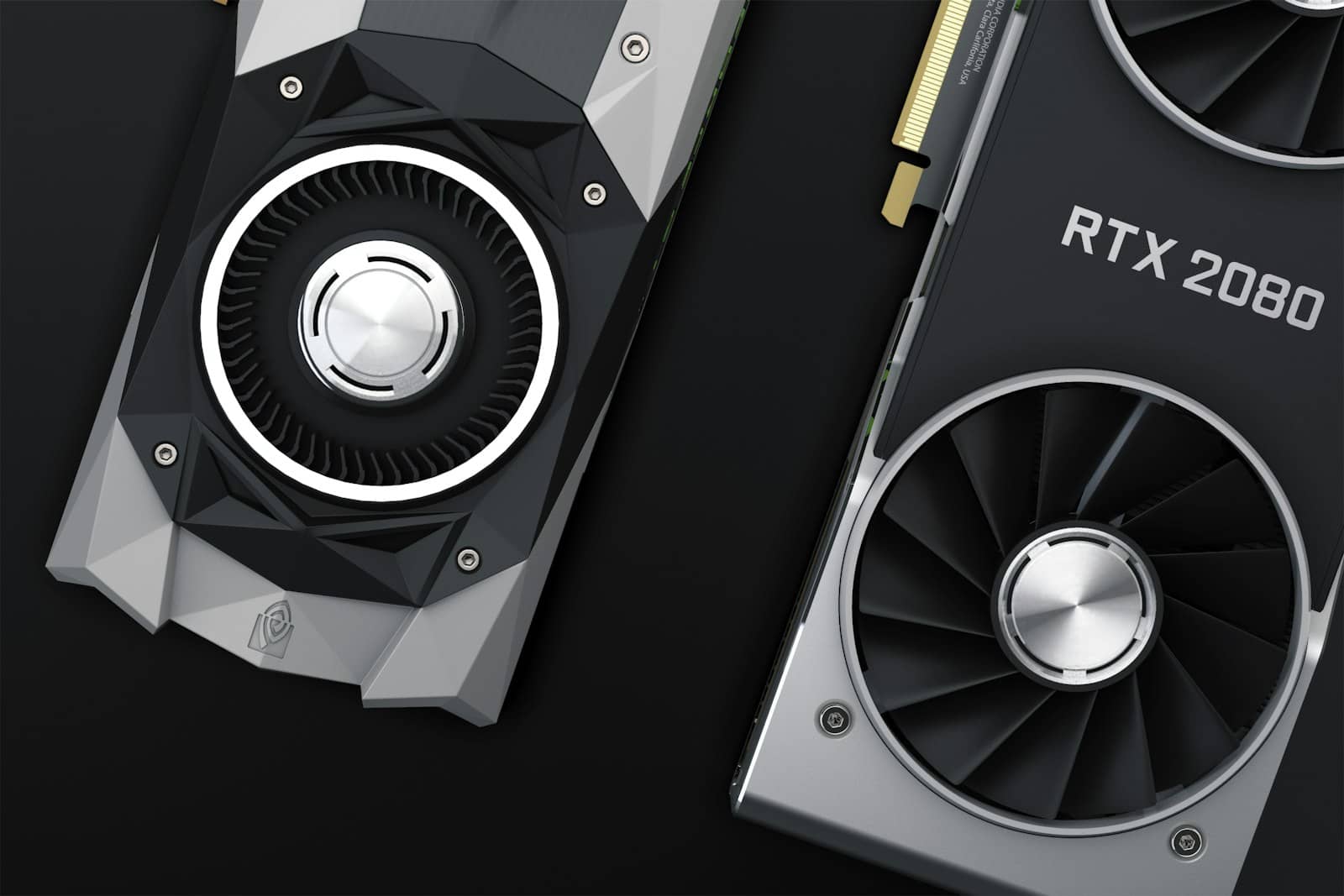
Flash storage and RAM are both caught in the same memory shortage that's been reshaping pricing across phones, GPUs and laptops in 2026. · Unsplash
What's actually new besides the chip
The Tensor G6 itself is the real headline for anyone who cares about performance rather than pricing footnotes — it's Google's first phone chip built on a 2nm process, and Google claims 25% faster web browsing and 15% faster app launches over the Tensor G5, alongside 50% more dedicated TPU compute for on-device AI processing at lower power draw. That last part matters more than it sounds: it's what's powering new features like 'Magic Capture' and conversational photo editing through 'Edit with Ask Photos,' both of which run inference locally rather than round-tripping to a server. The Pro models' camera bump — a 50MP main sensor and a proper 48MP 5x telephoto with 120x digital 'Pro Zoom' — is a real upgrade over the outgoing generation, not a marketing rename of the same hardware.
Verdict
Should you actually upgrade
If you're on a Pixel 8 or older, the Tensor G6 jump plus doubled base storage makes this a legitimately worthwhile upgrade. If you own a Pixel 10, the case is thin — you're mostly paying for a chip refresh and a camera bump on the Pro models, not a generational leap, and the 256GB 'discount' framing only helps you if you were going to buy the bigger storage tier anyway.
Best for: Best for Pixel 8-and-older owners and anyone who was already going to pay for 256GB+ storage; skip it if you bought a Pixel 10 Pro last year.
Is the Pixel 11 actually more expensive than the Pixel 10?
In the US, the headline price is the same ($899) but you're required to buy double the storage to get it — so you're getting more for the same money, not paying more for the same phone. In the UK, the price rose outright by £80 with no smaller tier available.
When can I actually buy one?
Pre-orders opened at launch on August 12, 2026, with general sales scheduled for August 20, 2026.
What's the difference between the Pixel 11 Pro and Pro XL?
Camera hardware is identical between the two. The Pro XL gets a larger 6.8-inch display, a bigger 5,115mAh battery, and faster 45W wired charging versus the Pro's 6.3-inch screen and 4,850mAh battery.
Watch for two things from here: whether Samsung and other Android makers follow Google's lead and quietly bump their own base storage tiers to absorb the same memory cost pressure, and whether that £80 UK increase turns out to be the honest preview of where US pricing goes next year once Google can't hide the hike inside a storage upgrade anymore.