A 1TB SSD that cost about $45 in December now runs close to $90 on the same storefronts. That's not a sale disappearing — it's the new price, and DRAM (the memory that sits inside every PC, laptop and graphics card) is climbing even faster. Contract prices for DRAM jumped 90 to 95 percent quarter-over-quarter in the first three months of 2026 alone, according to TrendForce data reported by StorageSwiss. None of it is because gamers suddenly started buying more RAM. It's because the same factories that make your SSD now make the memory sitting inside AI data centers, and AI pays a lot better.
Where the chips actually went
Every wafer a factory dedicates to HBM production eliminates roughly three wafers' worth of conventional DRAM output — a straight trade-off, not an expansion. Manufacturers are making that trade because HBM sells to AI companies at a fraction of the margin pressure consumer memory carries, and demand from data centers building out the next generation of AI accelerators isn't slowing down to let PC buyers catch a break. Memory now accounts for roughly 35 percent of the materials cost in a typical PC build, up from about 20 percent a year ago.
+90–95%
DRAM contract prices (Q1 2026)
quarter-over-quarter, TrendForce
+70–75%
NAND flash contract prices (Q1 2026)
quarter-over-quarter
~$45 → ~$90
1TB consumer SSD
since late 2025
20% → 35%
Memory's share of PC build cost
year-over-year
This isn't a temporary shortage
Phison's CEO put it bluntly, per StorageSwiss: every NAND manufacturer the company has talked to says 2026 capacity is already sold out. It's showing up beyond just retail parts, too — server vendors Dell, Lenovo, HP and HPE all announced roughly 15 percent price increases on memory-heavy configurations in late 2025 and early 2026, and Dell added another 17 percent on top of that on March 30, 2026. Counterpoint Research now projects that a standard DDR5 64GB server memory module could cost twice as much by the end of 2026 as it did at the start of the year. This is a structural reallocation of factory capacity, not a blip that eases the moment a few AI startups have a bad quarter.
How we got here
July 2025
The baseline everything since is measured against — memory prices still roughly normal.
Almost certainly not this year. TrendForce and Counterpoint Research both point to new fab capacity arriving no earlier than late 2026 into 2027, with actual price normalization more likely in 2028 or 2029.
Why is AI causing SSD and RAM prices to rise?
AI accelerators need High Bandwidth Memory (HBM), built on the same production lines as regular DRAM and NAND. Every wafer a factory dedicates to HBM is a wafer it isn't using for consumer memory, and HBM sells to hyperscalers at a much higher margin.
Is this connected to graphics card prices too?
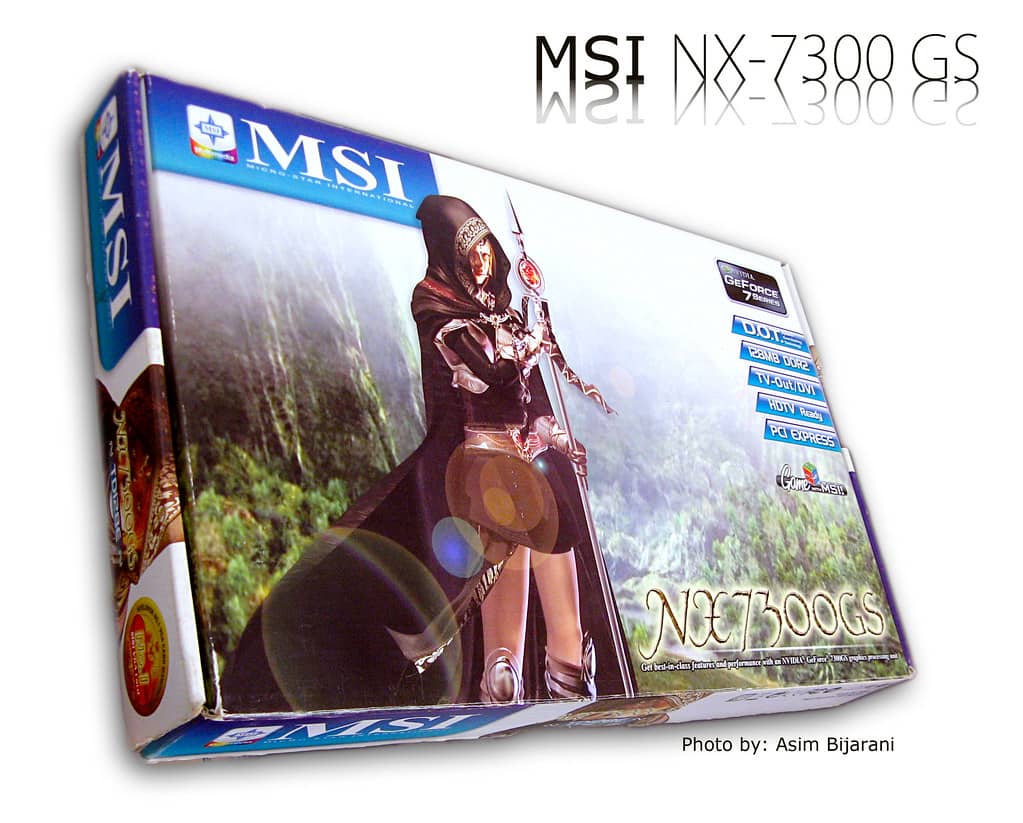
Yes — it's the same shortage. DRAM is a direct input cost for graphics cards as well as PCs, which is part of why GPU prices have climbed alongside memory.
Should I buy RAM or storage now or wait?
If you have the budget and a genuine need, buying now is the safer bet — every forecast in this piece points toward higher prices through the rest of 2026, not lower ones.
Watch Q3 2026 earnings from Samsung, SK Hynix and Micron for the next real data point — if any of them signal even a partial return of capacity to consumer-grade memory, that's the first genuine sign this eases. Until then, treat 'RAM is expensive' as this year's version of 'lumber is expensive': a real supply story, not a retailer squeeze.