Nvidia told the world's biggest cloud companies this week that the AI servers they buy by the thousand are about to cost more than 15% extra — and for the first time in this AI boom, Nvidia isn't the one absorbing the difference. Microsoft, Google and Oracle are, according to a report first detailed by Tom's Hardware and independently confirmed by CNBC on August 22, 2026.
Why Nvidia, of all companies, isn't just eating this
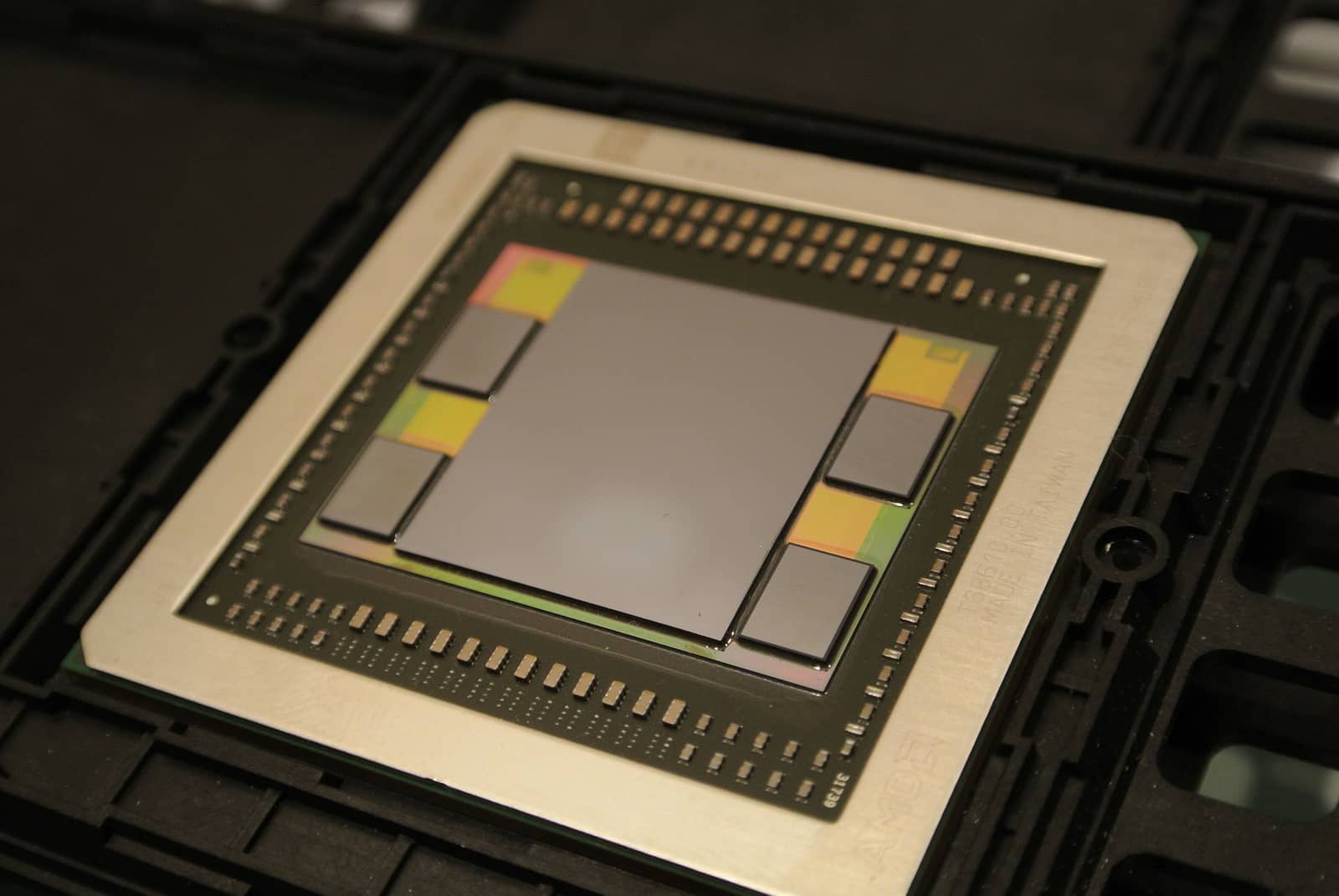
Nvidia has spent two years being the company everyone blames for AI hardware costing too much. This time it's the messenger, not the source. The price increase reportedly traces back to a single component category — memory — that Nvidia doesn't manufacture and doesn't fully control. Samsung, SK Hynix and Micron between them produce almost all of the world's DRAM and HBM, and demand for both has outstripped supply for over a year now, first from AI training clusters and increasingly from AI inference at scale. When Nvidia's own margin sits around 75%, the company has room to protect it by passing memory inflation downstream instead of quietly shrinking its own cut.
15%+
Price increase
on Vera Rubin & Grace Blackwell servers shipping early 2027
~2x
DRAM price move
server-grade DRAM roughly doubled in Q1 2026
80-90%
Quarterly memory surge
DRAM, NAND and HBM combined, per Counterpoint Research
~75%
Nvidia gross margin
why the company can choose who eats the hike
Who's actually named, and who pays
Who's involved
Nvidia
Player
Chipmaker
Role
Passes memory inflation to server buyers, protects its own margin
Microsoft, Google, Oracle
Player
Hyperscalers
Role
Pay 15%+ more per server, still buying — demand for AI compute isn't slowing
Samsung, SK Hynix, Micron
Player
Memory suppliers
Role
Control most global DRAM/HBM output, now hold real pricing leverage
You
Player
Cloud AI user
Role
Not billed directly yet — but the cost has to land somewhere eventually
Player
Role
What happens
Nvidia
Chipmaker
Passes memory inflation to server buyers, protects its own margin
Microsoft, Google, Oracle
Hyperscalers
Pay 15%+ more per server, still buying — demand for AI compute isn't slowing
Samsung, SK Hynix, Micron
Memory suppliers
Control most global DRAM/HBM output, now hold real pricing leverage
You
Cloud AI user
Not billed directly yet — but the cost has to land somewhere eventually
The same shortage that's already hitting your own hardware
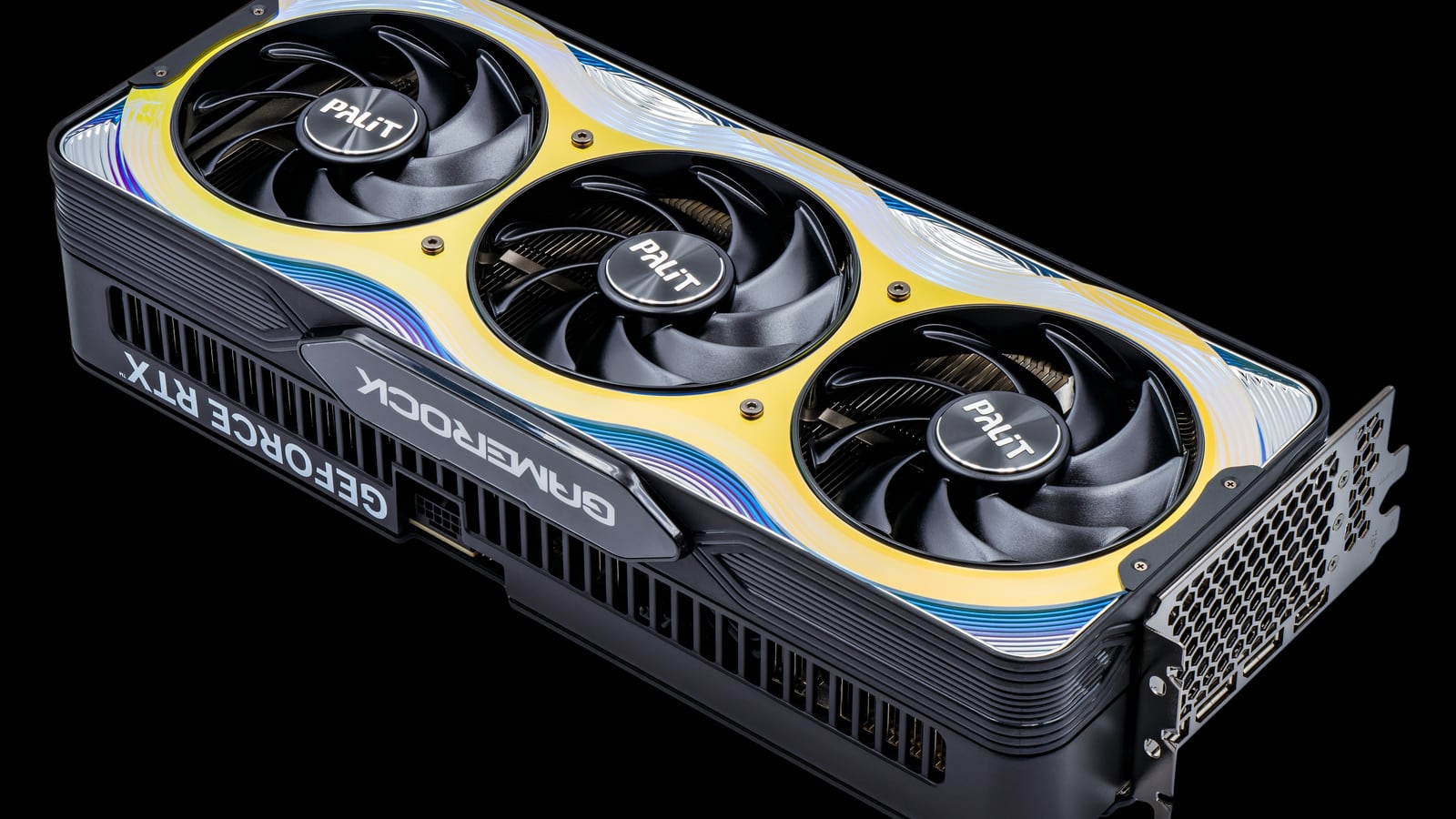
This isn't an isolated data-center story. It's the same DRAM and NAND shortage that's already pushed SSD and RAM prices up sharply this year and driven at least one board partner to raise consumer GPU prices roughly 30%, because the memory dies going into a gaming GPU or a laptop SSD are cut from the exact same wafers hyperscalers are now bidding for at volume. If you've been holding off on buying a GPU for local AI hoping prices would settle, this report is a reason to expect the opposite for at least another few quarters — you're now competing with Microsoft and Google for the same silicon.
How we got here
Q1 2026
Server-grade DRAM prices roughly double as AI datacenter demand outpaces supply.
Q2-Q3 2026
DRAM, NAND and HBM combined rise 80-90% quarter over quarter, per Counterpoint Research.
Aug 22, 2026
Reports confirm Nvidia has warned server makers of a 15%+ price hike on Vera Rubin and Grace Blackwell systems.
Early 2027
Higher-priced AI servers begin shipping to Microsoft, Google, Oracle and other hyperscalers.
H1 2027 (projected)
Gartner expects the memory shortage to still be constraining supply.
Tom's Hardware first reported that industry sources described the warning to server manufacturers directly, and CNBC confirmed hyperscalers are still buying despite the increase — nobody wants to be the cloud provider caught without enough Blackwell or Vera Rubin capacity heading into 2027. Micron's own CEO has described memory as "the strategic infrastructure of the AI era," which is corporate-speak for: the people who make DRAM now have real leverage over the people who make GPUs.
Does this raise the price of Nvidia's consumer GeForce cards like the RTX 5090?
Not directly — this specific hike is on complete AI server systems (Vera Rubin, Grace Blackwell) sold to hyperscalers, not gaming GPUs. But it's driven by the same DRAM shortage that's already pushed consumer GPU and SSD prices up this year.
Will this make ChatGPT, Gemini or Copilot subscriptions more expensive?
No price change has been announced. But hyperscalers now pay more per server for the compute powering those products, and that cost has to surface somewhere — a price bump, a stricter usage cap, or slower feature rollouts are all plausible outcomes.
When do the higher prices actually take effect?
The reported warning covers systems shipping in early 2027, so hyperscalers have several months before the increase lands on their own books.
Why can't memory makers just build more capacity?
New fab capacity takes years. Deloitte doesn't expect meaningful new supply until 2029-2030, and converting existing lines to HBM production for AI chips actually reduces regular DRAM output further, tightening supply in the short term.
Watch two things from here: whether Microsoft, Google and Oracle say anything concrete about this on their next earnings calls, and whether Nvidia's own Q3 numbers show the memory squeeze denting margin at all despite the pass-through. Neither has happened yet — for now this is a warning about 2027, not a bill anyone's paid.