OpenAI's own lightweight agent framework — agents, handoffs, guardrails, tracing — is the least-friction way to build GPT-centric agents. What it gives you, and the one caveat (it's OpenAI-model-optimised) that decides if it's right.
If your stack already runs on OpenAI models, the OpenAI Agents SDK is probably the least-friction way to build an agent — and 'least friction' is worth more than it sounds when you're wrangling tools, sub-agents and guardrails. It's OpenAI's own lightweight framework for building agentic apps: a small set of primitives, deliberately un-opinionated, tuned to work seamlessly with GPT models. Here's what it is, what it gives you, and the one big caveat that decides whether it's right for you.
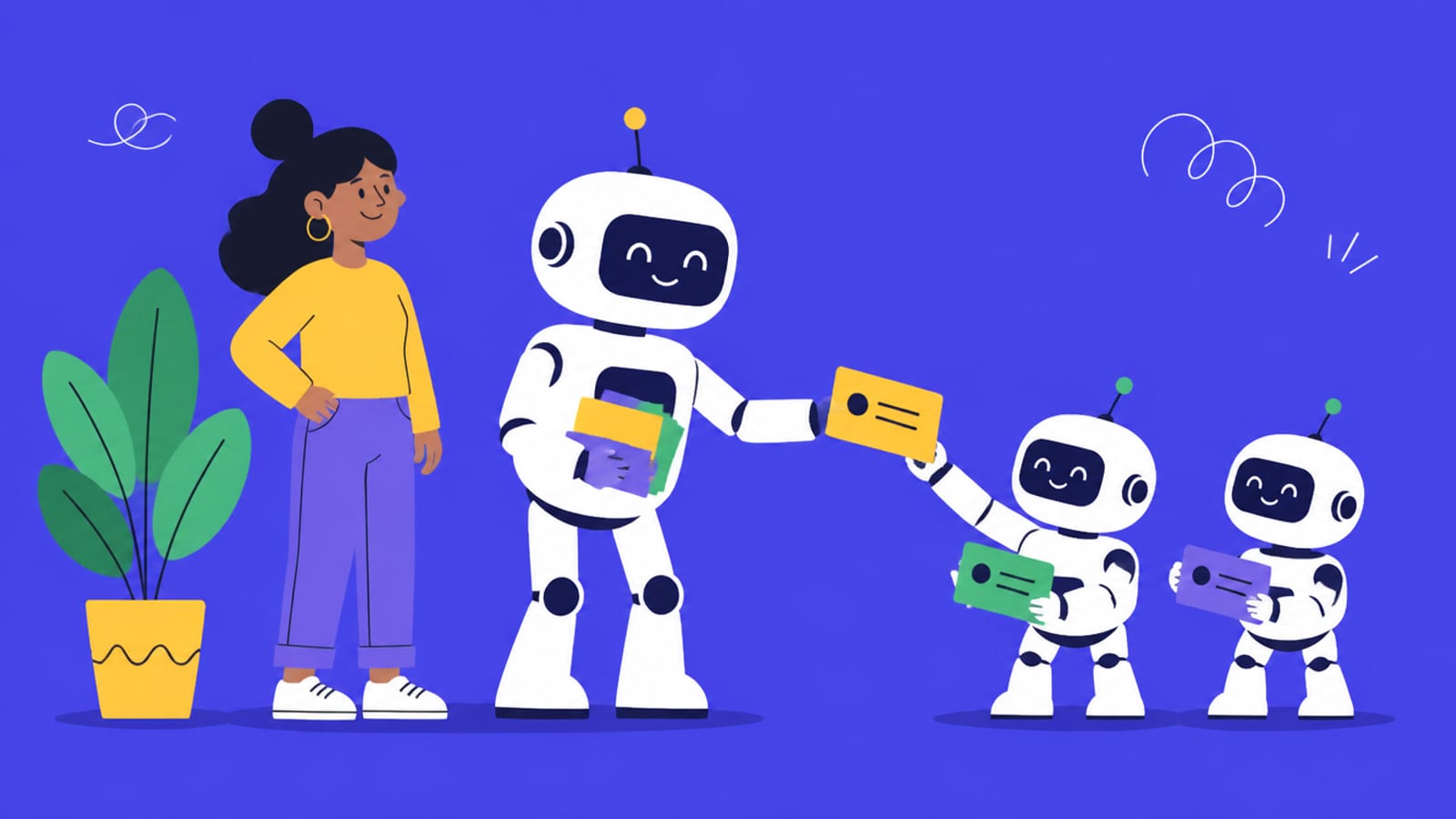
The SDK's core idea: agents that use tools and hand off to sub-agents, with guardrails and tracing. Illustration by Aliteq. · Illustration by Aliteq / generated with Higgsfield
What it gives you
Agents — an LLM configured with instructions and a set of tools it can call. The basic unit.
Handoffs — an agent can delegate part of a task to another (sub-)agent, so you compose a system of specialists rather than one do-everything prompt.
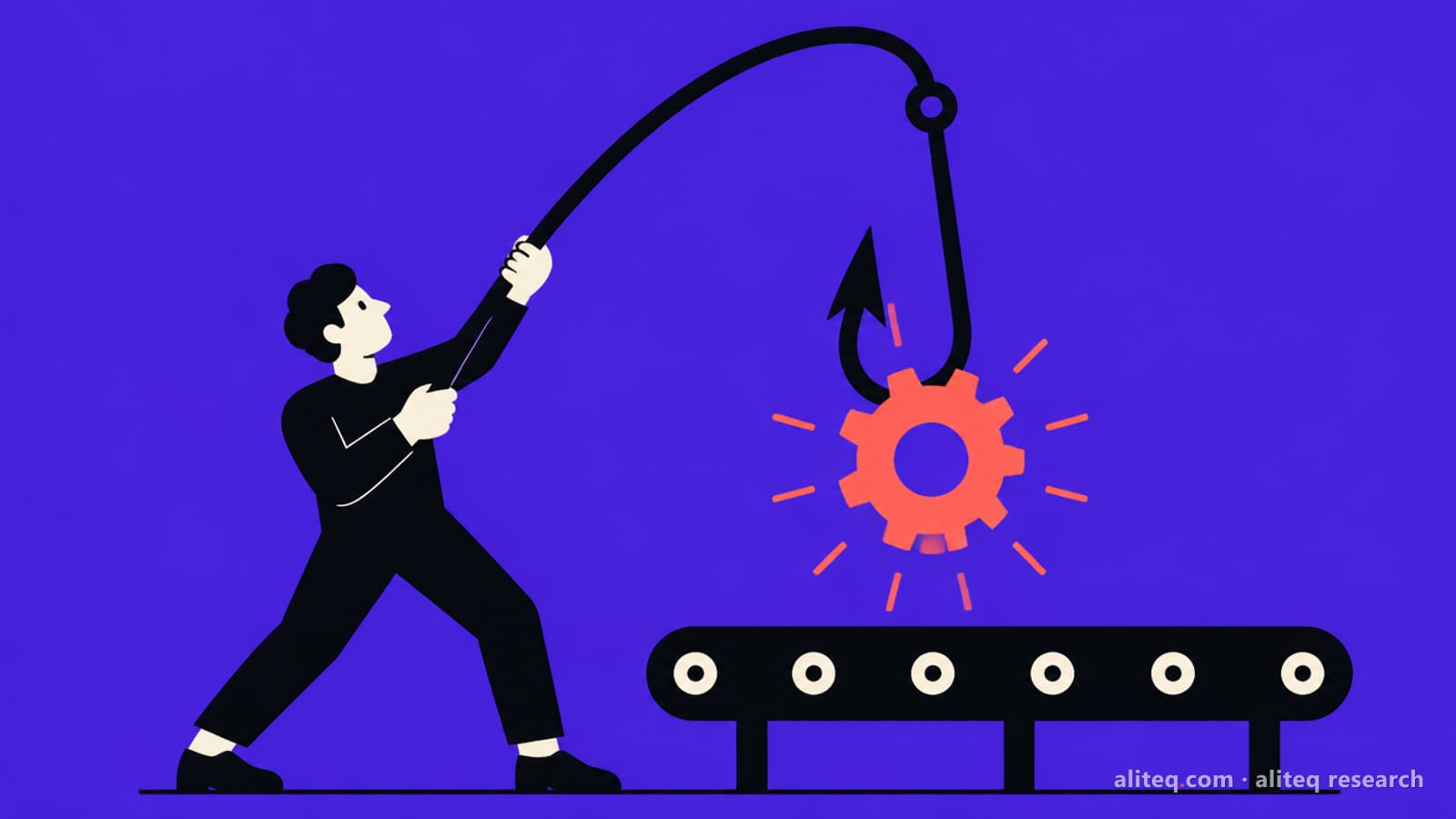
Guardrails — validation on inputs and outputs, so you can catch bad or unsafe results before they act. This matters, given agents hallucinate actions.
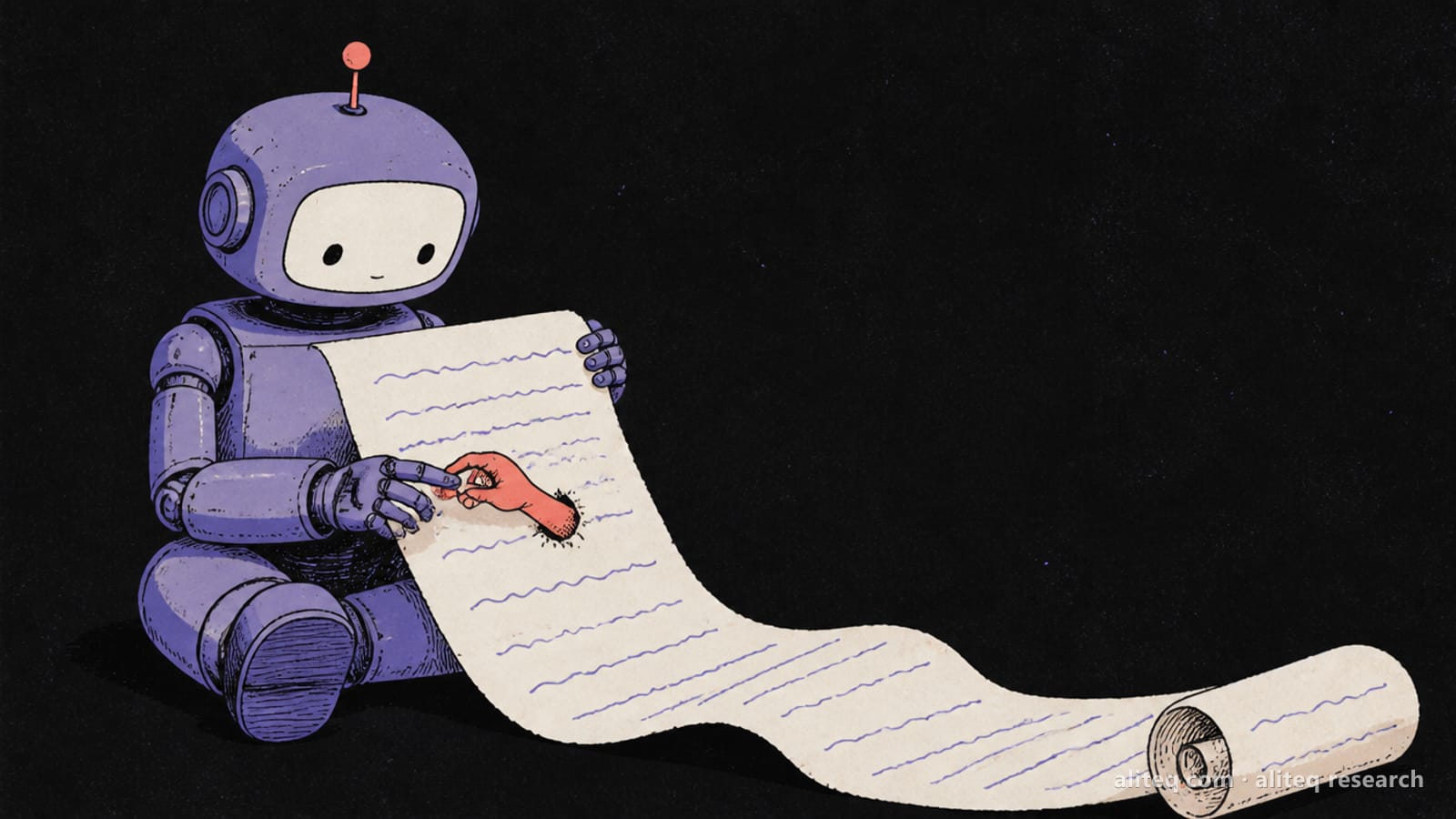
Tracing — built-in visibility into the agent's steps, which is essential for debugging (agents fail in confusing ways without it).
The design philosophy is 'small and composable' — a few well-chosen primitives instead of a big framework you have to learn. If you've used OpenAI's earlier experimental Swarm, this is the productionised successor of that idea. For a GPT-based build, that minimalism is a genuine advantage: less to learn, less to fight.
Quick answers
What is the OpenAI Agents SDK?
OpenAI's own lightweight framework for building agentic applications — a small set of primitives (agents, handoffs, guardrails, tracing) designed to make GPT-centric agents with minimal ceremony. It's the productionised successor to OpenAI's experimental Swarm.
Does it work with non-OpenAI models?
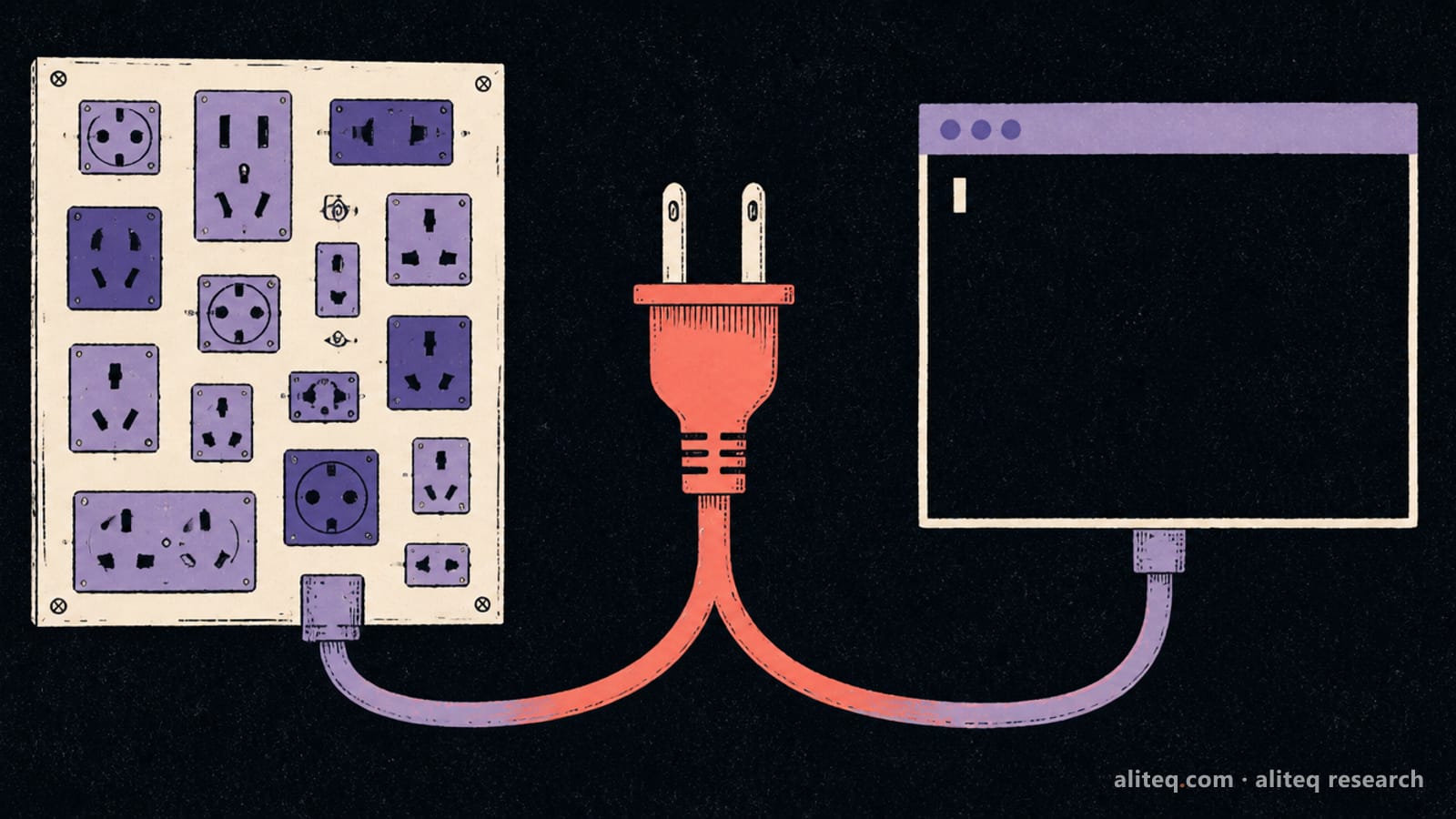
It's optimised for OpenAI models, so it works best with GPT. Using other models or local models is not its strong suit — if model flexibility or local hardware matters to you, a more model-agnostic framework is a better fit.
OpenAI Agents SDK or LangGraph?
The SDK for a low-friction, GPT-centric agent with sub-agents and guardrails; LangGraph for durable, auditable, production-grade agents with fine-grained control and human-in-the-loop. The SDK favours simplicity; LangGraph favours control and reliability.
What are 'handoffs'?
A handoff is when one agent delegates part of a task to another (sub-)agent — letting you build a system of specialised agents that pass work between them, instead of cramming everything into one prompt. It's a core primitive of the SDK.