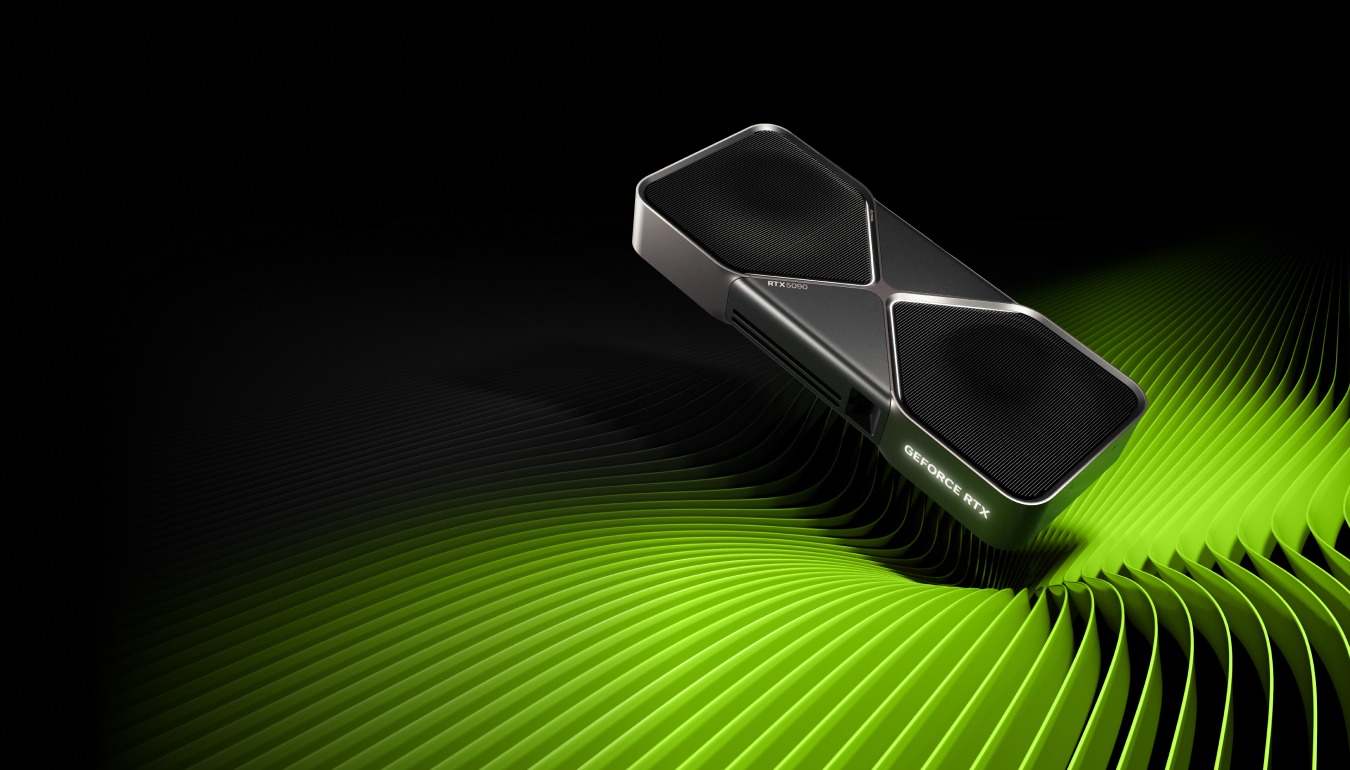
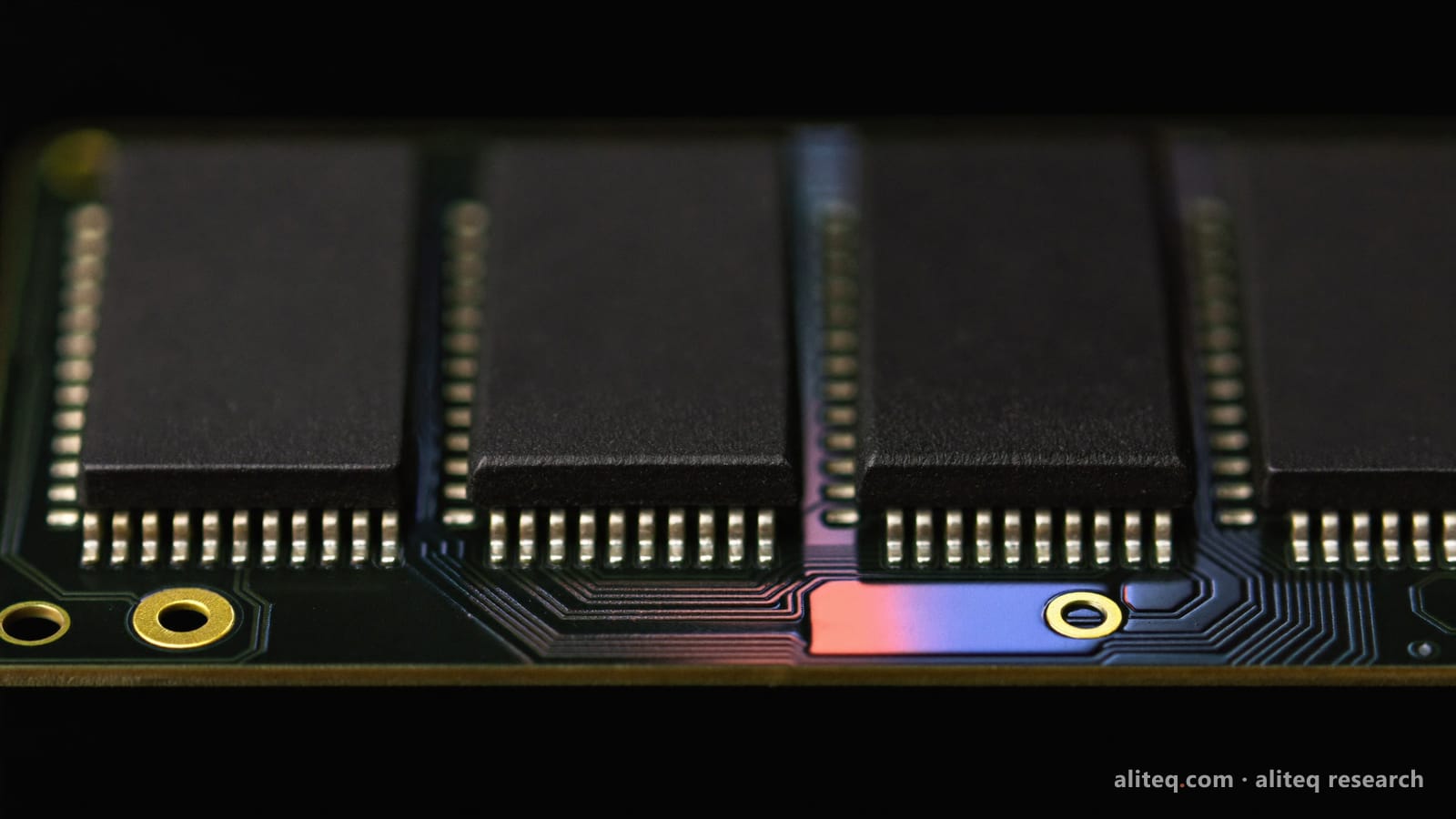
Nvidia has finished RTX 50 Super graphics cards sitting at its board partners right now — and it isn't shipping them. Multiple reports agree on the reason: a single memory chip. The 3GB GDDR7 modules the Super lineup needs to hit its VRAM targets currently cost roughly three times what the 2GB modules in current RTX 50-series cards cost, and Nvidia hasn't decided who eats that difference.
~$20
2GB GDDR7 module
current-generation chip, in RTX 50-series cards today
~$60–70
3GB GDDR7 module
needed for the Super lineup's VRAM bump — roughly 3x the cost
24 GB, 256-bit bus
RTX 5080 Super / 5070 Ti Super
reported target spec
18 GB, 192-bit bus
RTX 5070 Super
reported target spec
Higher-density memory dies aren't a linear scale-up — they're a harder manufacturing target on the same process, competing for the same fabs currently running flat-out for AI-datacenter HBM and GDDR demand. When chipmakers can sell every 2GB module they make to a market that isn't price-sensitive about GPUs, there's little pressure to price 3GB modules cheaply for a consumer product on thin margins already. The Super delay isn't really a Super problem — it's the AI memory shortage arriving on a graphics-card shelf.
A 24 GB RTX 5080 Super would be a real jump for local-AI builds — it's the difference between a card that handles a 13B model comfortably and one that starts to fit the low end of 30B-class weights at usable quantization. That's exactly why the delay stings more for this audience than for gaming buyers who can live with 16 GB a while longer. But the same memory economics holding up the launch will hold up the price once it does launch: don't expect a 24 GB card at yesterday's 16 GB price.
- If your build is time-sensitive, plan around the 16 GB tier that's shipping today rather than holding out for a launch date nobody — including Nvidia's own board partners — can currently confirm.
- If VRAM headroom is the whole point of the build, the used-market flagship route (previous-gen 24 GB+ cards) is still the more predictable price-per-GB today.
- If you can wait, the 3GB GDDR7 cost gap is a supply problem, not a design one — it typically compresses as production ramps, not as a permanent tax.
Pros
- + 24 GB at 256-bit is a genuine capability jump, not a marketing refresh
- + Cards are reportedly finished — this is a pricing delay, not a redesign
- + Nvidia has shipped Super refreshes before; the architecture risk here is low
Cons
- − No confirmed launch window — estimates now range from late 2026 into early 2027
- − GDDR7 pricing pressure is structural (AI memory demand), not a one-quarter blip
- − MSRP is likely to land above the non-Super tier's launch price, not at parity
We'll track the actual street prices the moment these ship — reported MSRP and real shelf price have diverged before on this exact GPU generation, and that gap is the number that decides whether the Super lineup is actually worth the wait.
Further reading, straight from the source: NVIDIA's GeForce lineup — NVIDIA GeForce.