South Korea is the canary. TSMC wafer costs and $20 memory chips just pushed the RTX 5090 to 2.5x its sticker price — here's the actual buy-or-skip math for running AI models at home.
The RTX 5090 just crossed 7.3 million won in South Korea — about $5,112 at today's exchange rate — for a card Nvidia still officially prices at $1,999. That's not a scalper listing or a launch-week fluke; it's the going retail rate as of this week, per ZDNet Korea's tracking and Tom's Hardware's reporting. If you've been eyeing a 5090 for a local-AI build because 32GB of VRAM sounded like the last upgrade you'd ever need, the number that actually matters just changed: at 2.5x sticker price, does the extra memory still pay for itself?
What actually happened this week
Tom's Hardware reports the RTX 5090 climbed roughly 1.5 million won — about $1,050 — in a single month, pushing it past 7.3 million won at South Korean retail. TechPowerUp's independent tracking confirms the same up-to-30% swing across the whole RTX 50 lineup, not just the flagship. The mechanism is dull but important: Nvidia doesn't sell the GPU die and GDDR7 memory as separate line items to its board partners — it ships a bundled kit, die plus memory, at one price. When GDDR7 modules climb to around $20 apiece and TSMC raises what it charges for the wafers those dies are cut from, both costs land on the kit at once, with no lever for a partner like Gigabyte or Asus to absorb just one of them. We've been tracking this thread since the RTX 50 Super line got shelved over the same memory-chip math — this is that story continuing, not a new one.
$5,112
South Korea street price
7.3M won — up ~$1,050 in one month
$1,999
US MSRP (unchanged)
Nvidia's official Founders Edition price
~$20/chip
GDDR7 module cost
up sharply since spring
up to 30%
RTX 50-series hike (Korea, Aug)
third documented 2026 increase
32GB sounds great — until you price it per gigabyte
Here's the part nobody selling you a 5090 wants to walk through. At $1,999, 32GB of GDDR7 worked out to about $62 per gigabyte — expensive, but defensible if you were serious about 70B-class models at Q4 with real context headroom. At $5,112, that same 32GB now costs $160 per gigabyte. A used RTX 3090 — same 2020-era architecture, same 24GB, no warranty — is going for $1,050 to $1,296 on eBay right now, itself pulled higher by the same memory shortage. That's roughly $50 per gigabyte, and two of them gets you 48GB of usable VRAM for less than the price of one 5090, if your case and power supply can take it.
Local-AI cost-per-VRAM, August 2026
RTX 5090 (new)
VRAM
32GB GDDR7
Street price
$5,112 (South Korea)
$/GB
~$160
Best for
Heavy fine-tuning, max single-card headroom
RTX 5070 Ti (new)
VRAM
16GB GDDR7
Street price
$919–$1,125 (US street)
$/GB
~$65
Best for
13B–32B models at Q4, still above MSRP
RTX 3090 (used)
VRAM
24GB GDDR6X
Street price
$1,050–$1,296 (eBay)
$/GB
~$50
Best for
Best $/GB right now, no warranty
Mac Studio M3 Ultra 96GB
VRAM
96GB unified
Street price
~$5,000–$6,000 new
$/GB
~$55–$65
Best for
Huge MoE models, weak tokens/sec on dense 70B
VRAM
Street price
$/GB
Best for
RTX 5090 (new)
32GB GDDR7
$5,112 (South Korea)
~$160
Heavy fine-tuning, max single-card headroom
RTX 5070 Ti (new)
16GB GDDR7
$919–$1,125 (US street)
~$65
13B–32B models at Q4, still above MSRP
RTX 3090 (used)
24GB GDDR6X
$1,050–$1,296 (eBay)
~$50
Best $/GB right now, no warranty
Mac Studio M3 Ultra 96GB
96GB unified
~$5,000–$6,000 new
~$55–$65
Huge MoE models, weak tokens/sec on dense 70B
Before this hike, the pitch for a 5090 was simple: if you're burning $150–$200 a month on cloud API calls, a $1,999 card pays for itself in under a year, then it's free. At $5,112, that payback stretches past two years for most people's actual usage — and a used RTX 3090 or the RTX 5070 Ti gets there in months, because you're not paying for memory you won't touch until context windows grow further. If your workload genuinely needs everything 32GB unlocks — fine-tuning, long-context agents, multiple models loaded at once — the math still works. For everyone else asking what's the biggest model they can comfortably run, the cheapest path to 70B-class inference doesn't touch a 5090 at these prices.
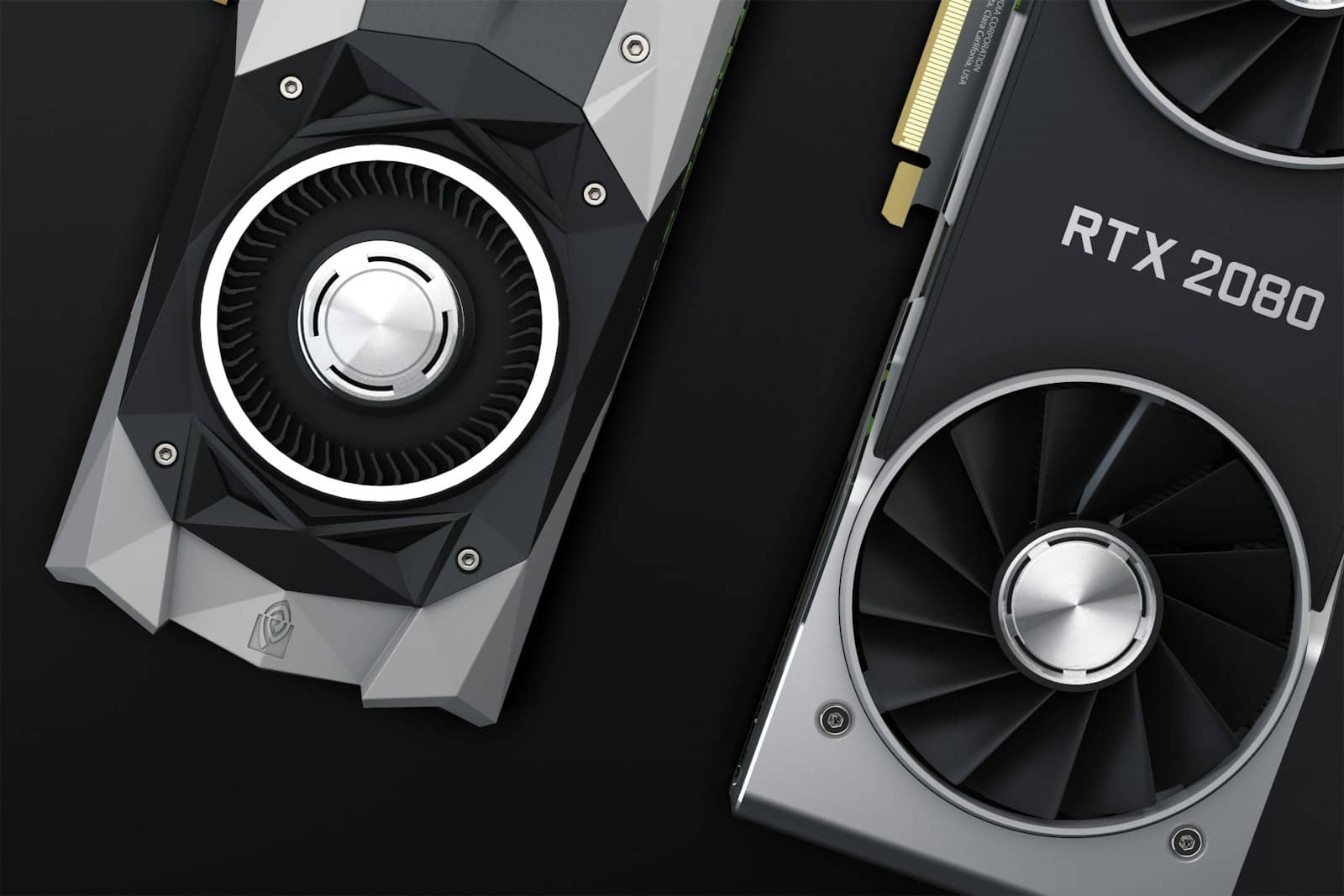
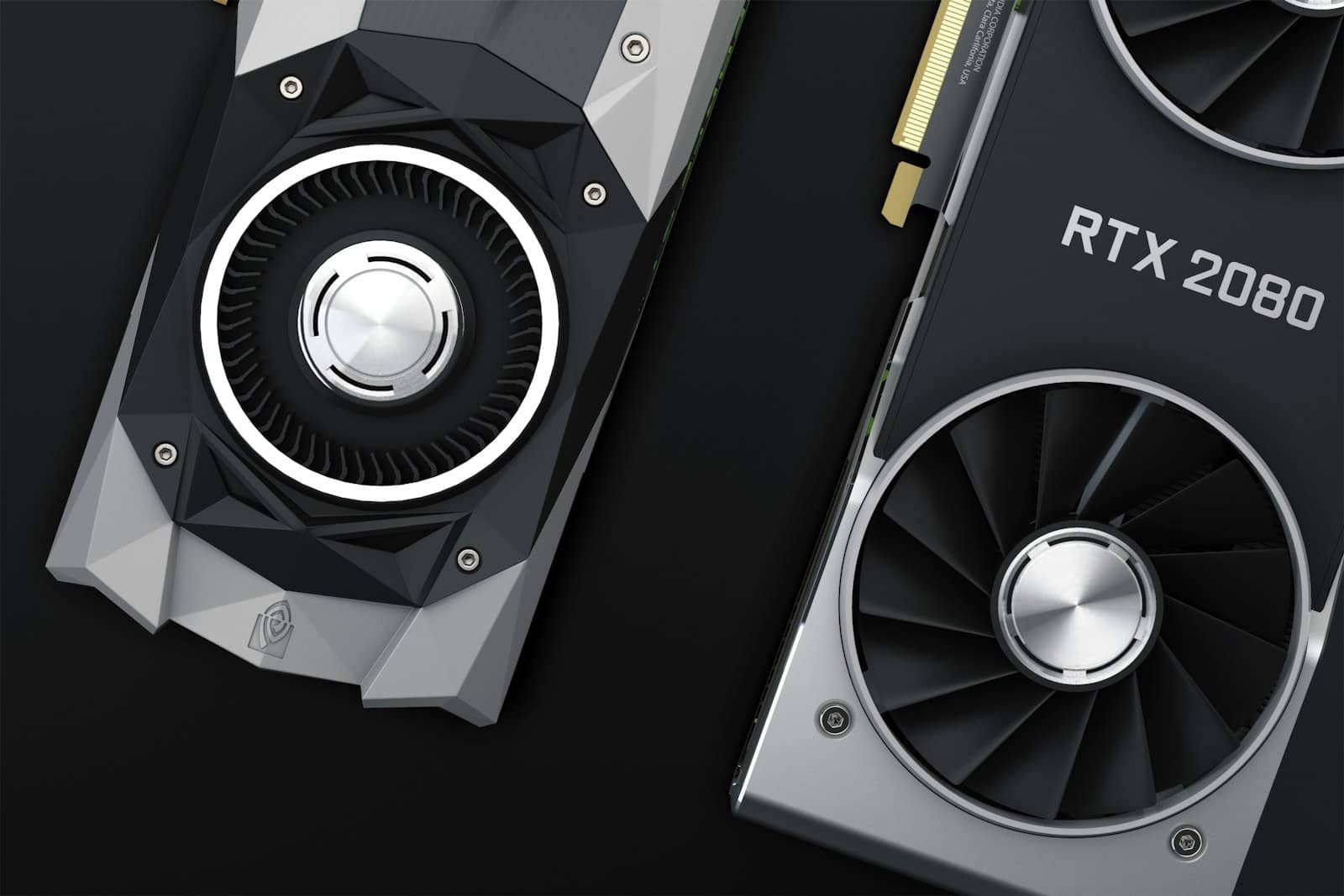
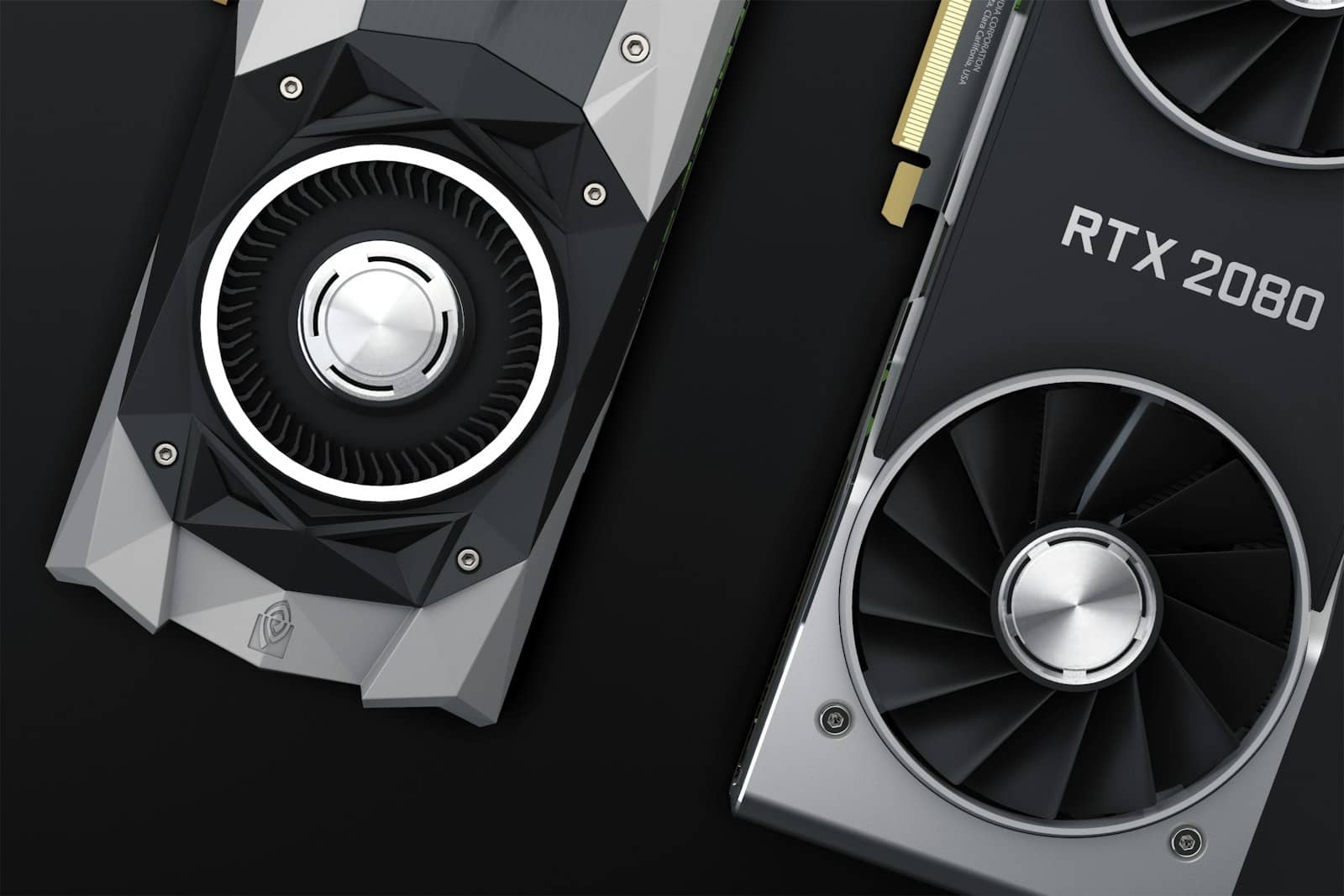
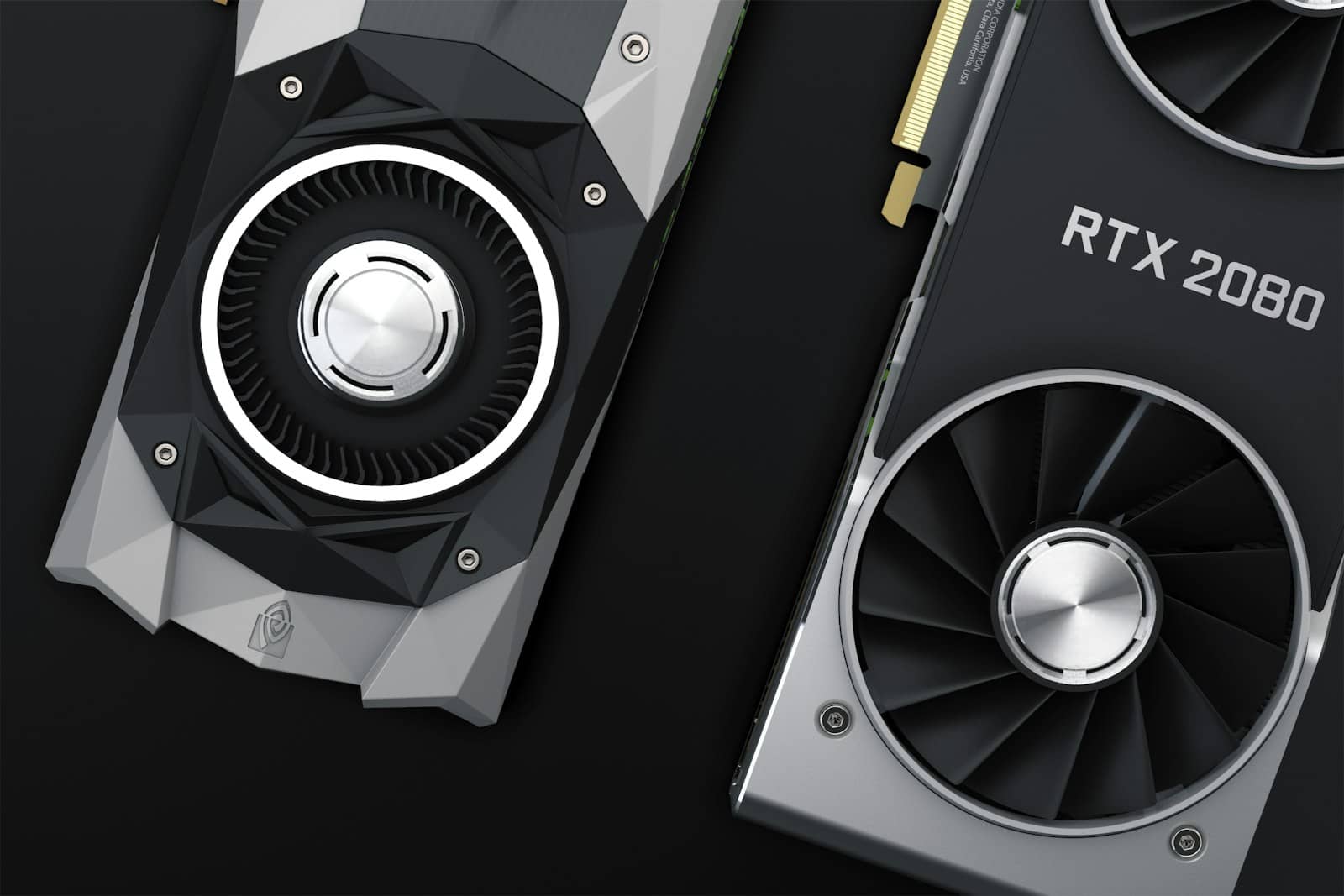
The RTX 5090's memory kit — die plus GDDR7 modules — is priced as one bundle, so a $20-per-chip increase lands on the whole card at once. · Unsplash
Who this actually makes sense for
I'd skip the 5090 at $5,100 unless you're already certain you need everything it offers — and honestly, that's a small slice of the people asking whether to buy one. Most local-AI buyers are chasing a specific model size, not maximum headroom. If South Korea's pattern repeats in the US — and every 2026 hike so far has landed here within weeks — waiting won't make the card cheaper either. The realistic move is buying a tier down and living with 16GB or 24GB, or splitting the budget across two cheaper GPUs instead of chasing one card that does everything.
4/ 10
Verdict
Buy or skip?
Skip the RTX 5090 at $5,100+ unless your workload specifically needs 32GB and you'd otherwise be renting cloud GPU time constantly. For most local-AI builds, a used RTX 3090 or a 16GB card paired with Q4 quantization runs the same model sizes for a third of the price.
Best for: Buy it if you fine-tune regularly, run multiple large models at once, or the premium over a 3090 is genuinely trivial to your budget. Skip it if you're comparing cost against cloud API bills or building your first local-AI rig.
Will US prices for the RTX 5090 hit South Korea's $5,100 level?
Not yet, but every regional RTX 50-series price spike in 2026 has eventually shown up in US retail within a few weeks. Treat South Korea as an early warning, not an isolated market quirk.
Is a used RTX 3090 actually reliable for local AI in 2026?
Yes for most inference workloads — it's memory-bandwidth-bound work, and GDDR6X hasn't aged out. The real risk is a dead fan or degraded thermal pads after years of mining or gaming use, so buy from a seller who'll show it running, not just photos.
Does 32GB of VRAM actually matter if I'm only running 13B–32B models?
Not much. Those models fit comfortably in 16-24GB at Q4 with room for context. The extra 8-16GB on a 5090 mostly matters for 70B+ models, long context windows, or running two models loaded at once.
Why did Nvidia bundle memory and the GPU die into one kit price?
It simplifies manufacturing for Nvidia's board partners, but it also means partners like Asus and Gigabyte can't shop around for cheaper memory or absorb only one cost increase — a GDDR7 hike and a wafer hike both land on the card at once.
None of this means local AI got more expensive across the board — it means the top of the stack did. The $220 cards that actually run local AI well haven't moved nearly as much, and that's still where most people should look first. I'll keep tracking whether this hike crosses the Pacific; if the 5090 settles back under $3,000 in the US, the math in this piece changes, and I'll say so.