Nvidia's RTX 5080 Super, RTX 5070 Ti Super and RTX 5070 Super are reportedly finished, boxed, and already sitting in board partners' warehouses — and Nvidia has told everyone to hold. Per a July 20, 2026 TrendForce report, the entire Super refresh is sliding from a planned 2026 launch into early 2027, and the reason isn't a chip shortage in the usual sense. It's a memory-pricing math problem: the 3GB GDDR7 modules these cards need now cost $60 to $70 each, versus roughly $20 for the 2GB modules in the RTX 50 cards already on shelves. Triple the price for 50% more capacity, times six to eight chips per board, and the margins don't work at the price Nvidia wanted to sell these at.
The math that broke the launch
Here's the arithmetic nobody at Nvidia is saying out loud but every board partner is doing on a spreadsheet right now. A card like the RTX 5080 Super needs eight 3GB GDDR7 modules to hit its 24GB total, up from eight 2GB modules on the standard RTX 5080's 16GB. At roughly $20 a module, that's about $160 in memory on the current card. At $60-70 a module for the denser chips, that's $480-560 — north of $300 more in bill-of-materials cost, on a component Nvidia doesn't fully control the price of. Pass that straight through and a 'Super' refresh that was supposed to undercut or match the standard card on price now costs meaningfully more to build than the card it's replacing.
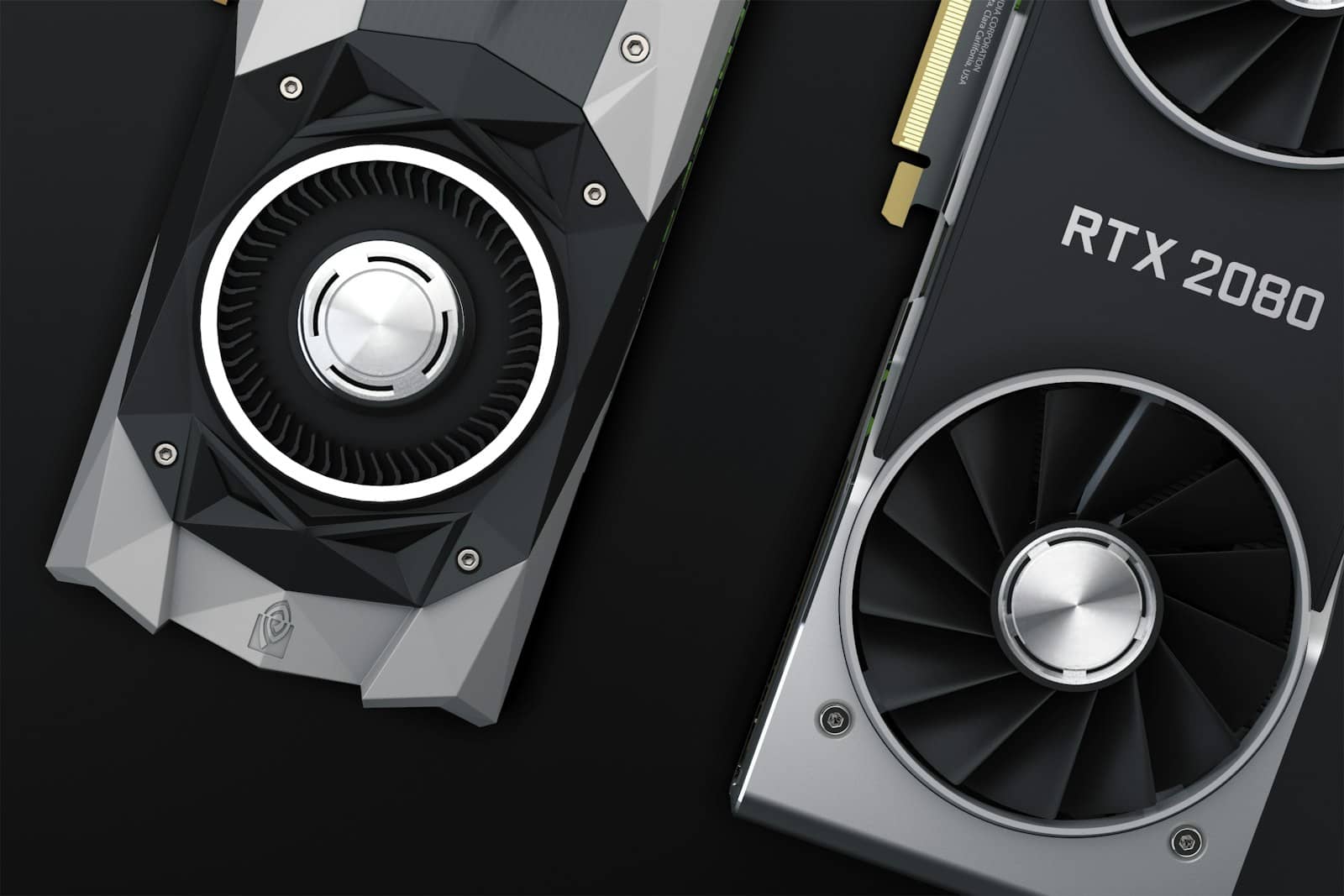
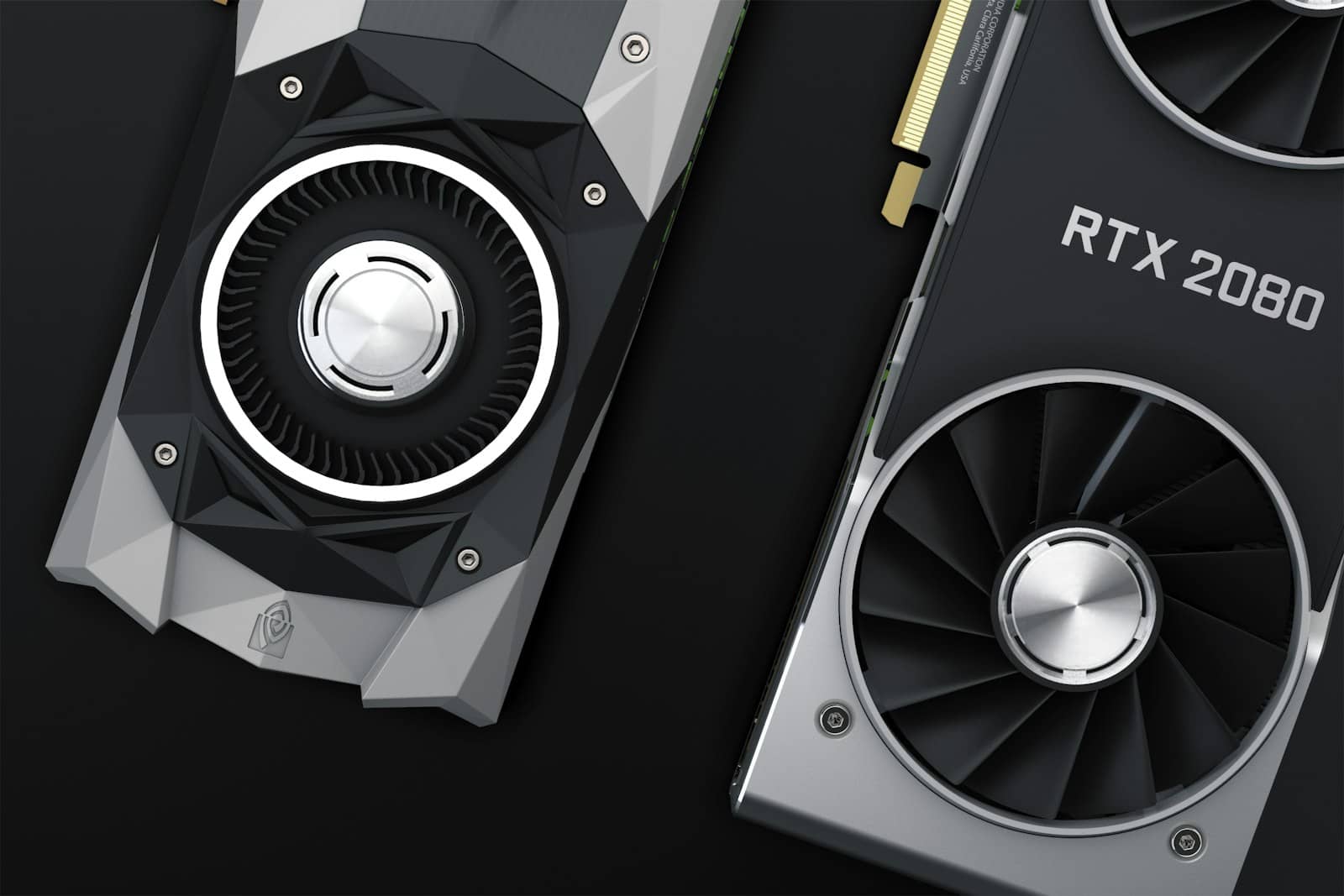
GDDR7 modules like these are the specific component reportedly holding back the entire RTX 50 Super refresh. · Unsplash
Why memory got this expensive in the first place
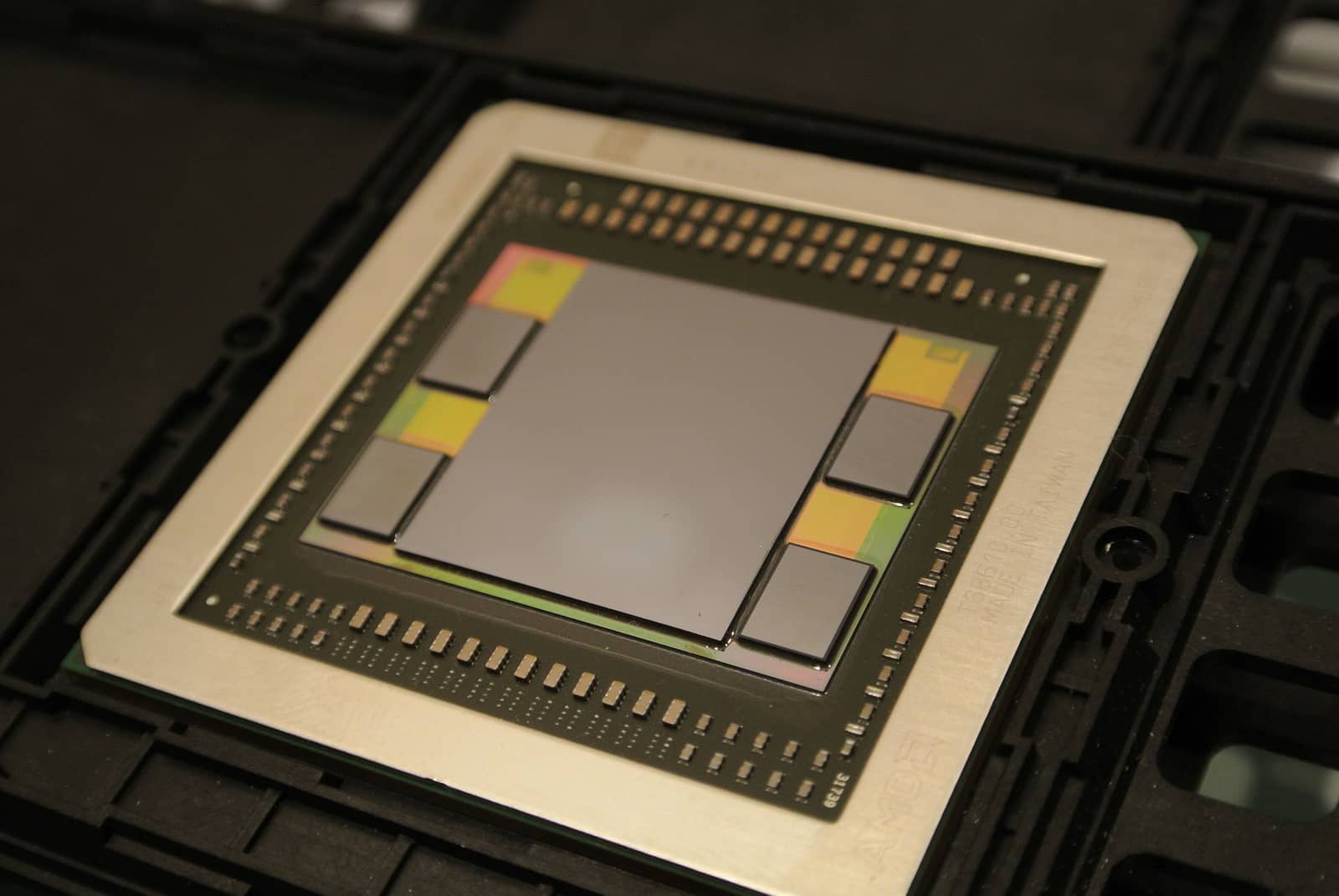
None of this is really about GDDR7 manufacturing capacity running out — it's about where that capacity is being pointed. Micron, Samsung and SK Hynix are effectively the only companies that make GDDR7, and all three also make the HBM3E and HBM4 stacks going into Nvidia's own datacenter AI accelerators, AMD's Instinct line, and every hyperscaler's custom silicon. When a memory maker has to choose between a wafer that becomes HBM for a $30,000 AI accelerator or a wafer that becomes GDDR7 for a $600 gaming card, that's not actually a hard decision for them. Gaming memory gets whatever capacity is left over, and 2026 has not had much left over, per Notebookcheck's July 18, 2026 report, which cites Videocardz as the original source.
~$20
2GB GDDR7 module
used in current RTX 50 cards
$60-70
3GB GDDR7 module
needed for the Super refresh
~3x
Cost increase
for 50% more capacity per module
6-8
Chips per board
so the gap compounds fast
RTX 50 Super delay, answered
Should I just buy a regular RTX 5080 now instead of waiting?
If you need a GPU now, yes — buying against a rumored 2027 launch with no confirmed date or price is a bad bet. If your current card is fine, waiting costs you nothing but patience.
Is the RTX 5080 Super actually cancelled?
No reporting says cancelled — every source describes a hold on shipping finished hardware, not a scrapped project. But 'delayed indefinitely' and 'cancelled' start looking similar the longer it drags.
Will the RTX 5080 Super cost more than originally planned because of this?
That's the likely outcome if Nvidia ships before GDDR7 pricing improves — the alternative is Nvidia or its partners eating the extra bill-of-materials cost, which historically doesn't happen for long.
Does this affect AMD and Intel GPUs too?
Indirectly. AMD's RDNA cards also use GDDR7 and GDDR6, so the same fab-capacity competition applies — though AMD hasn't announced a comparable Super-style refresh caught in the same public delay.
The honest guidance if you're shopping right now: don't hold a purchase for a card with no confirmed price, spec sheet, or launch date beyond 'maybe CES 2027.' If you're building around AI workloads rather than gaming, the VRAM math matters more than the GPU generation — our breakdown of how much VRAM you actually need to run AI models still holds regardless of which Super card eventually ships. And if you're gaming and torn between what's actually on shelves today, the RTX 5070 vs RX 9070 XT comparison is the real decision in front of you — not a card that might exist in five months.