Blackwell versus the old flagship, and for once the newer card loses. The 5080's 16GB caps what you can run; the 4090's 24GB doesn't. For local models, capacity beats the spec sheet — with the measured numbers to prove it.
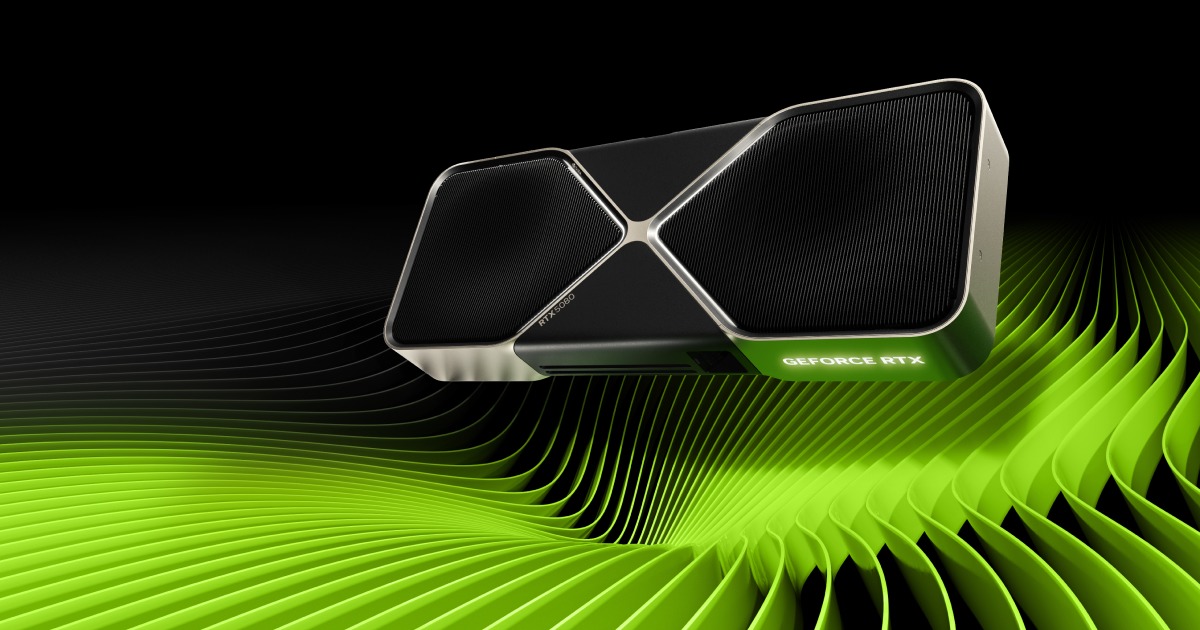
On any normal comparison, the newer card wins and we go home. The RTX 5080 is Blackwell — 960 GB/s of GDDR7, native FP4, the current architecture — against a 4090 that launched in 2022. And on the models both can run, the 5080 is genuinely quick: hardware-corner measured it at 94.1 tokens/sec generating Qwen3-14B (Q4) at 16k context, right in the 4090's neighbourhood. Then you hit the wall that makes this the rare comparison where the older card is the smarter buy: the 5080 has 16GB of VRAM. The 4090 has 24GB. For local AI, that eight-gigabyte gap decides more than every other spec combined.
I know how that sounds — 'buy the four-year-old card' is not the advice anyone expects. But capacity is the one thing you can't work around, and I'll show you exactly where the 5080 runs out of room.
Does it fit? — VRAM at a glance
Qwen3-32B (Q4) needs ≈20 GB
RTX 508016 GBover 4 GB
RTX 409024 GBfits
RTX 509032 GBfits
The 5080's 16GB falls short of a 32B model; the 4090's 24GB clears it. This one gap decides the comparison.
Where 16GB runs out
The interesting local models of 2026 sit in the 27–32B range — Qwen3-32B, Gemma-class 27–31B. At Q4 quantization, a 32B model is roughly 19–20GB before you add any context. That fits in 24GB with room for the KV cache; it does not fit in 16GB, full stop. So the 5080 is locked to roughly the 14B class and below, while the 4090 runs the models that make local AI genuinely useful rather than merely a toy. Run the numbers yourself in the VRAM calculator and the ceiling is stark the moment you cross ~20B.
This is the same trap as the 5060 Ti versus used 3090 decision, one tier up and with more money at stake. A newer, faster 16GB card is still a 16GB card, and in local AI the file either fits or it doesn't. Speed is a tiebreaker between cards that can both load your model. Capacity decides which cards are even in the running.
The measured picture
VRAM
RTX 5080
16GB GDDR7
RTX 4090
24GB GDDR6X
Memory bandwidth
RTX 5080
960 GB/s
RTX 4090
1,008 GB/s
Biggest model at Q4
RTX 5080
~14B class
RTX 4090
~32B class
Qwen3-14B Q4 gen @16k*
RTX 5080
64.0 t/s
RTX 4090
69.8 t/s
Qwen3-8B Q4 gen @16k*
RTX 5080
94.1 t/s
RTX 4090
~2,572 prompt / fast gen
Native FP4
RTX 5080
Yes
RTX 4090
No
Tracked price*
RTX 5080
~$1,400
RTX 4090
~$2,200 (used)
RTX 5080
RTX 4090
VRAM
16GB GDDR7
24GB GDDR6X
Memory bandwidth
960 GB/s
1,008 GB/s
Biggest model at Q4
~14B class
~32B class
Qwen3-14B Q4 gen @16k*
64.0 t/s
69.8 t/s
Qwen3-8B Q4 gen @16k*
94.1 t/s
~2,572 prompt / fast gen
Native FP4
Yes
No
Tracked price*
~$1,400
~$2,200 (used)
Head to head
RTX 5080
16GB · Blackwell
vs
RTX 4090
24GB · Ada
16 GB
VRAM
24 GB
~14B
Biggest model
~32B
64.0 t/s
14B gen @16k
69.8 t/s
Yes
Native FP4
No
Faster
Image gen
Slower
~$1,400
Price
~$2,200
5080 wins 3wins 3 4090
*Measured llama.cpp figures from hardware-corner's RTX 5080 and RTX 4090 benchmark pages (updated March 2026); tracked prices are theirs and move. We don't run our own benchmarks — these are the best harness-disclosed public numbers for both cards.
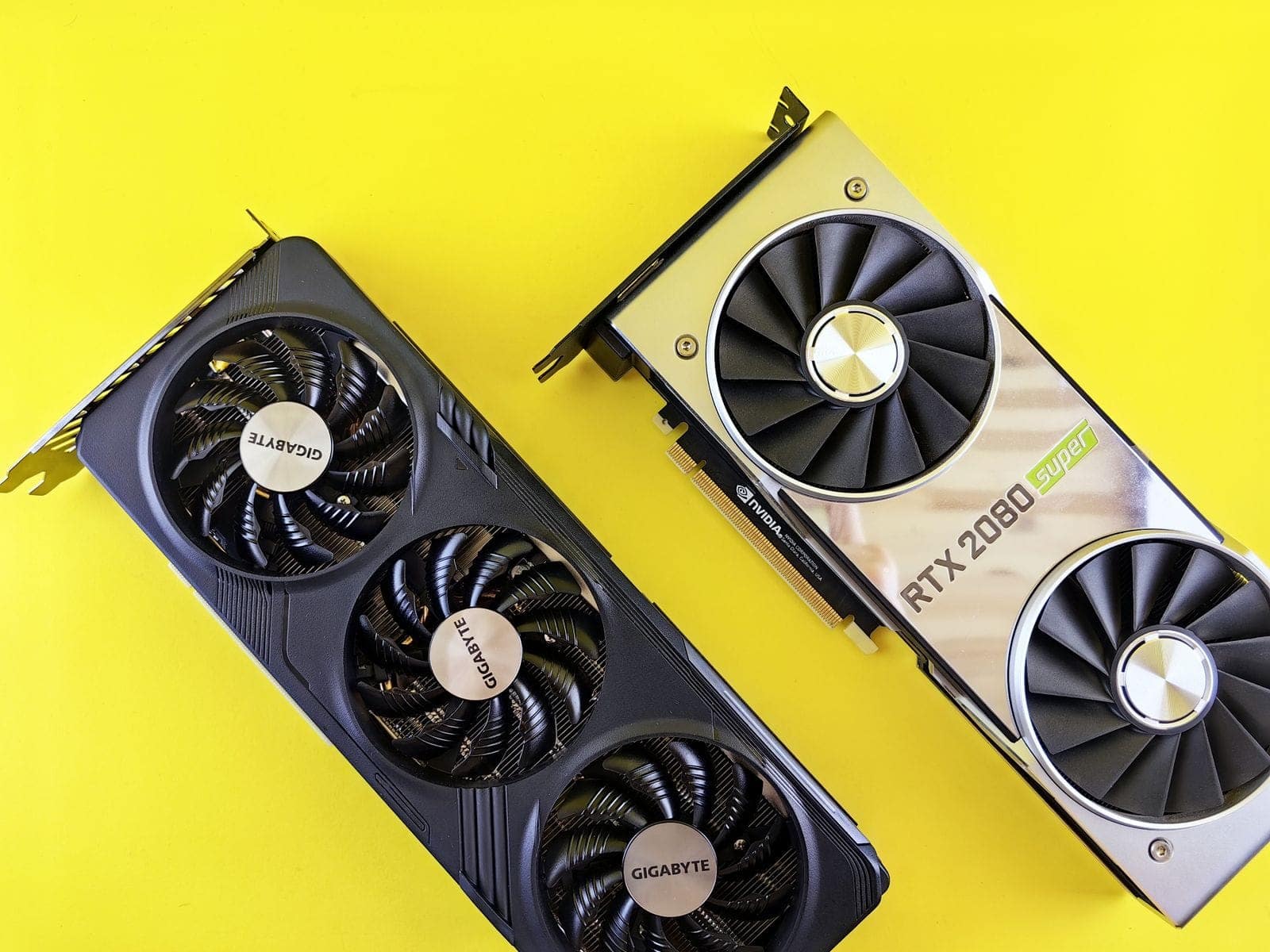
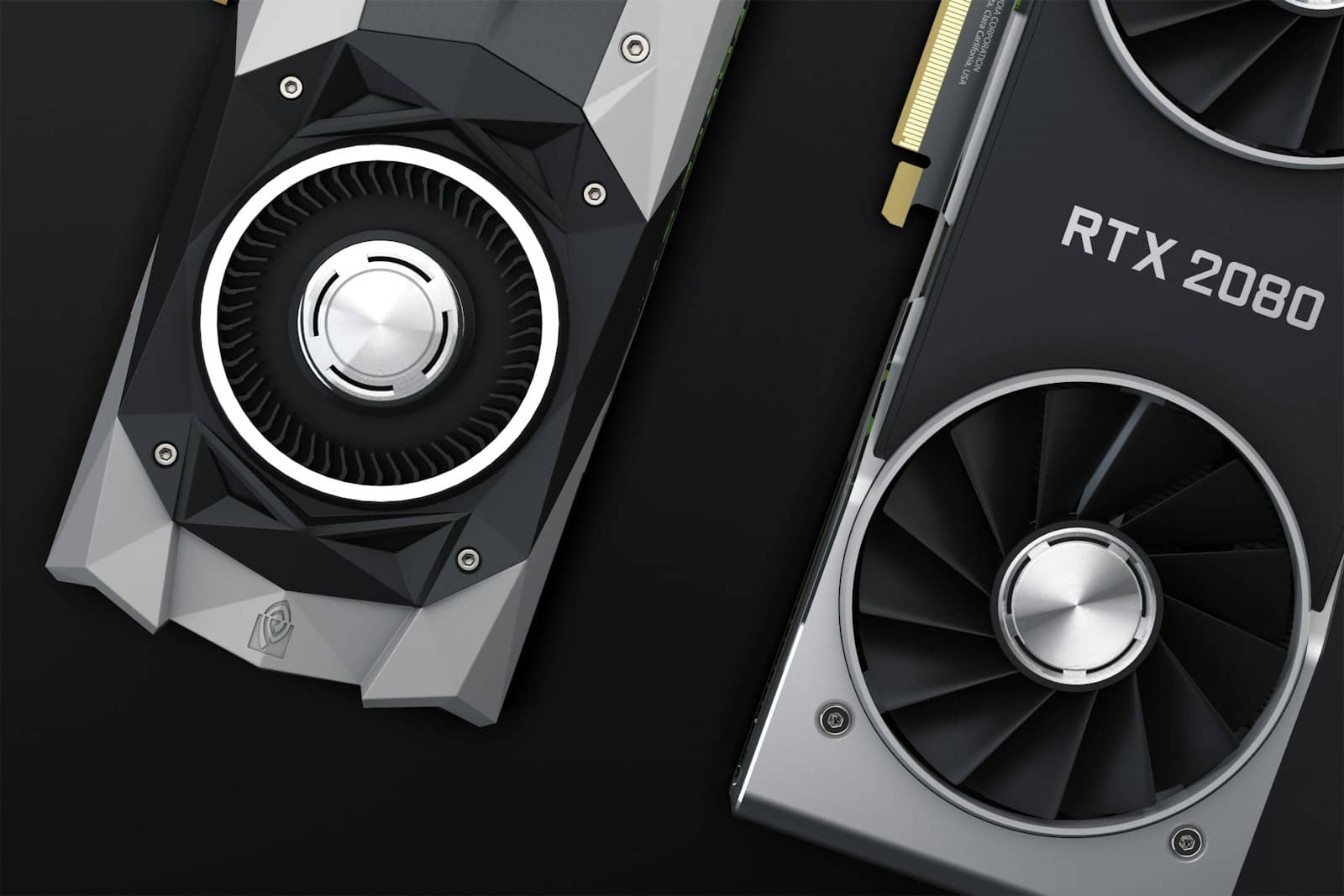
Newer silicon, less memory. For local LLMs, that trade goes the wrong way. · Pexels
Where the 5080 genuinely wins
I don't want to write the 5080 off — it's an excellent card for the right buyer, and there are real reasons to pick it:
You also game or generate images. Diffusion models are compute-bound, and Blackwell's FP4 plus newer tensor cores make the 5080 faster there than a 4090, sometimes substantially. If half your GPU time is Stable Diffusion or gaming, the calculus shifts toward the 5080.
Power and heat. The 5080 runs cooler and draws less than a 450W 4090 — easier on your PSU, quieter, cheaper to run if it's on a lot.
It's actually buyable new, with a warranty. The 4090 is discontinued; you're buying used, with the risk that carries. The 5080 is a current card you can get new. That's worth something real.
FP4 is where inference is heading. If you care about serving models in the formats labs are shipping next, native FP4 is forward-looking in a way Ada isn't.
My call
Verdict
4090 for capability, 5080 for a modern all-rounder
If local LLMs are the point and you want to run the 27–32B models that define 2026, the 4090's 24GB is the card — the 5080's 16GB can't load them at any speed, and that's the whole decision. Buy the 5080 if your models stay 14B-and-under and you also game or generate images, where its newer architecture and FP4 genuinely shine, plus you get a warranty the discontinued 4090 can't offer. Both are good cards; buying the 5080 and then wanting to run a 32B model is the one regret to avoid.
Best for: RTX 5080: ≤14B models, image gen, gaming, buyers who want new-with-warranty. RTX 4090: 27–32B local models, max capability, if you can still source one.
The questions people actually ask
Isn't the RTX 5080 faster than the 4090 overall?
In gaming and compute-bound tasks like image generation, often yes — Blackwell and FP4 give it a real edge there. For LLM inference specifically, they're close on models both can run, and the 4090's extra 8GB of VRAM lets it run larger models the 5080 can't load at all. 'Faster' and 'runs bigger models' are different questions, and for local LLMs the second one usually matters more.
Can the RTX 5080 run a 32B model with offloading?
Only badly. You can push part of a 32B model to system RAM, but that collapses throughput to a handful of tokens per second — slow enough that you won't use it day to day. The whole appeal of a fast GPU is keeping the model in VRAM, and 16GB simply isn't enough for a 32B model at usable quantization. If 32B is your target, you want 24GB.
Should I wait for a 24GB RTX 50-series card?
NVIDIA reportedly built and then shelved a 24GB 50-series Super over GDDR7 supply costs — we covered that separately. Waiting on an unannounced card during a memory shortage is a bet with no date attached. If you need a 24GB card now, the 4090 (used) or a used 3090 are the available answers; the 5080 isn't a 24GB card and buying it hoping for more memory later doesn't work.
For pure image generation, which wins?
The 5080, fairly clearly. Diffusion is compute- and tensor-core-bound, exactly where Blackwell's FP4 and newer architecture pull ahead, and 16GB is enough for most Stable Diffusion and Flux workflows. If image generation is your main use and LLMs are occasional, the 5080 is the better buy — the VRAM argument that favours the 4090 is an LLM argument first.
Size the card to your real model list, not the newest badge. The VRAM calculator shows exactly what fits in 16 versus 24GB, and if you're cross-shopping the whole range our RTX 4090 vs 3090 and is-the-5090-worth-it breakdowns cover the tiers above and below this one. The rule that keeps repeating: for local AI, buy the memory, then worry about the speed.