AMD says the next Xbox chip supports a 2027 launch. Microsoft hasn't confirmed a retail date, and that distinction matters more than most coverage admits — here's how I'd read the timeline.
Two Xbox stories ran in parallel this year and they're hard to reconcile. In July, Microsoft cut roughly 3,200 gaming jobs and spun off four studios in a memo admitting the business 'is not healthy.' Meanwhile AMD CEO Lisa Su told an earnings call that the next-generation Xbox's semi-custom chip is 'progressing well to support a launch in 2027.' Microsoft is retrenching hard on people while funding an ambitious new console. Both things are true at once.
What Project Helix actually is
Microsoft revealed the effort at GDC in March 2026. It's being built with AMD, uses FSR Next for upscaling, and targets what Microsoft describes as an 'order of magnitude' improvement in ray tracing, with AI integrated directly into the graphics and compute pipeline rather than bolted on afterwards. Microsoft's own announcement is the primary source, and it's notably light on dates — which is the interesting part.
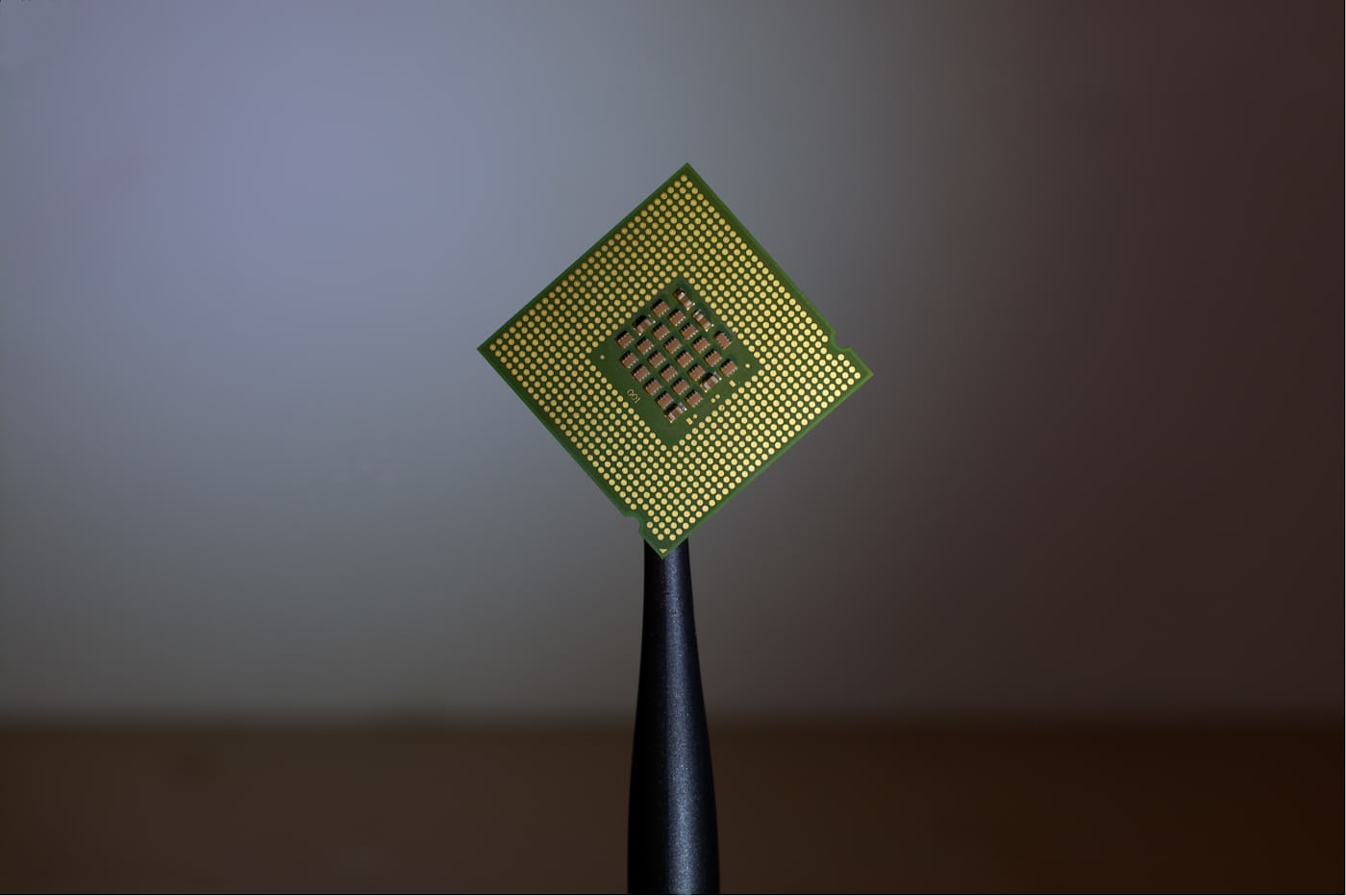
The 2027 figure describes chip readiness, not a console on a shop shelf. Those are different milestones. · Unsplash
The strategic contradiction, and how I read it
Cutting thousands of people while funding a technically ambitious console looks incoherent until you consider how these decisions get made. Hardware is a capital expense with a multi-year roadmap and a partner contract attached. Headcount is an operating expense that shows up every quarter. One is far easier to cut than the other, which is not a conspiracy so much as an explanation for why it feels so cold from the outside.
There's a deeper question though. Microsoft is building a technically spectacular box at the same time as putting Halo on PlayStation and struggling to price Game Pass. If your exclusives now ship on the competitor's hardware, what exactly is the argument for buying your console? Performance alone has historically not been enough — it wasn't for the Xbox One X, and it wasn't for the Series X against a PS5 that outsold it comfortably.
What I'd actually tell you
Don't factor Helix into a purchase decision now. It's at minimum a year and a half away, probably more, with no confirmed retail date, no price, and no games. Buy the console that plays what you want to play in the next eighteen months — and note that Sony's fall lineup is the stronger one on confirmed titles.
The thing I'll be watching isn't the specs. It's whether Microsoft can answer the exclusivity question by the time this launches. A ten-times-better ray tracing pipeline is a great engineering achievement and a weak reason to buy a console when the flagship franchise runs fine on the machine you already own. I made the broader case for where Xbox is heading here, and Helix is the part of that strategy I find hardest to explain.
Common questions
When is the next Xbox coming out?
Unconfirmed. AMD indicated its chip supports a 2027 launch, but Microsoft has only committed to shipping alpha dev hardware in 2027 and has announced no retail date. 2028 is at least as plausible.
What is Project Helix?
Microsoft's next-generation Xbox platform, revealed at GDC in March 2026, developed with AMD and targeting a large leap in ray tracing plus AI integrated into the graphics pipeline.
Will it be backward compatible?
Microsoft hasn't detailed this. Xbox has a strong backward-compatibility track record, but nothing has been confirmed for Helix specifically.
Should I wait for it before buying a console?
No. It's well over a year away at best, with no price, date or announced games. Buy for the games you want in the next eighteen months.
Does the AMD deal cover more than the console?
Yes — the multi-year partnership spans living-room console, handhelds and cloud servers, which is why the same silicon work shows up across several Xbox hardware efforts.