Valve quietly raised the Steam Deck OLED to $789. That reshuffles the whole handheld question. Here's the honest answer on Steam Deck vs ROG Ally X vs Legion Go S for how you actually play.
The easy answer to "which gaming handheld should I buy" used to be "the Steam Deck, obviously." Then, on May 27, 2026, Valve raised the Steam Deck OLED's price by up to $300 — the 512GB model went from $549 to $789, the 1TB from $649 to $949. Overnight, the handheld that won on value stopped being the cheap option. So the real 2026 question isn't "is the Deck good" (it is), it's which of the three big handhelds — Steam Deck OLED, ROG Ally X, or Lenovo Legion Go S — fits how you actually play. Here's my honest take after the price reshuffle.
What actually separates them
On paper these three look similar — all are palm-sized Windows/SteamOS PCs that play your existing library. In the hand they're different machines. The Steam Deck OLED has the only genuine OLED panel of the three, and it's the smallest and lightest, which matters more on a two-hour session than any benchmark. Its trump card isn't hardware though — it's SteamOS, which suspends and resumes games instantly, manages battery sanely, and doesn't drop you into a desktop to wrestle with drivers. The ROG Ally X is the muscle: a 7-inch 1920×1080 120Hz IPS screen with VRR, 24GB of RAM, the only eight-core CPU here, and an 80Wh battery that dwarfs the others. The Legion Go S goes wide — an 8-inch 1920×1200 display and, uniquely, a real choice of operating system at checkout.
Steam Deck OLED vs ROG Ally X vs Legion Go S
Screen
7.4" OLED, 800p
Steam Deck OLED
7" IPS 1080p 120Hz
ROG Ally X
8" IPS 1200p
RAM
16GB
Steam Deck OLED
24GB
ROG Ally X
16GB
Battery
50Wh
Steam Deck OLED
80Wh
ROG Ally X
55Wh
OS
SteamOS
Steam Deck OLED
Windows
ROG Ally X
SteamOS or Windows
Best at
Simplicity + battery
Steam Deck OLED
1080p performance
ROG Ally X
Screen size + choice
Steam Deck OLED
ROG Ally X
Legion Go S
Screen
7.4" OLED, 800p
7" IPS 1080p 120Hz
8" IPS 1200p
RAM
16GB
24GB
16GB
Battery
50Wh
80Wh
55Wh
OS
SteamOS
Windows
SteamOS or Windows
Best at
Simplicity + battery
1080p performance
Screen size + choice
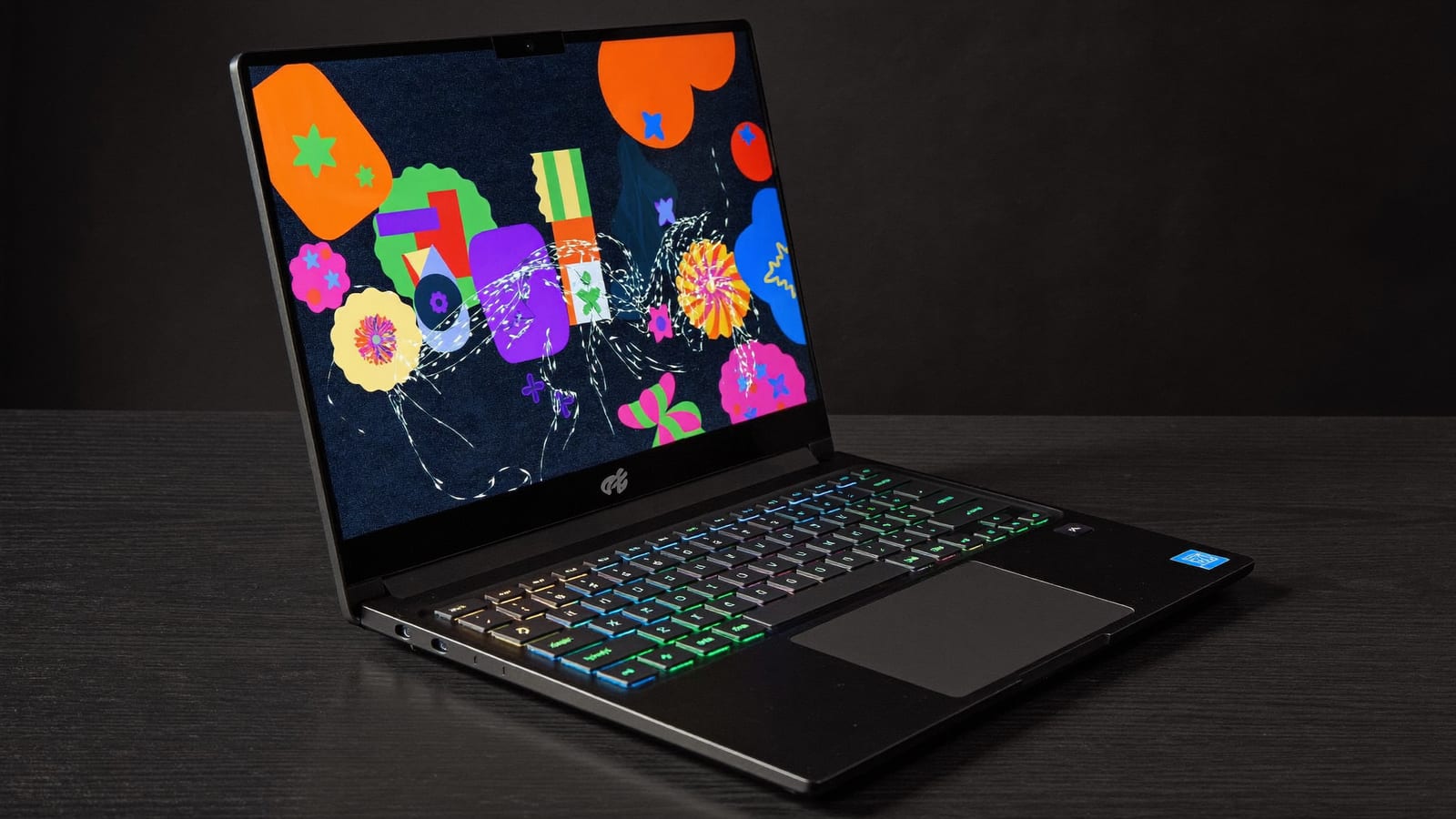
Illustrative — a handheld PC in the class these three compete in. The right pick depends on how you play, not the spec sheet. · Unsplash
So which one — honestly?
Here's where I'll commit. If you have a big Steam library and you want the thing to just work on the couch, get the Steam Deck OLED — even at $789, the software experience is still a genuine notch above Windows handhelds, and OLED on a handheld is lovely. If your priority is hitting 1080p 60fps in demanding games and you'll accept fiddling with Windows to get there, the ROG Ally X is the performance-per-frame winner, and that 80Wh battery means you're not tethered to a wall. The Legion Go S is the one I'd point a friend to who wants a bigger screen and hates being locked to one OS. What I wouldn't do is buy on raw spec sheets — the Deck loses most benchmarks and is still the one most people should own, because the experience is more than the silicon.
Quick answers
What's the best gaming handheld in 2026?
There's no single winner — it depends on how you play. The Steam Deck OLED is best for most people thanks to SteamOS being simple and reliable, plus its OLED screen and light weight, though at $789 it's no longer the cheap pick. The ROG Ally X is best for raw performance (1080p 120Hz, 24GB RAM, 8-core CPU, 80Wh battery). The Legion Go S is best for a bigger screen and OS choice. Buy the Deck for simplicity, the Ally X for frames.
Why did the Steam Deck get more expensive?
Valve raised the Steam Deck OLED price on May 27, 2026 — the 512GB from $549 to $789, the 1TB from $649 to $949 — citing component costs and global supply challenges. The core driver is a DRAM and NAND flash shortage caused by AI-server demand pulling chip capacity away from consumer devices. It's the same memory crunch pushing up graphics card and console prices, not a Valve-specific decision.
Is the Steam Deck still worth it at $789?
For the right person, yes. If you have a large Steam library and value a console-like experience that suspends/resumes instantly and doesn't make you fight Windows, the Deck's software is still the best in the category, and the OLED screen is excellent. If you mainly want the highest frame rates per dollar, the ROG Ally X makes a stronger case now. The hike narrowed the Deck's value lead, but didn't erase its experience advantage.