RTX 5070 or RX 9070 XT? One wins on features, the other on raw frames and VRAM. Here's the honest 1440p gaming GPU answer for 2026, based on what you actually play.
If you're building or upgrading a 1440p gaming PC in 2026, the whole decision basically funnels to two cards: Nvidia's RTX 5070 and AMD's RX 9070 XT. And here's the honest part — it's genuinely close, closer than either fanbase will admit. One wins on features and ray tracing, the other on raw frames and future-proofing. Which is right depends entirely on what you play and what you care about. Let me give you the actual decision framework instead of a scoreboard.
Where each one actually wins
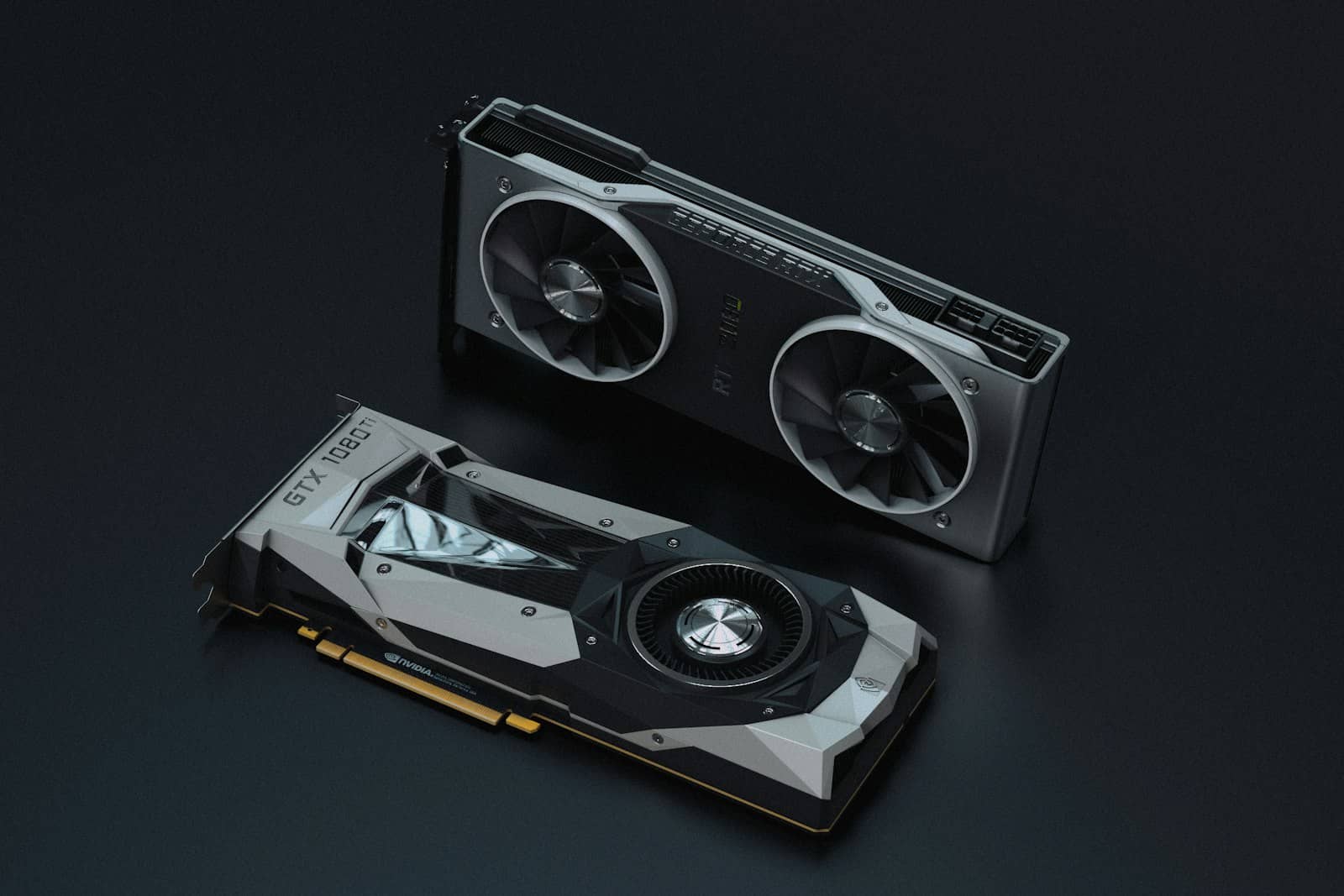
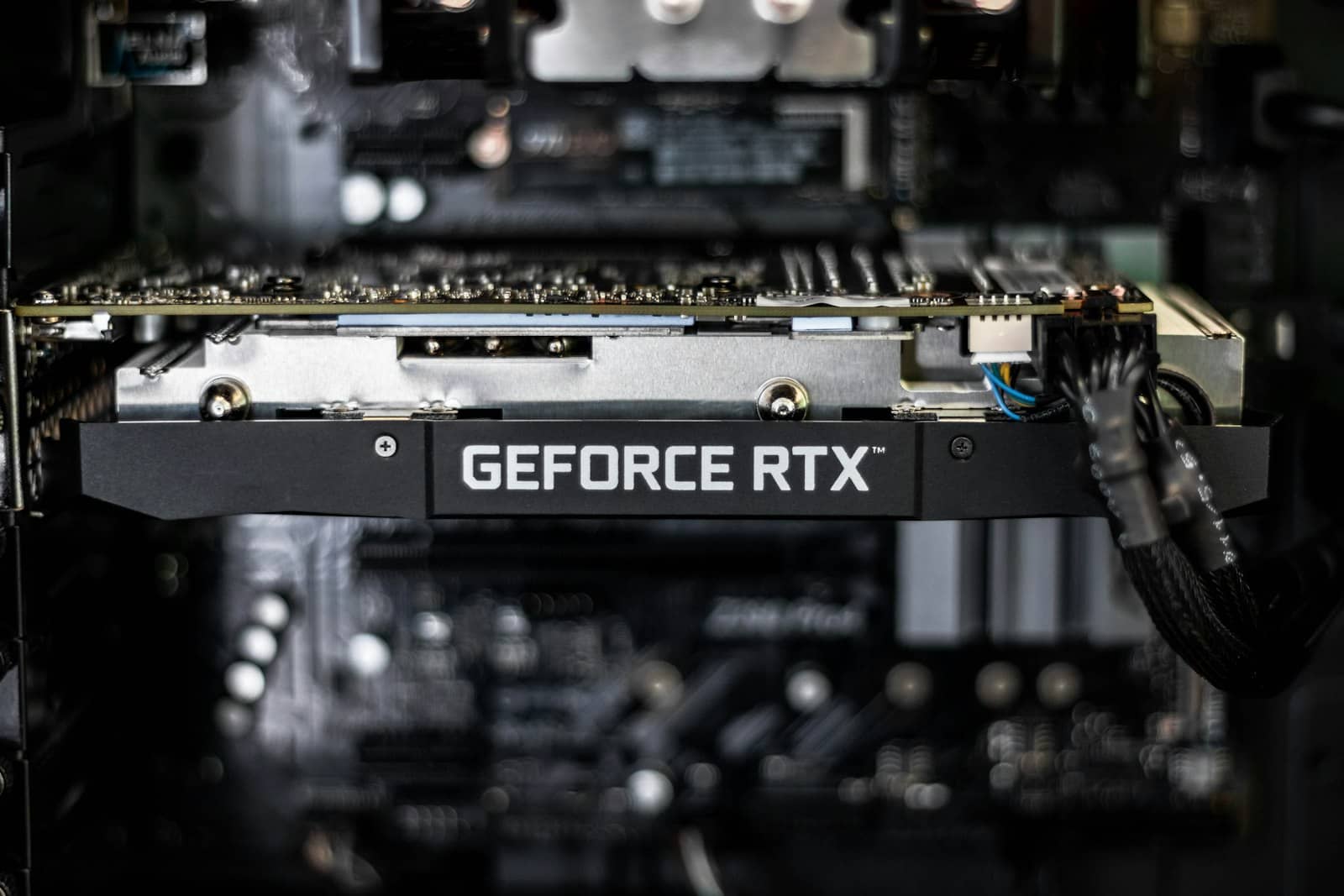
Start with the raw numbers, because they frame everything. At 1440p, the RX 9070 XT has higher raw rasterization performance — in pure, no-upscaling frame rates it's typically ahead, and it packs 16GB of GDDR6 versus the RTX 5070's 12GB of GDDR7. That VRAM gap is the single most important long-term factor here: 12GB is fine for 1440p today, but texture-heavy 2026 games are already brushing against it, and 16GB simply ages better. The RTX 5070 ($549 MSRP) counters with features — DLSS 4, including Multi Frame Generation that renders one frame and generates up to three more, plus meaningfully better ray-tracing performance and lower power draw. So it's a clean trade: AMD gives you more raw output and memory, Nvidia gives you a smarter feature stack.
RTX 5070 vs RX 9070 XT for 1440p
RTX 5070
features
vs
RX 9070 XT
raw power
Strong
Raster FPS
Higher
Better
Ray tracing
Good
12GB
VRAM
16GB
DLSS 4 + MFG
Upscaling
FSR
Lower
Power draw
Higher
$549 MSRP
Price
Similar
5070 wins 3wins 2 XT
For 1440p in 2026, the RTX 5070 and RX 9070 XT trade blows — the right pick is about priorities, not a scoreboard. · Unsplash
How to actually decide
Here's my framework, and I'll commit to a lean. If you mostly play competitive and rasterized games — shooters, esports, big open-worlds without heavy ray tracing — and you want the most raw frames per dollar plus VRAM that'll still be comfortable in three years, get the RX 9070 XT. If you play the big single-player showcases where ray tracing actually transforms the image, or you want the best-in-class upscaling and frame generation to push high refresh rates, the RTX 5070 is your card, and DLSS 4 is a genuine advantage AMD hasn't fully matched. My honest tiebreaker for someone who's truly torn: the 16GB of VRAM on the 9070 XT is the thing you won't regret, and it's why I'd lean AMD for a card you plan to keep. But if you value the feature set and lower power, nobody should talk you out of the 5070.
9/ 10
Verdict
Best 1440p GPU 2026
It's a real coin-flip. The RX 9070 XT wins for raw rasterization and 16GB of longevity-friendly VRAM; the RTX 5070 wins for ray tracing, DLSS 4 frame generation, and efficiency. Rasterized/competitive players lean AMD; ray-tracing and upscaling fans lean Nvidia. Both are excellent 1440p cards.
Best for: 1440p gamers upgrading in 2026 who want a card that lasts several years.
Quick answers
What is the best GPU for 1440p gaming in 2026?
It's a close call between the Nvidia RTX 5070 ($549) and the AMD RX 9070 XT. The RX 9070 XT wins on raw rasterization performance and has 16GB of VRAM, making it the value pick for pure frame rates and longevity. The RTX 5070 wins on ray tracing, DLSS 4 with Multi Frame Generation, and power efficiency. For rasterized and competitive games, lean AMD; for ray-traced showcases and the best upscaling, lean Nvidia. Both are excellent 1440p cards.
RTX 5070 or RX 9070 XT — which should I buy?
Choose the RTX 5070 if you value features: DLSS 4 frame generation, stronger ray tracing, and lower power draw, all at a $549 MSRP. Choose the RX 9070 XT if you want maximum raw rasterization performance per dollar and the extra VRAM — its 16GB versus the 5070's 12GB ages better for texture-heavy and future games. For a card you plan to keep several years, the 9070 XT's VRAM is the safer bet; for cutting-edge features, the 5070 leads.
Is 12GB of VRAM enough for 1440p gaming in 2026?
For now, yes — 12GB (as on the RTX 5070) handles current 1440p games well. But it's the tightest part of the RTX 5070's spec: some texture-heavy 2026 titles are already approaching that limit, and it leaves less headroom for future games. The RX 9070 XT's 16GB provides more comfortable margin for high-resolution textures and longevity. If you upgrade frequently, 12GB is fine; if you keep a card for years, 16GB is the more future-proof choice.
For 1440p in 2026, you genuinely can't go wrong — pick the RX 9070 XT for raw frames and VRAM, or the RTX 5070 for features and ray tracing. If your PC does double duty for AI work too, note that VRAM matters even more there — see how much VRAM you actually need and whether the RTX 5070 Ti is worth it for local AI. Prices remain elevated across the board thanks to the same memory crunch hitting handhelds and consoles.