A great USB mic gets you 90% of the way for a fraction of an XLR setup's cost and hassle. Here's the honest streaming-mic guide, from plug-and-play to studio-grade.
What's the best microphone for gaming and streaming in 2026?
A good USB microphone — the Rode NT-USB+ is the best all-rounder — because it balances sound quality, build, and dead-simple plug-and-play use with no audio interface required. For streamers who want extra features, the Elgato Wave:3 (Wave Link software, Clipguard) and HyperX QuadCast 2 S (RGB, multiple polar patterns) are excellent. The studio-grade Shure SM7dB exists, but it's XLR and overkill for most people. Here's the honest guide, and why you probably shouldn't jump straight to an expensive XLR setup.
USB vs XLR — the decision that actually matters
Before you compare specific mics, decide USB or XLR, because that's the real fork. USB microphones plug straight into your PC and work instantly — no audio interface, no phantom power, no extra cables. A good one like the Rode NT-USB+ sounds genuinely great for gaming, streaming and recording, and gets you about 90% of the way to a studio setup for a fraction of the cost and hassle. XLR microphones — like the Shure SM7dB — need an audio interface (or the SM7dB's built-in preamp helps), which means more gear, more money, and more to learn, in exchange for the last slice of quality and pro flexibility. Unless you're a serious content creator building a proper studio, USB is the right answer, and it's what I'd tell almost everyone. Don't let the 'pros use XLR' talk push you into complexity you don't need — a great USB mic makes you sound great.
Best gaming/streaming mics 2026
Rode NT-USB+
Pick
USB
Type
Best all-rounder
Elgato Wave:3
Pick
USB
Type
Streamers (Wave Link, Clipguard)
HyperX QuadCast 2 S
Pick
USB
Type
Style + polar patterns
Shure SM7dB
Pick
XLR
Type
Studio-grade, serious creators
Pick
Type
Best for
Rode NT-USB+
USB
Best all-rounder
Elgato Wave:3
USB
Streamers (Wave Link, Clipguard)
HyperX QuadCast 2 S
USB
Style + polar patterns
Shure SM7dB
XLR
Studio-grade, serious creators
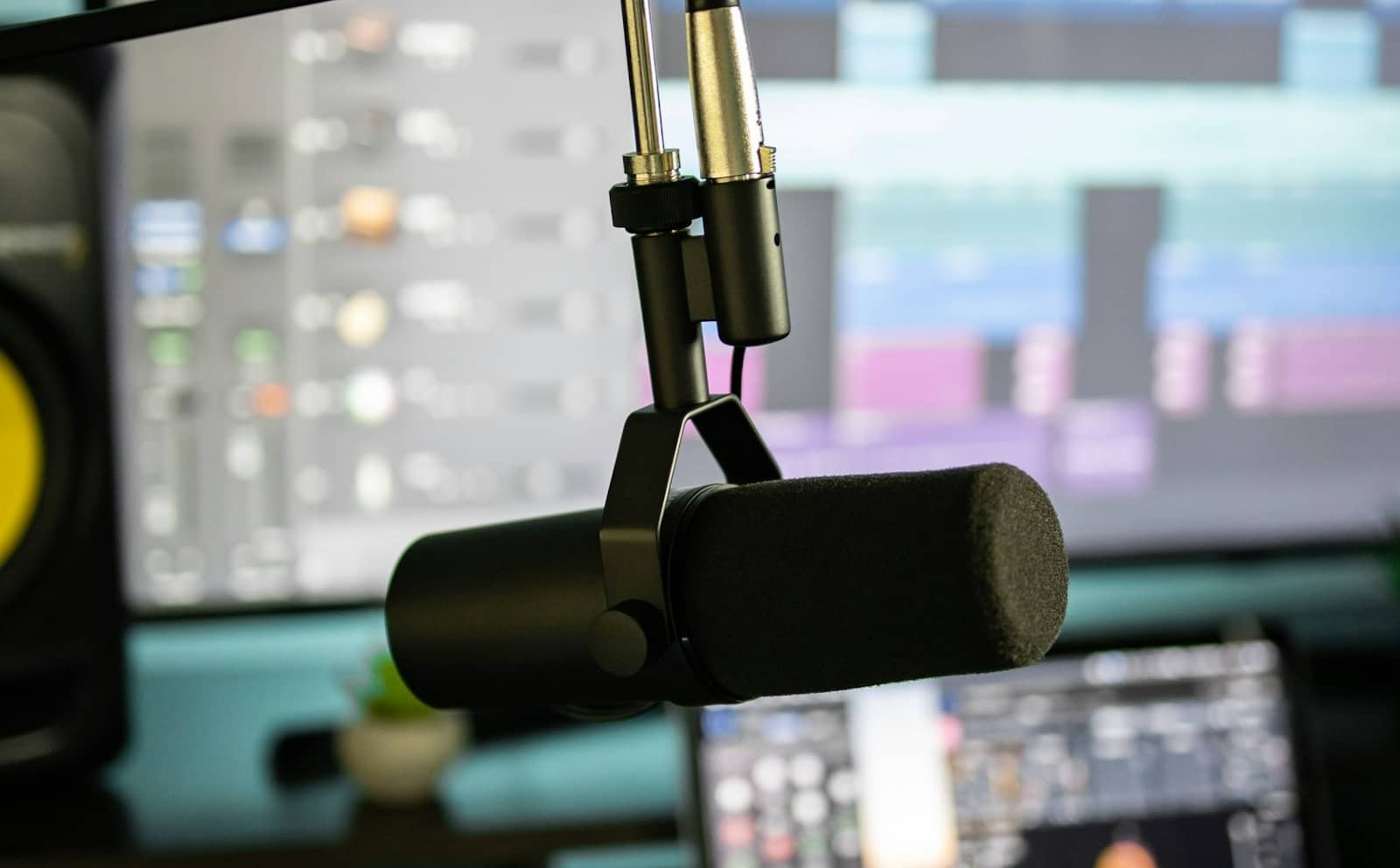
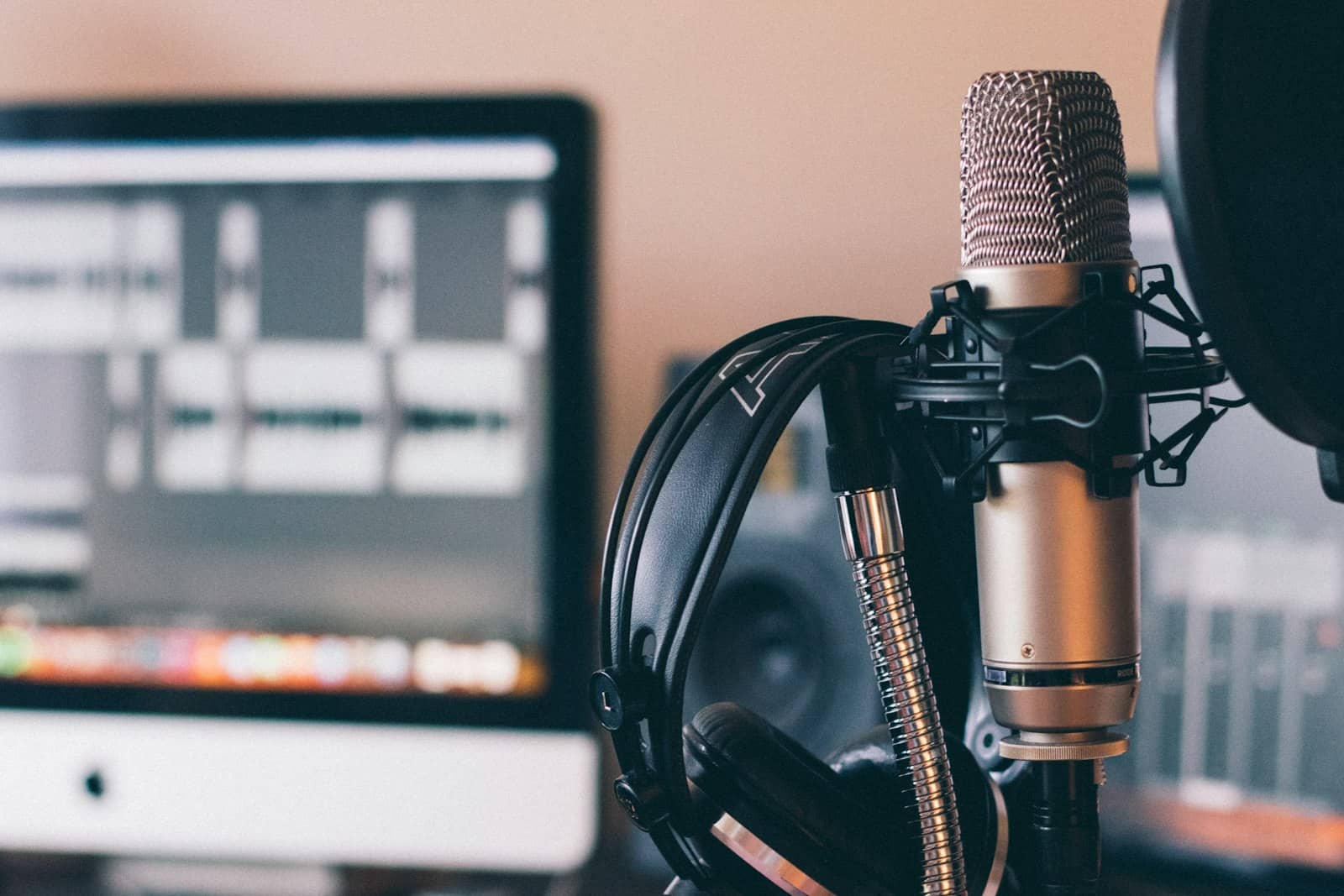
A good USB mic gets you ~90% of a studio setup with none of the interface-and-cables hassle. · Unsplash
Which mic should you buy?
Pick by how serious you are. For most people — gaming with friends, casual streaming, the occasional recording — the Rode NT-USB+ is the answer: it sounds excellent, it's plug-and-play, and you'll never wrestle with an audio interface. If you're a streamer who wants software mixing and protection against clipping when you shout mid-game, the Elgato Wave:3 with Wave Link and Clipguard is purpose-built for you, and the HyperX QuadCast 2 S is the choice if you also want RGB flair and flexible pickup patterns. Only step up to the XLR Shure SM7dB if you're a serious content creator ready to run an audio interface and want studio-grade results — it's a fantastic mic, just far more than a gaming setup needs. Whatever you choose, a decent USB mic plus a good headset covers your whole audio setup.
9/ 10
Verdict
Best gaming/streaming mic 2026
The Rode NT-USB+ is the best all-round mic for gaming and streaming — great sound, plug-and-play USB, no interface needed. The Elgato Wave:3 is best for streamers; the Shure SM7dB (XLR) is studio-grade overkill for most. Stay USB unless you're a serious creator building a studio.
Best for: Gamers and streamers who want to sound great without the cost and complexity of an XLR setup.
Quick answers
What is the best microphone for gaming and streaming in 2026?
A good USB microphone, and the Rode NT-USB+ is the best all-rounder — it balances sound quality, build, and plug-and-play ease, with no audio interface needed. For streamers wanting extra features, the Elgato Wave:3 (with Wave Link software and Clipguard anti-clipping) and the HyperX QuadCast 2 S (RGB, multiple polar patterns) are excellent USB options. The XLR Shure SM7dB is studio-grade but overkill for most. For gaming and streaming, a quality USB mic is the right choice for the vast majority of people.
Should I get a USB or XLR microphone for streaming?
USB, unless you're a serious content creator building a studio. USB microphones plug straight into your PC and work instantly — no audio interface, no phantom power, no extra cables — and a good one like the Rode NT-USB+ gets you about 90% of the way to a studio setup for far less cost and hassle. XLR mics need an audio interface and more gear for the last slice of quality and flexibility. For gaming and most streaming, USB is the smarter, simpler choice; save XLR for professional production.
Do I need an expensive microphone for streaming?
No. A good USB microphone like the Rode NT-USB+ sounds great for gaming, streaming, and recording, and it's a fraction of the cost and complexity of an XLR studio setup. Expensive XLR mics like the Shure SM7dB deliver studio-grade results but require an audio interface and more know-how, which most streamers don't need. Spend on a solid USB mic and good positioning (close to your mouth, away from noise), and you'll sound excellent without overspending. The mic matters less than technique for most viewers.
The mic rule for 2026: buy a good USB mic (the Rode NT-USB+ for most), and only go XLR if you're a serious creator. Pair it with a quality headset and a gaming monitor to finish the setup — and budget the whole rig with how much to spend.