Ryan Cohen shrugged off the death of physical games because they're now under 12% of GameStop's business. The company built on selling discs has quietly moved on — and that tells you where gaming is headed.
There's something grimly funny about the company that built its empire selling physical games declaring those games irrelevant. But that's exactly what GameStop CEO Ryan Cohen did on July 16, brushing off the coming death of physical discs by pointing out they barely matter to his business anymore. Asked how Sony ending physical PlayStation game production in 2028 would hurt GameStop, Cohen said it was "totally, totally irrelevant." He's not wrong about GameStop — and that's the unsettling part for anyone who still buys games on a shelf.
The numbers behind the shrug
Cohen's bluntness makes sense once you see GameStop's actual mix. Video-game software is now less than 12% of the company's business, down from around 18% earlier in 2026, while trading cards and toys make up 41%. GameStop isn't really a game store anymore; it's a collectibles retailer that still happens to have gaming in the name, and its long-term strategy leans into that — plus a reported interest in buying eBay. So when the boss calls physical games irrelevant, he's describing his own balance sheet, not making a cultural argument. That's what makes it land harder: the company with the most reason to defend physical media just… didn't.
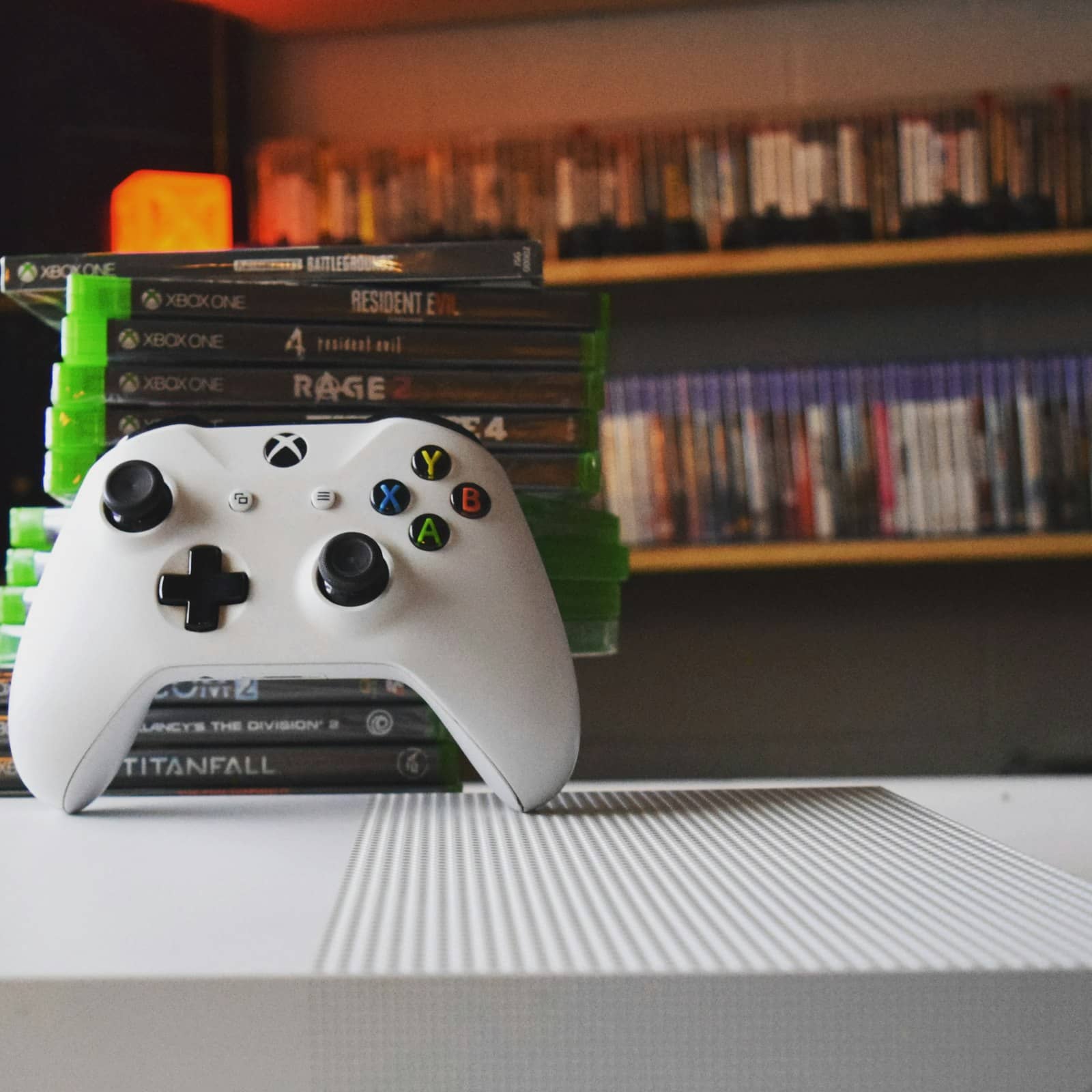
Software is now under 12% of GameStop's revenue — the used-game store has quietly become a collectibles business. · Unsplash
Why this matters beyond one retailer
Here's my honest read: GameStop's pivot is a symptom, not the disease, but it's a loud one. Physical games are being squeezed from both ends — publishers pushing digital storefronts with better margins, and now Sony ending physical PS game production in 2028 — and the biggest physical-games retailer publicly agreeing they don't matter removes the last big commercial voice arguing otherwise. That should bother anyone who cares about game preservation and ownership, because it connects to a theme 2026 keeps hammering: you increasingly don't actually own your games. The Xbox outage that stopped disc games from launching showed how conditional physical ownership already is; GameStop walking away from discs is the retail side of the same story. If you value buying games you can hold and keep, the institutions that supported that are quietly exiting — and this is what that exit looks like.
Quick answers
Did GameStop's CEO really call physical games irrelevant?
Yes. On July 16, 2026, GameStop CEO Ryan Cohen said physical video-game sales are 'totally, totally irrelevant' to the company's business, in response to a question about Sony ending physical PlayStation game production in 2028. He backed it up with numbers: video-game software is now under 12% of GameStop's revenue, down from about 18% earlier in the year, while trading cards and toys make up 41%. The company has pivoted toward collectibles.
Is GameStop still a video game store?
Increasingly, not really. Video-game software is now less than 12% of GameStop's business, while trading cards and toys account for 41%. The company has repositioned itself as a collectibles retailer — cards, toys, and memorabilia — that still carries gaming, rather than a store primarily built on selling games. Its long-term strategy leans into collectibles, and it has reportedly explored buying eBay. The CEO calling physical games 'irrelevant' reflects this shift in the actual business mix.
Is Sony ending physical PlayStation games?
Sony is ending physical PlayStation game production in 2028, according to the context of GameStop's comments. This is part of a broader industry shift toward digital distribution, driven by better margins for publishers and platforms. Physical games are being squeezed from multiple directions, and even GameStop — historically the largest physical-games retailer — now calls them irrelevant to its business. If you prefer owning games on disc, the commercial support for that is clearly shrinking.