At ~$4,600 for 32GB of VRAM, the RTX 5090 is either the only card that makes sense — or a tax on headroom you'll never use. An honest, VRAM-first buy call with the cheaper alternatives priced in.
Let me answer the question before the spec sheet does, because I get asked it constantly: for most people running AI at home in 2026, the RTX 5090 is not worth it. I run local models daily, so I'll say it plainly — I'd only point a specific minority at this card, and for them it's the only one that makes sense at any price. The difference is entirely about one number: 32GB of VRAM. That is the whole reason to consider a card that launched at a $1,999 MSRP and now sells for roughly $4,600 on the street (Tom's Hardware's price tracker and bestvaluegpu's history, September 2026). If you don't need those last gigabytes, you are paying a 2026 AI-boom tax for headroom you'll never touch.
32GB
VRAM
GDDR7, 512-bit — the whole point
~$4,600
Street price
Sep 2026, vs $1,999 MSRP
up to ~39%
RTX 50 price rise
Jun→Sep 2026, AI demand
575W
Board power
budget a real PSU + cooling
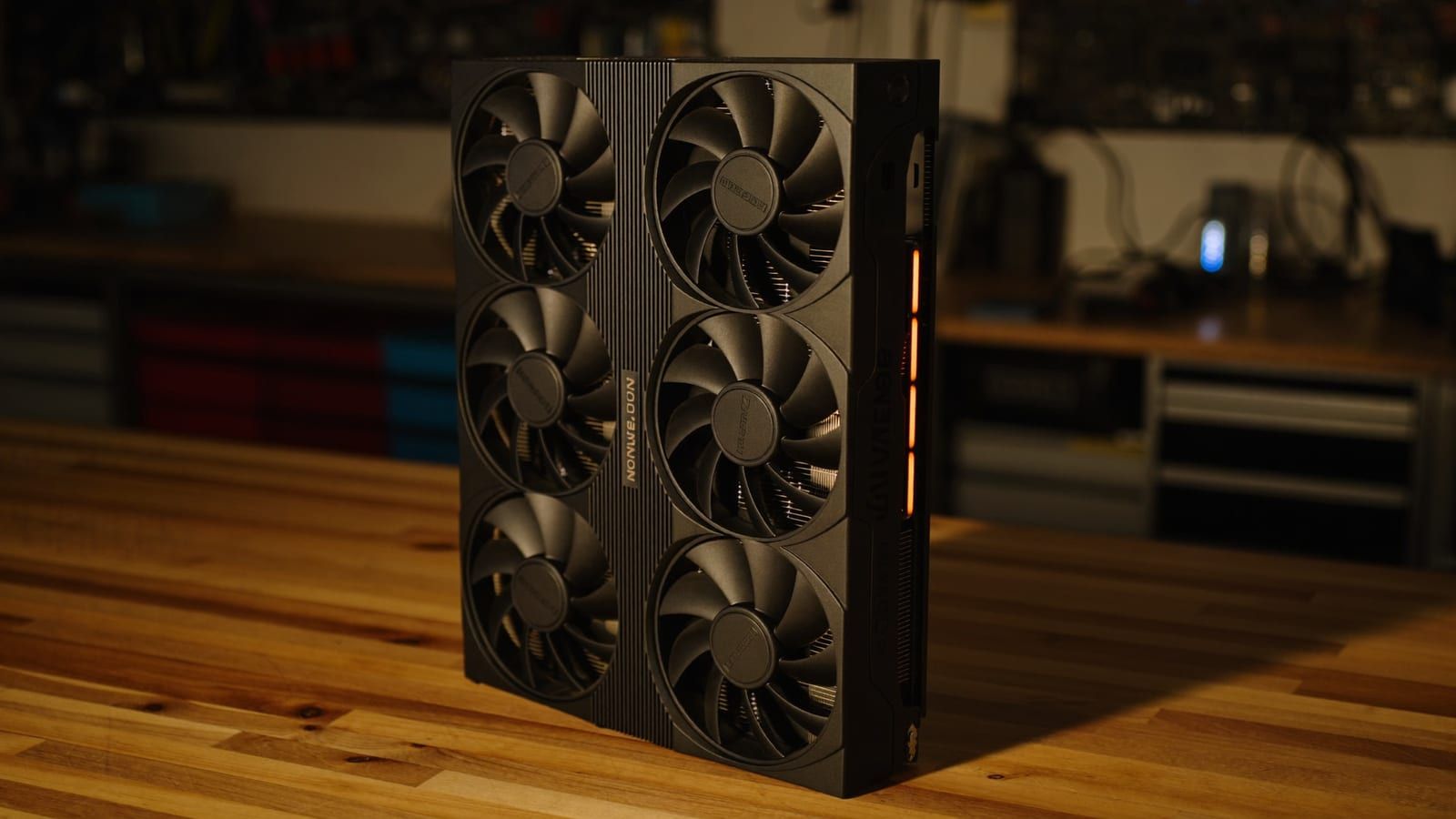
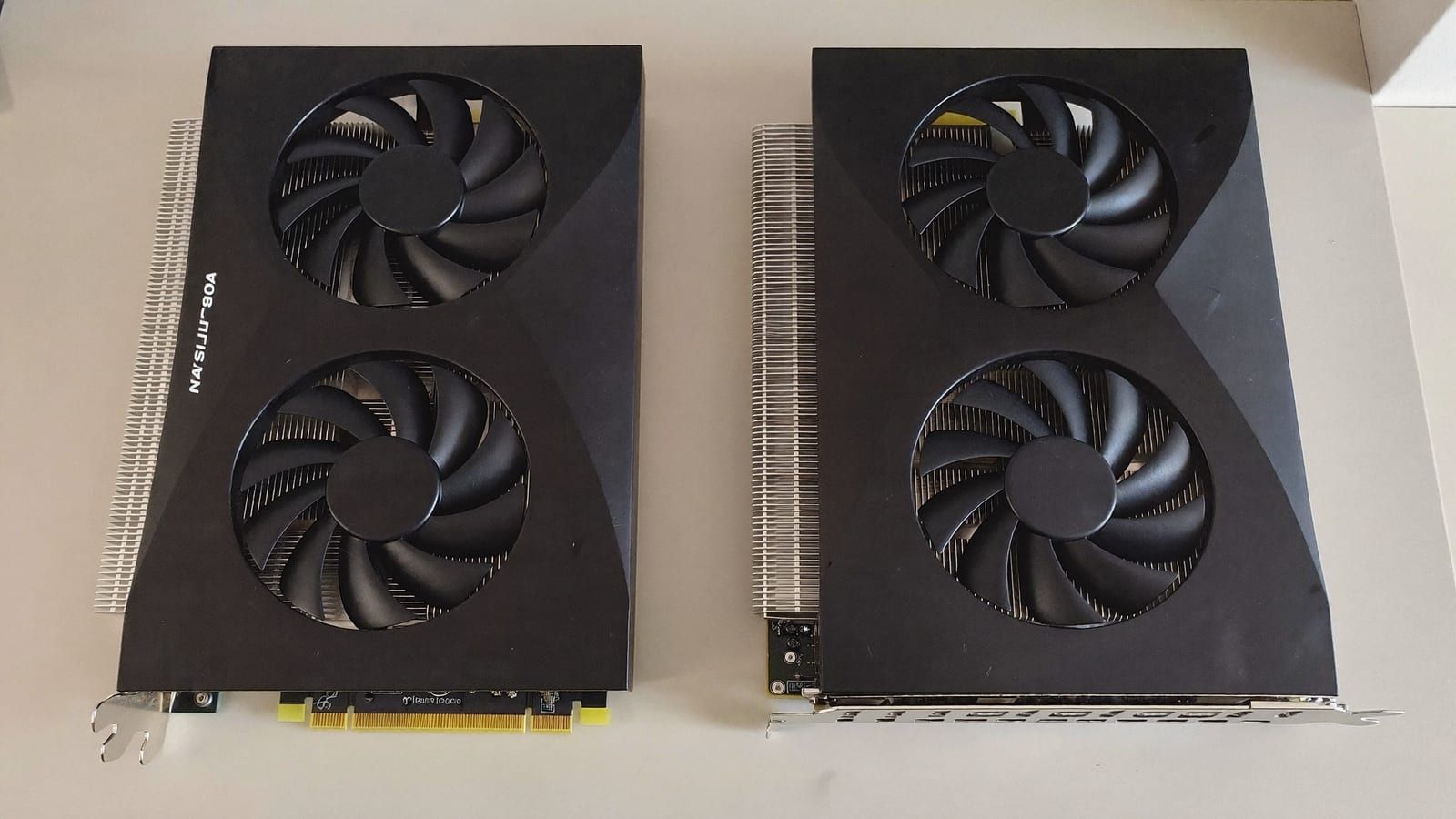
The 5090's draw for local AI isn't frame rates — it's the 32GB of memory. Illustration generated with AI. · Generated with Higgsfield
Why VRAM is the only spec that matters here
For local inference, a model has to fit in memory. VRAM sets the ceiling on how large a model — and how good a quantization — you can run without spilling into painfully slow system RAM. 16GB comfortably runs 7B–14B models at solid quality and can stretch to a quantized 30B. 24GB opens up 30B-class models at better quantization and gives fine-tuning real breathing room. 32GB is where a 30B model runs at high quality with context to spare, and where a heavily quantized ~70B becomes usable on a single card. That jump from 24GB to 32GB is the 5090's entire pitch for AI. If your models fit in 16GB, none of this applies to you and you should stop reading and buy something cheaper.
Cost per GB of VRAM (lower is better) — derived from Sep 2026 street prices
RTX 4090 (used, 24GB)~$58/GB
~$1,400 used ÷ 24GB
RTX 5080 (16GB)~$69/GB
~$1,100 ÷ 16GB
RTX 5090 (32GB)~$144/GB
~$4,600 ÷ 32GB
Read that bar chart the way I do: the 5090 is the worst value per gigabyte of the three — you pay a steep premium for the privilege of getting 32GB in a single slot. In my view the used RTX 4090 is the value king if 24GB covers your models, and I only reach for the 5090 when you specifically need more than 24GB on one card and don't want the headaches of splitting a model across two GPUs.
The three cards a local-AI buyer actually compares in 2026
RTX 5090
VRAM
32GB GDDR7
Memory bus
512-bit
Street price (Sep 2026)
~$4,600
RTX 4090 (used)
VRAM
24GB GDDR6X
Memory bus
384-bit
Street price (Sep 2026)
~$1,200–$1,500
RTX 5080
VRAM
16GB GDDR7
Memory bus
256-bit
Street price (Sep 2026)
~$1,000–$1,200
VRAM
Memory bus
Street price (Sep 2026)
RTX 5090
32GB GDDR7
512-bit
~$4,600
RTX 4090 (used)
24GB GDDR6X
384-bit
~$1,200–$1,500
RTX 5080
16GB GDDR7
256-bit
~$1,000–$1,200
Who it's genuinely worth it for
Pros
+ You fine-tune or train, where 32GB and the extra bandwidth pay off directly
+ You run 30B-class models at high quality, or a quantized ~70B, and want it on ONE card
+ You value a single-GPU setup over the complexity of splitting models across two cards
+ You'll use it heavily for years — amortized over real daily use, the premium hurts less
Cons
− Your models fit in 16–24GB (most 7B–14B and many 30B workflows do)
− You mostly game with occasional AI dabbling — the 5080 or a used 4090 is far better value
− Your big jobs are rare — renting an H100/H200 by the hour is cheaper than owning idle silicon
− Budget is tight — $/GB, almost anything beats the 5090
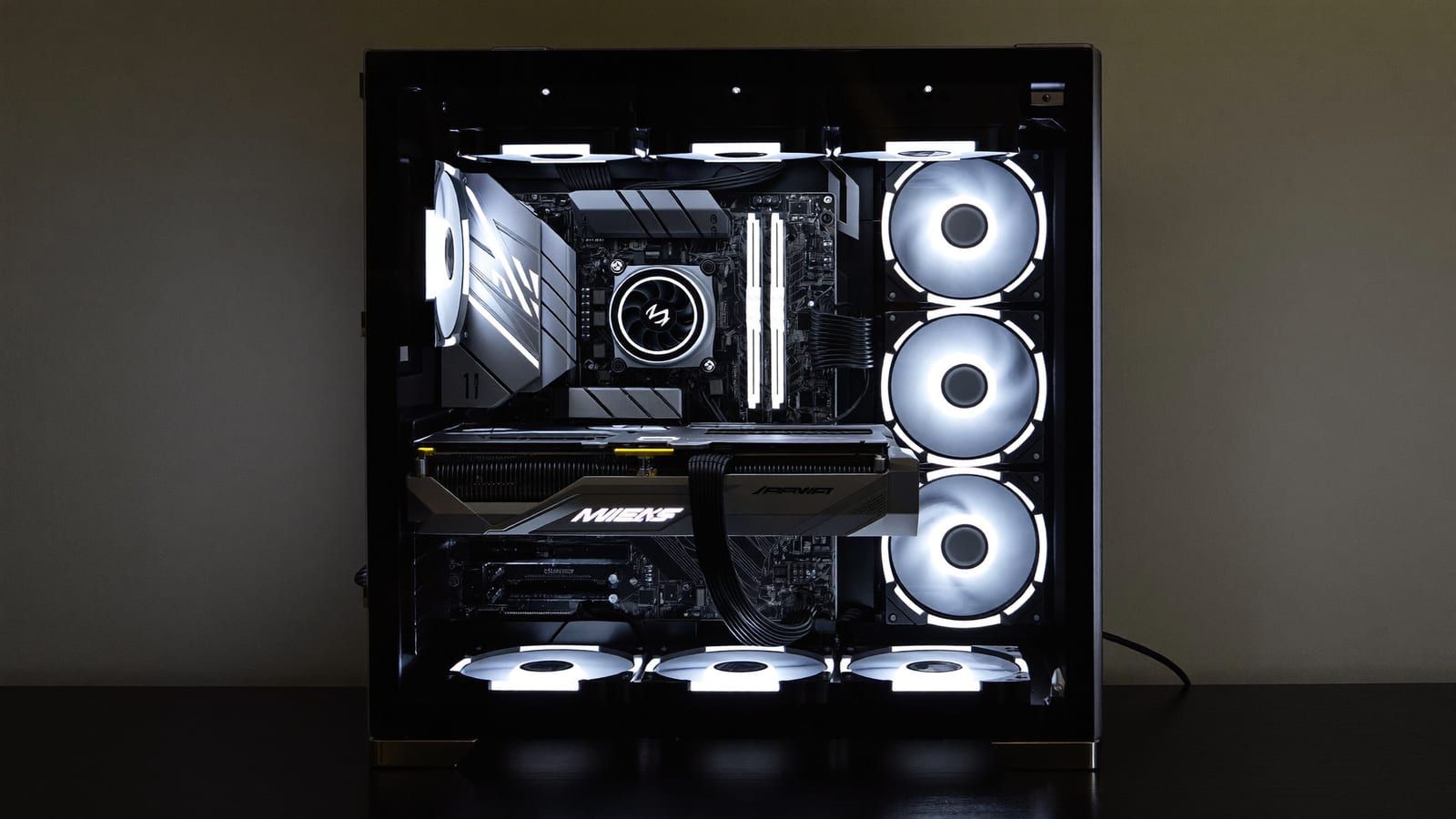
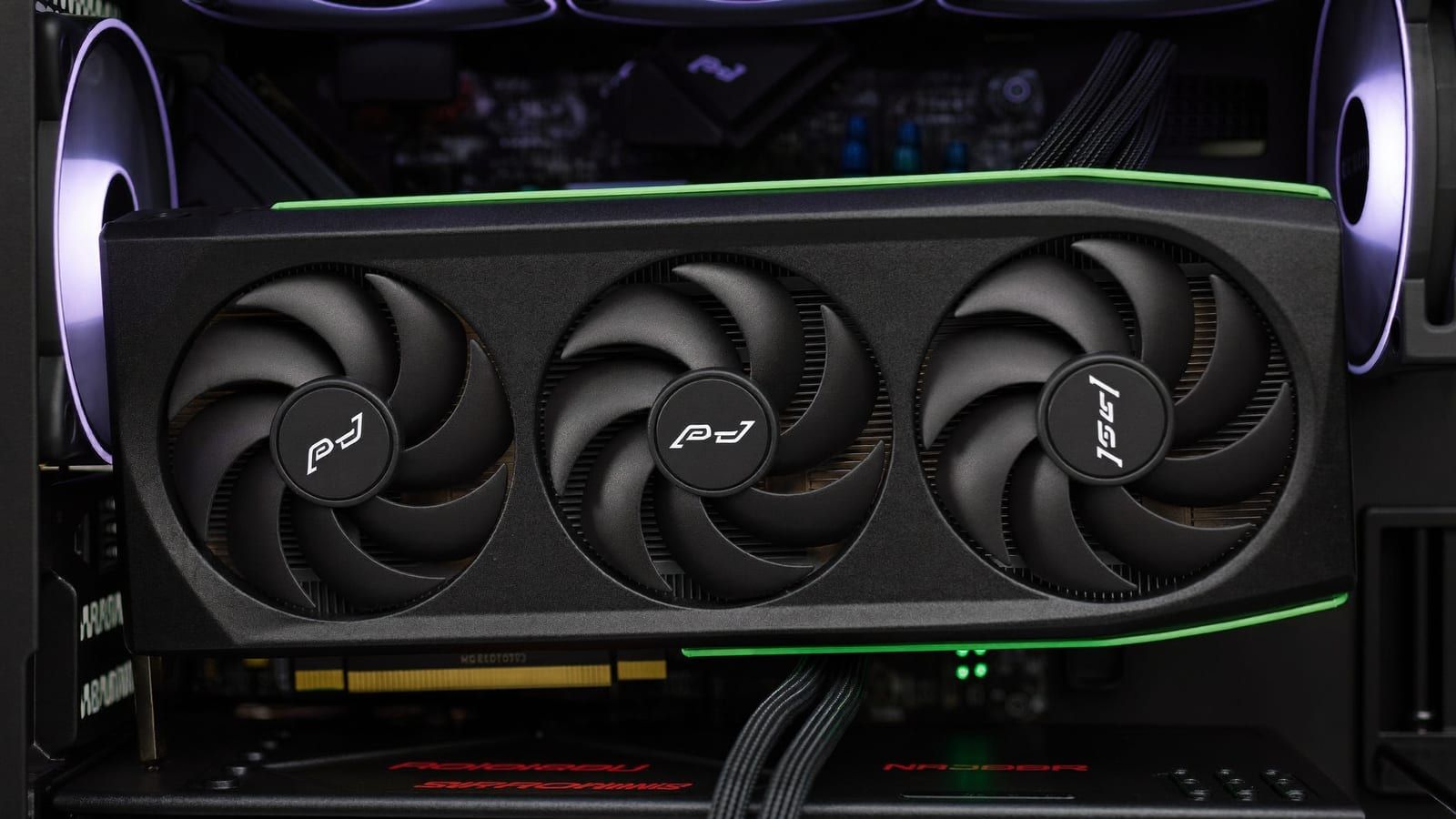
If you're building around 32GB, budget for a strong PSU and airflow — 575W is not a rounding error. Illustration generated with AI. · Generated with Higgsfield
The cheaper paths worth pricing first
A used RTX 4090 (24GB). The value pick if 24GB fits your models — best $/GB here and plenty for most 30B-class work. Buy from a seller with returns; used prices ran ~$1,200–$1,500 in 2026, higher on some eBay listings.
Rent, don't buy, for rare heavy jobs. An occasional fine-tune or 70B run is cheaper by the hour than owning a $4,600 card that idles — we compared the neocloud GPU rental prices (H100 from ~$3.85/hr, and cheaper on marketplace clouds).
Here's my honest call: it's worth it only if you genuinely need more than 24GB on a single card — serious fine-tuning, 30B-at-high-quality, or a quantized 70B — and will use it hard for years. For everyone running 7B–24B models, I'd send you to a used RTX 4090 or a 16GB card that delivers the same experience for a fraction of the price, and I'd rent for the rare big job. Buy the VRAM you'll actually use, not the number on the box.
Best for: Anyone weighing an RTX 5090 specifically for running or training AI at home
Common questions
How much VRAM do I actually need for local AI?
It depends on model size and quantization. 16GB handles 7B–14B models well; 24GB opens up 30B-class models and light fine-tuning; 32GB (the 5090) is for 30B at high quality, heavier fine-tuning, or a quantized ~70B on one card. If your target models fit in 16GB, you don't need a 5090.
Is a used RTX 4090 a better buy than a 5090 for AI?
For most people, yes. The 4090's 24GB covers a huge range of local models at roughly a third of the 5090's street price, making it the value leader per gigabyte. The 5090 only pulls ahead when you specifically need 32GB in a single card.
Why is the RTX 5090 so expensive in 2026?
AI demand. The whole RTX 50 line rose as much as ~39% between June and September 2026, and the 5090 — the only 32GB consumer card — sits furthest above its $1,999 MSRP, around $4,600 on the street.
Should I rent a cloud GPU instead of buying a 5090?
If your heavy jobs are occasional, yes. Renting an H100 or H200 by the hour beats owning a card that sits idle most of the day. If you run big models daily for years, owning eventually wins — do the crossover math for your hours.
Can I use two cheaper cards instead of one 5090?
For inference, yes — two 16GB cards can hold a model that needs ~28–30GB, though splitting adds complexity and some overhead, and not every tool handles multi-GPU cleanly. If you value a simple single-GPU setup, that convenience is part of what the 5090's price buys.
Bottom line: the RTX 5090 is a fantastic card at a 2026 price that only makes sense for people whose work genuinely needs 32GB. Everyone else is better served buying the VRAM they'll use and putting the difference toward electricity, storage, or simply renting the rare big job. Price it against a used 4090 and a rental quote before you commit — and check a live price tracker the day you buy.