NAS drive prices climbed roughly 46% between September and January, driven by the same AI datacenter demand squeezing memory everywhere. here's the honest buy-now-or-wait call.
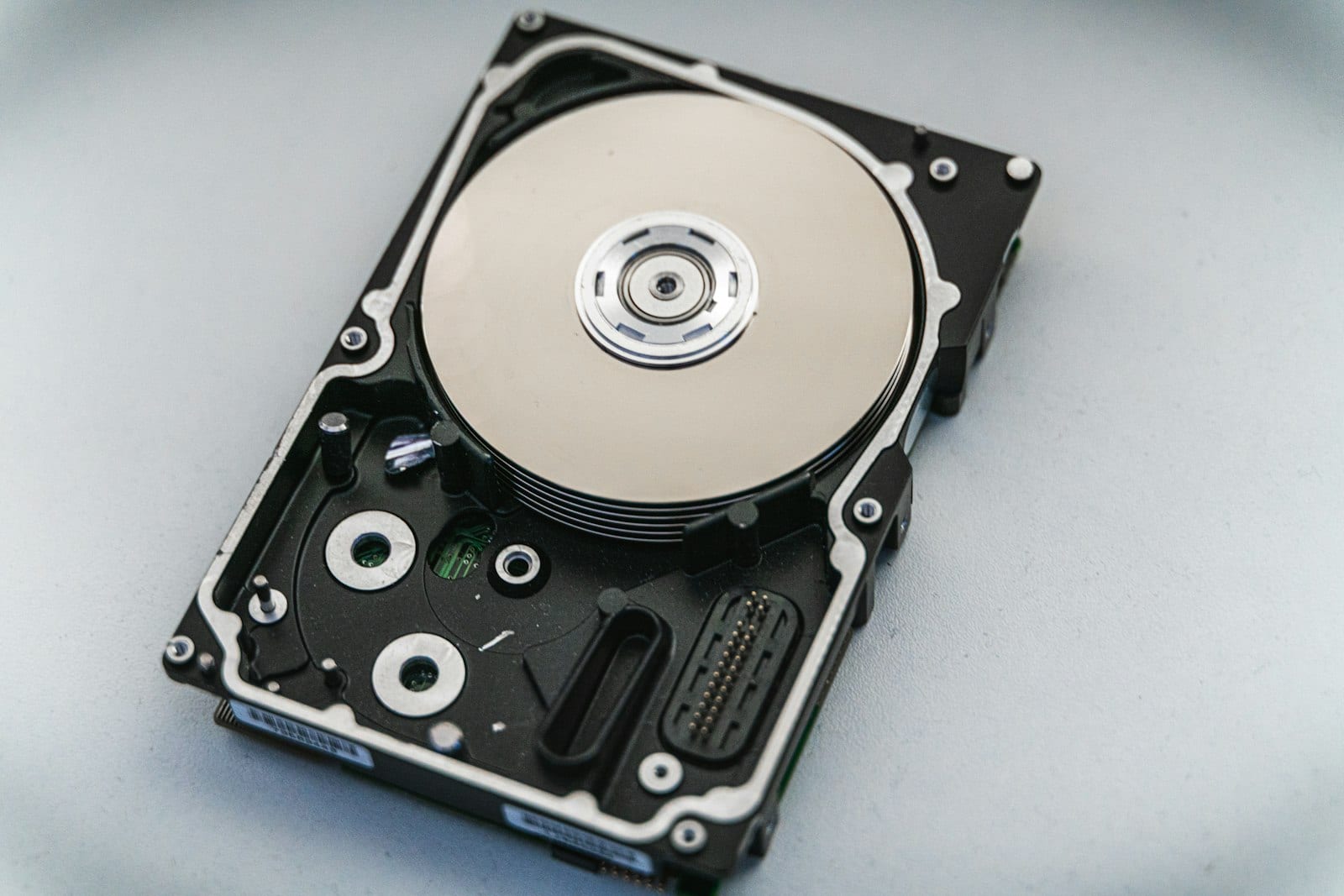
If you priced a NAS build a year ago and are only now getting around to buying the drives, prepare for a shock. Hard drive prices climbed roughly 46% between September 2025 and January 2026 depending on model, with reported increases across the range running anywhere from about 23% to 66%. The storage that used to be the boring, predictable part of a homelab build is now the line item that blows up the budget.
~46%
HDD price rise
Sept 2025 → Jan 2026, model-dependent
23-66%
Reported range
varies sharply by capacity and model
AI datacenter demand
Root cause
hyperscalers want the same high-capacity drives
late 2027
Expected relief
per industry analysts — not sooner
Why homelabbers are competing with hyperscalers
The uncomfortable dynamic is that AI datacenter operators want exactly the same drives you do: high-capacity, power-efficient units with the best cost per terabyte. When hyperscalers buy that inventory in bulk on long-term agreements, the retail channel gets what's left. There's a second-order effect too — hard drives themselves contain DRAM cache and controller silicon, so they're caught in the same memory shortage driving up GPU, Raspberry Pi and Nintendo Switch 2 pricing. Storage isn't a separate story from the memory crunch; it's the same story.
The honest buy-now-or-wait call
Don't wait for prices to fall. Analysts don't expect normalization before late 2027, and supply is committed well in advance. 'Waiting for a better price' is likely to mean paying similar money a year later with less storage in the meantime.
Buy the capacity you'll actually need in three years, not the minimum that fits today. In a rising market, the upgrade you defer costs more than the headroom you buy now.
Seriously consider used enterprise drives. They're the value play right now — but only with eyes open: check SMART data (especially power-on hours and reallocated sectors), assume a shorter remaining life, and never run them without redundancy and a real backup.
Redundancy is not backup. In a market where replacing a failed drive costs meaningfully more than it used to, an actual 3-2-1 backup matters more, not less.
What this changes about NAS design
The practical effect is that the old homelab instinct — buy lots of cheap spinning rust and worry about efficiency later — no longer holds. Fewer, larger drives now often beat more, smaller ones on total cost, and they draw less power. It's also pushed genuine interest toward all-flash builds for smaller capacities, since the price gap between an 8TB SSD and 8TB of spinning disk is nothing like it was. Whatever you build, the era of storage being the cheap part of the project is over for a while.
None of this is a reason not to build a NAS — owning your own data is worth more now than it's ever been. It's a reason to plan the build around current prices rather than the numbers you remember from a build guide written in 2024.
Common questions
Should I wait for NAS drive prices to come down?
Probably not. Supply is committed on long-term agreements and analysts do not expect normalization before late 2027. Waiting most likely means paying similar money a year later while going without the storage in the meantime.
Are used enterprise drives actually safe to buy?
They are the best value right now, with caveats. Check SMART data — particularly power-on hours and reallocated sector counts — assume a shorter remaining service life, and never run them without redundancy plus a genuine backup.
Is RAID a backup?
No. RAID protects against a drive failing, not against deletion, ransomware, corruption or the machine itself dying. With replacement drives now materially more expensive, a real 3-2-1 backup matters more than it used to, not less.
Why are hard drives affected by an AI memory shortage?
Two reasons. Hyperscalers buying for AI datacenters want exactly the high-capacity, power-efficient drives enthusiasts want, and drives themselves contain DRAM cache and controller silicon caught in the same shortage. It is the same root cause behind the Raspberry Pi price increases and Nintendo raising the Switch 2 to $500.
Should I go all-flash instead?
It is far more viable than it was. The price gap between SSD and spinning disk has narrowed at smaller capacities, and flash wins on power draw and noise. For bulk archival storage, HDDs still win on cost per terabyte.