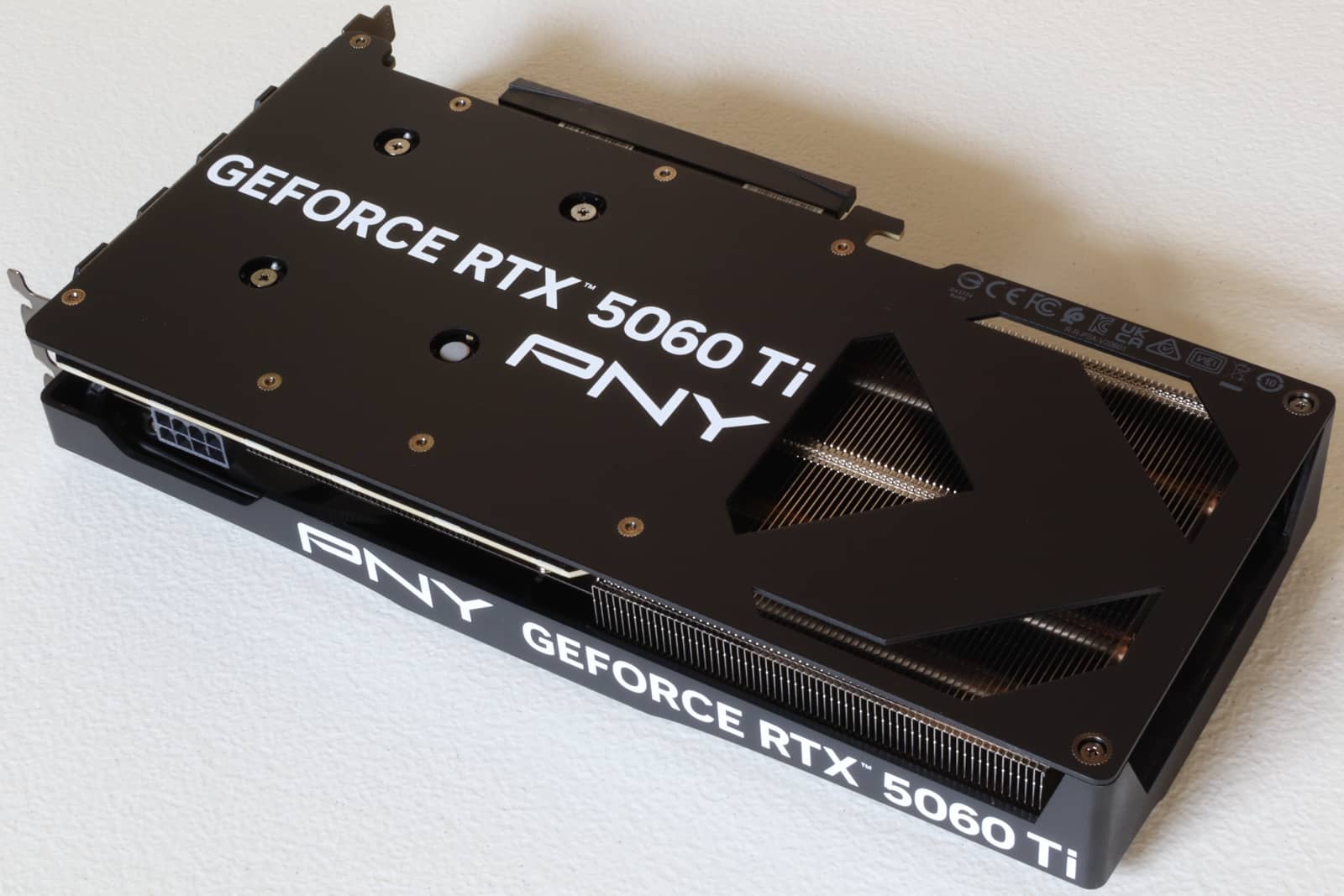
Nvidia built the RTX 5060 Ti 16GB to undercut its own RTX 5070 by $120 at launch — a cheaper card for people who wanted the extra VRAM without paying flagship-adjacent money. That math just inverted. This week, Guru3D, Wccftech and PC Gamer all independently caught individual RTX 5060 Ti 16GB listings selling for more than individual RTX 5070 listings at the same retailers, on the same day.
The numbers, as of this week
Wccftech's US price sweep put the RTX 5060 Ti 16GB's median at $804.99 this month — 88% above its $429 launch MSRP. Guru3D's separate retailer check found the same card climbing 39% just since June, from around $570 to over $800 at several stores, with some custom AIB editions on Newegg brushing up against $1,000. The RTX 5070 has moved too — up from roughly $660 a month earlier — but its lowest tracked listing this week sat at $763. That's the actual crossover: an MSI Shadow RTX 5060 Ti 16GB priced at $780 cost more than the cheapest available RTX 5070, a card that launched $120 pricier.
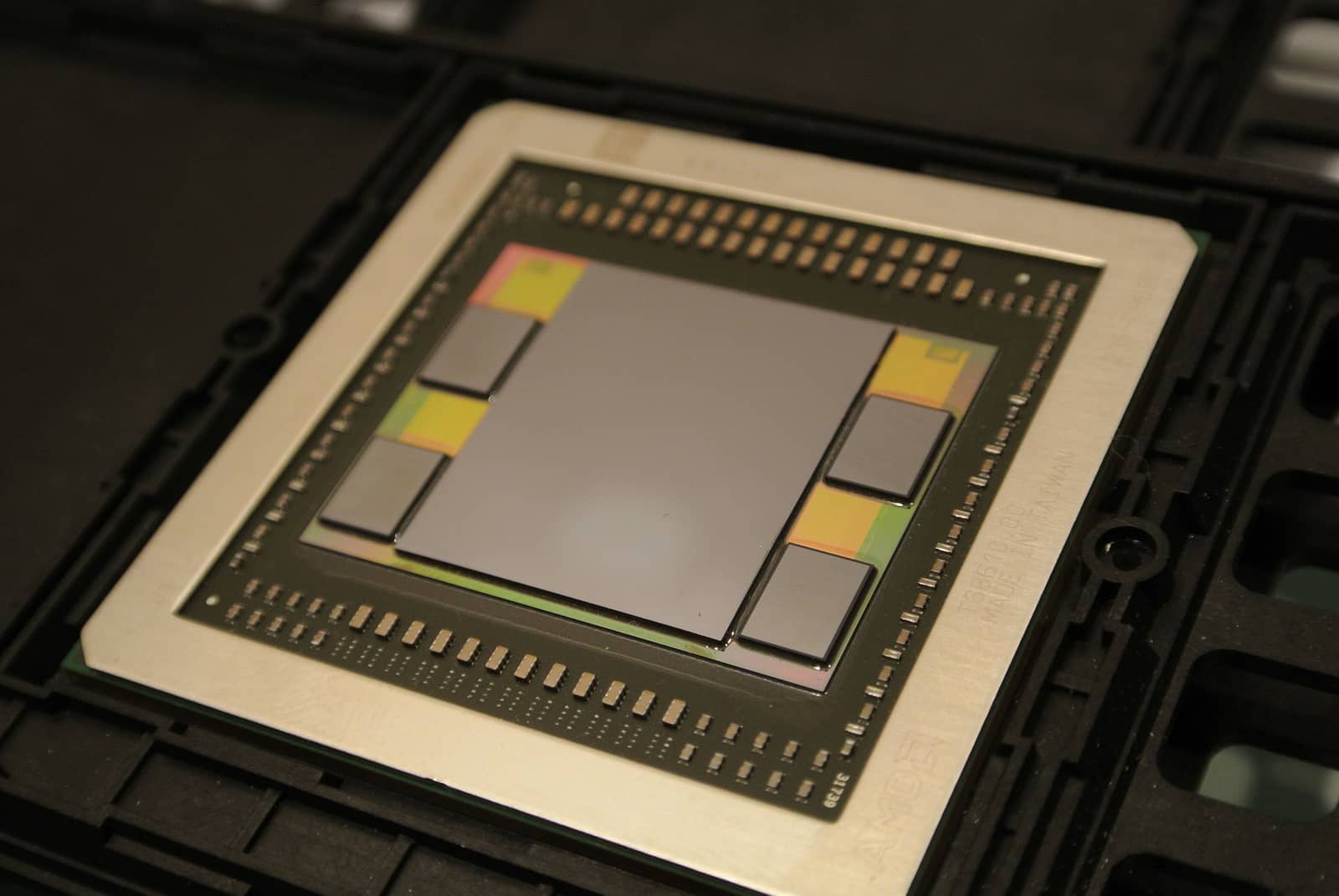
GDDR7 supply, not any single GPU's design, is what's actually moving these prices. · Unsplash
Why a $429 card outpricing a $549 card is genuinely weird
On paper, the RTX 5070 is comfortably the faster card: 6,144 CUDA cores against the 5060 Ti 16GB's 4,608, a 192-bit memory bus against 128-bit, and 672 GB/s of bandwidth against 448 GB/s. The only column where the cheaper card wins is capacity — 16GB against 12GB. Under normal pricing that's a fair trade: pay less, get more VRAM, accept lower throughput. What's happening in some listings right now is that shoppers get asked to pay more for the slower card and still only receive the VRAM advantage as compensation. That's not a trade anymore. That's a tax on anyone who searched "16GB GPU" and stopped reading there.
So which one should you actually buy
RTX 5060 Ti 16GB vs RTX 5070 — spec for spec
RTX 5060 Ti 16GB
$429 MSRP
vs
RTX 5070
$549 MSRP
4,608
CUDA cores
6,144
128-bit
Memory bus
192-bit
16GB GDDR7
VRAM
12GB GDDR7
448 GB/s
Memory bandwidth
672 GB/s
~$780
This week's cheapest listing
~$763
16GB wins 1wins 3 5070
The catch is both of these prices move by the day and by the exact SKU — a Founders Edition, a blower-style OEM board, and an overclocked AIB card from the same brand can differ by $80 or more even at one retailer. Don't act on a single listing you saw once; check at least two stores before you buy. Anecdotally, in-store pricing at places like Micro Center has stayed closer to MSRP than online listings for both of these cards through this shortage, so it's worth a phone call before you order online at a premium.
Verdict
Verdict
If you can find an RTX 5070 for anything near $760–800, take it — it's the objectively faster card even against a 16GB 5060 Ti at the same price point. Only reach for the 5060 Ti 16GB if it's genuinely $100 or more cheaper than your local RTX 5070 price, or if your specific workload is VRAM-bound rather than compute-bound.
Best for: Shoppers actively choosing between these two mid-range Nvidia cards this month — not a suggestion to buy either one at $780+ if you have the option to wait.
Common questions
Why did the RTX 5060 Ti 16GB get more expensive than the RTX 5070?
A GDDR7/DRAM supply shortage is pushing up every RTX 50-series card's price, but 16GB models carry more memory chips per board than 12GB models, so they've absorbed a proportionally bigger hit. That's compressed the normal price gap between the two cards to the point some listings have flipped.
Is the RTX 5060 Ti 16GB still worth buying in August 2026?
Only if you find it meaningfully cheaper than the RTX 5070 at the same retailer, or you specifically need the 16GB for a VRAM-limited task. At price parity or a premium, the 5070's extra compute and bandwidth make it the better buy for most people.
Will RTX 50-series prices come back down?
That's a guess, not a report: most coverage points to the shortage easing once new GDDR7 capacity ships later this year. "Easing" isn't the same as returning to launch MSRP, so don't wait indefinitely for $429 pricing to come back.
Is the RX 9070 XT a better buy than either of these right now?
It's worth checking before you commit to either Nvidia card. At roughly $629–$700 this week, it's held its price far better than either the 5060 Ti 16GB or 5070 and matches the 5060 Ti on VRAM.
This isn't a one-card story — it's the same DRAM math reshaping GPU deals across the board this month. If you're weighing either of these two specifically for AI work rather than gaming, we already ran the local-AI math on a $900 RTX 5070 separately — worth reading before you commit either way. My prediction, clearly labeled as one: prices soften some once new memory capacity lands, but not back to what you remember from last spring. Buy for what you need this month, not for a price that isn't coming back soon.