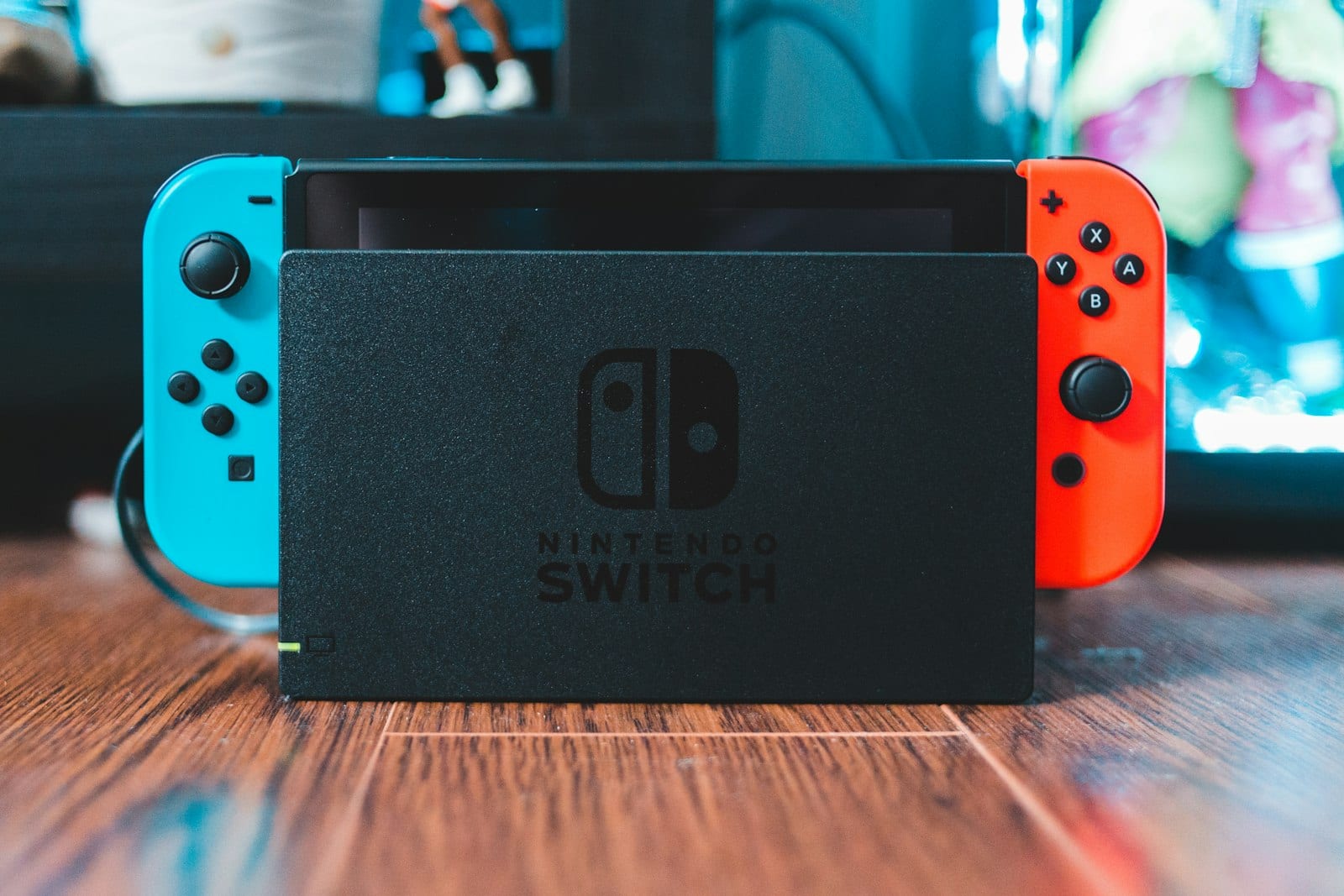
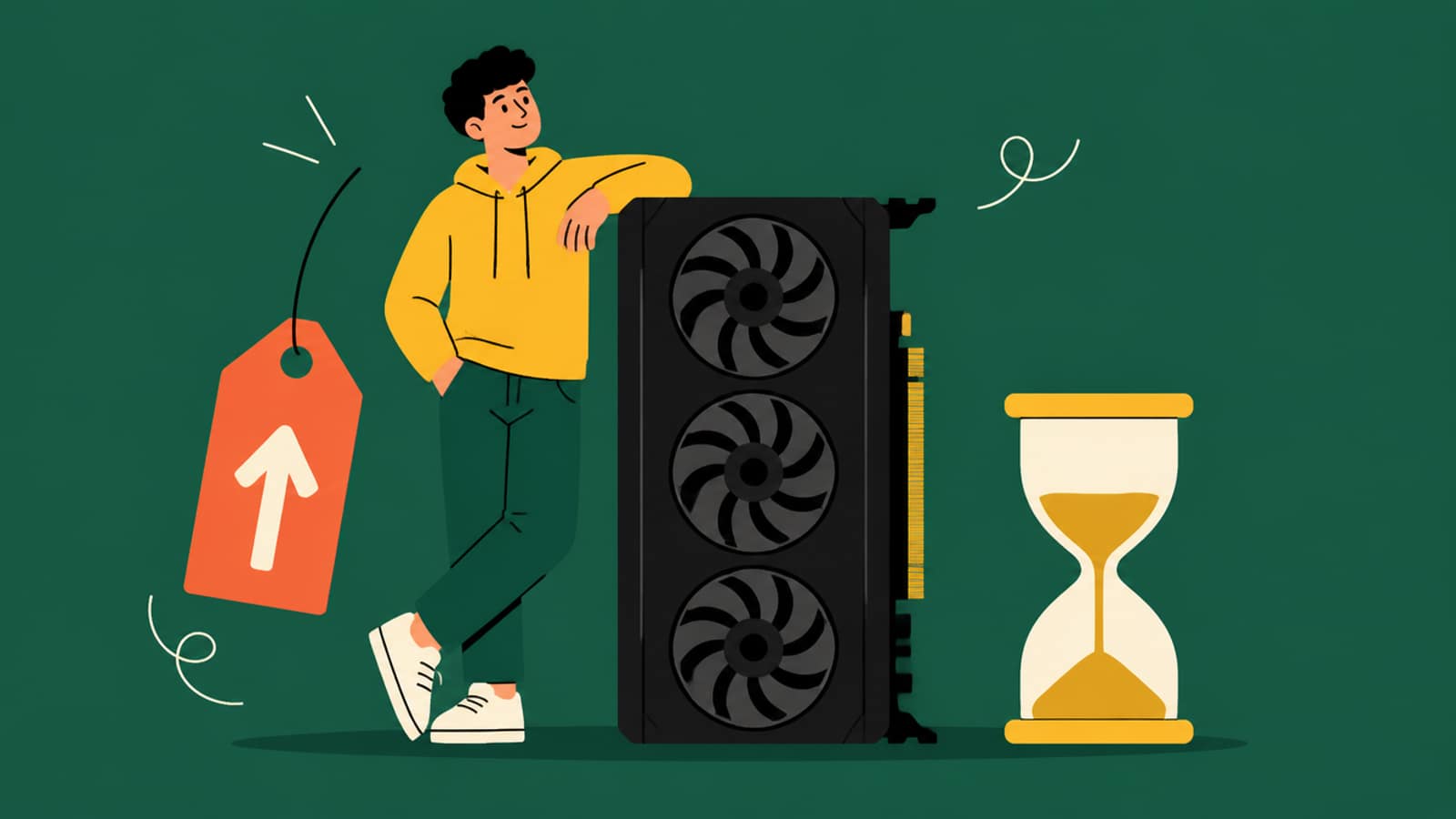
Nintendo is raising the Switch 2 from $449.99 to $499.99 in the US on September 1. the reason it's giving isn't trade policy — it's the same AI-driven memory shortage jacking up GPU prices all year.
Nintendo is doing something consoles almost never do: raising the price mid-generation, on a machine that's selling out. As of September 1, 2026, the US Switch 2 goes from $449.99 to $499.99, with matching hikes in Canada (C$630→C$680) and Europe (€470→€500). And the reason Nintendo is giving is the interesting part — because it's not the one everyone assumes.
$449.99 → $499.99
US price
effective September 1, 2026
€470 → €500
Europe
Canada C$630 → C$680
'market conditions'
Stated cause
memory shortage cited above tariffs/FX
raising while winning
The odd part
Switch 2 is breaking sales records
Not tariffs — memory
President Shuntaro Furukawa framed the increase (May 11, 2026) as a response to medium-to-long-term 'market conditions,' and the single biggest factor cited is the AI-driven DRAM and memory shortage — above tariffs, above currency swings. If that sounds familiar, it should: it's the exact same root cause this site has tracked through Nvidia's delayed RTX 50 Super, Evercade's cartridge price hike, and a delayed Amiga replica. AI data-center demand is pulling memory supply away from consumer electronics, and it's now reached a mainstream games console. Your Switch 2 is more expensive for the same reason ChatGPT needs more GPUs.
The buying math, plainly
Want a Switch 2 and live in the US, EU or Canada? Buying before September 1 saves you the $50 (or local equivalent). This is a rare case where waiting actively costs you money.
Don't expect it to reverse. This is a supply-and-cost story, not a promotion — memory pricing isn't easing, so a later price cut is unlikely in the near term.
Note the signal: if a first-party Nintendo console is raising prices over memory, expect the same pressure on every device built on commodity DRAM/flash through 2026.
There's a genuine strangeness to raising prices on your best-selling hardware ever — Nintendo's own share price dipped on the news. But it tells you how real the memory squeeze is: even a company with all the pricing leverage in the world decided it had to pass the cost on. If you were on the fence, the fence just got a deadline.