three price rises in five months, up to $100 on the 16GB Pi 5, and a seven-fold jump in memory costs behind all of it. I still think the cheap end of the range is the best value in computing — but the top end is a harder sell now.
Raspberry Pi built its identity on one promise: genuinely cheap general-purpose computing. That promise is under more strain than at any point in the board's history. On April 1, 2026 the company announced its third round of memory-driven price increases in five months, and the top of the range took the worst of it — the 16GB Pi 5 went up by $100. The reason Raspberry Pi gives is blunt and specific: a seven-fold increase over the past year in the price of LPDDR4 DRAM.
What went up, and by how much
April 2026 price increases by model
Pi 500+ kit+$150
Pi 5 (16GB)+$100
Pi 5 (8GB)+$50
Pi 500+$50
Pi 5 (4GB)+$25
The pattern is entirely about memory generation, and that's the key to reading it. Boards using older LPDDR2-era memory were left alone: the Pi Zero series, the Pi 1 and Pi 3, and the Pi 400 4GB at $60 all hold their prices. Raspberry Pi's own announcement lays out the reasoning directly, and it followed a December 2025 round that introduced a 1GB Pi 5 at $45.
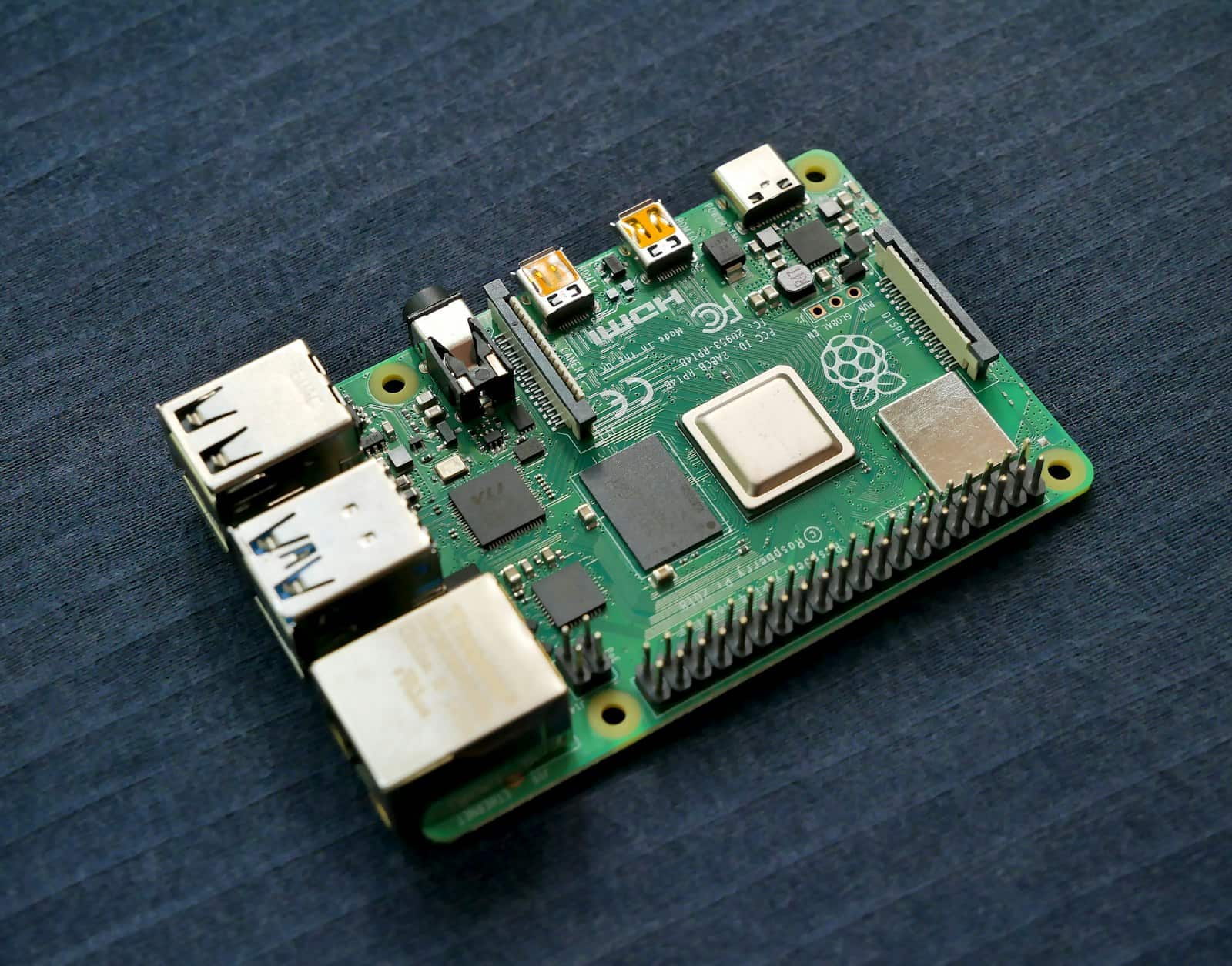
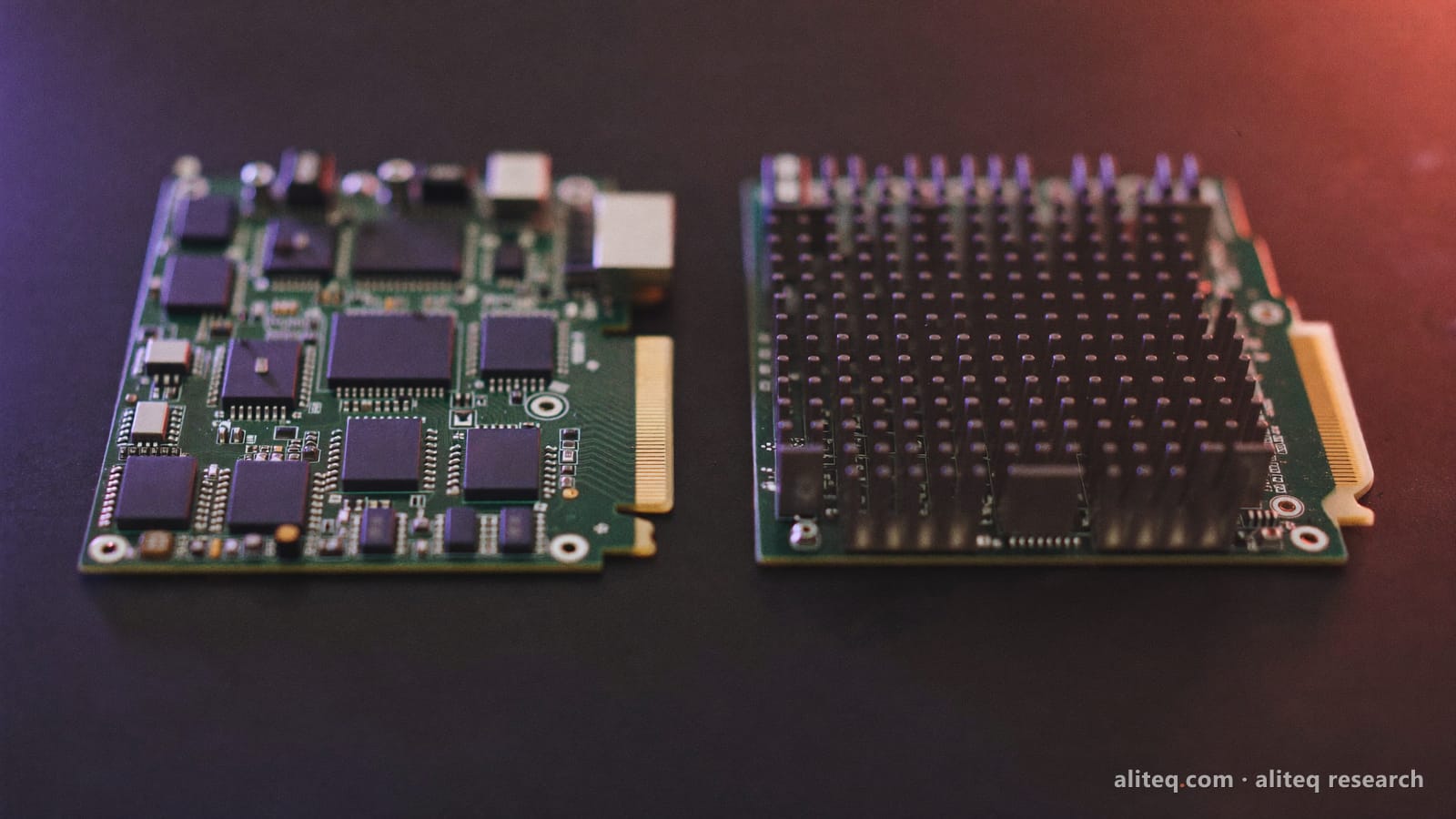
On a board this small, memory is a huge share of the bill of materials — which is why a DRAM spike hits the Pi harder than most. · Unsplash
The 3GB Pi 4 tells you everything
Alongside the increases, Raspberry Pi launched a 3GB Pi 4 at $83.75. Sit with that number for a second. Nobody designs a 3GB board in normal conditions — memory comes in sensible capacities and 3GB isn't one of them. It's what you ship when memory has become the dominant line in your bill of materials and you need a SKU that lands under a psychological price point. The same logic produced the 1GB Pi 5 at $45 in December. These aren't products so much as they're workarounds, and I mean that as an observation rather than a criticism.
Does the value case still hold? Partly.
The low end is a completely different story, though, and it's the part getting lost in the outrage. The untouched Zero and Pi 400 pricing means the original use case — a cheap, low-power Linux box for a project — is entirely intact. A Pi Zero running a Pi-hole or a sensor node is still one of the best value propositions in computing. Nothing about this round changed that.
The bigger picture
This isn't a Raspberry Pi story so much as a memory story wearing a Raspberry Pi costume. It's the same root cause behind delayed graphics cards, a $50 Switch 2 increase and NAS drives up 46% — AI datacenter demand pulling memory supply away from consumer electronics. The Pi is simply the most exposed product in that chain, because on a board this small there's almost nothing else in the bill of materials to absorb the hit.
It's also why the Pi 6 isn't arriving until 2028. Launching a new memory-hungry board into this market would be difficult to price sensibly, so Raspberry Pi is waiting the market out. Given they've publicly committed to reversing these increases when memory normalises, I'm inclined to take them at their word — they've been unusually transparent about the cause throughout, which is more than most companies manage when raising prices.
Common questions
Why did Raspberry Pi raise prices again?
Memory costs. The company cited a roughly seven-fold increase in LPDDR4 DRAM pricing over the previous year, driven by AI datacenter demand consuming supply.
Which boards didn't go up?
Anything using older LPDDR2-era memory — the Pi Zero series, Pi 1 and Pi 3, and the Pi 400 4GB at $60. If your project fits one of those, nothing has changed for you.
Will prices come back down?
Raspberry Pi has committed to reversing the increases when memory normalises. Industry analysts don't expect that before late 2027, so don't plan around it happening soon.
Is a Raspberry Pi still worth it?
At the low end, absolutely — it remains excellent value for low-power always-on projects. At the high-memory end I'd genuinely price a small x86 mini PC before committing.
What's the 3GB Pi 4 about?
It's a cost-relief SKU. An unusual capacity like 3GB exists specifically to hit a price point when memory dominates the bill of materials — the same reason a 1GB Pi 5 appeared at $45 in December.